







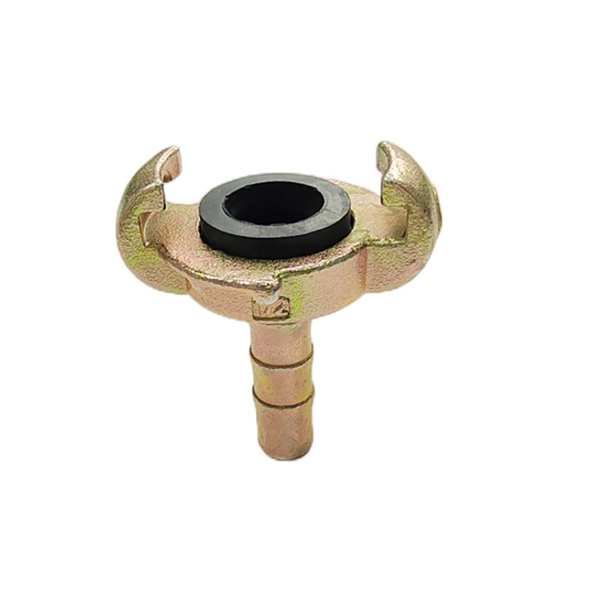
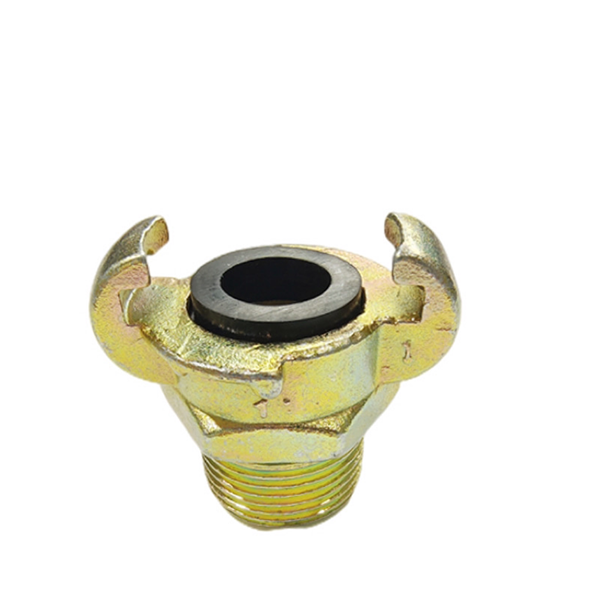
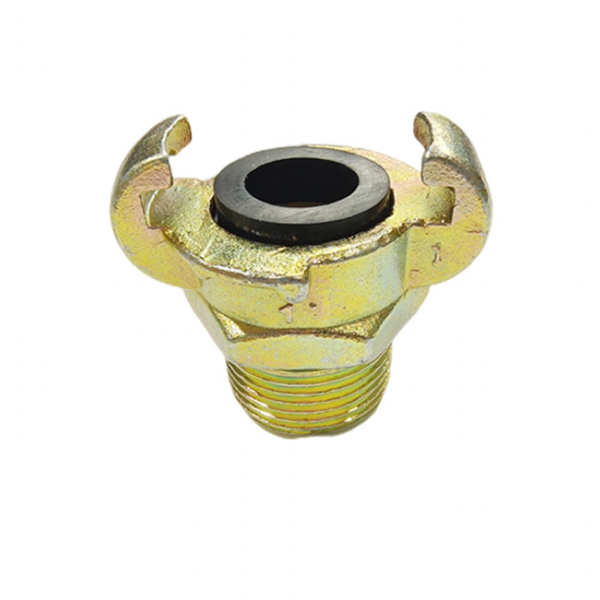
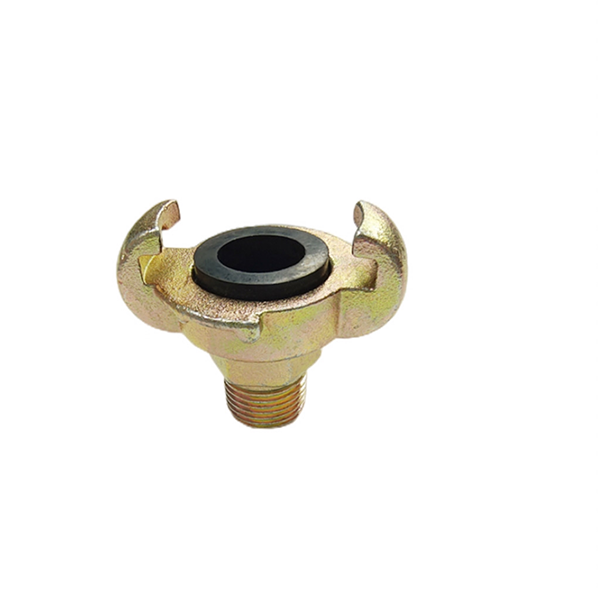
Product Description
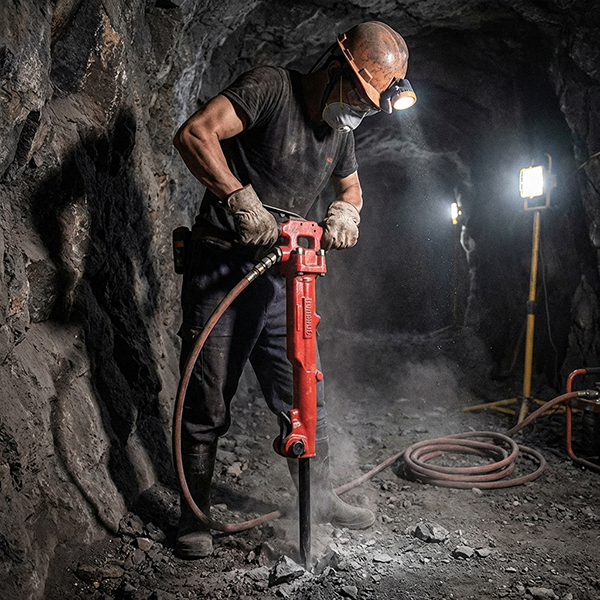
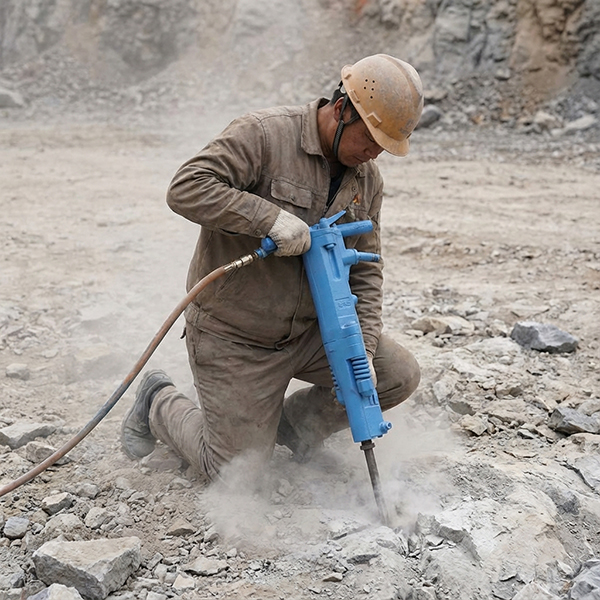
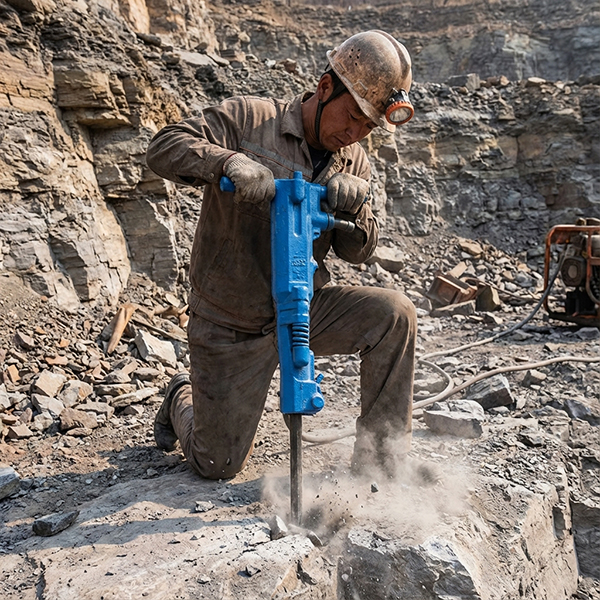
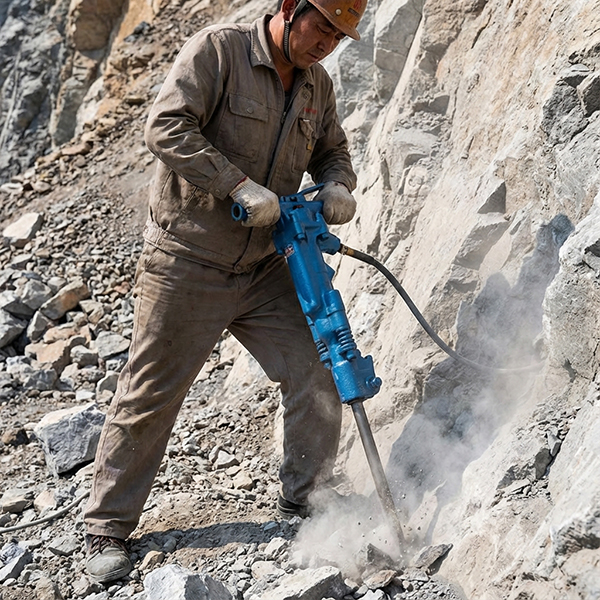
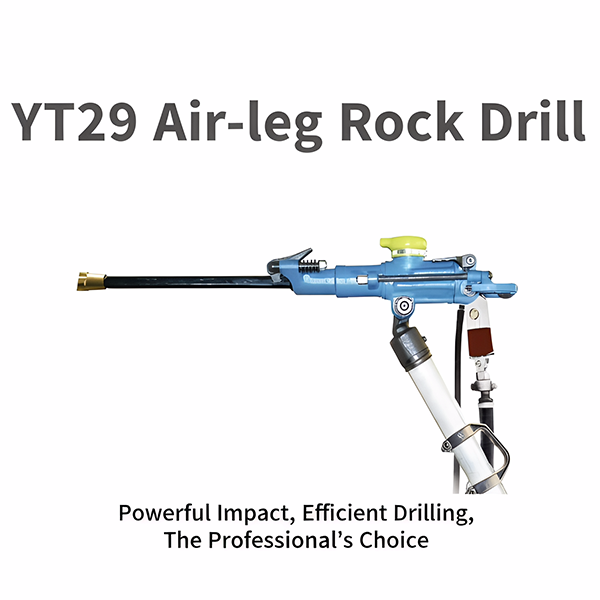
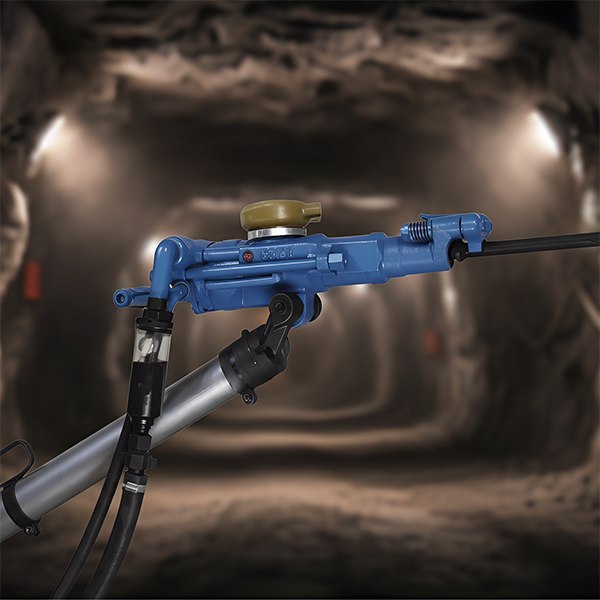
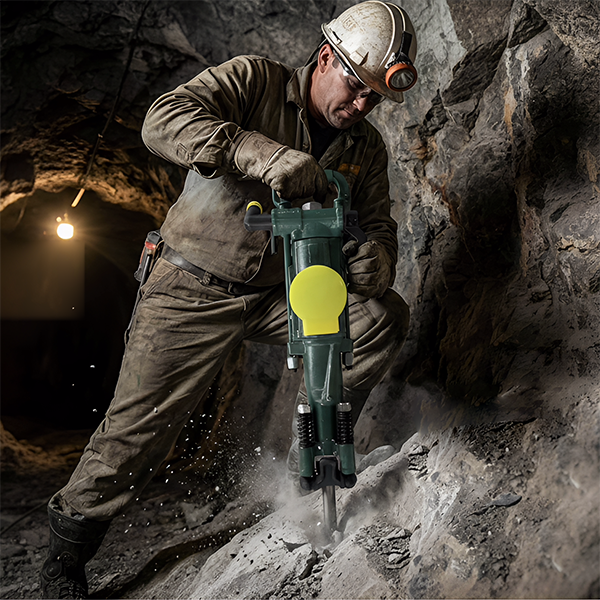
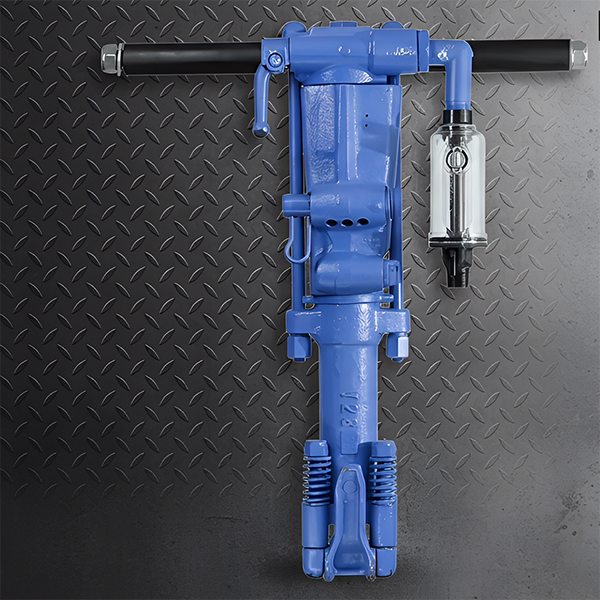
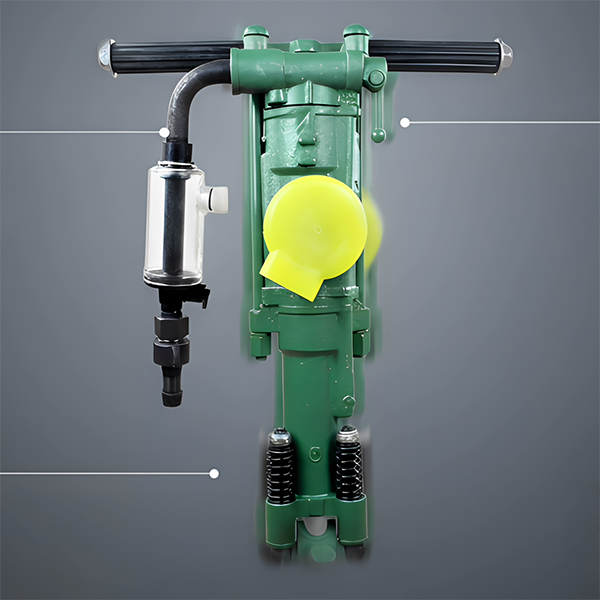
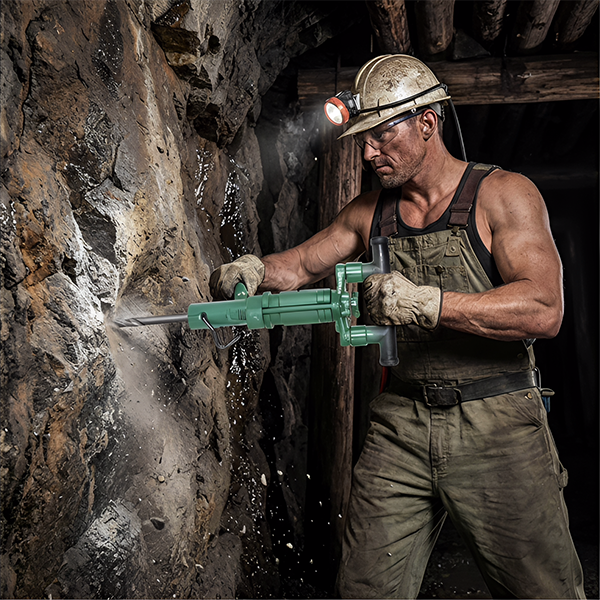
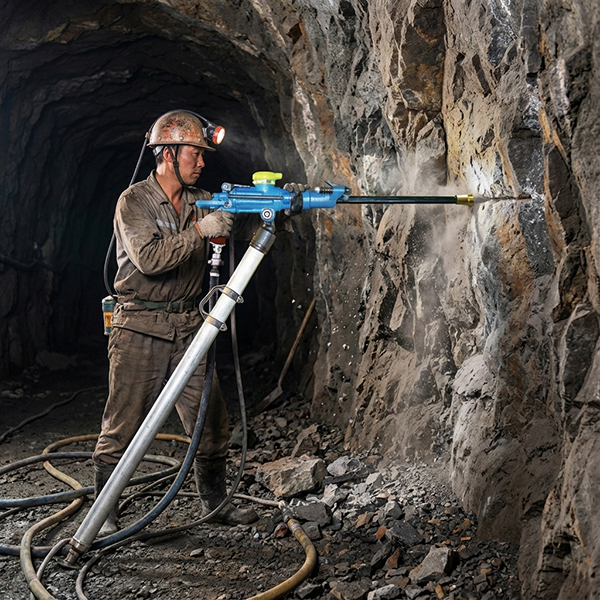
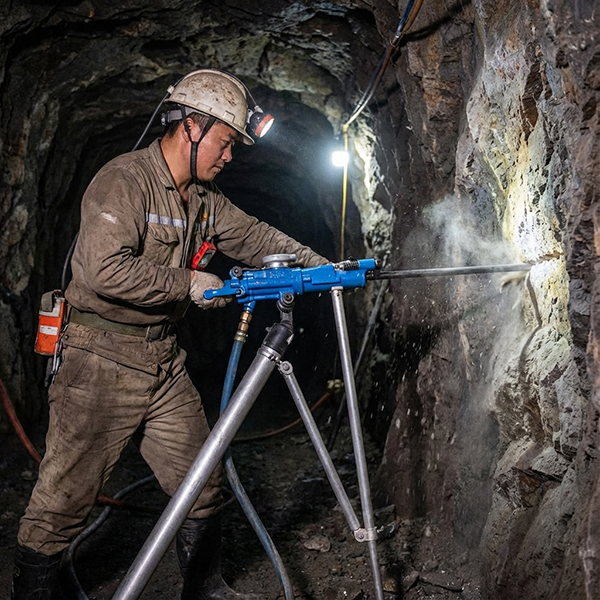
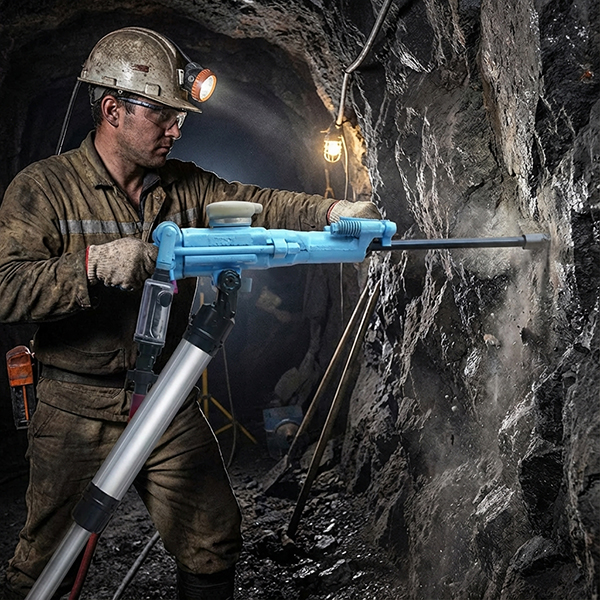
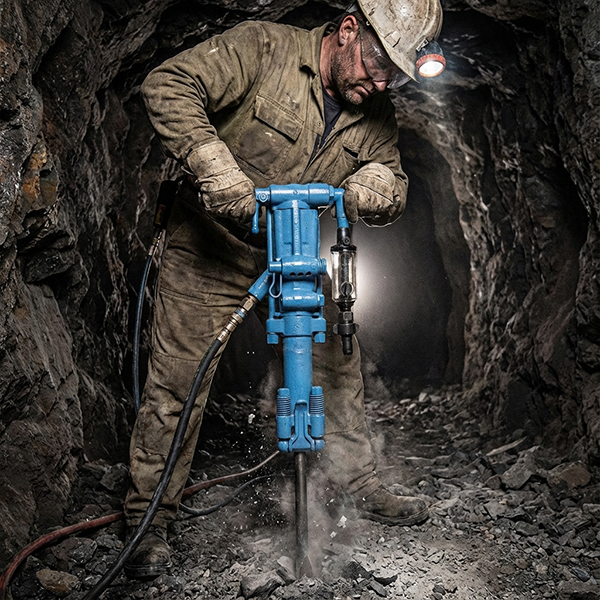
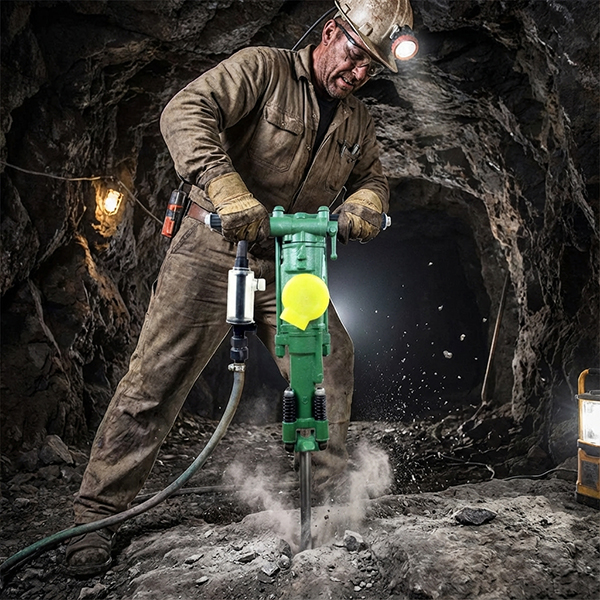
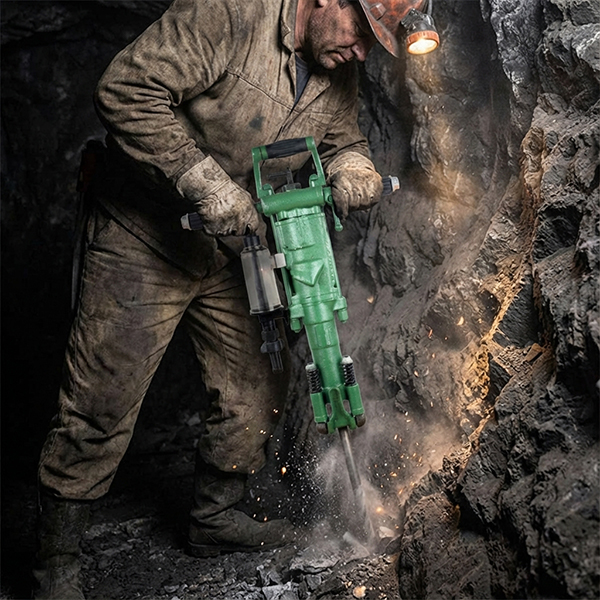
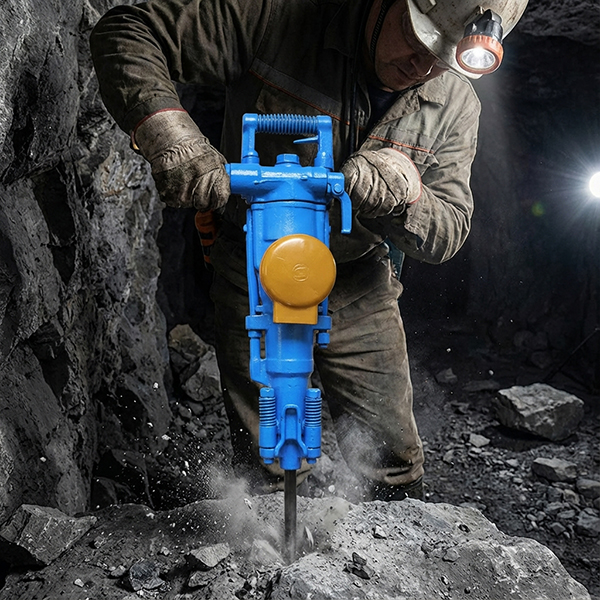
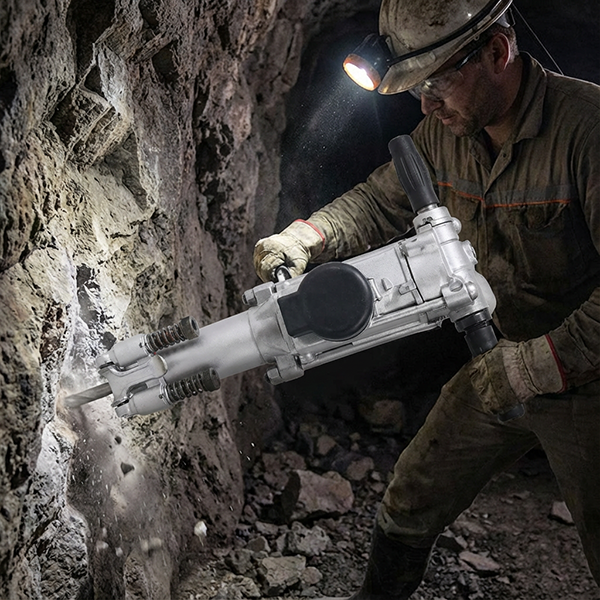
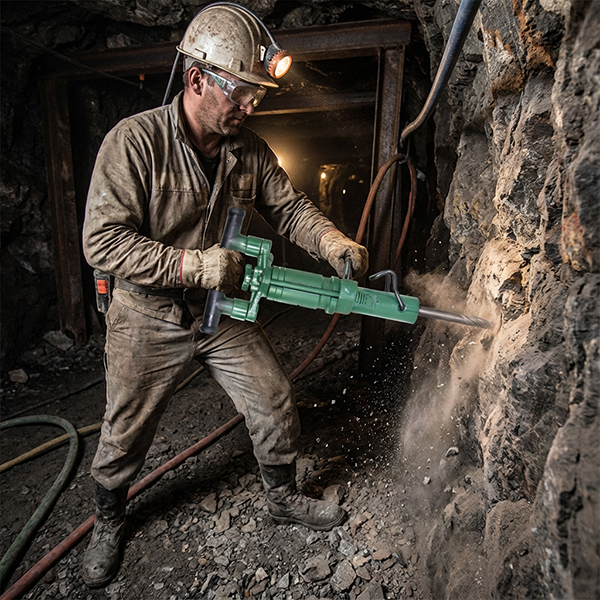
Some air-leg rock drills — particularly the heavier models running at higher air consumption — specify a 1-inch air inlet rather than the more common 3/4 inch. It's not a common size, but when you encounter it, there's no substitute. A 3/4-inch coupling won't fit, and forcing it is a safety risk.
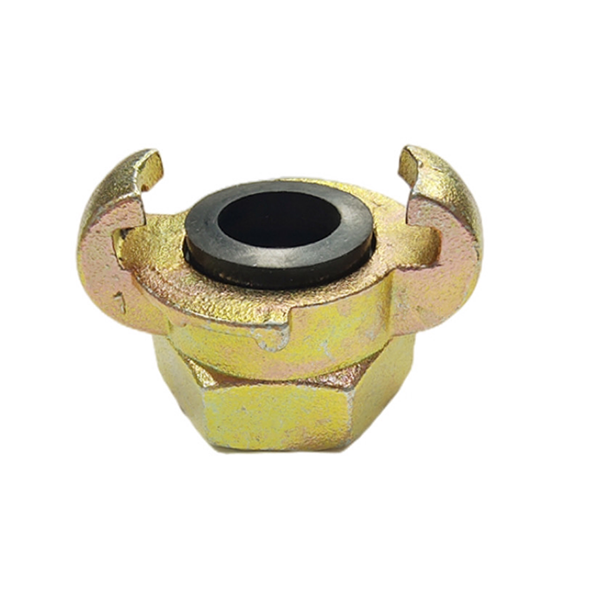
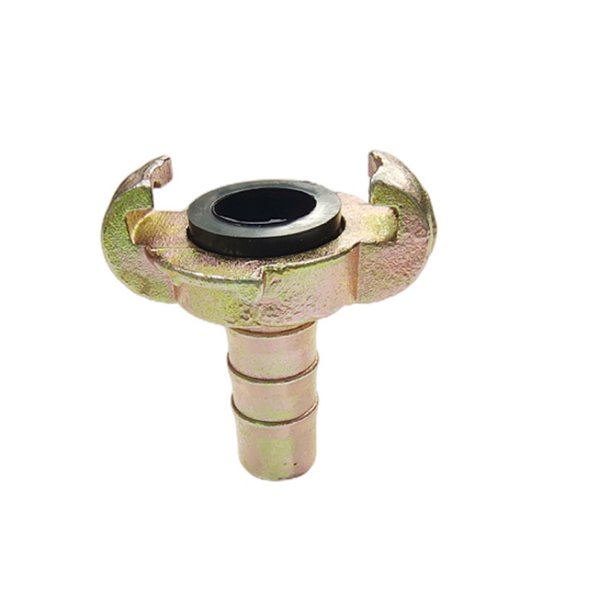
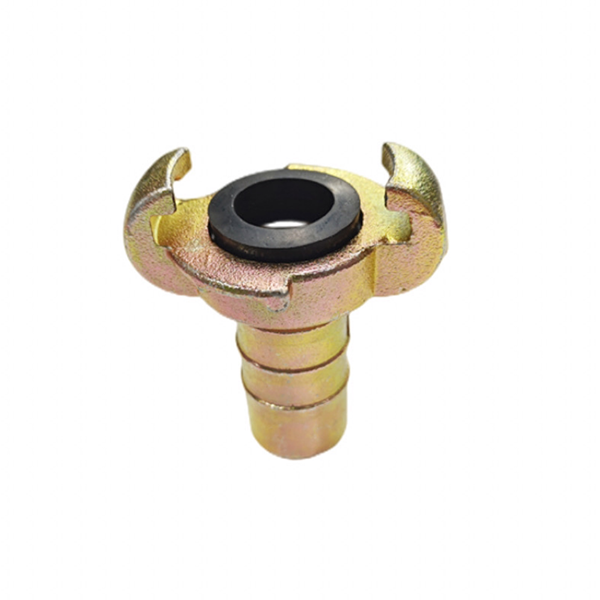
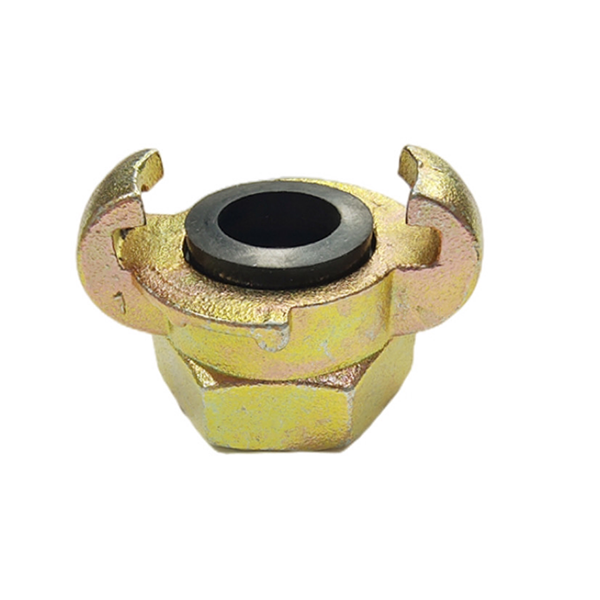
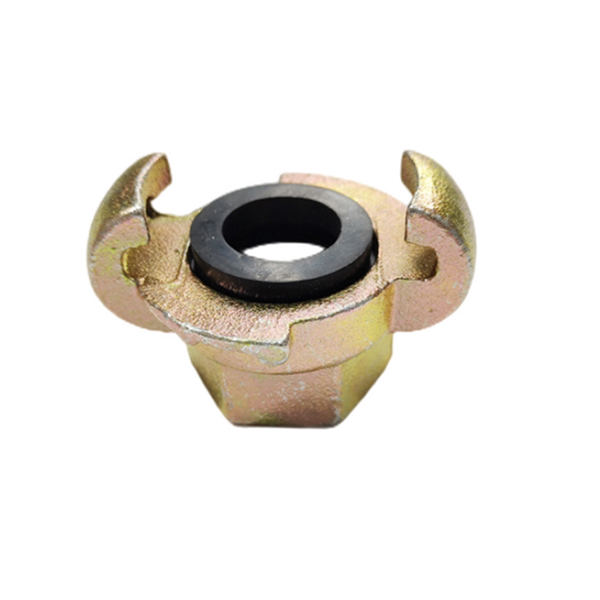
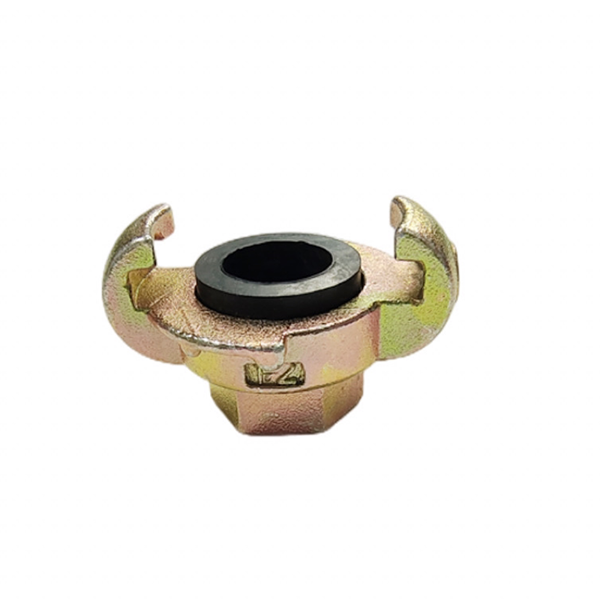
The BDL124 is a 1-inch female thread (interno) air coupling built for those specific applications. It matches G1 (BSPP 1-inch) male-threaded ports and provides a full-bore connection that lets the drill operate at its designed air flow rate.
When You Need a 1-Inch Coupling
The jump from 3/4 inch to 1 inch at the drill inlet isn't about bigger drills being "better." It's about air physics.
A 3/4-inch port has an internal cross-sectional area of roughly 285 mm². A 1-inch port gives you about 507 mm² — nearly double. For drills that operate at the upper end of air consumption (4.5–5.5 m³/min), that additional flow area makes a measurable difference in maintaining full impact energy, especially when the compressor is located some distance from the working face.
You'll find 1-inch air inlets on:
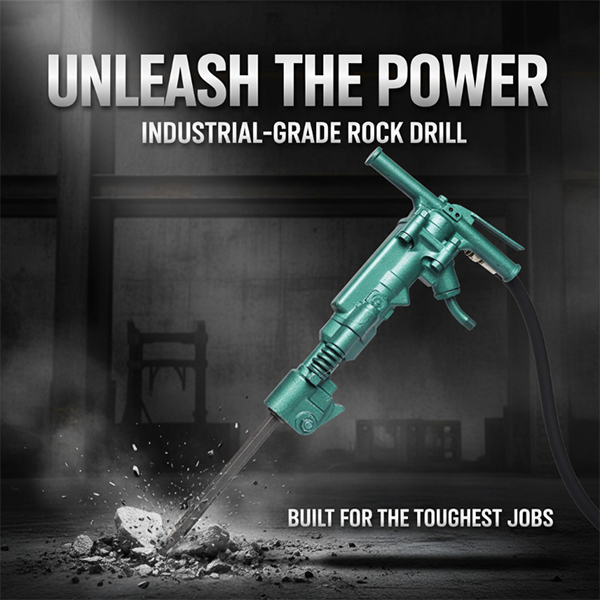
Certain high-performance variants of air-leg rock drills
Older-generation heavy rock drills still in service across African and South American mining operations
Custom or modified pneumatic systems where the original 3/4-inch port has been upgraded
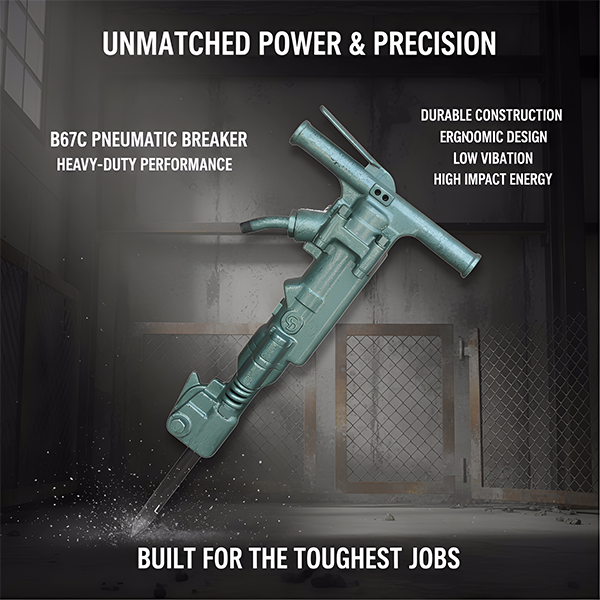
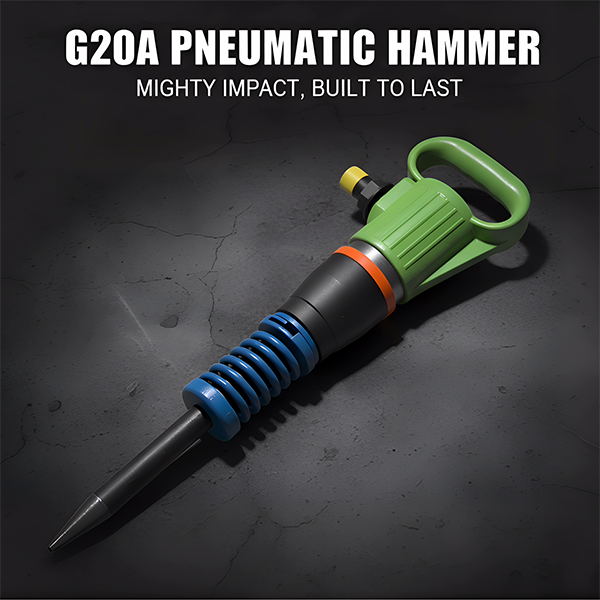
Some brands of pneumatic breakers and industrial percussion tools
If your equipment calls for a 1-inch inlet coupling, the BDL124 is the part that makes the connection work.
Fleet Standardization: Why It Matters
We supply equipment to companies that run drilling fleets of 20, 50, sometimes 100+ units. In those operations, coupling standardization isn't optional — it's a logistics requirement.
Imagine a fleet where half the drills use 3/4-inch inlets and the other half use 1-inch. Every connection kit needs both sizes. Every maintenance worker needs to know which coupling goes on which drill. Every inventory count takes twice as long.
Most of our larger customers have standardized on one inlet size across their fleet. For those running 1-inch, the BDL124 is their go-to coupling, and they order it by the case. If you're building a new fleet or replacing older equipment, it's worth checking whether standardizing on a single coupling thread size could simplify your supply chain.
The Reality of Consumable Parts
One thing that surprises some first-time buyers: brass pneumatic couplings don't last forever. The threads wear with each installation cycle. The sealing surfaces develop micro-galling. The brass work-hardens and becomes slightly more brittle with age and thermal cycling.
For a coupling that's installed once and left alone, this barely matters — it could last years. But on an active drilling project where equipment gets reconfigured, moved between sites, and maintained regularly, couplings go through 5–15 installation cycles. At that rate, a year of heavy use is a reasonable service life before replacement.
The math is simple. The BDL124 costs roughly $1.00. A day of lost production because of a failed coupling costs hundreds or thousands. Stocking spares isn't a cost — it's insurance.
Technical Specifications
| Specification | Detail |
|---|---|
| Product Code | BDL124 |
| Type | Interno (female/internal thread coupling) |
| Thread Size | 1 inch (G1 / BSPP) |
| Thread Gender | Female (internal) |
| Working Pressure | 0.4–0.63 MPa |
| Material | Brass |
| Sealing Method | PTFE tape (2–3 wraps) |
| Application | High-airflow pneumatic drill and breaker inlets |
| Unit Price (EXW) | ~$1.00 USD |
Installation and Maintenance
Apply 2–3 wraps of PTFE tape to male threads before assembly, wrapping in the direction of tightening
Tighten hand-firm, then approximately 1/4 turn with a wrench
Do not exceed 20 N·m torque on the G1 thread
Inspect threads before each reinstallation — any visible damage means replacement
Store unused couplings in a dry environment, ideally in sealed bags
Minimum replacement interval: 12 months for couplings in active rotation
Frequently Asked Questions
Q: Can I step down from 1-inch coupling to a 3/4-inch hose? Yes, using a reducing adapter (nipple/conuto). The coupling threads onto the 1-inch inlet, and the adapter steps down to your 3/4-inch hose. However, you'll lose some flow capacity. For drills that genuinely need a 1-inch inlet, it's better to run 1-inch hose throughout if possible.
Q: Is stainless steel available for the BDL124? Yes, we can supply stainless steel variants on request. Stainless steel offers better corrosion resistance in aggressive environments (coastal, chemical, high-humidity storage). However, stainless brass couplings cost more and the improvement over standard brass is only noticeable in specific conditions. For most mining and quarry applications, brass is sufficient.
Q: How do I measure my thread size accurately? Use calipers to measure the outer diameter of the male threads on your equipment's air inlet, at approximately the third thread from the end. G1 should read approximately 33.25 mm. Compare this to your 3/4" reference (26.44 mm) to confirm the size.
Q: What happens if I use a 3/4-inch coupling on a 1-inch port? It won't fit — the threads won't engage. If someone forces it with an adapter or thread insert, the reduced bore will restrict air flow and the drill will underperform. Use the correct size coupling for your port.