

Product Description
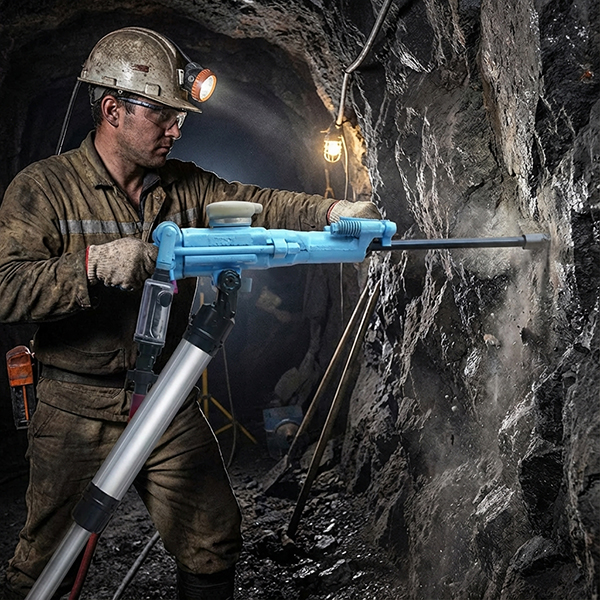
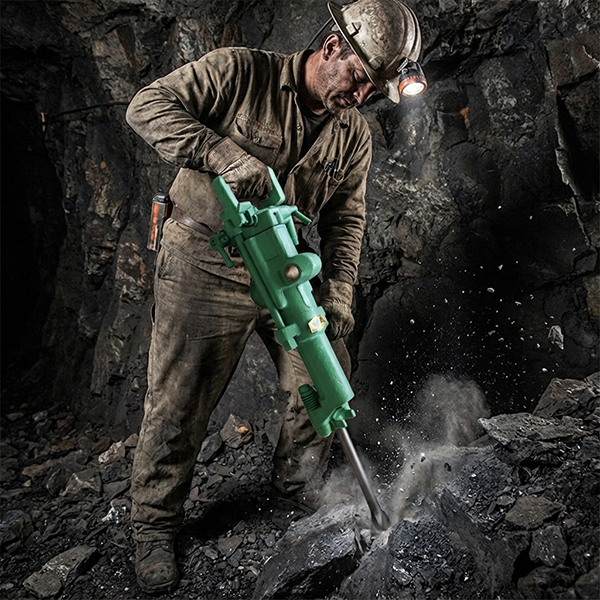
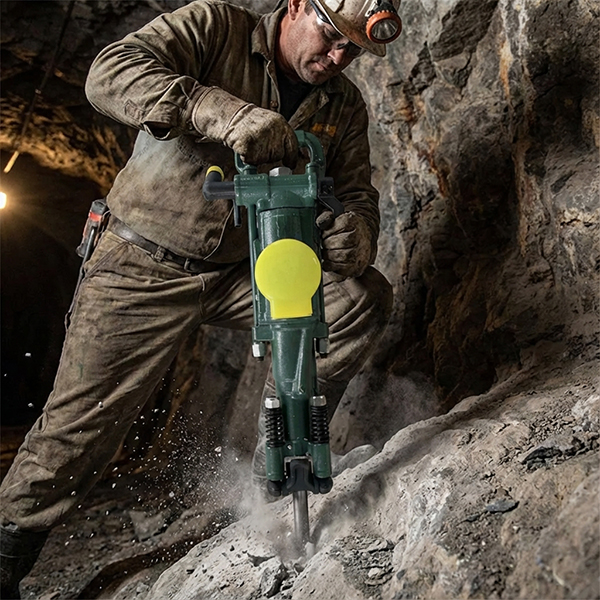
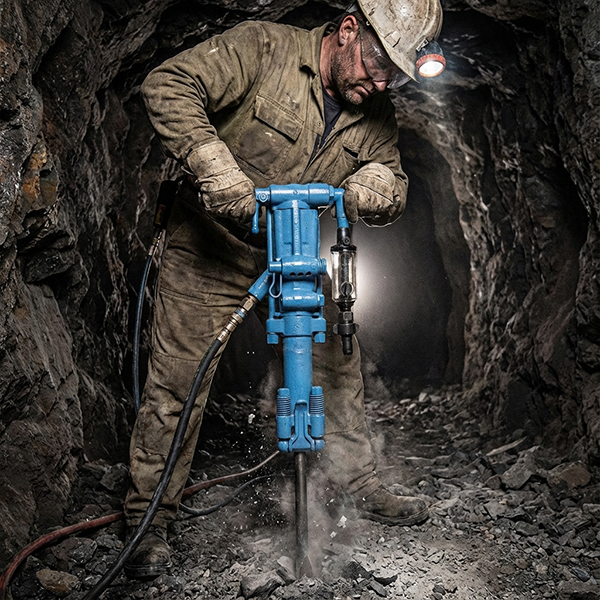
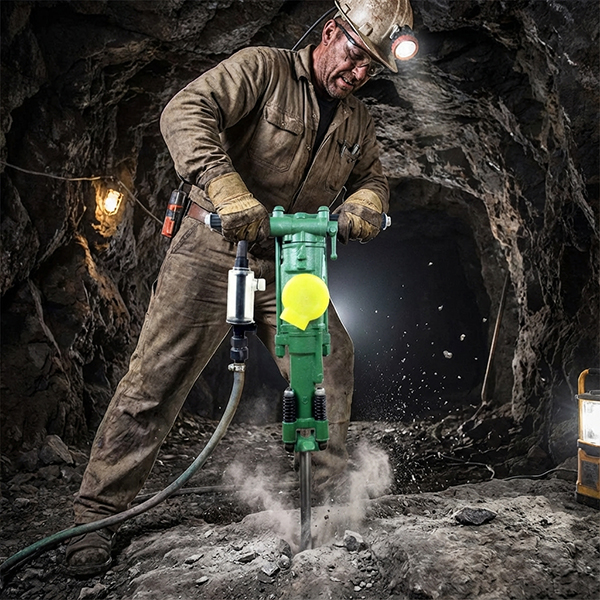
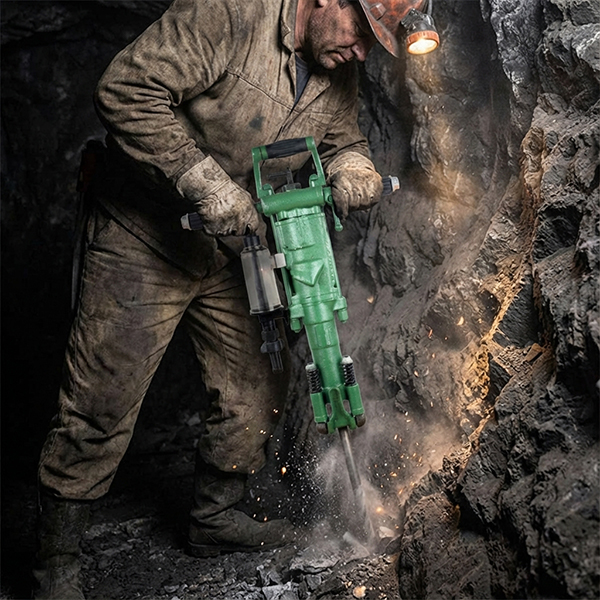
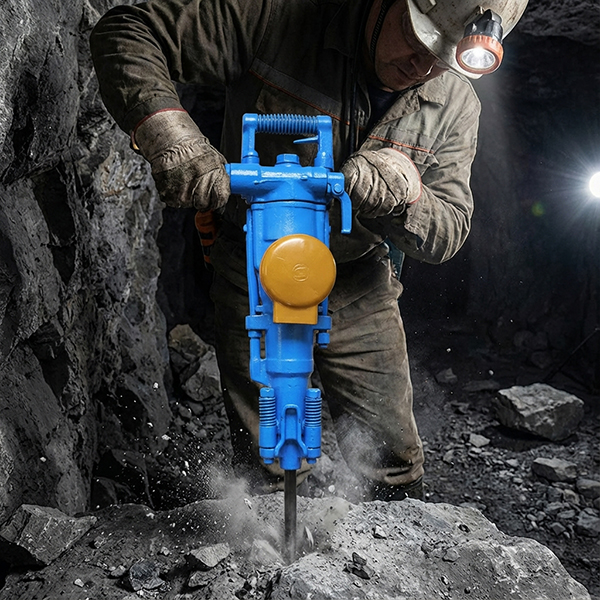
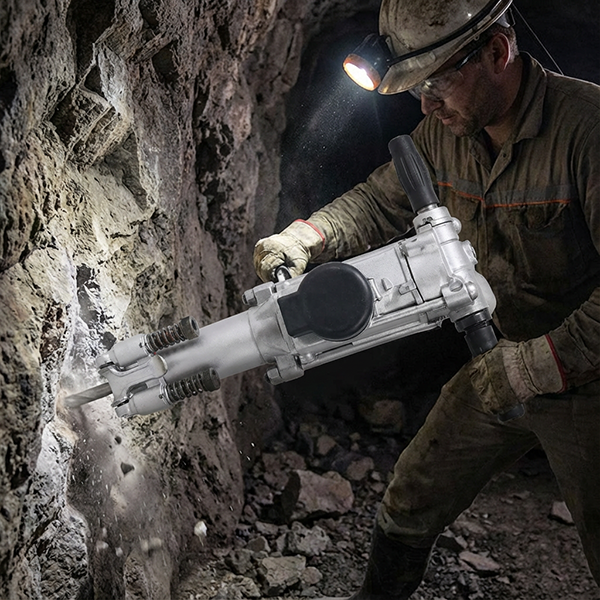
If there's one coupling size that bridges the gap between "small hand-held tools" and "serious mining equipment," it's 3/4 inch. Not too big, not too small, and found on more air-leg rock drills than any other thread size in the field.
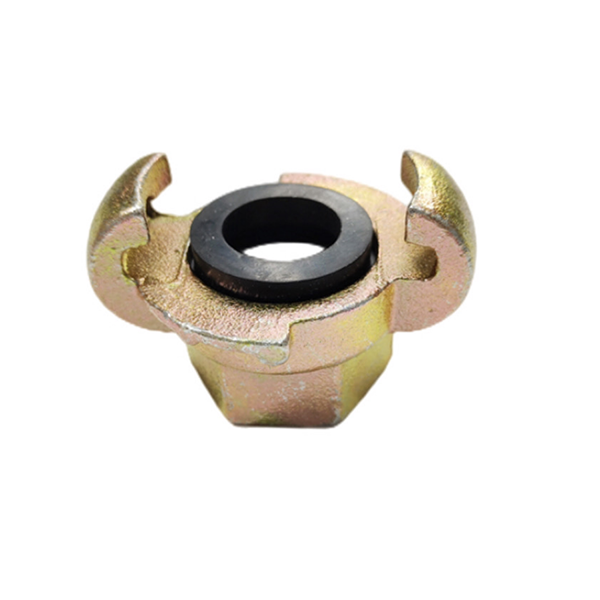
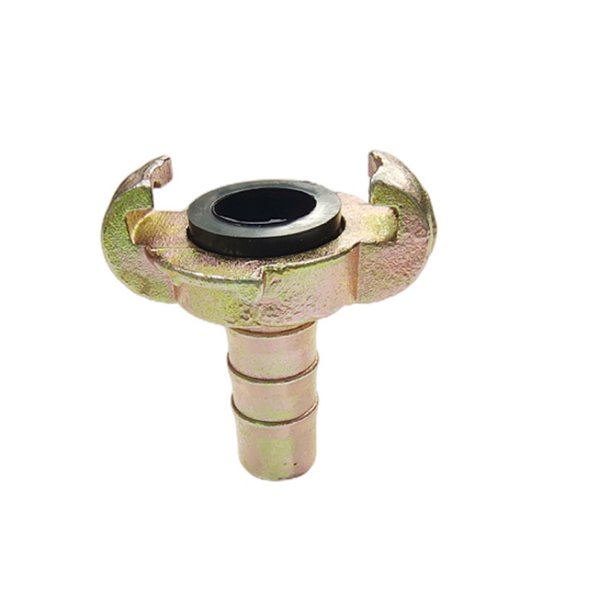
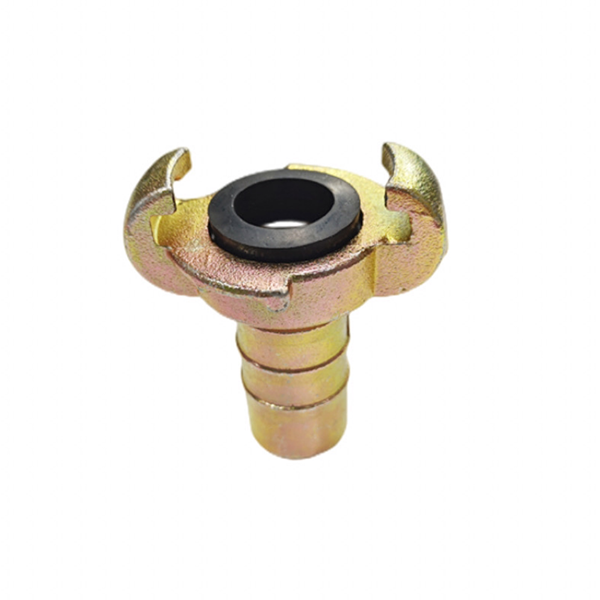
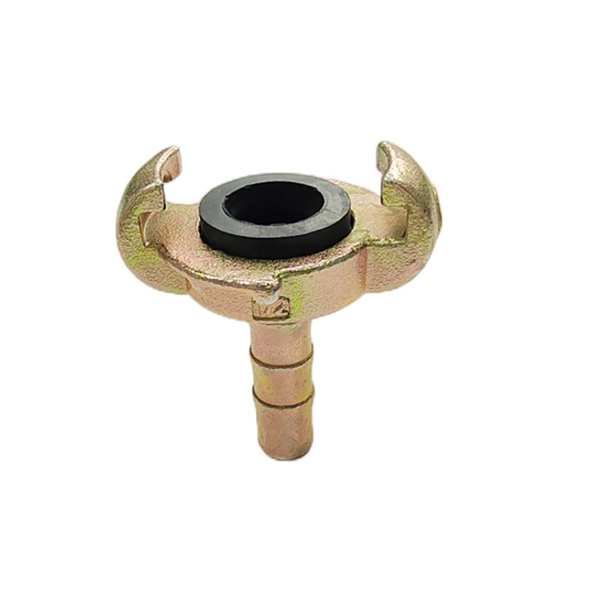
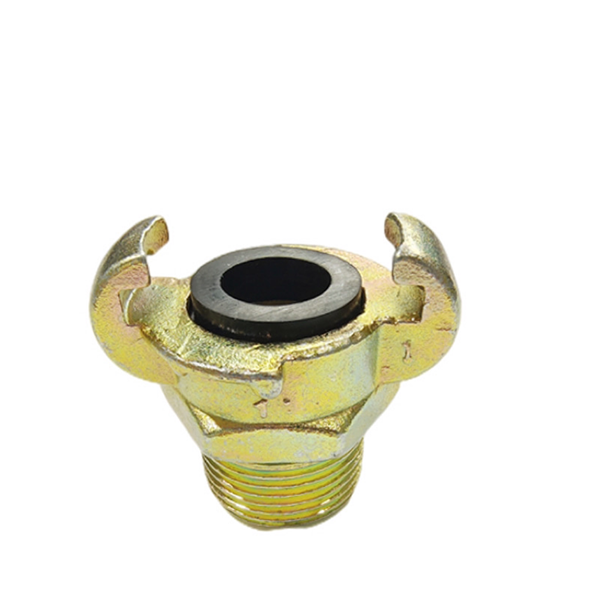
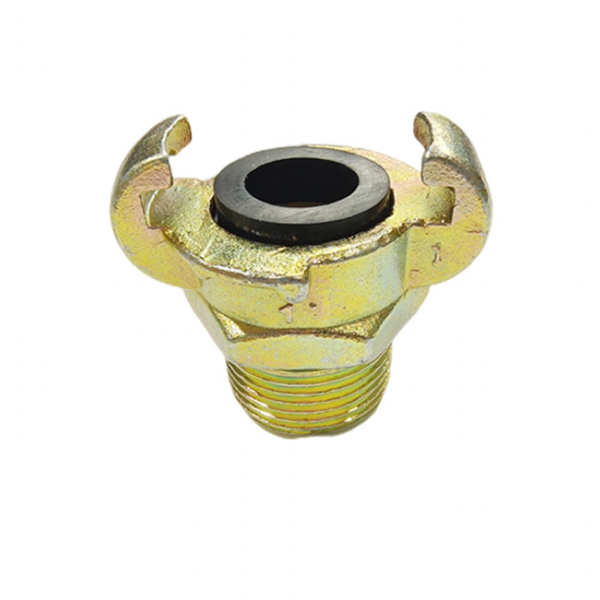
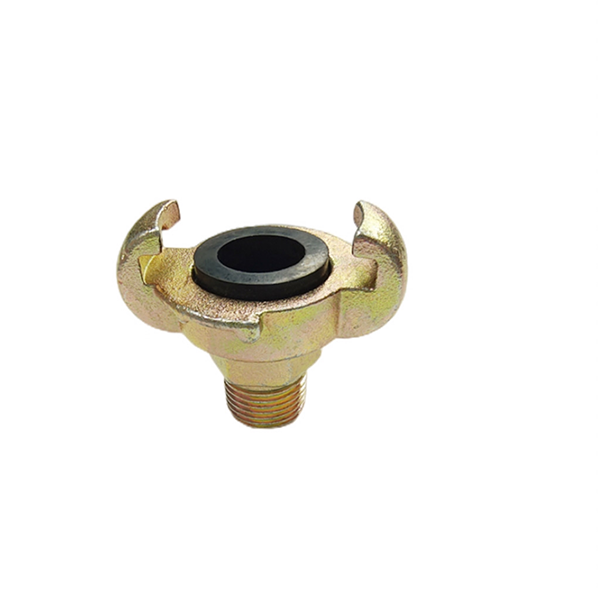
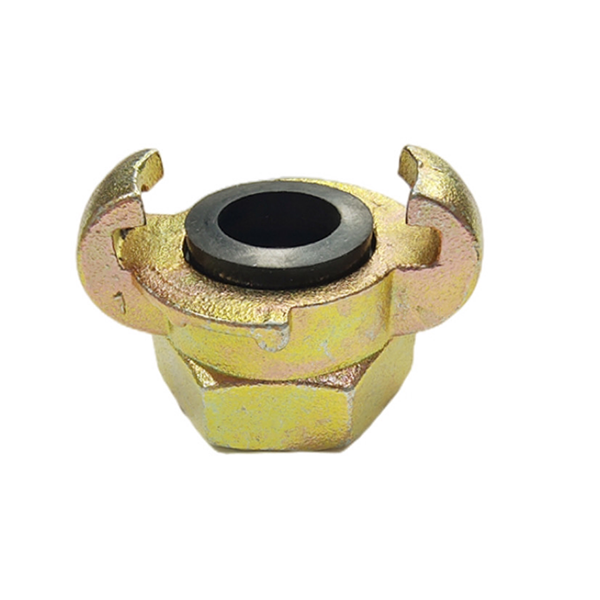
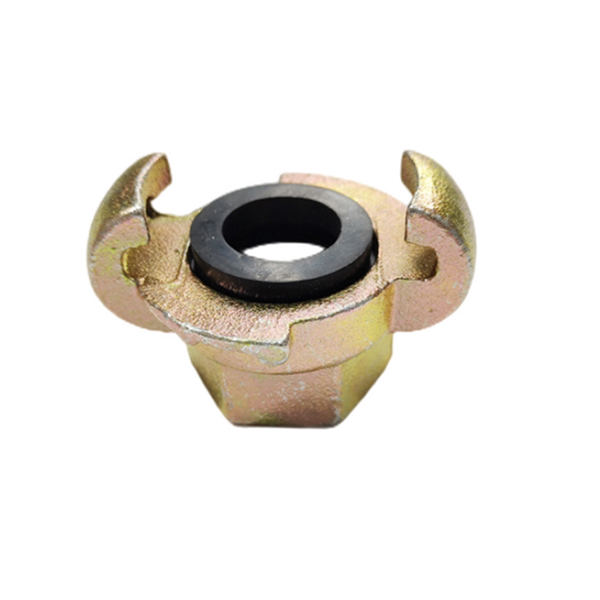
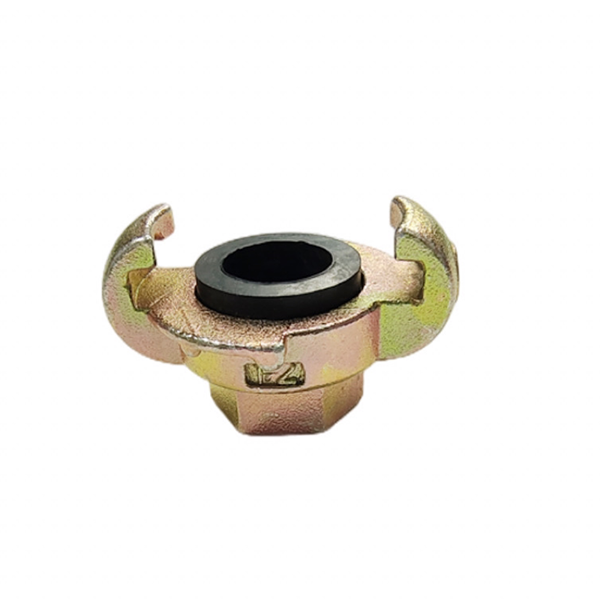
The BDL123 is a 3/4-inch female thread (interno) air coupling designed for exactly that middle ground. It screws onto the male-threaded air inlet of your pneumatic equipment and provides a secure, sealed connection for your compressed air supply.
Why 3/4 Inch Matters More Than You Think
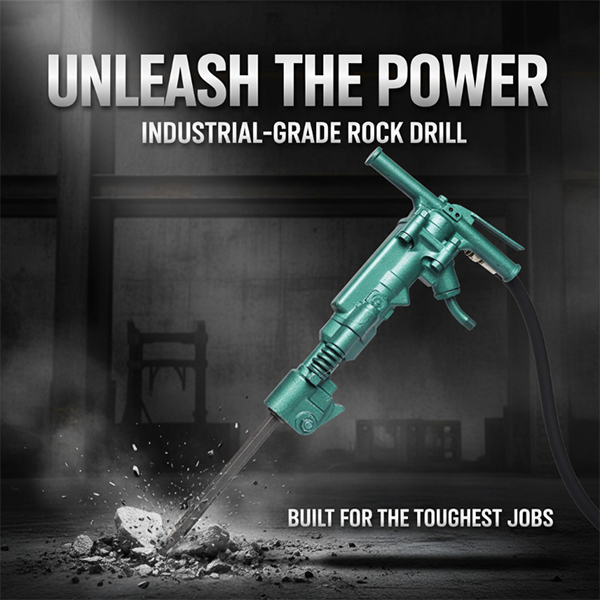
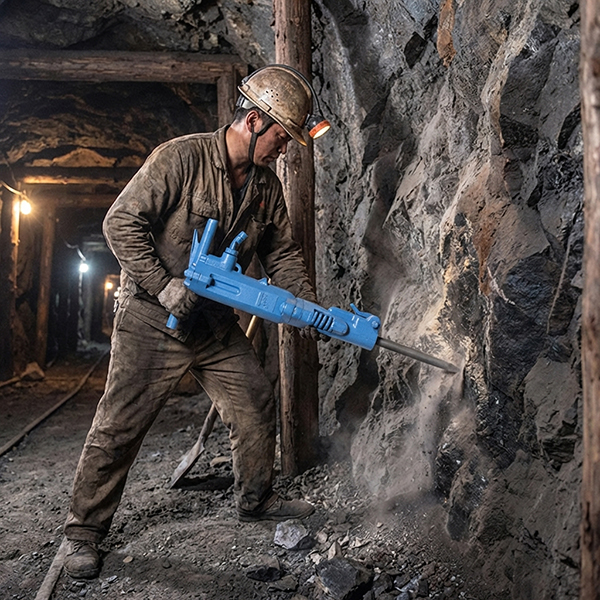
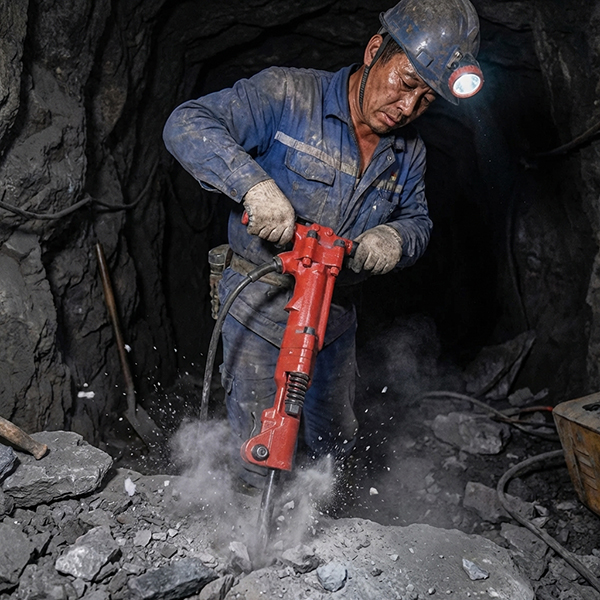
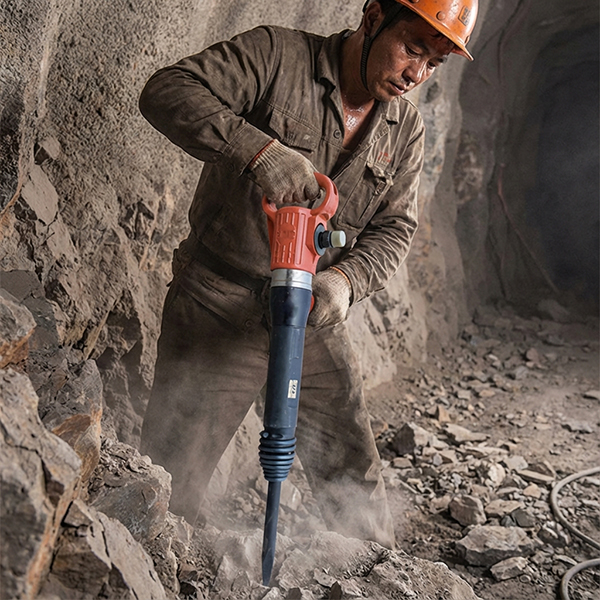
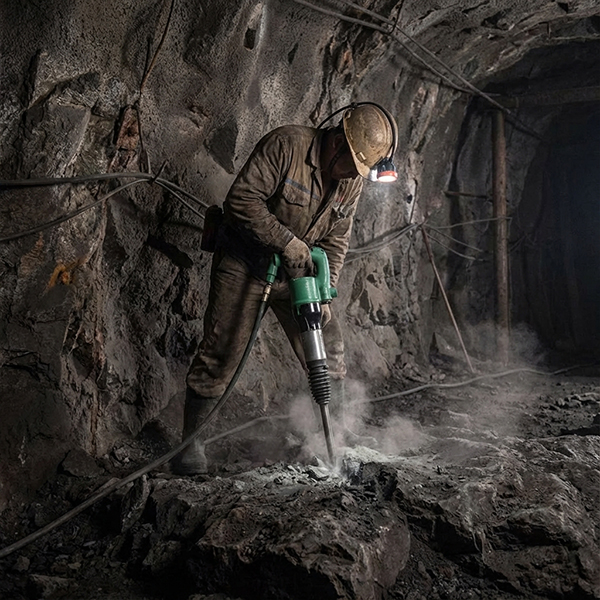
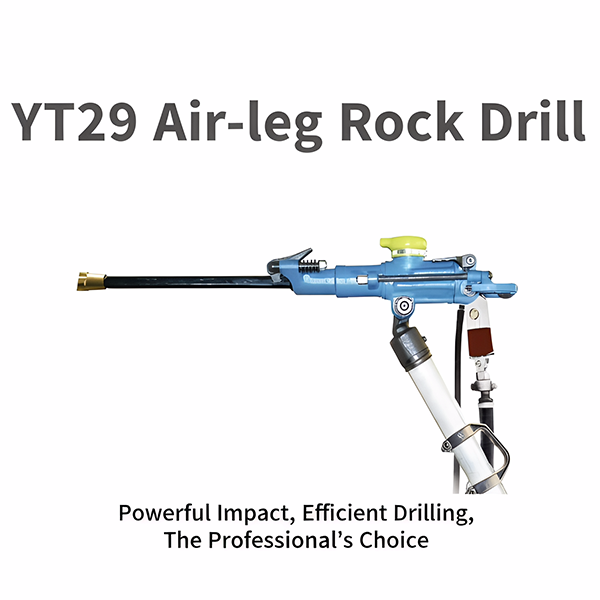
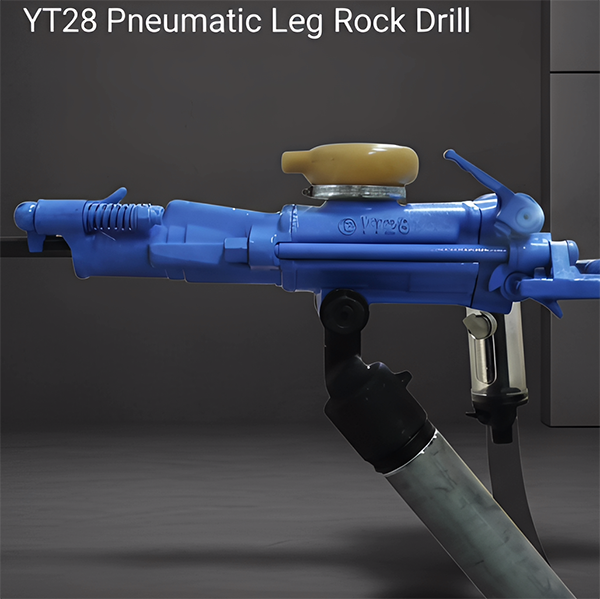
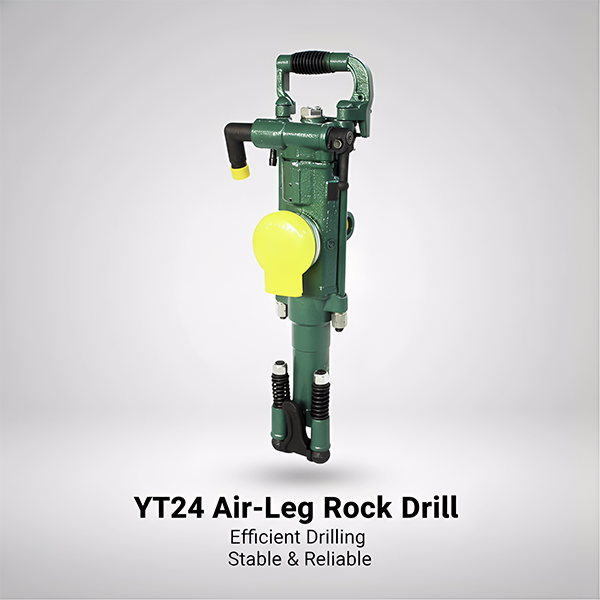
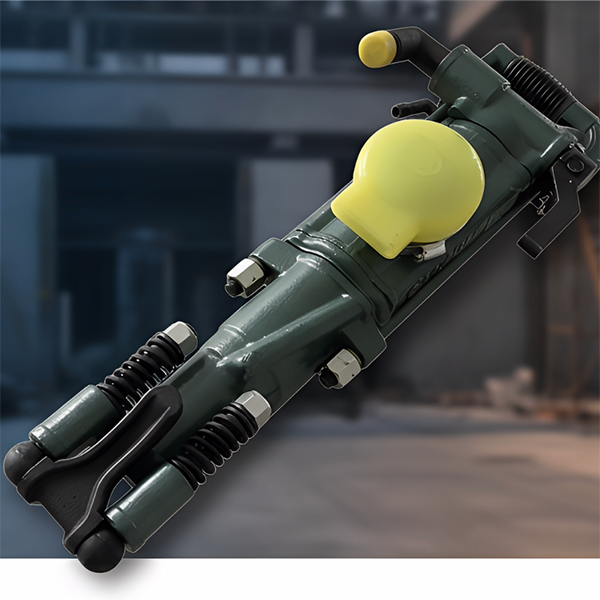
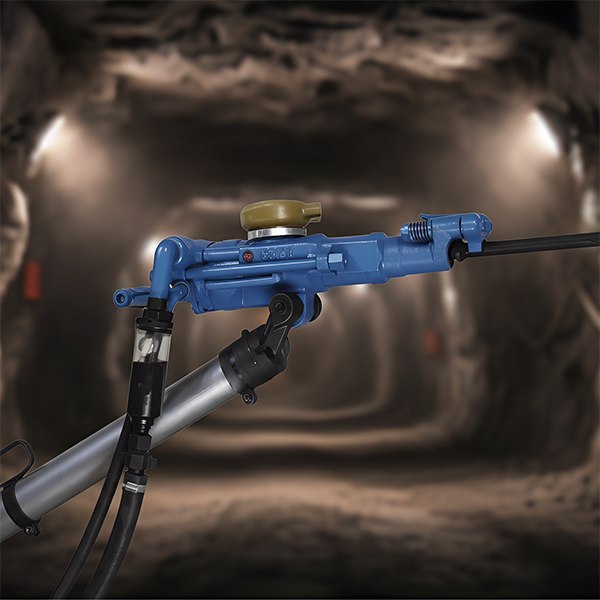
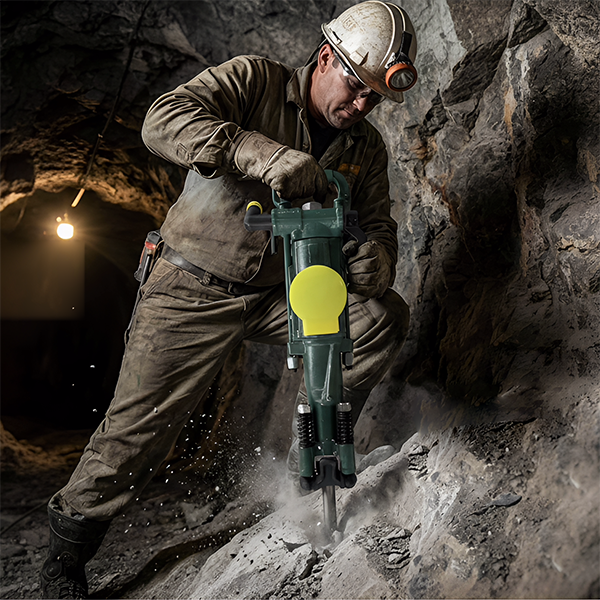
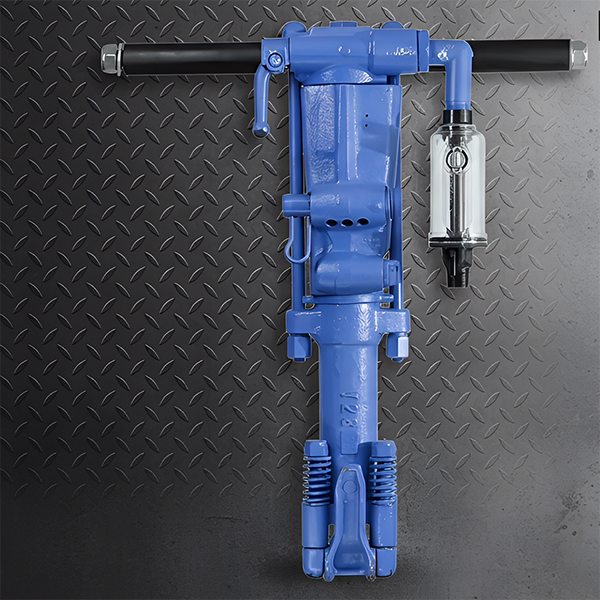
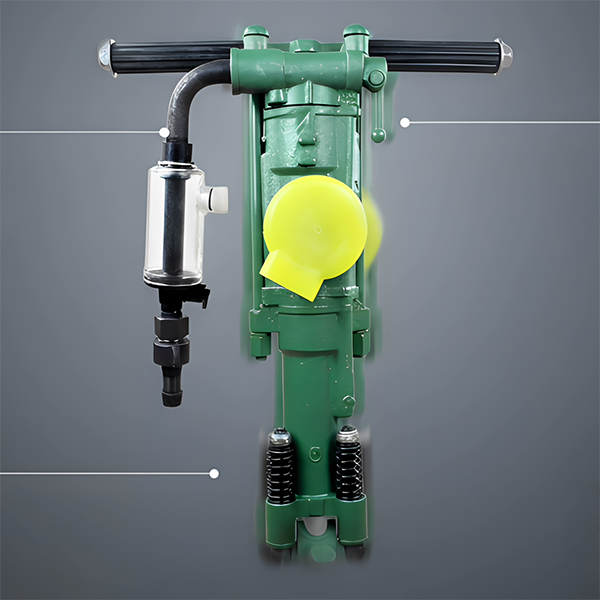
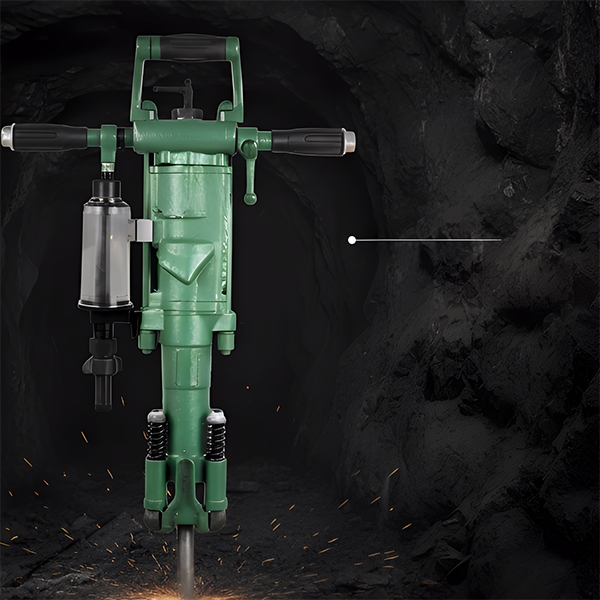
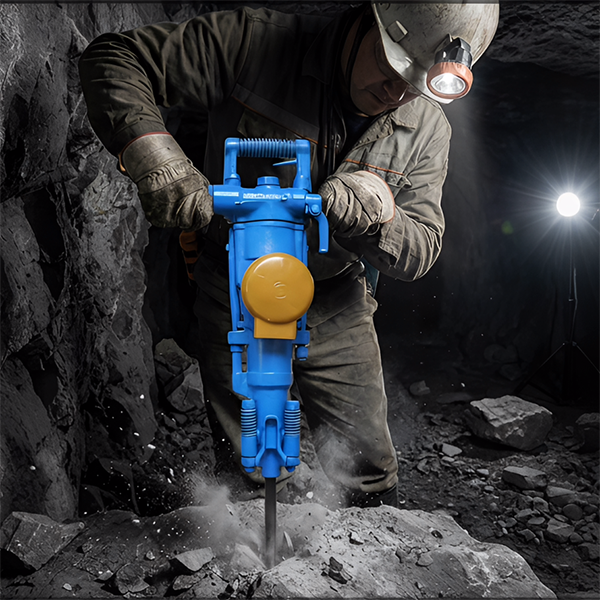
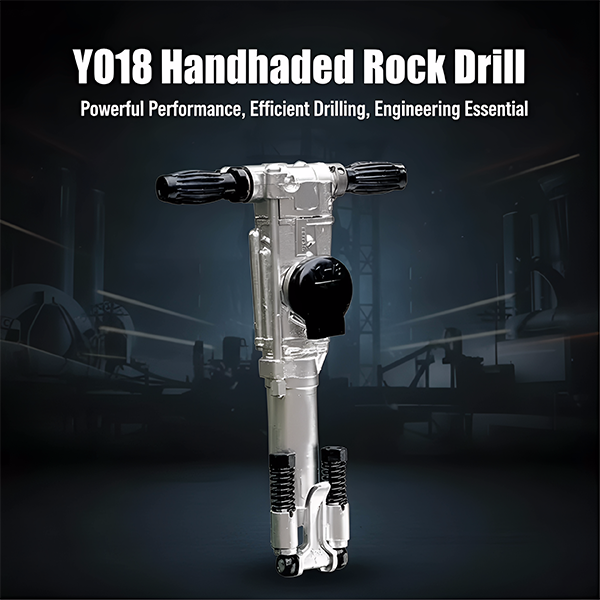
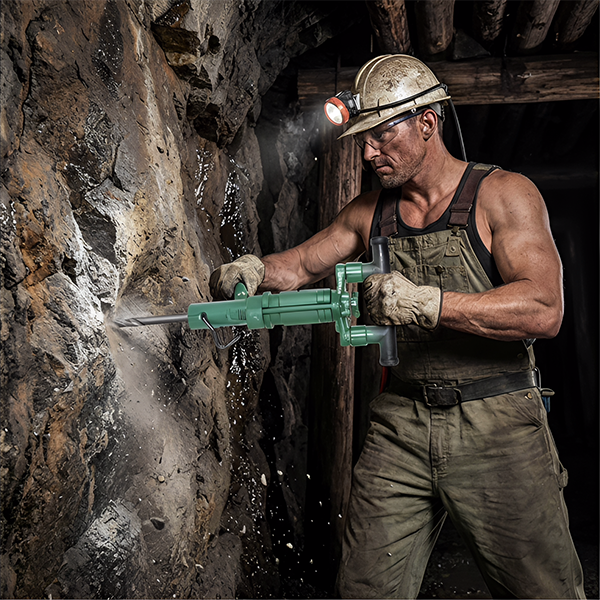
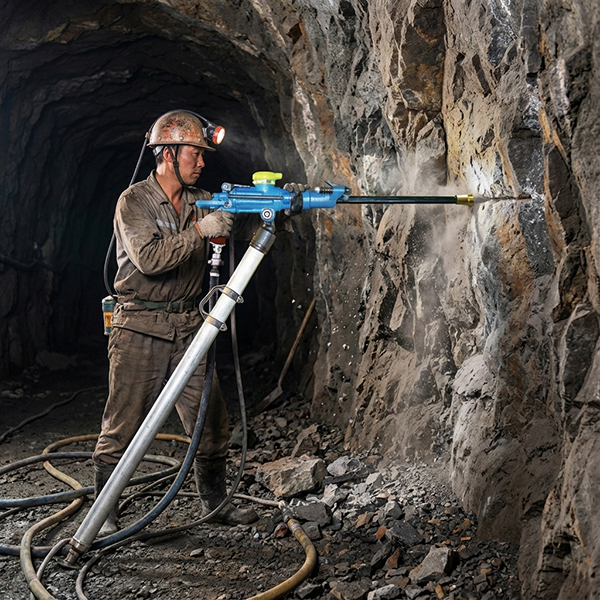
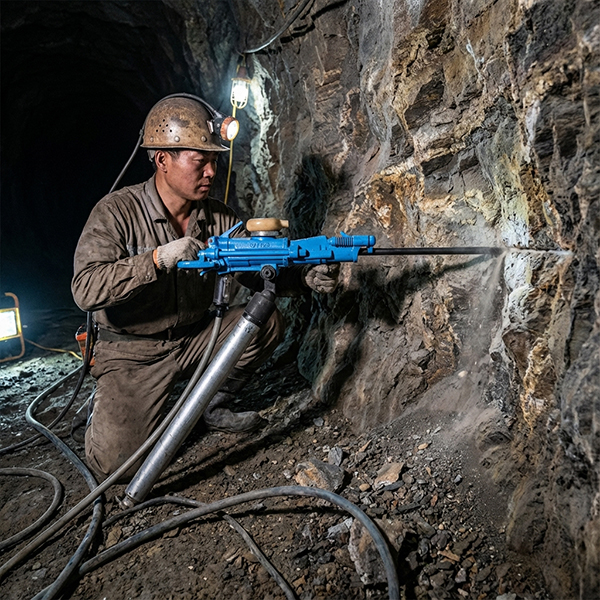
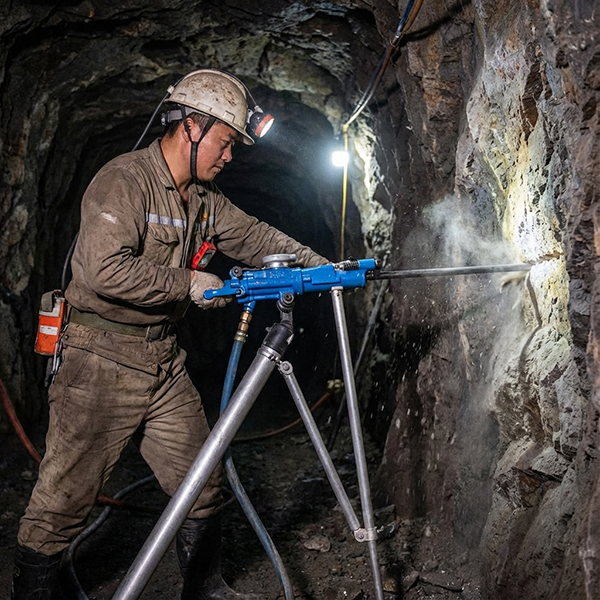
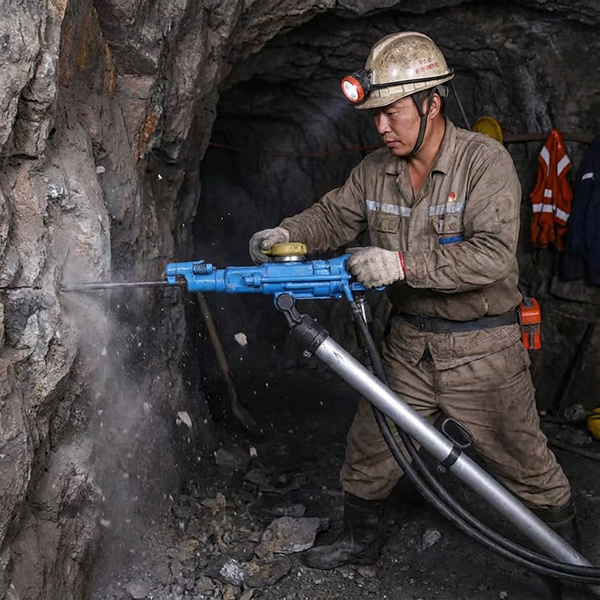
Most of the air-leg rock drills that define the mining and tunneling industry — the YT29, YT28, YT27, and 7655 — use 3/4-inch air inlets as standard. Not 1/2 inch, not 1 inch, but 3/4 inch. This isn't arbitrary. These drills consume between 2.5 and 4.5 m³/min of compressed air at 0.4–0.63 MPa, and a 3/4-inch port provides the right flow cross-section to deliver that volume without creating a bottleneck at the inlet.
The implication is straightforward: if you're running air-leg rock drills, you need 3/4-inch couplings. And if you're running them every day, you need more than one.
The Connection Nobody Plans For
Here's a scenario we hear about regularly. A mining crew in West Africa starts a new tunnel drive. They've got their drills, their compressors, their bits — everything sorted. Day one goes well. Day two, one of the drill operators notices reduced impact power. They check the compressor — fine. They check the hose — fine. The problem? A hairline leak at the coupling where it meets the drill's inlet. The thread seal has degraded from months of storage in a humid container.
They didn't have a spare coupling. They improvised with Teflon tape and thread compound, which worked for about two shifts before leaking again. Eventually someone drove three hours to the nearest town and bought a plumbing fitting that was almost the right size.
Total downtime: roughly 4 shifts. Revenue lost: significantly more than the cost of a box of BDL123s.
This isn't a rare story. It's the default experience for crews that don't stock consumable fittings. The BDL123 costs under $0.90. One day of downtime costs more than a hundred of them.
Designed for Daily Use
The BDL123 isn't a precision laboratory fitting. It's a work-site component built to handle the conditions that actual drilling crews deal with:
Brass construction resists the moisture-laden compressed air that causes ferrous fittings to rust from the inside
Standard G3/4 (BSPP) threads match the port specifications of the most common air-leg rock drill models worldwide
Clean internal bore with no burrs or flash that could restrict air flow or damage thread seals
Reasoned wall thickness — thick enough for durability, not so thick that it becomes stiff and brittle
The recommended sealing method is PTFE (Teflon) tape, 2–3 wraps applied to the male threads in the direction of tightening. This gives you a clean, reliable seal that's easy to inspect and replace.
Matching Your Equipment
The BDL123 is the right choice when your equipment has a 3/4-inch male-threaded air inlet. Here's a quick reference:
| Equipment | Air Inlet Thread | Recommended Female Coupling |
|---|---|---|
| YT29 air-leg rock drill | G3/4 male | BDL123 |
| YT28 air-leg rock drill | G3/4 male | BDL123 |
| YT27 air-leg rock drill | G3/4 male | BDL123 |
| 7655 air-leg rock drill | G3/4 male | BDL123 |
| Y24 hand-held drill | G1/2 male | BDL122 (1/2") |
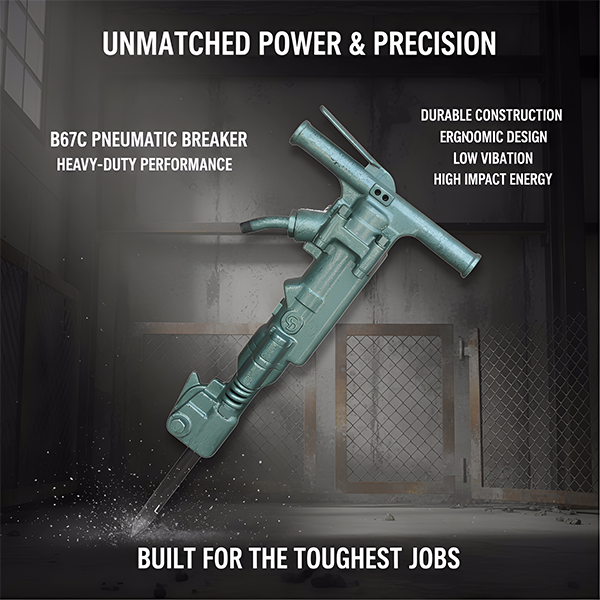
| B47 pneumatic breaker | G1/2 male | BDL122 (1/2") |
If you're running a mixed fleet, keep both BDL122 (1/2") and BDL123 (3/4") in your parts inventory.
Technical Specifications
| Specification | Detail |
|---|---|
| Product Code | BDL123 |
| Type | Interno (female/internal thread coupling) |
| Thread Size | 3/4 inch (G3/4 / BSPP) |
| Thread Gender | Female (internal) |
| Working Pressure | 0.4–0.63 MPa |
| Material | Brass |
| Sealing Method | PTFE tape (2–3 wraps) |
| Primary Application | Air-leg rock drill air inlet connection |
| Unit Price (EXW) | ~$0.90 USD |
Frequently Asked Questions
Q: My drill manual says "3/4 inch BSP" — is that the same as G3/4? Yes. BSP (British Standard Pipe) parallel threads are designated as "G" in international standards (ISO 228-1). G3/4 and 3/4" BSP are the same thread. The BDL123 matches both.
Q: I'm losing drill performance. Could a coupling issue cause this? Absolutely. Even a small air leak at the coupling — the kind you can barely hear over the compressor noise — can reduce system pressure enough to noticeably decrease impact energy. Run a soap-bubble test on all connections. If you see bubbles, reseal or replace the coupling.
Q: Can I use thread sealant (liquid) instead of Teflon tape? Yes, both work. Teflon tape is more common in field conditions because it's cleaner and easier to apply correctly. Liquid thread sealant can be more effective on damaged or slightly worn threads, but requires curing time and makes future disassembly harder. For a consumable coupling like the BDL123, tape is the practical choice.
Q: How do I know if my threads are BSPP or NPT? The most reliable way is to check your equipment documentation. If that's not available, measure the thread's outer diameter at the third thread from the end. G3/4 BSPP should measure approximately 26.44 mm. 3/4" NPT should measure approximately 26.57 mm. The difference is small — which is exactly why mixing them up causes so many problems.