
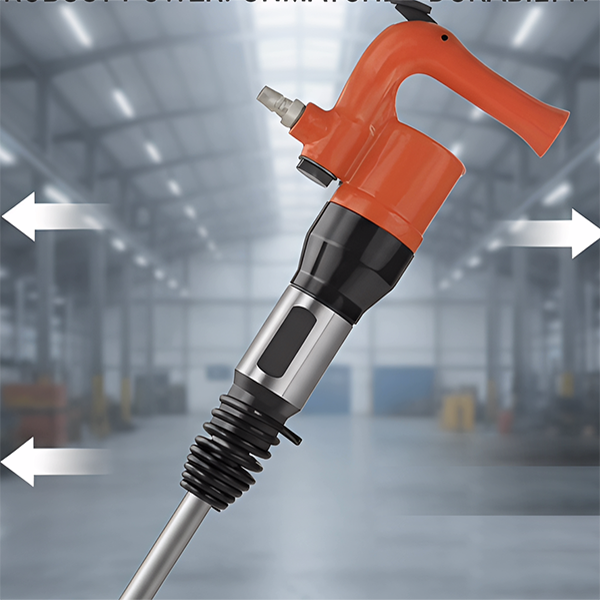
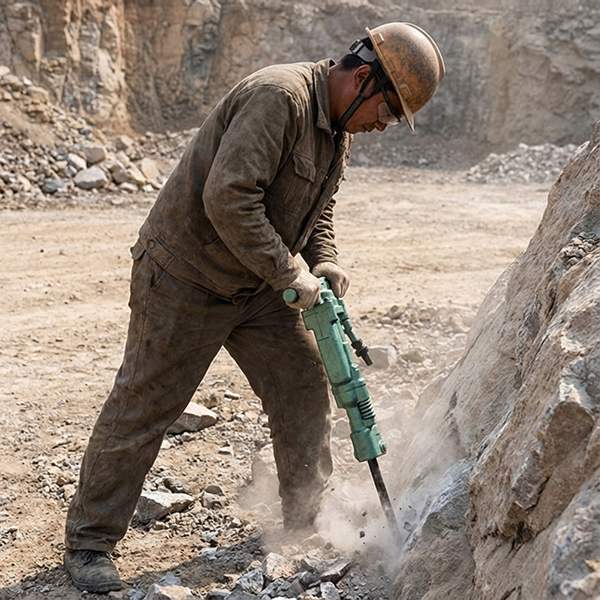
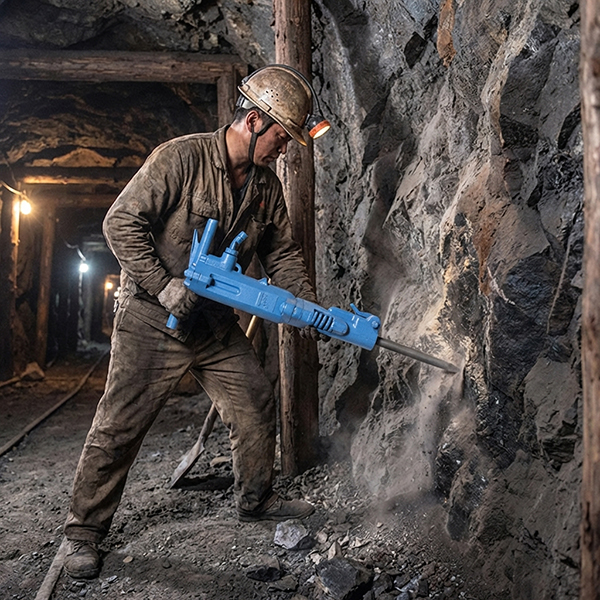
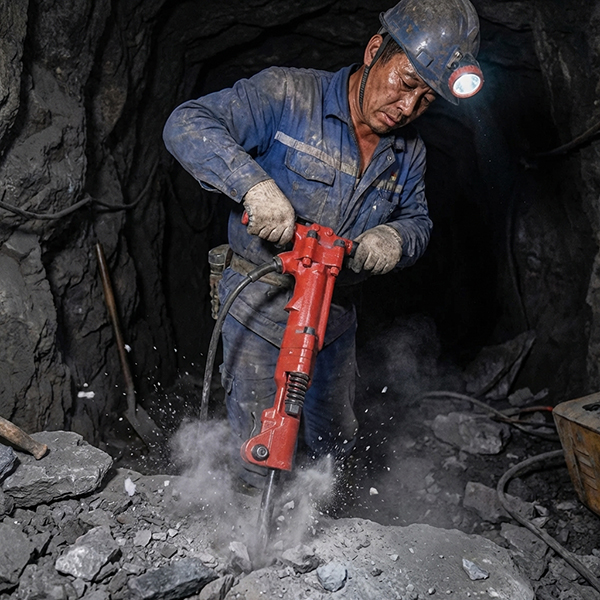
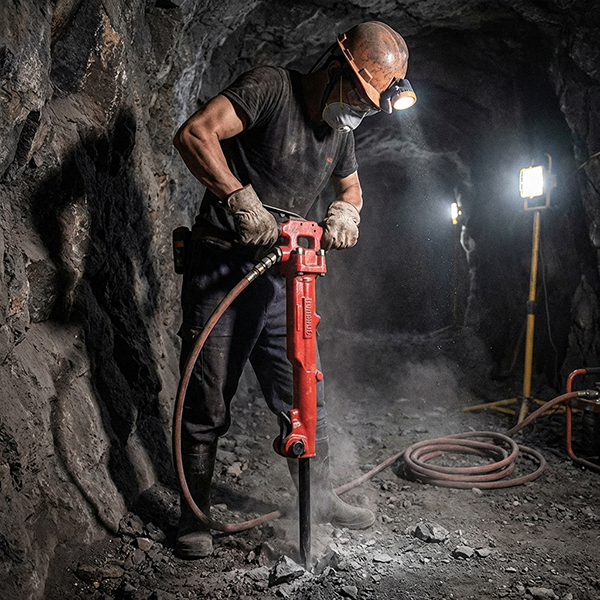
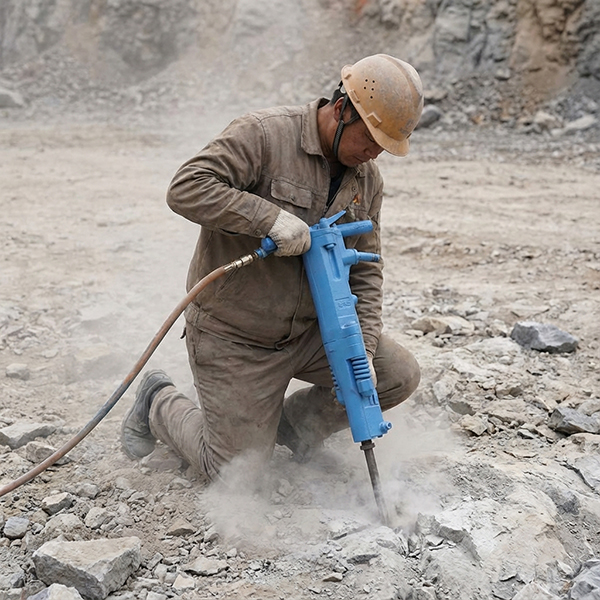
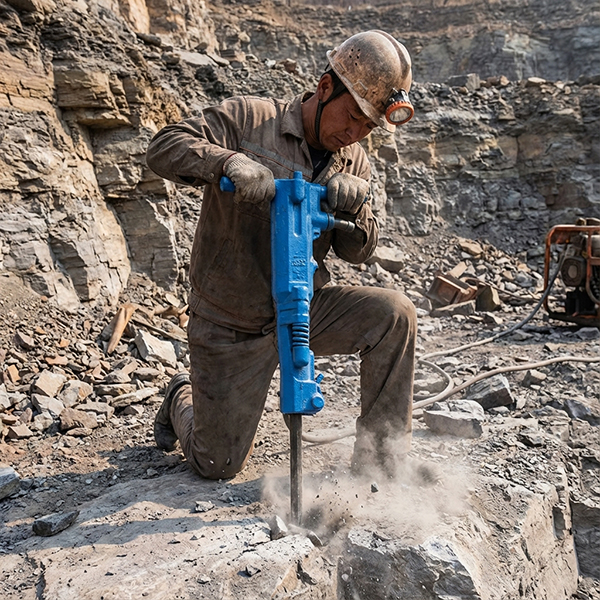
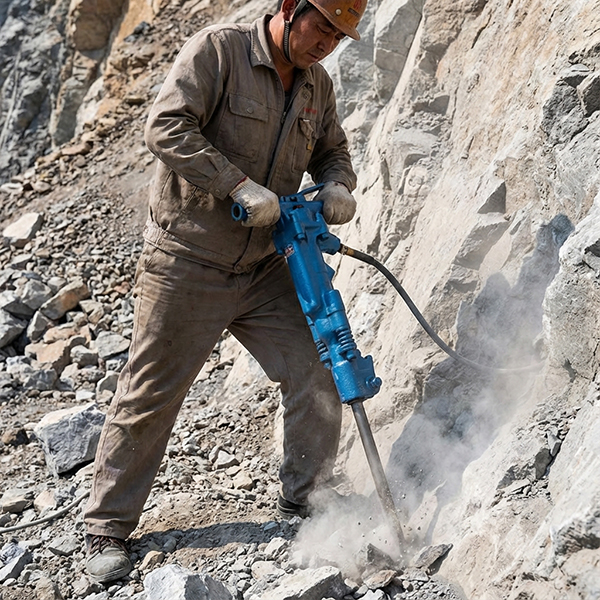
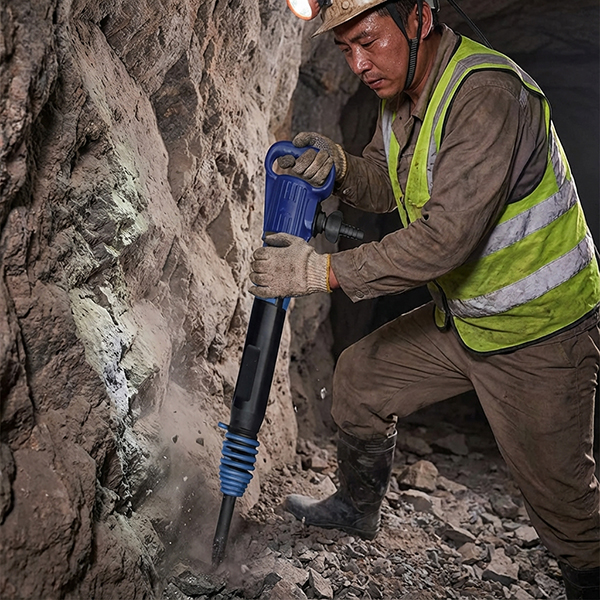
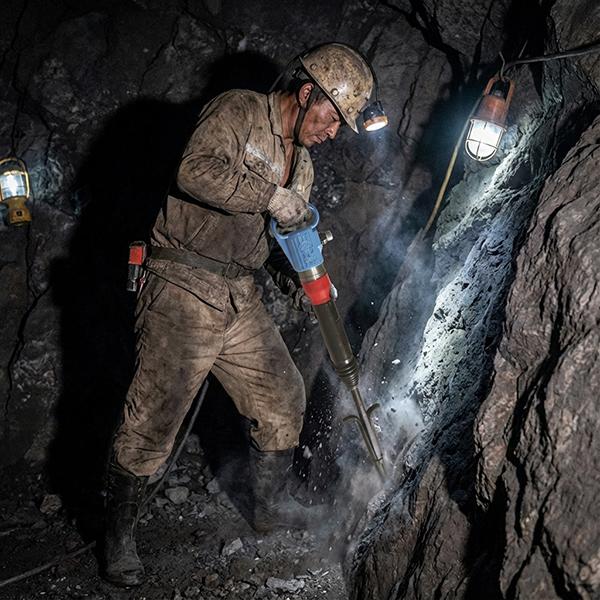
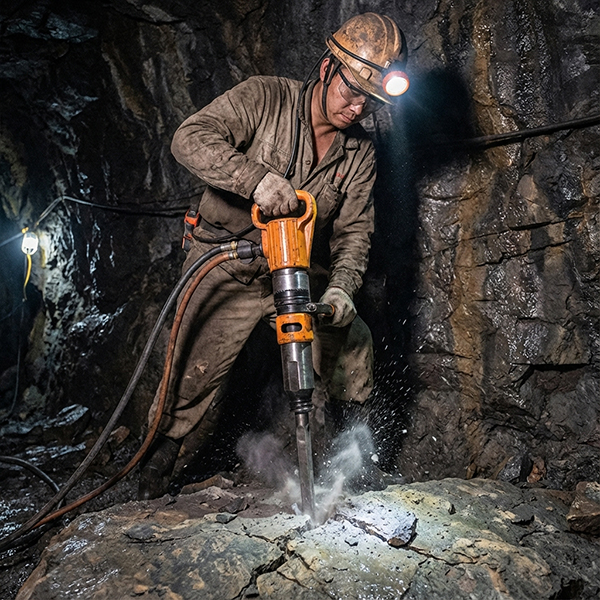
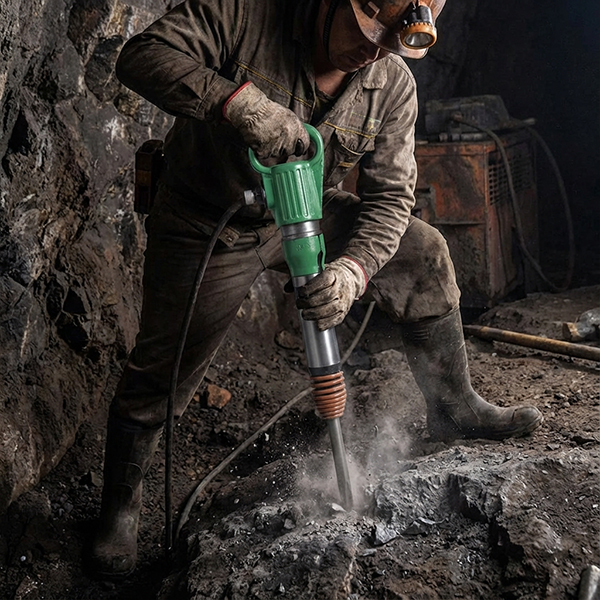
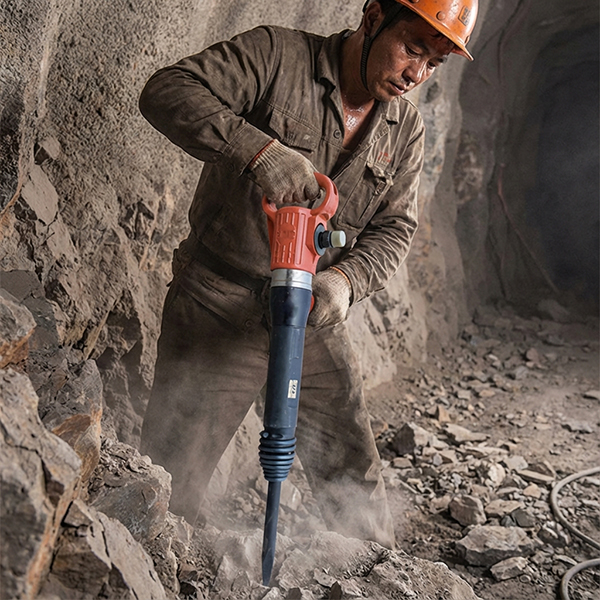
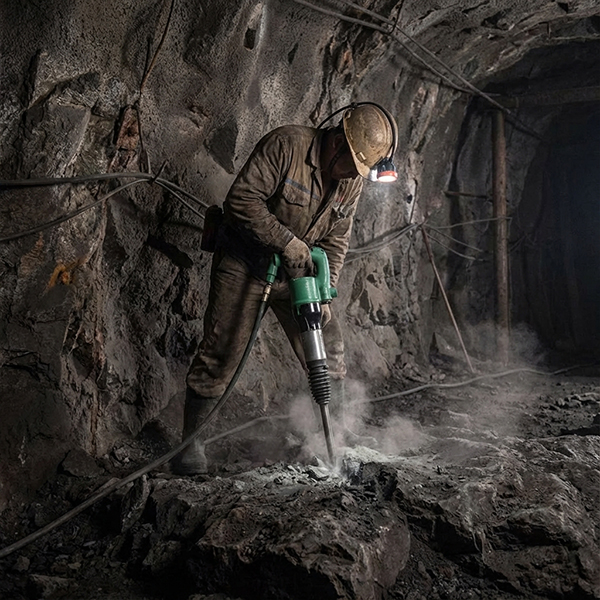
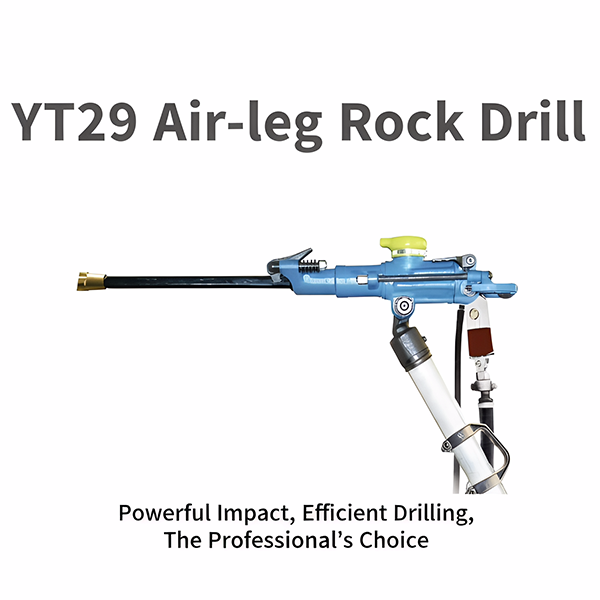
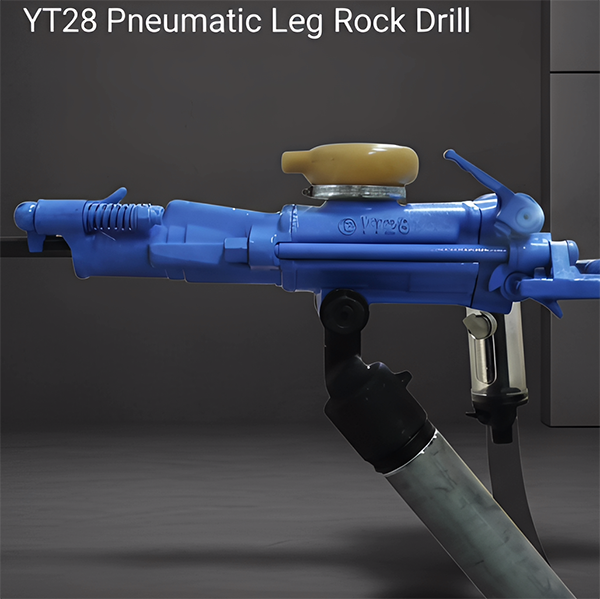
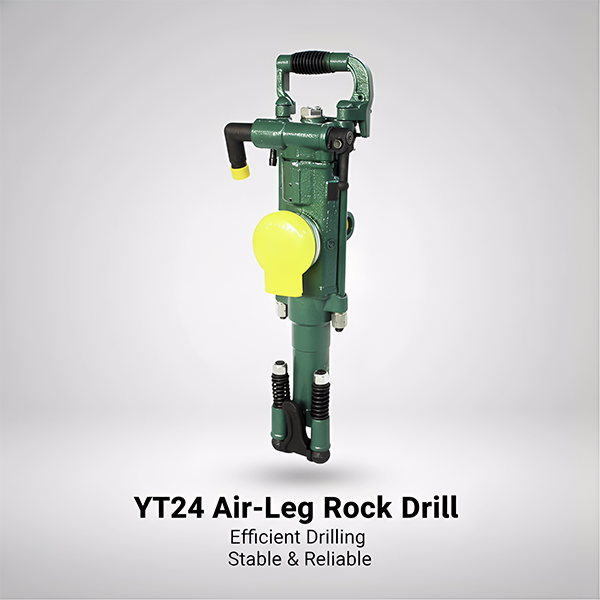
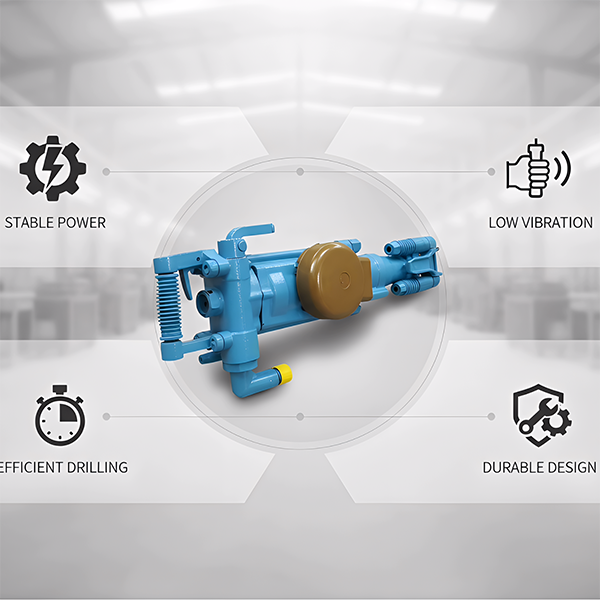
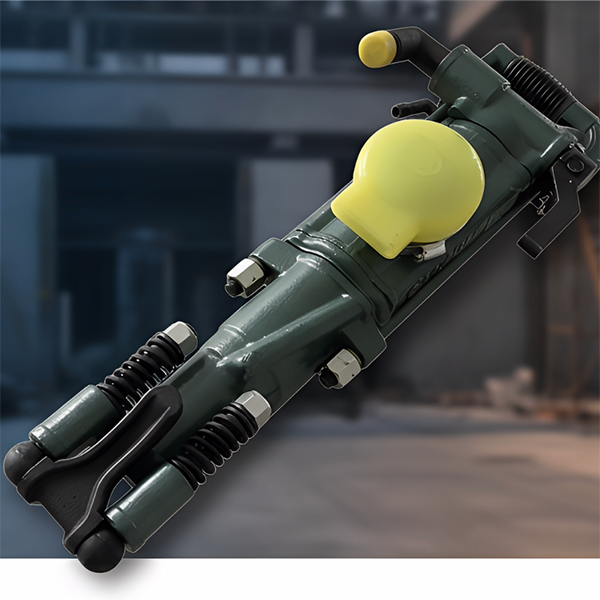
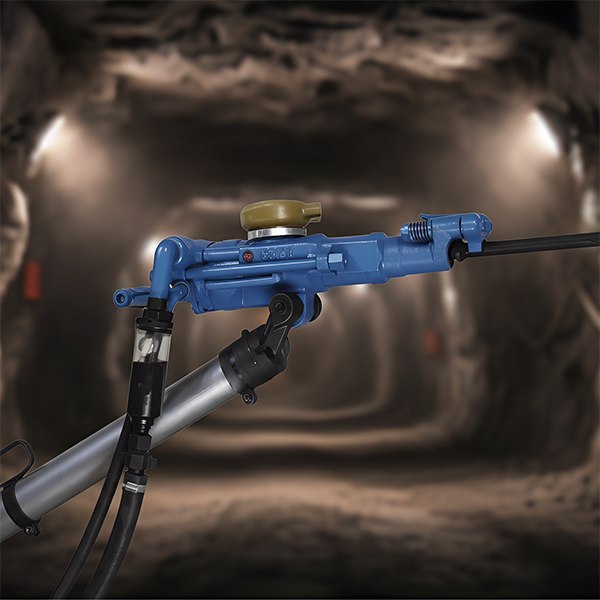
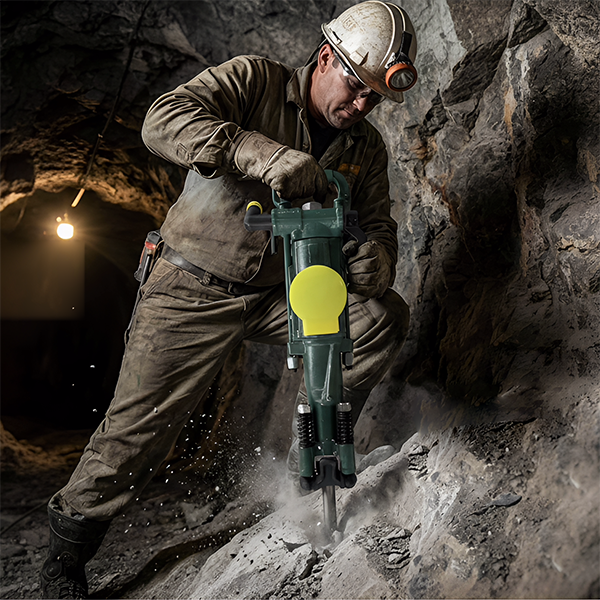
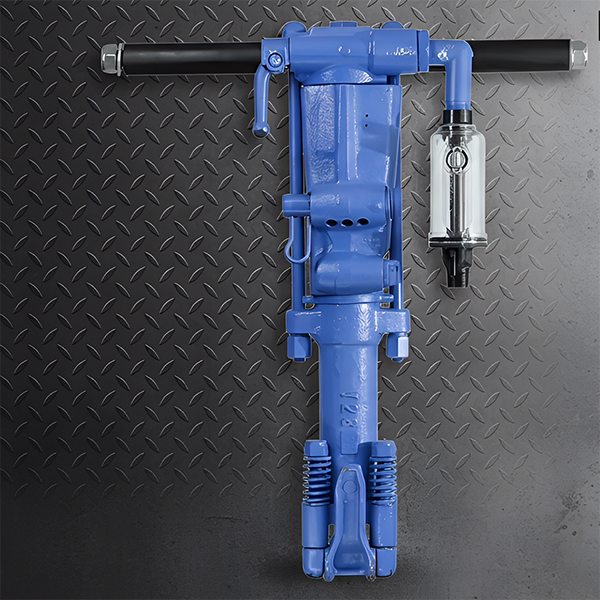
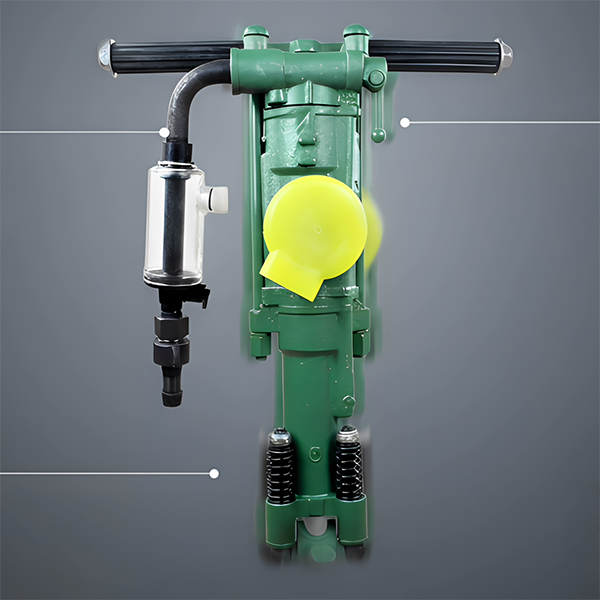
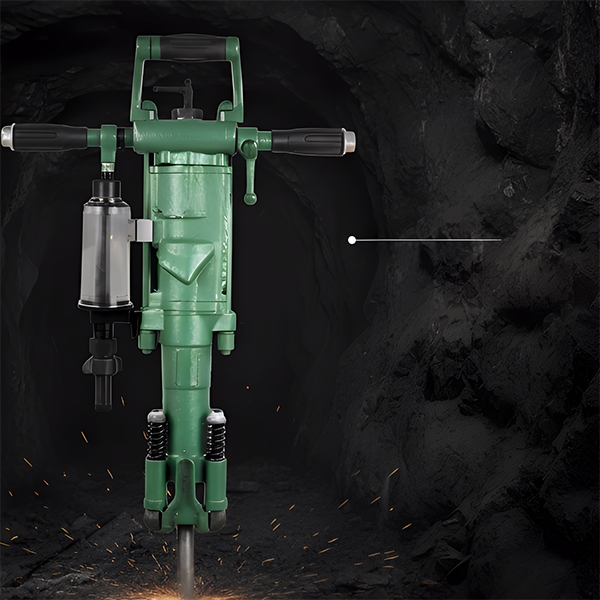
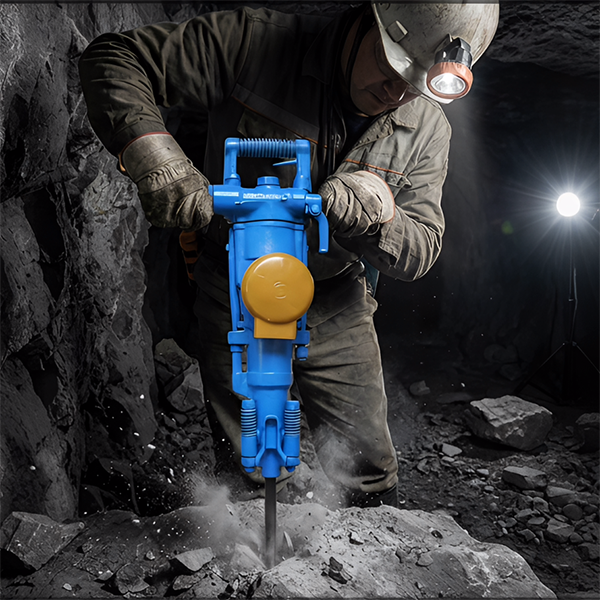
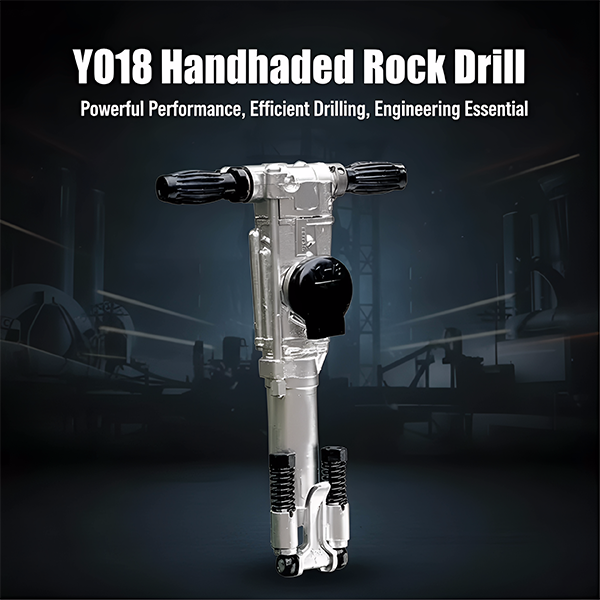
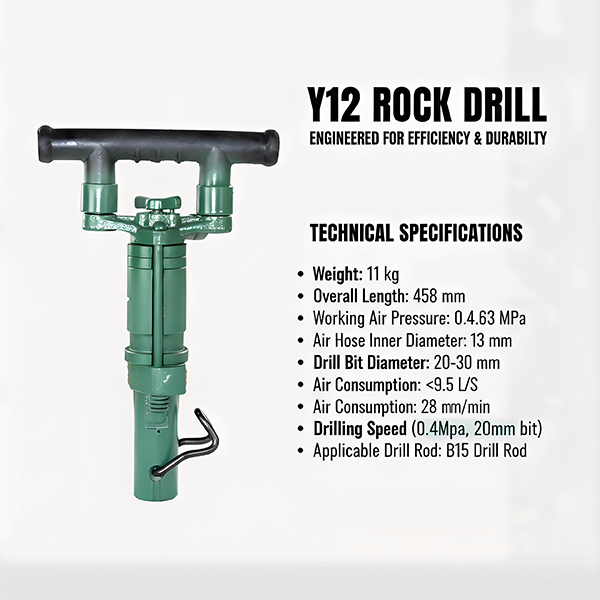
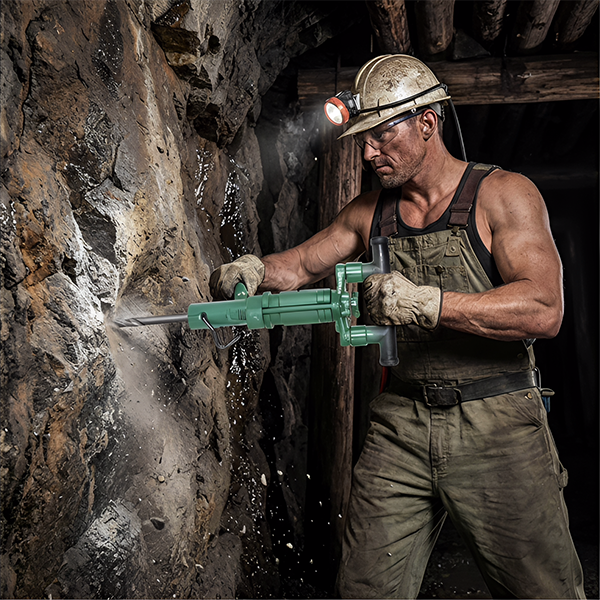
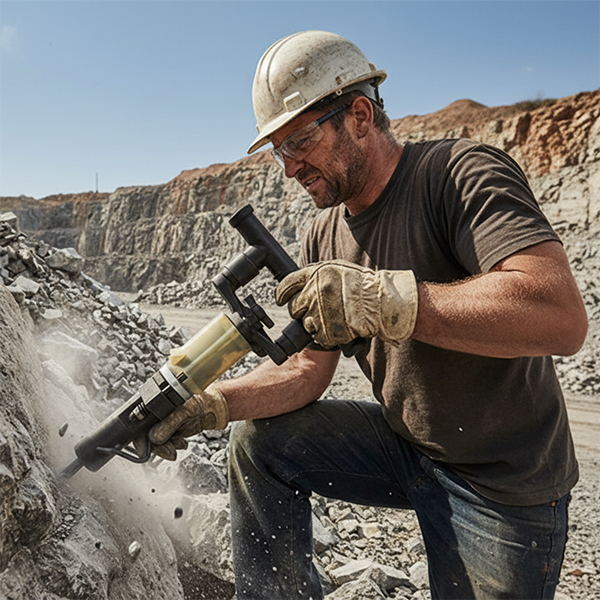
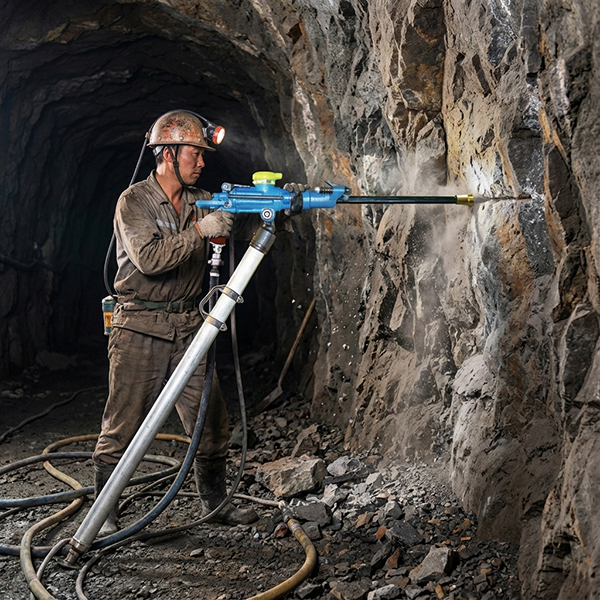
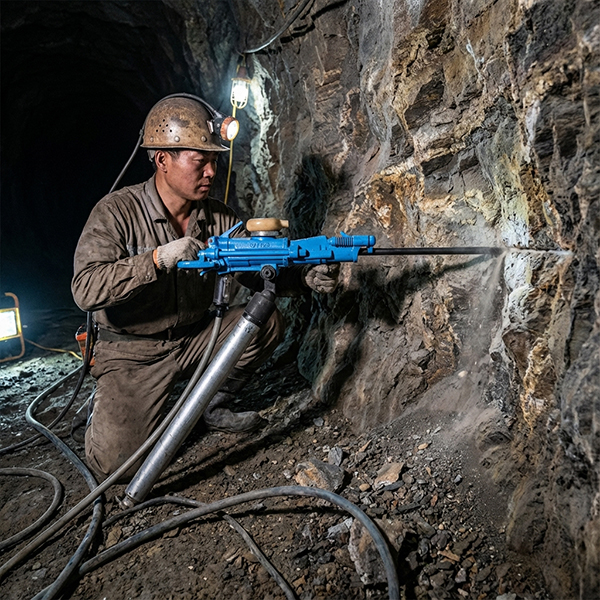
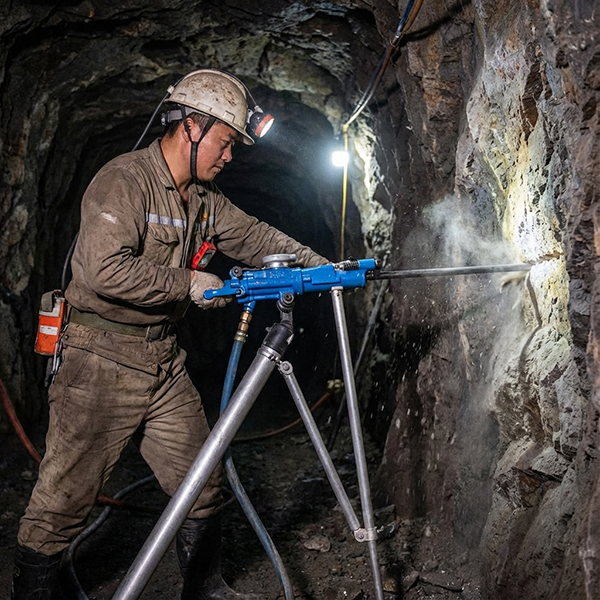
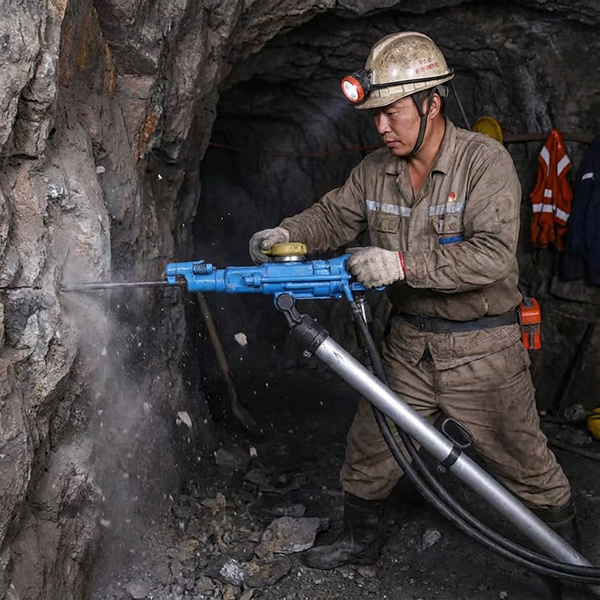
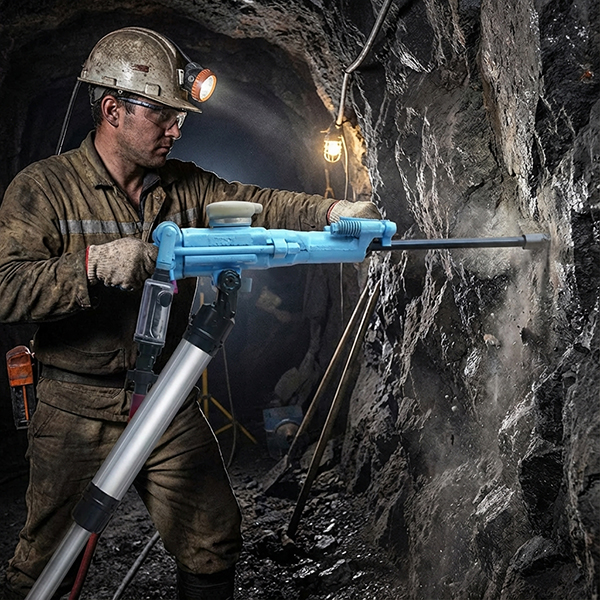
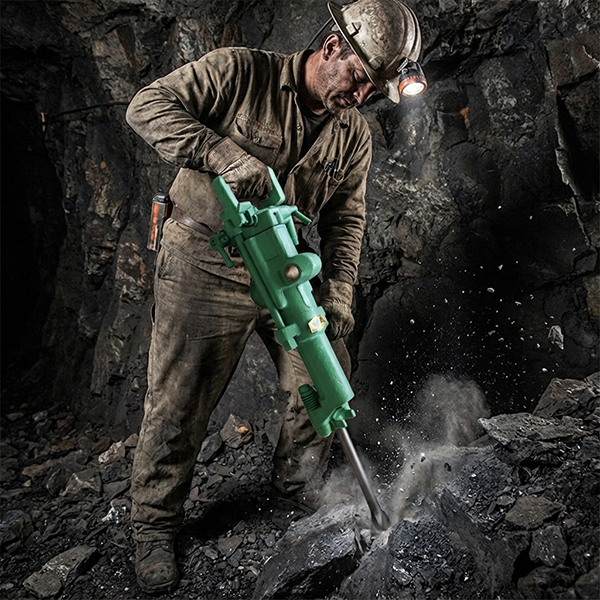
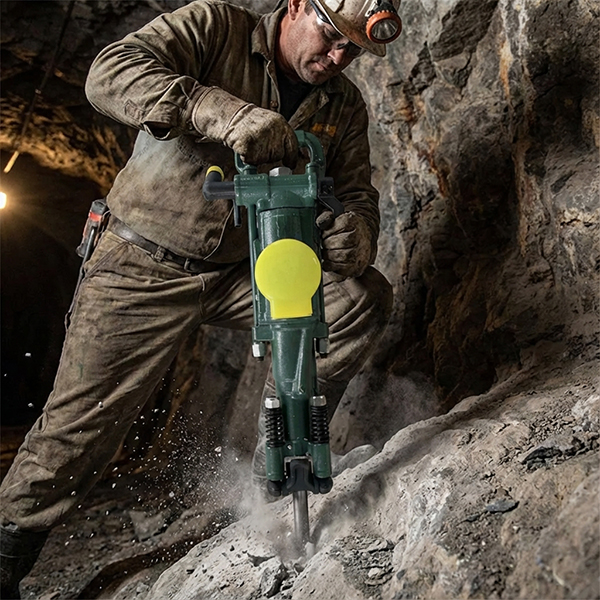
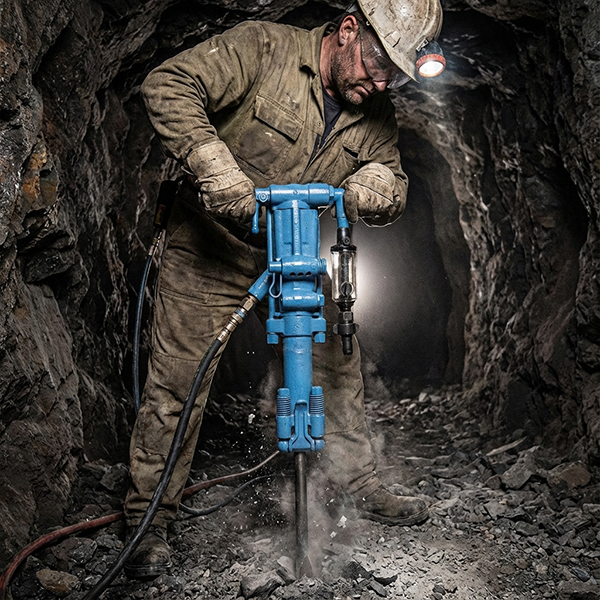
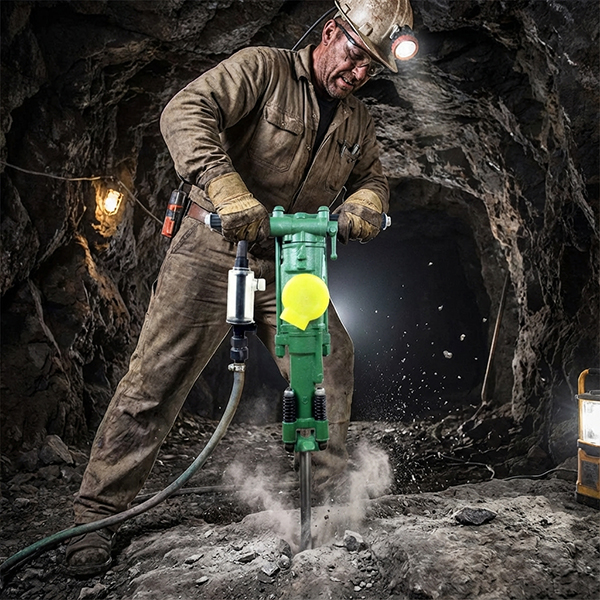
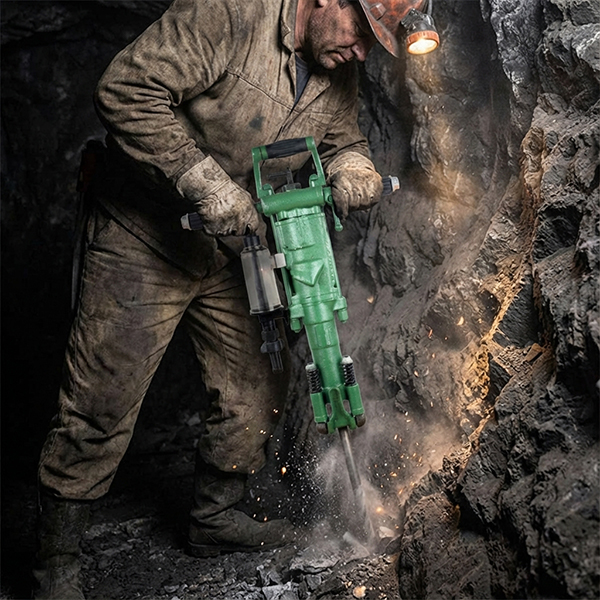
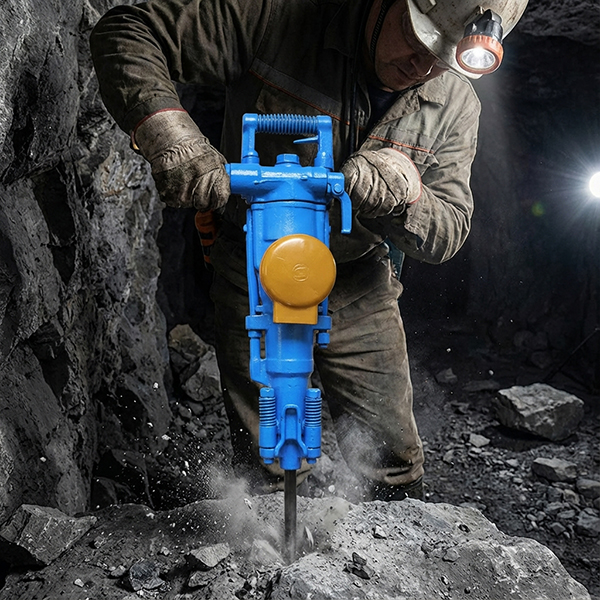
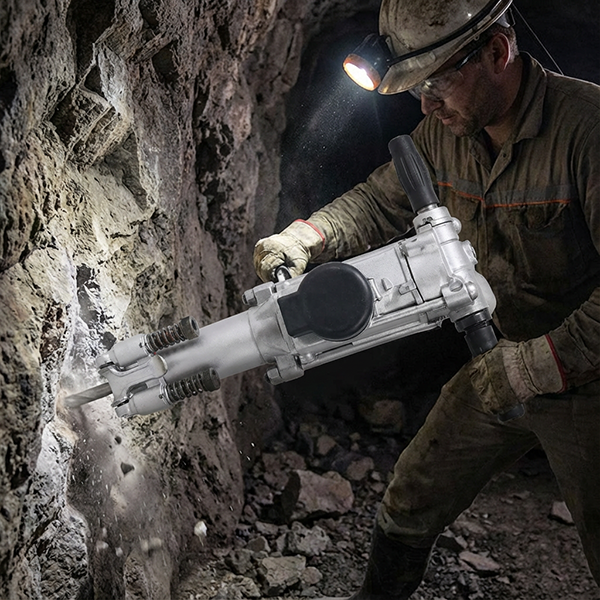
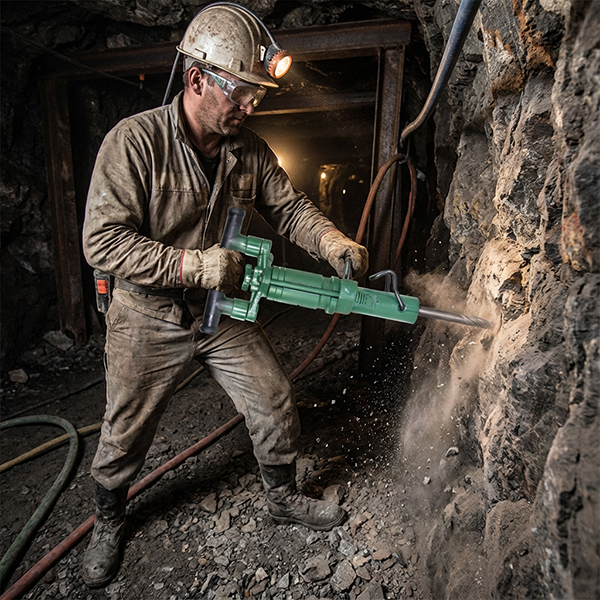
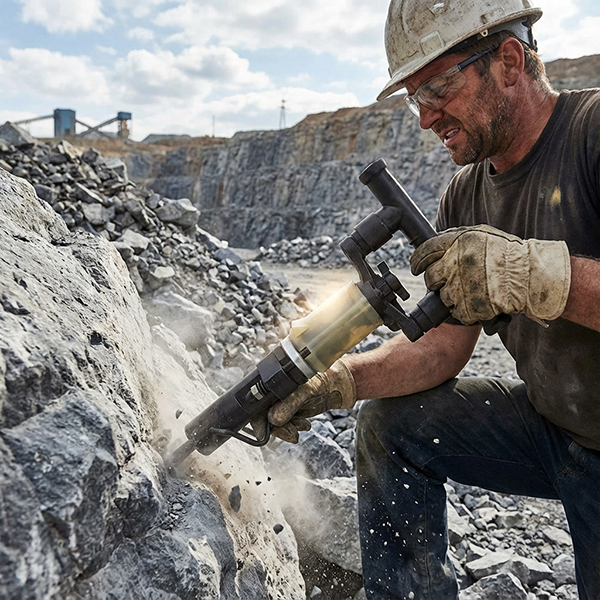
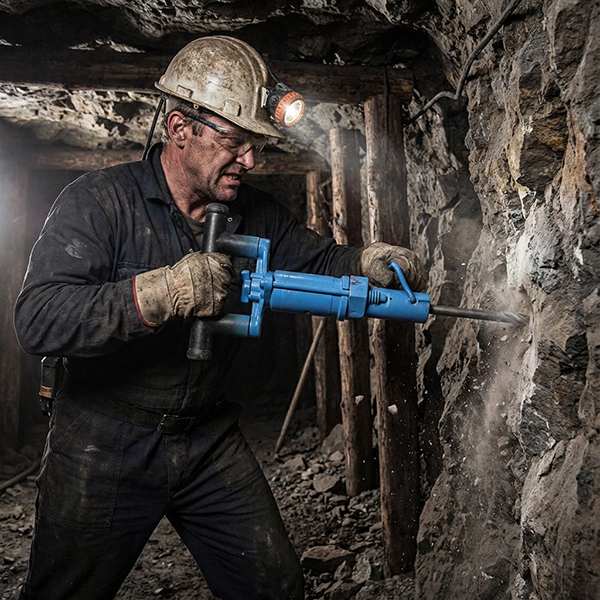
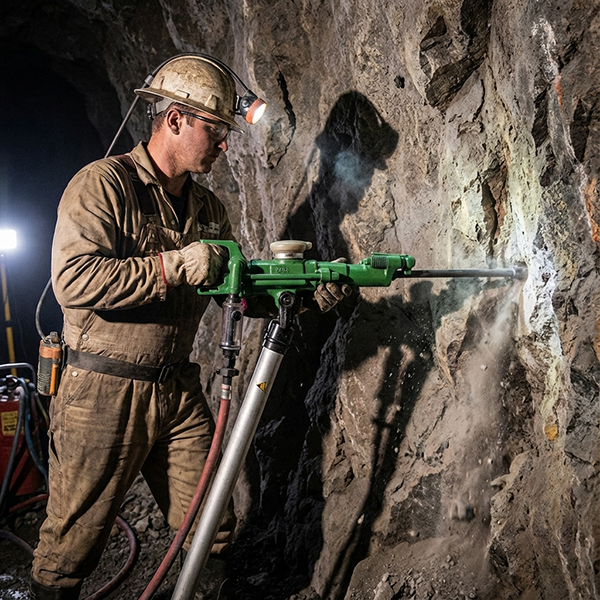
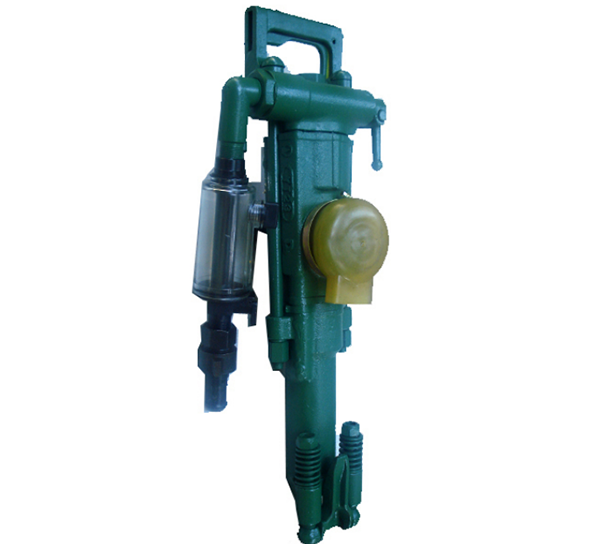
Looking for a compact, tough Pneumatic jack hammer that crews actually like using underground? The YT23D air‑leg rock drill hits that sweet spot: 24 kg weight, 668 mm overall length, a 70 mm cylinder with a 70 mm piston stroke, and an impact frequency of ≥28 Hz (about 1,680 blows/min). Paired with an air‑leg, it steadily drills 34–42 mm holes in medium to hard rock (f≈8–18) to typical depths around 5 m, while staying easy to service and predictable to run.
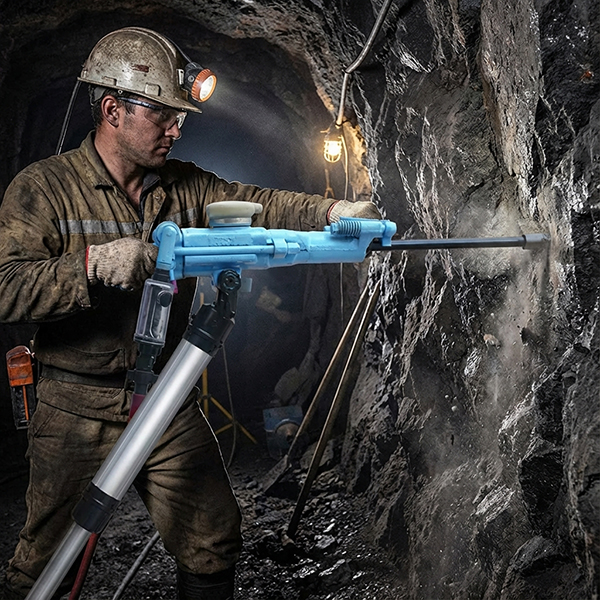
What this means on the face: at 0.45–0.55 MPa working pressure (within its 0.35–0.63 MPa range), the YT23D delivers fast, controlled penetration, modest air consumption (≤38 L/s ≈ 2.28 m³/min ≈ 80 cfm), and simple daily care via the FYzooA in‑line oil lubricator (200 ml). It’s a hand held jack hammer when you need to collar or work tight spots, and a highly capable air‑leg drill for production holes.
Key specifications you’ll actually use
Weight: 24 kg; overall length: 668 mm
Operating air pressure: 0.35–0.63 MPa; best practice: 0.45–0.55 MPa
Impact frequency: ≥28 Hz (≈1,680 blows/min)
Cylinder diameter / piston stroke: 70 mm / 70 mm
Air consumption: ≤38 L/s (≈2.28 m³/min, ≈80 cfm)
Bit shank: 22 × 108 mm (tapered hex)
Drilling diameter: 34–42 mm
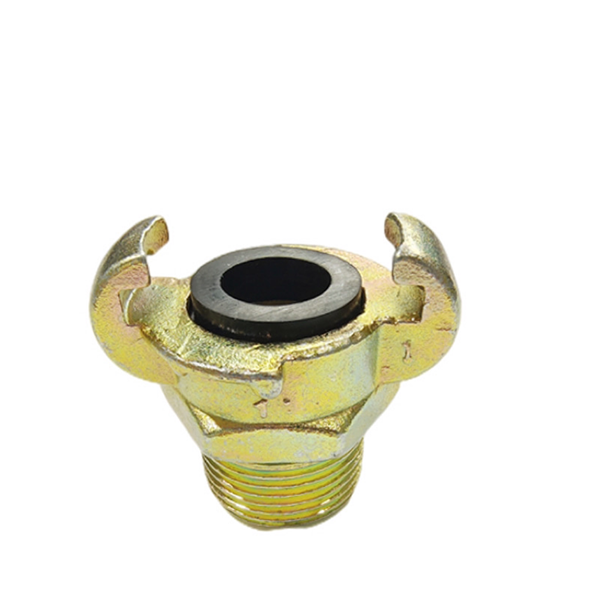
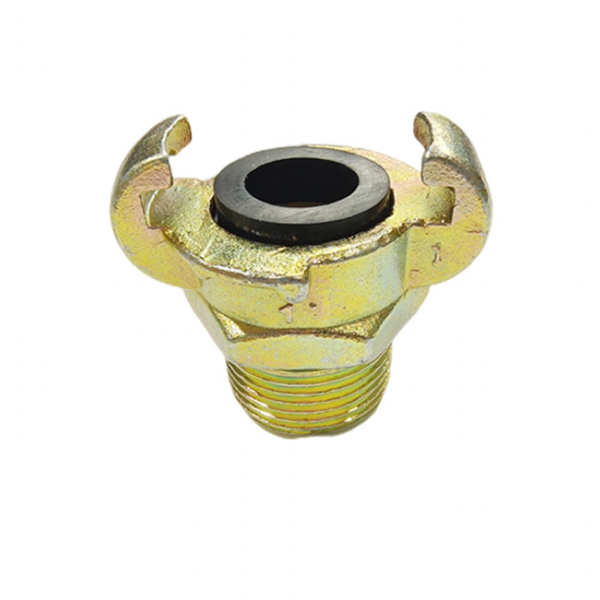
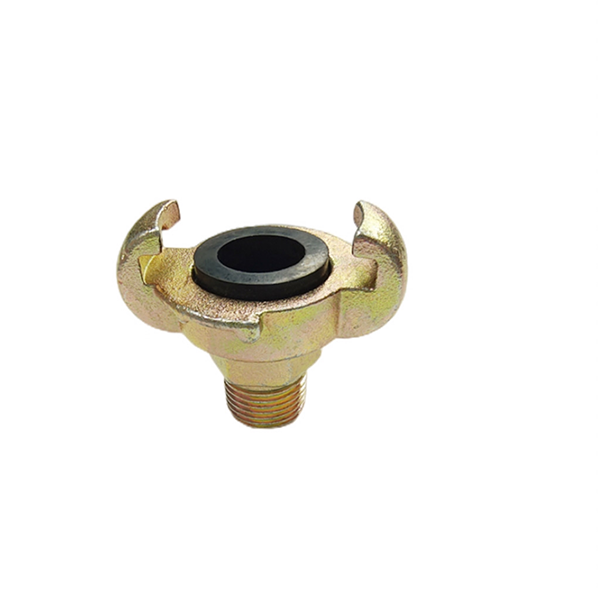
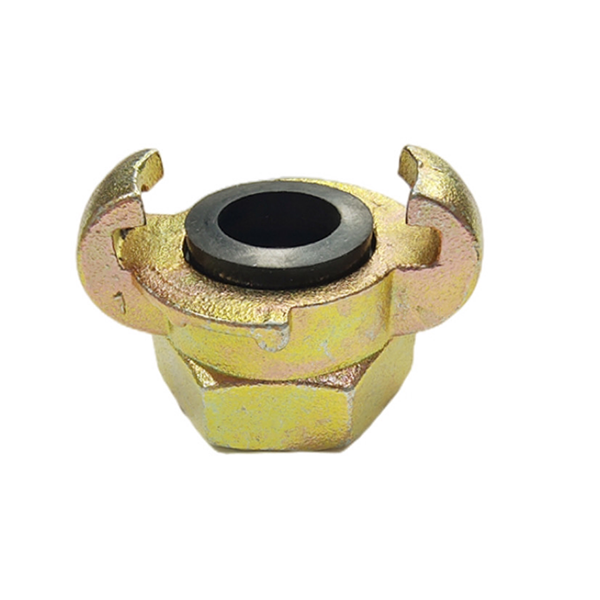
Inner diameter of air pipe: 19 mm
Lubricator: FYzooA, oil capacity 200 ml
Where the YT23D Pneumatic jack hammer fits best
Mining drifts and headings, tunnel faces, general rock excavation
Medium to hard rock (f≈8–18), wet drilling for dust control and better flushing
Standard blast patterns with 34–42 mm bits; hole depth commonly up to ~5 m with the air‑leg
Sites that value simple, safe pneumatics over complex powerpacks
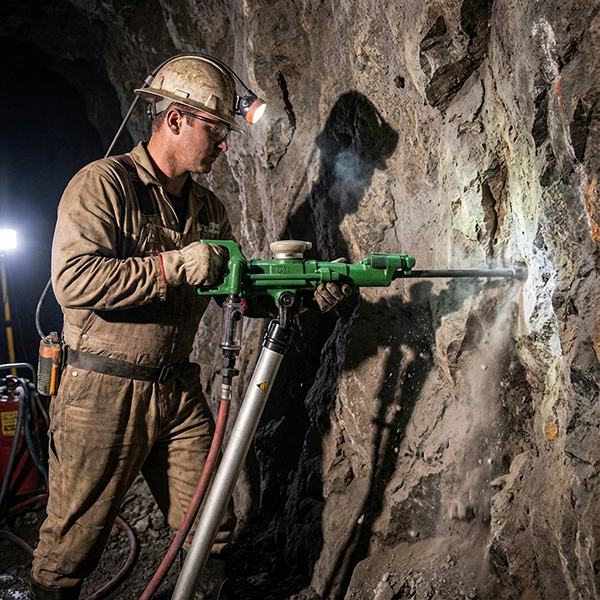
How this hand held jack hammer works for you Compressed air drives the 70 mm piston at ≥28 Hz. Each stroke transfers energy into the 22 × 108 mm shank; between blows, the drill rotates the steel and water/air flush clears cuttings. The 70 × 70 mm cylinder/stroke pairing balances blow energy and speed. In practice, that combination maintains penetration even as the hole deepens, provided the air stays in the 0.45–0.55 MPa band and the air‑leg thrust is set correctly.
Field‑tested setup and operating routine
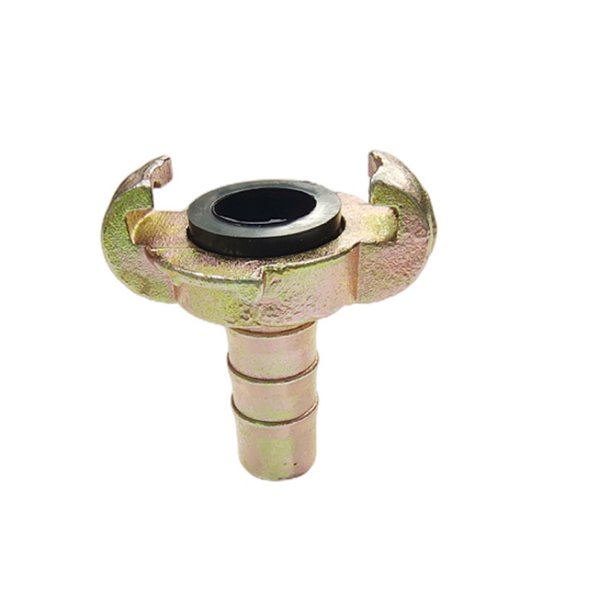
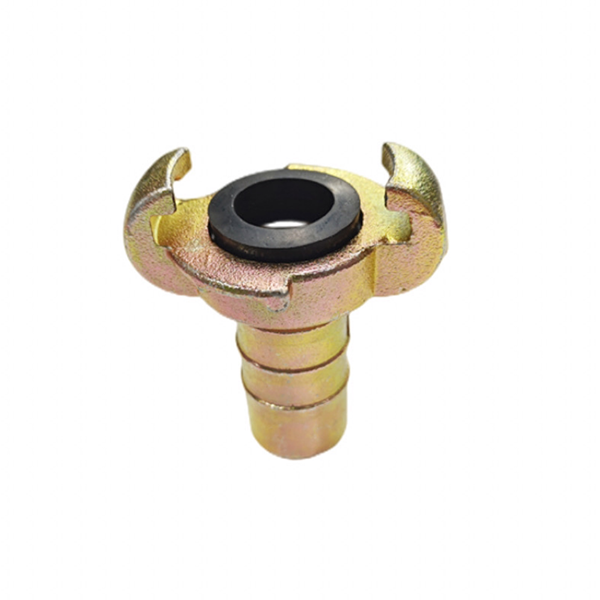
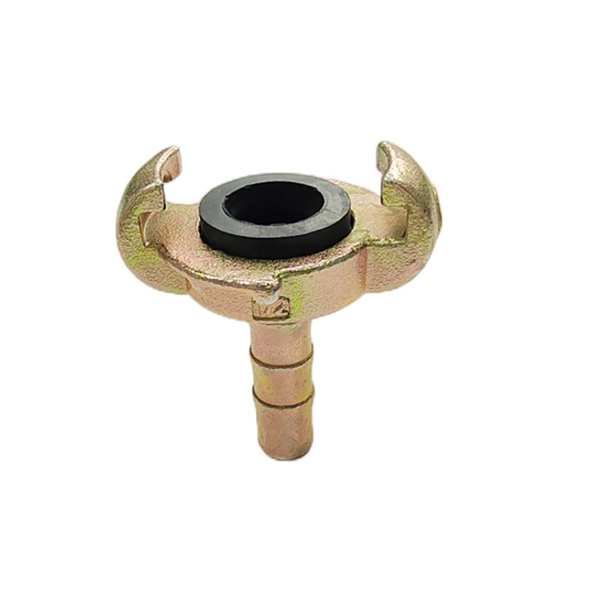
Before hookup: blow out the 19 mm air hose and couplings; grit inside lines will score internals. Check all threaded joints and the control handles for tightness and smooth action.
Fill and set oil: load the FYzooA lubricator (200 ml) and adjust flow to ~3–4 ml/min. You should see a light oil mist at the exhaust and a thin film on the shank tail during work. Never use grease.
Start sequence: close control valves, then connect air and water. Open small air first, then water. Warm up on small air 2–3 minutes after a rebuild/new setup; routine starts can run 3–5 minutes at light throttle. Don’t let it free‑run at full speed.
Drilling technique: start with small air, build leg thrust gradually, then increase air. Don’t snap straight to full throttle—hard shocks can damage internals. Keep water pressure below air pressure (always), and maintain steady flushing.
If rotation slows: reduce air‑leg thrust via the regulator. If the steel stops rotating, stop drilling, clear the jam, then resume. The water needle must remain in place for proper flushing—do not remove it.
Pulling the steel: use half‑throttle to withdraw; avoid wrenching the drill at full air.
Shutdown: close water first, then run at light air briefly to dry the internals. Oil before storage; for long storage, strip, clean, oil, and store dry.
Daily checks that prevent downtime
Tie bolts: the two long tie‑bolt nuts can loosen with vibration—check and snug them during the shift.
Hoses and unions: re‑tighten air hose couplings; prevent hose‑whip incidents.
Flushing: verify the water needle is present and ports are clear. Poor flushing equals slow holes and stuck steels.
Lube confirmation: thin oil film on the shank tail and a light mist at the exhaust. If the exhaust runs bone‑dry, increase the FYzooA setting.
Air quality: dry, clean air at 0.45–0.55 MPa. Below ~0.4 MPa, drilling speed falls off; above ~0.55 MPa, wear accelerates.
Practical performance notes (what crews notice)
Consistent penetration with 34–42 mm bits thanks to ≥28 Hz impact and the 70 × 70 mm piston/cylinder set
Manageable recoil in the 24 kg class; the air‑leg takes the push‑load off the operator
Good compatibility with small mobile compressors: ≤38 L/s demand, 19 mm hose, 0.45–0.55 MPa working pressure
Typical hole depth to ~5 m; maintain water flush and steady thrust for best speed below 3 m and steady progress beyond
Customer‑focused Q&A
Q1: What compressor size do I need for this Pneumatic jack hammer?
The YT23D consumes ≤38 L/s (≈2.28 m³/min ≈ 80 cfm) at 0.35–0.63 MPa. In real jobs, spec at least 3.0 m³/min free air at ~0.5 MPa per drill to cover line losses, flushing, and any extra tools. Use a 19 mm inner‑dia air hose as the spec states.
Q2: What hole sizes and depths are realistic?
It’s purpose‑built for 34–42 mm holes. With an air‑leg and proper flushing, crews typically drill up to ~5 m; penetration slows progressively past ~3 m (normal for air‑leg drills).
Q3: What’s the sweet‑spot working pressure?
Keep it in the 0.45–0.55 MPa band (still within the 0.35–0.63 MPa rating). Below ~0.4 MPa the drill feels lazy; above ~0.55 MPa blow‑by and wear rise fast without much gain.
Q4: How should I set water pressure?
Always below the air pressure to prevent backflow into the cylinder and protect lubrication. Clean, neutral (soft) water is best. If you must use acidic/alkaline water briefly, oil the drill and run on light air for a short time afterward.
Q5: What steels and bits does it take?
22 × 108 mm tapered hex shank steels, 34–42 mm bits. Choose chisel for higher speed in hard rock and cross for easier collaring in jointed ground.
Q6: What’s the right oiling plan with the FYzooA lubricator?
The tank holds 200 ml. Set ~3–4 ml/min. At that rate you’ll refill roughly every hour—plan your shift around it. Never run dry, and don’t substitute grease.
Q7: My rotation slows or stops—what now?
First, reduce leg thrust via the regulator; too much push stalls rotation. If the steel won’t turn, stop, clear the jam, check flushing holes, confirm the water needle is in place, and verify the shank tail has a light oil film.
Q8: Any “don’ts” that really matter on this hand held jack hammer?
Don’t yank to full air at the start; ramp up. Don’t remove the water needle. Don’t run without oil. Don’t free‑run at high speed for long—2–3 minutes after assembly, 3–5 minutes for routine warm‑ups are enough.
Q9: How does a Pneumatic jack hammer like YT23D compare to hydraulic drills?
Pneumatics are simpler, safer in wet headings, and easier to service. They use more energy and run louder than hydraulic rigs, but for 34–42 mm holes to ~5 m, the YT23D offers excellent cost‑per‑hole and fast setup.
Q10: What do the model letters mean?
Y = rock drilling, T = air‑leg. “23” points to the weight/power class (this unit is 24 kg). “D” identifies the variant in the family.
Common mistakes and easy fixes
Water pressure equal to or above air pressure: causes backflow, kills lubrication, and slows drilling. Keep water below air, always.
Dirty air line: grit scores the cylinder and valves. Blow out the 19 mm hose and couplers before connecting.
Loose tie‑bolt nuts: check them mid‑shift; they tend to back off under vibration and can damage internals if ignored.
Dry exhaust: means oil feed is too low. Increase the FYzooA rate until you see a light mist and a film on the shank tail.
Spec recap (for quick quoting and procurement)
Weight 24 kg; length 668 mm
Air pressure 0.35–0.63 MPa (recommended 0.45–0.55 MPa)
Impact frequency ≥28 Hz
Cylinder 70 mm; piston stroke 70 mm
Air consumption ≤38 L/s (≈2.28 m³/min, ≈80 cfm)
Bit shank 22 × 108 mm; drilling diameter 34–42 mm
Air hose inner diameter 19 mm
Lubricator FYzooA; oil capacity 200 ml
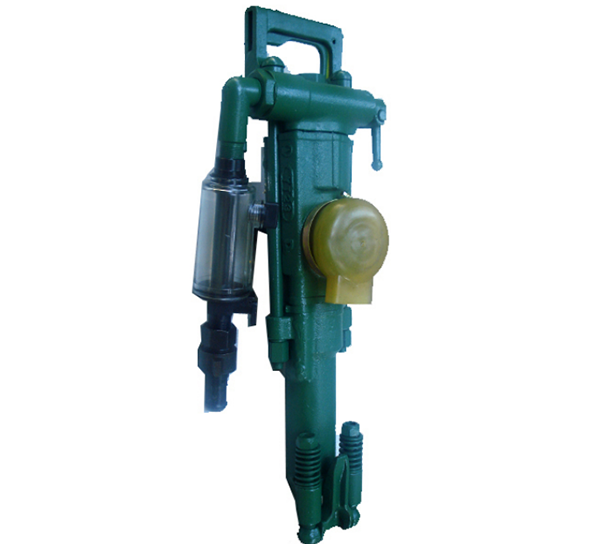
Closing thoughts If you want a straightforward, durable jack hammer that keeps pace on 34–42 mm holes without fuss, the YT23D is an easy recommendation. The numbers line up—24 kg, ≥28 Hz, 70 × 70 mm cylinder/stroke, ≤38 L/s air, 22 × 108 mm shank, 19 mm hose, FYzooA 200 ml lubricator—and the operating routine is simple: clean air, water below air pressure, steady oil at 3–4 ml/min, gentle start, and a short purge at the end. That’s the kind of Pneumatic jack hammer crews trust to get through a shift and still be ready for the next one.