
How the Rock Splitting Wedge Works
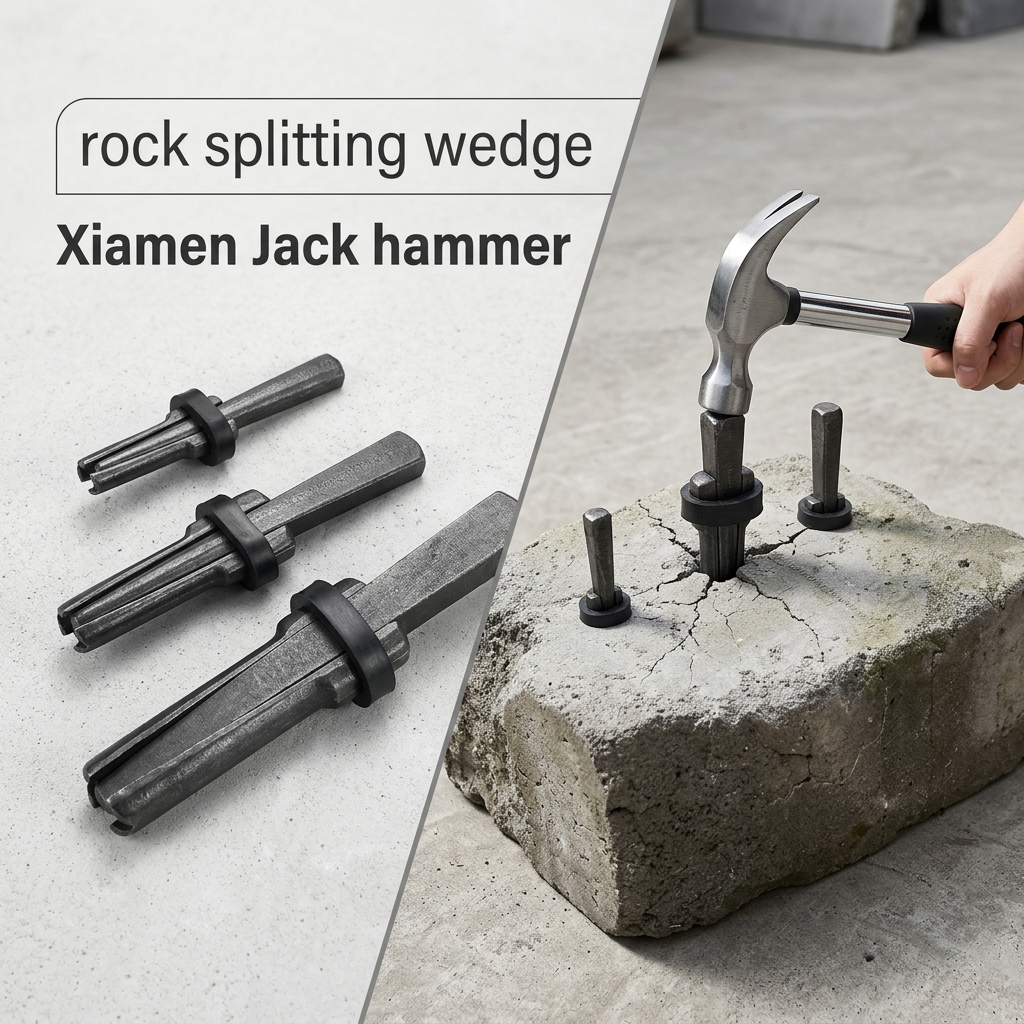
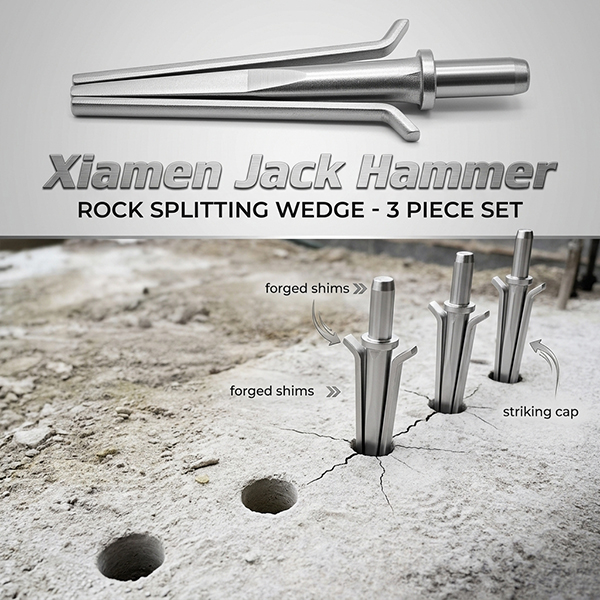
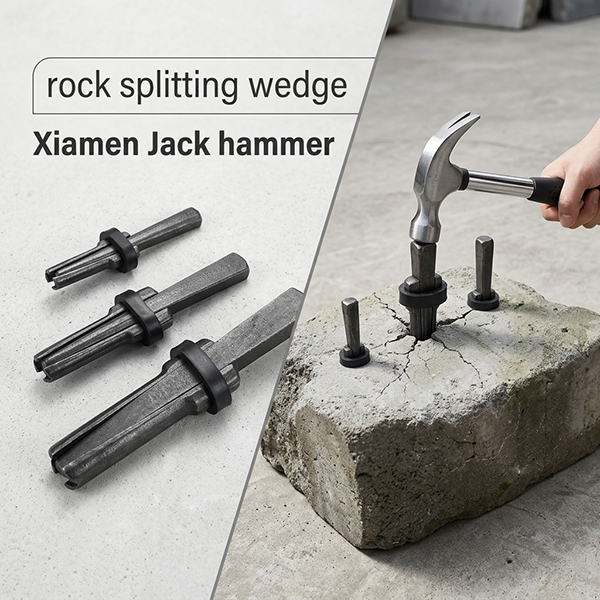
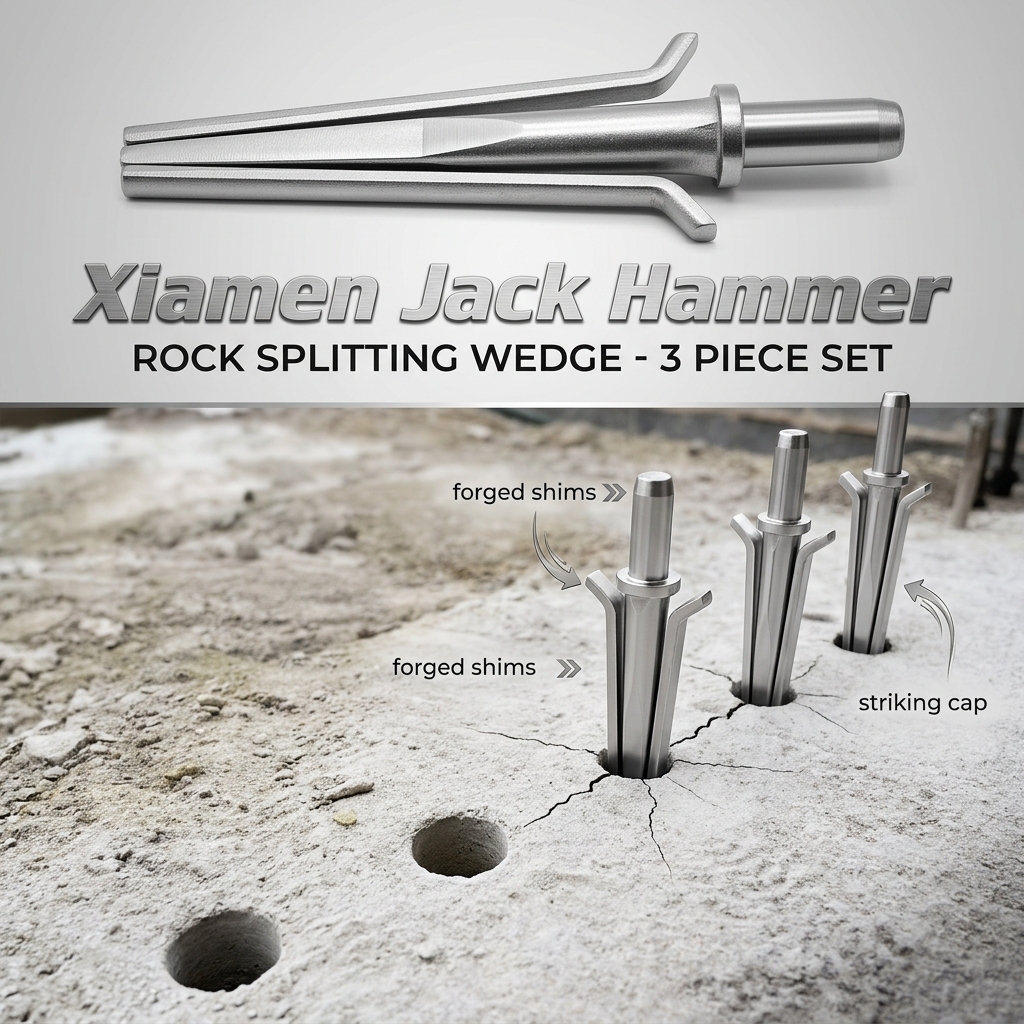
Each set consists of three pieces:
1 center wedge – the tapered middle piece
2 side shims (feathers) – the curved outer pieces
The working process is:
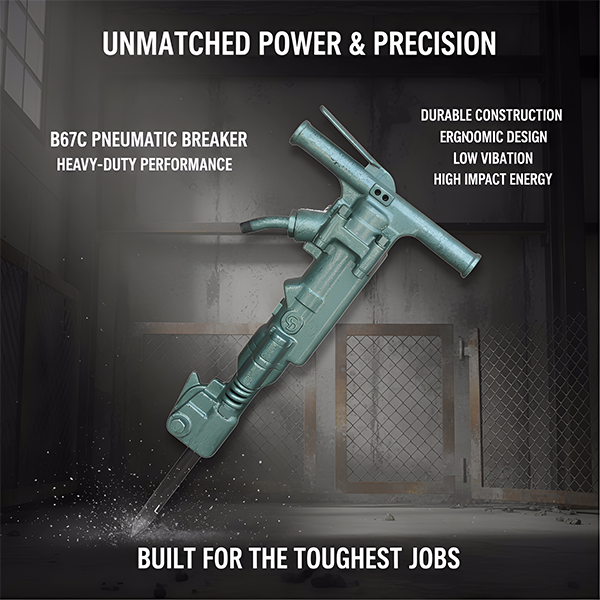
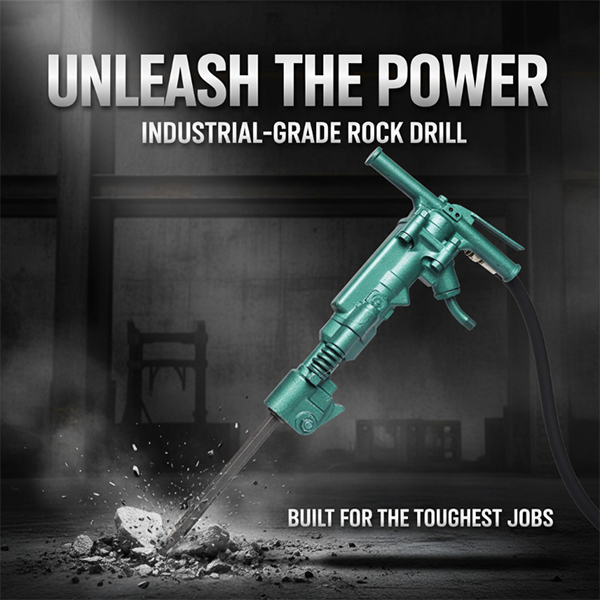
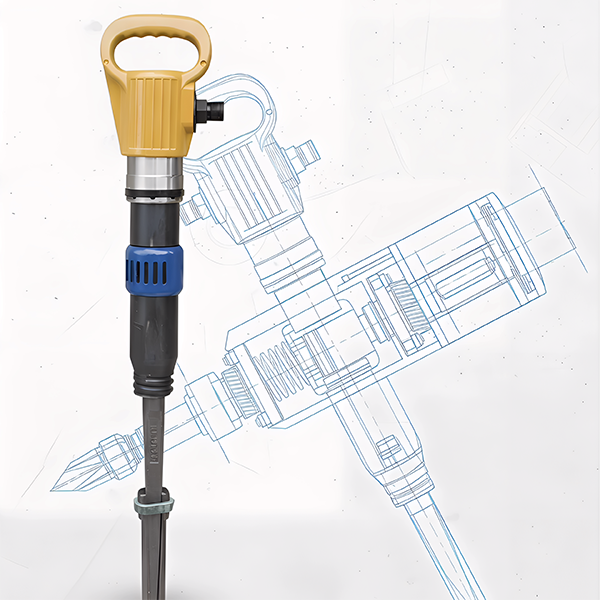
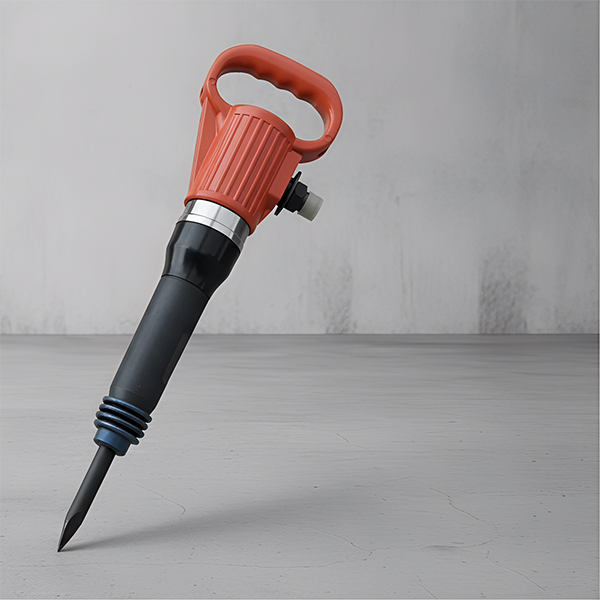
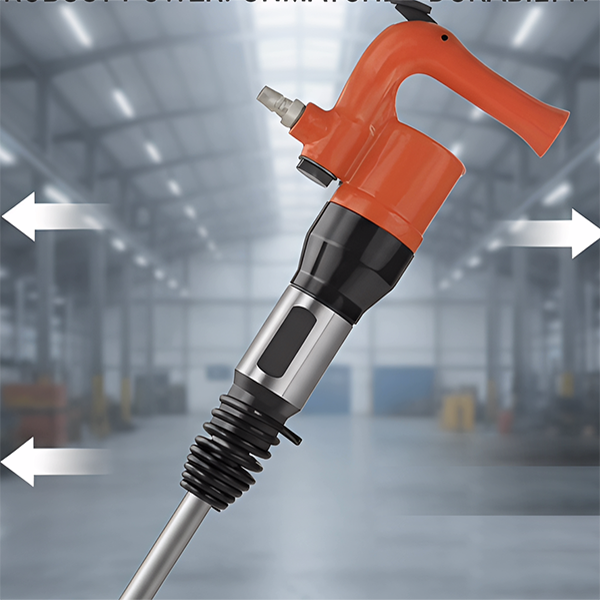
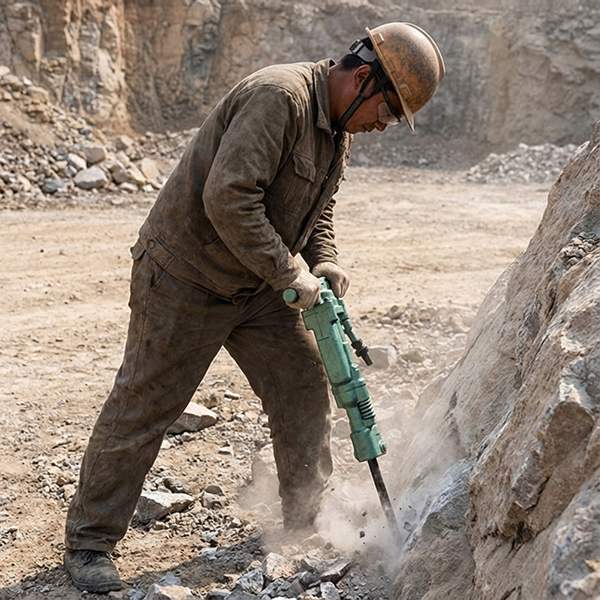
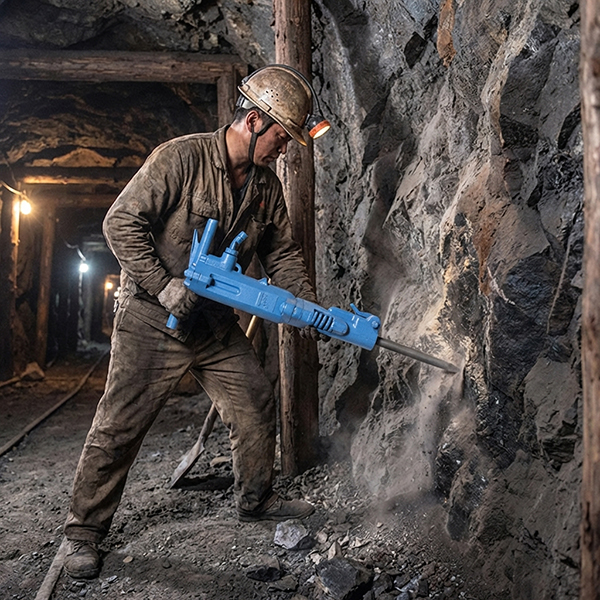
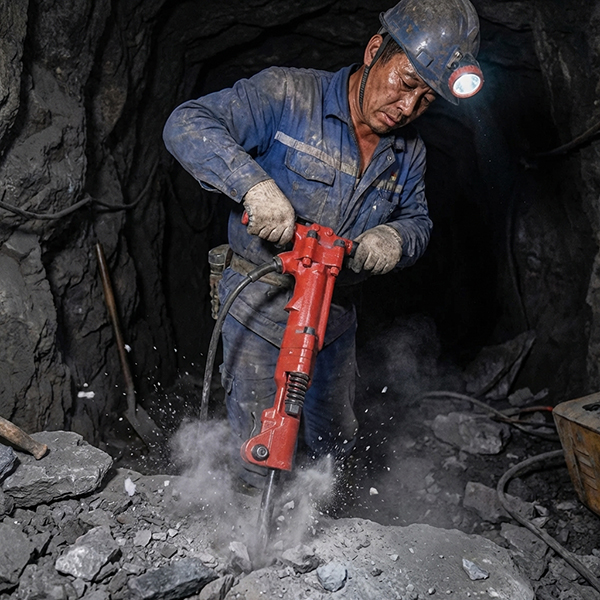
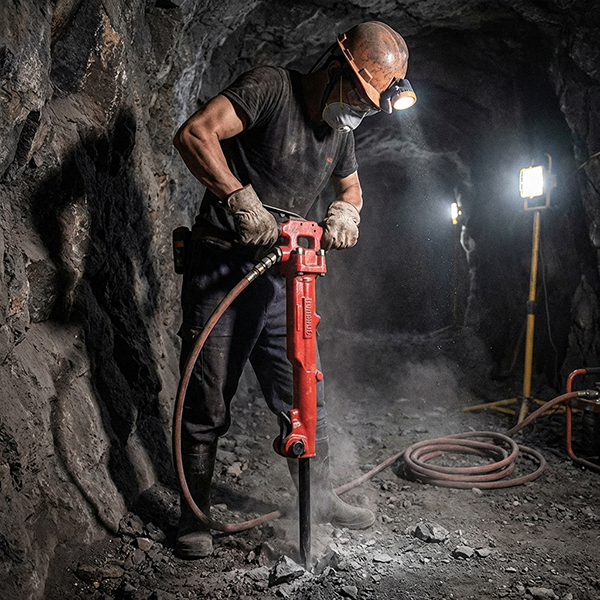
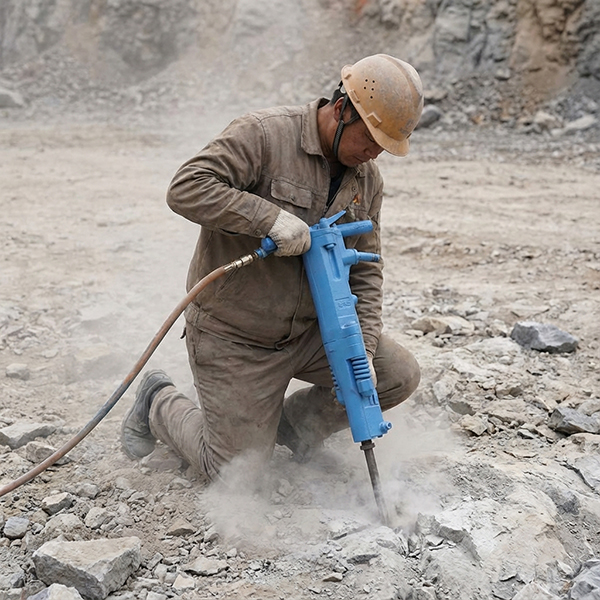
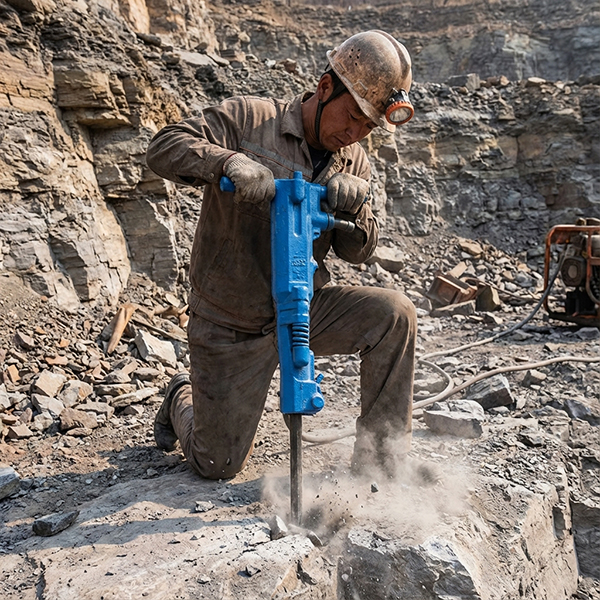
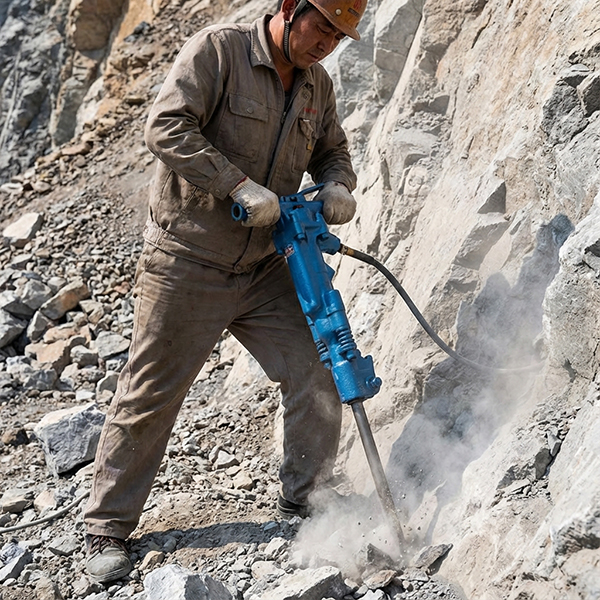
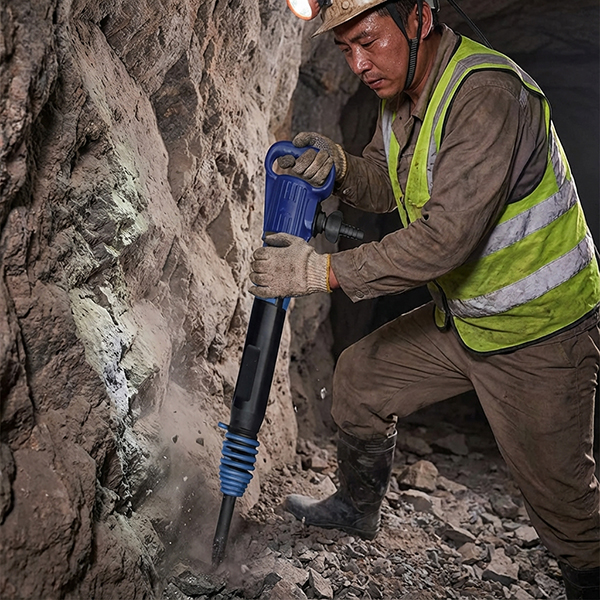
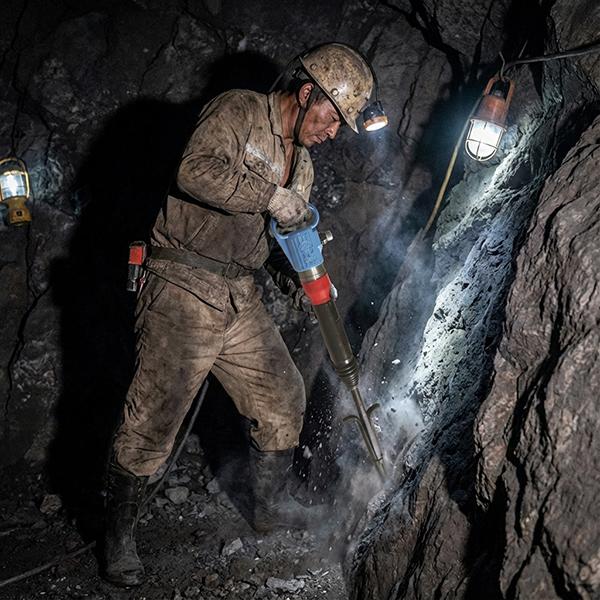
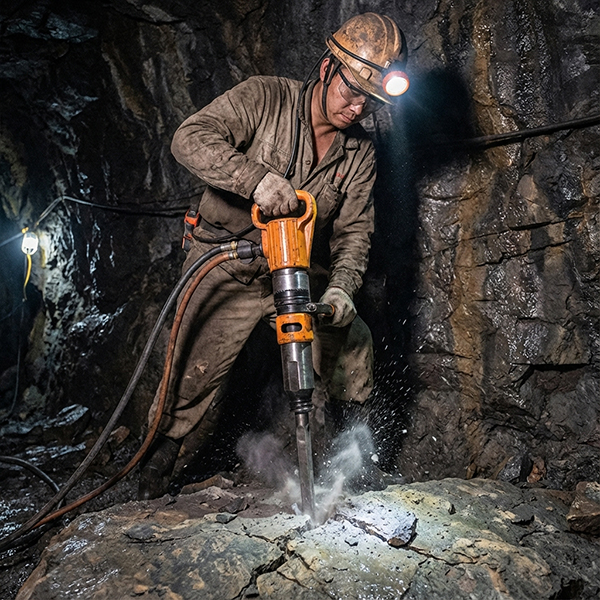
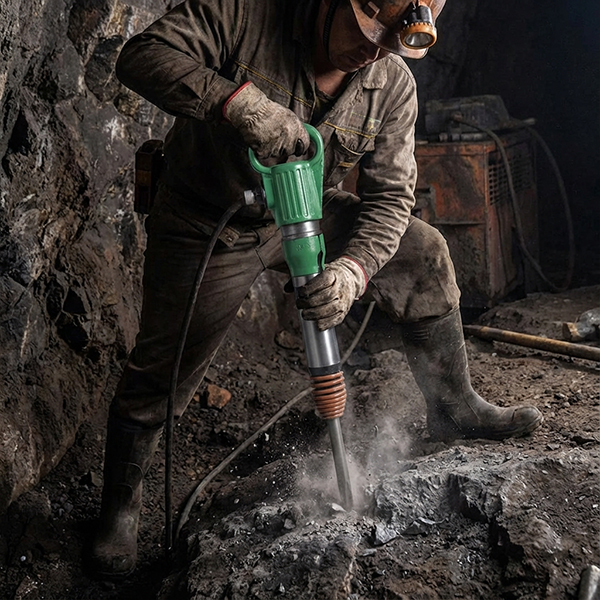
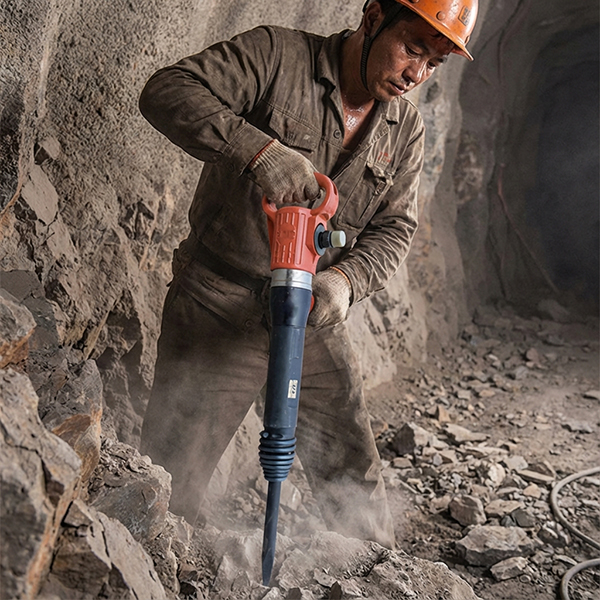
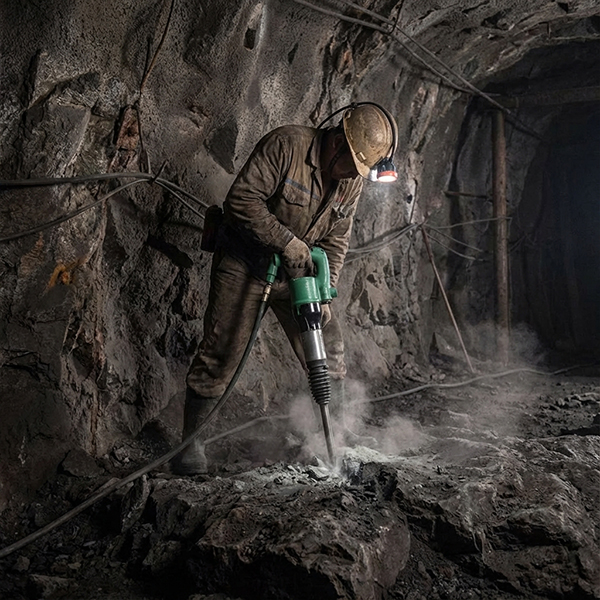
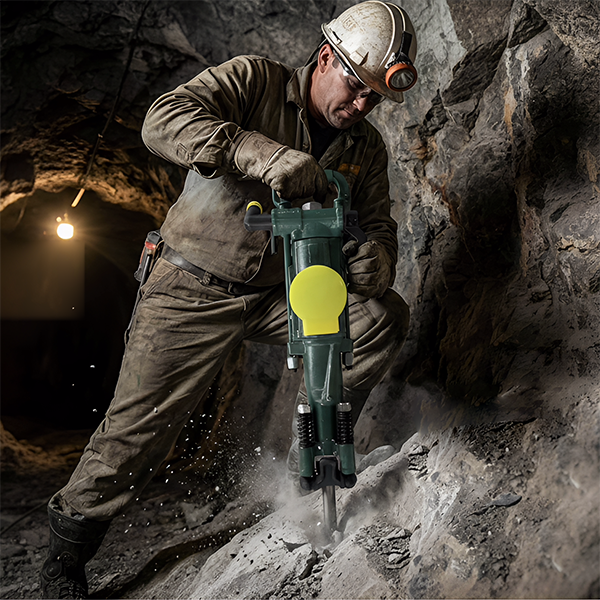
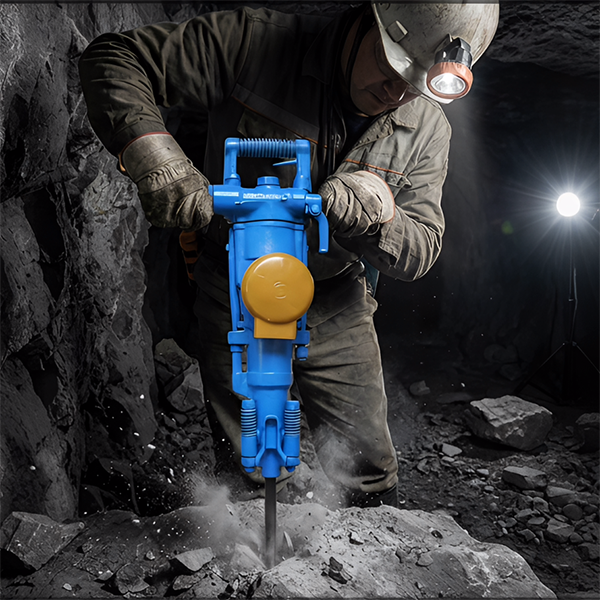
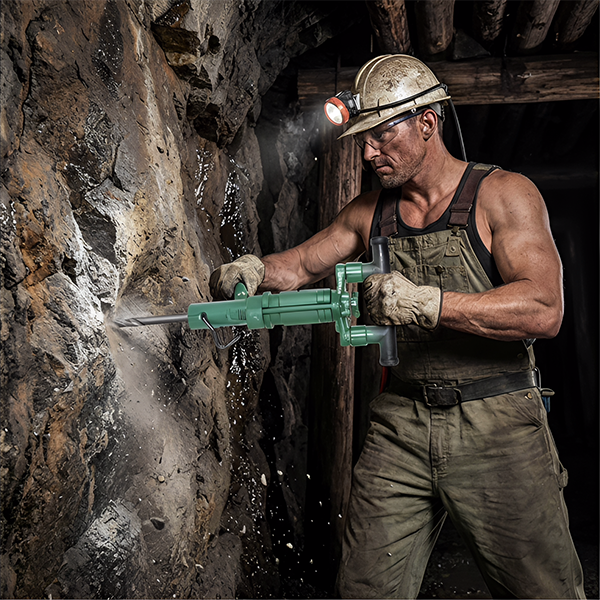
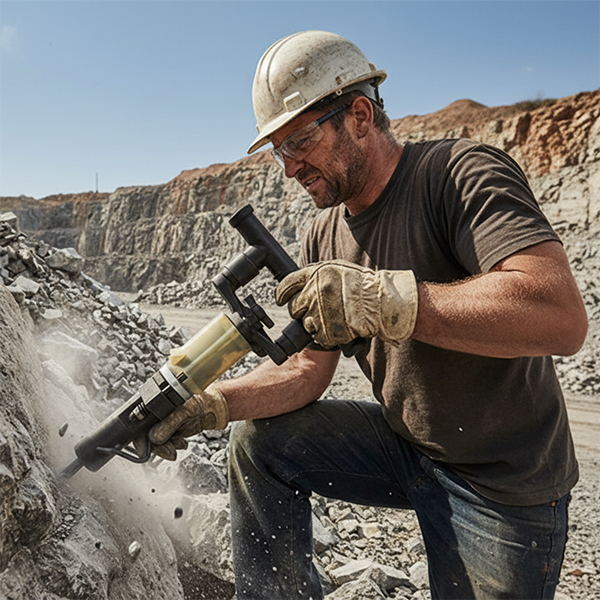
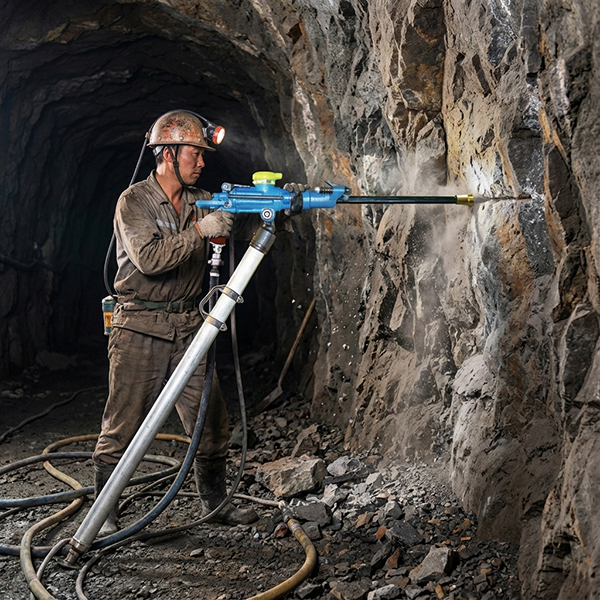
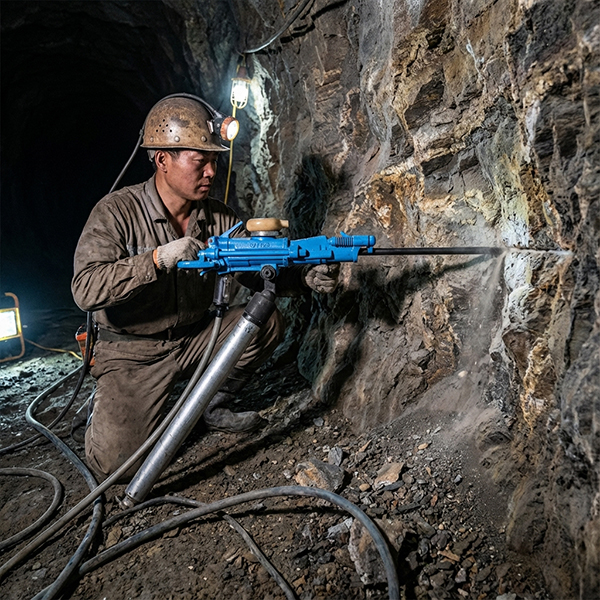
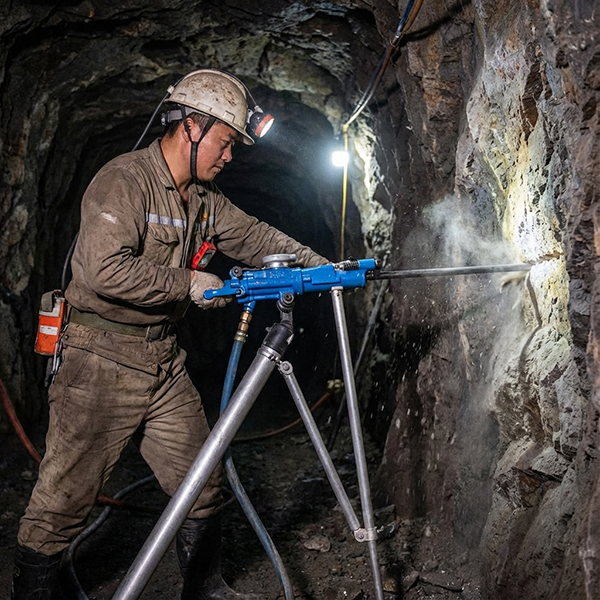
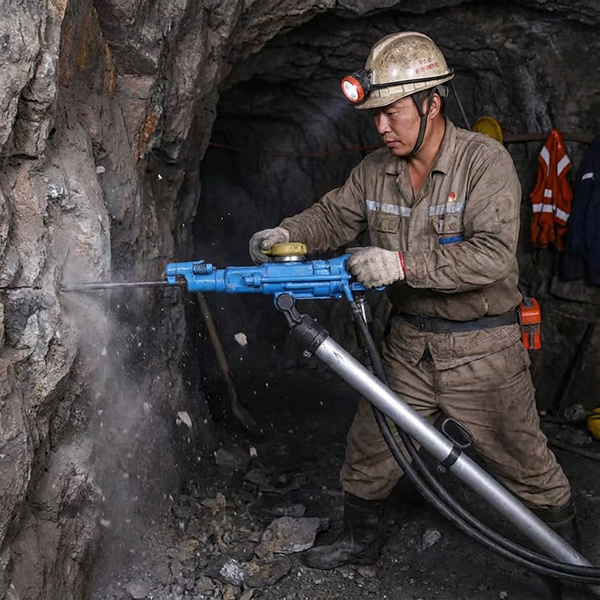
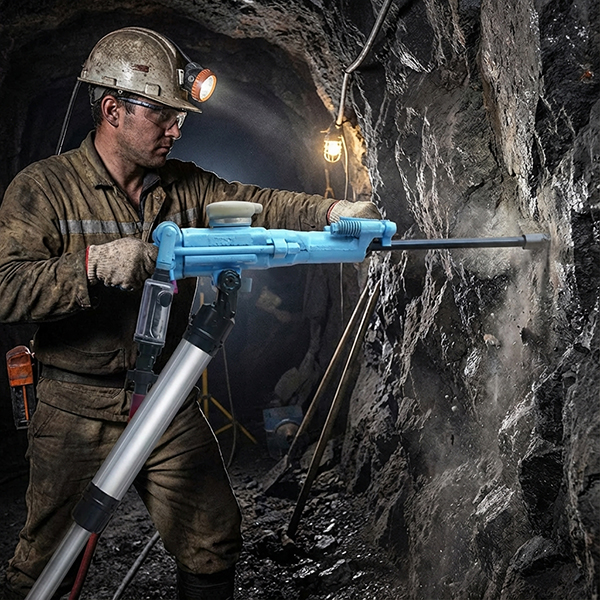
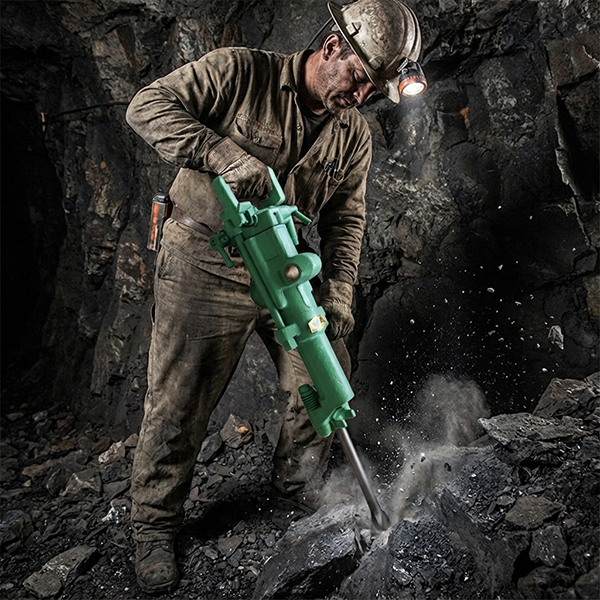
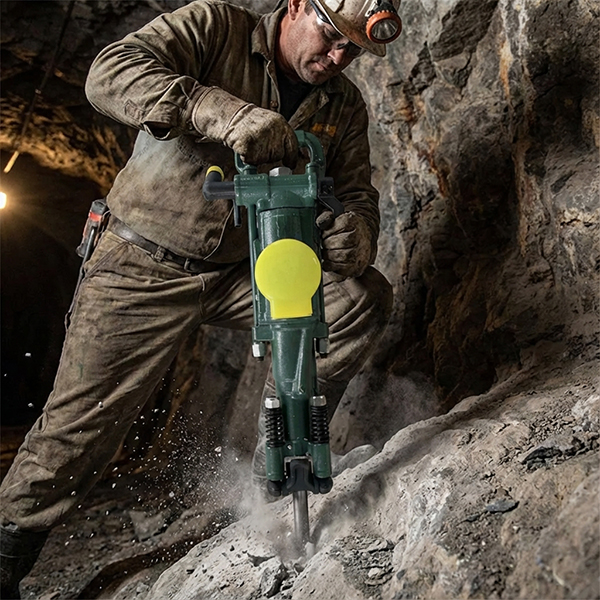
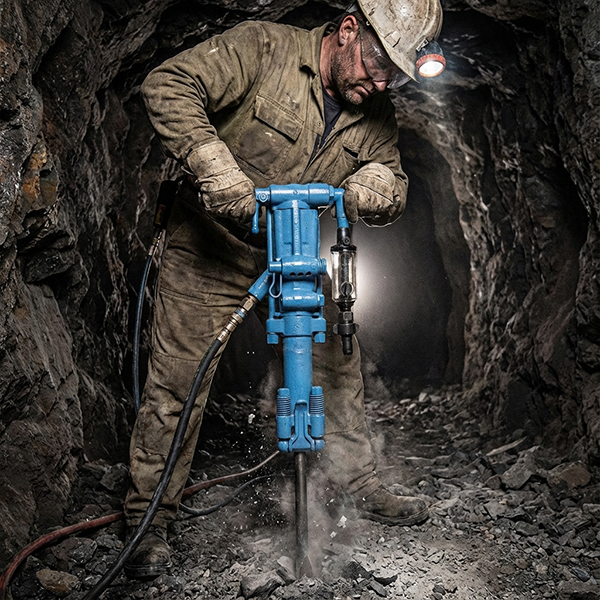
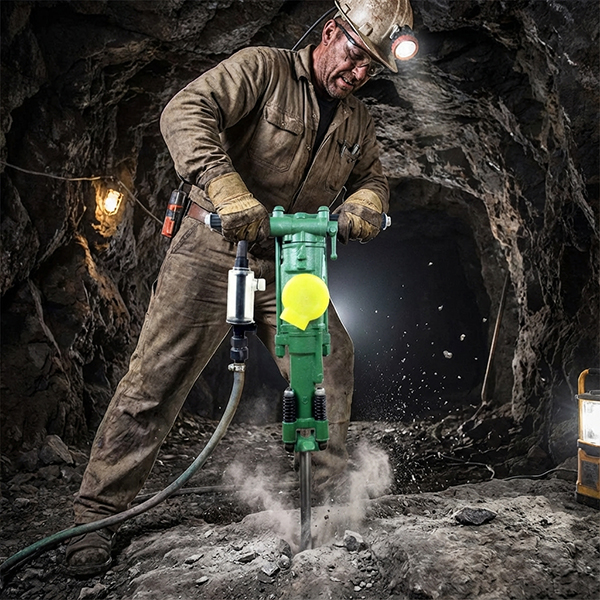
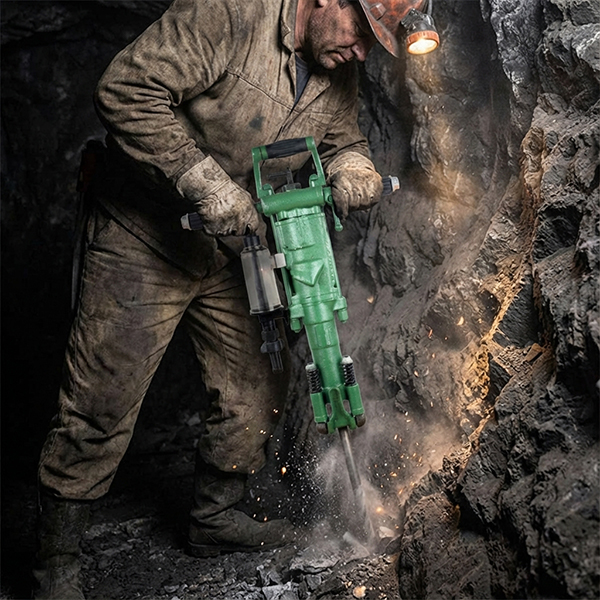
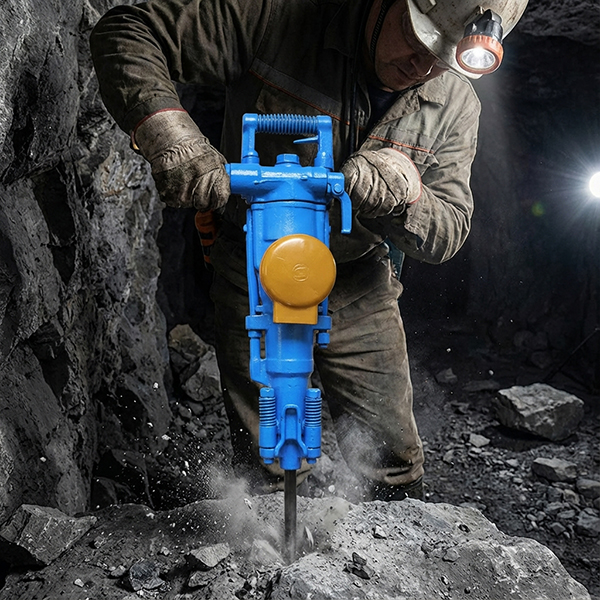
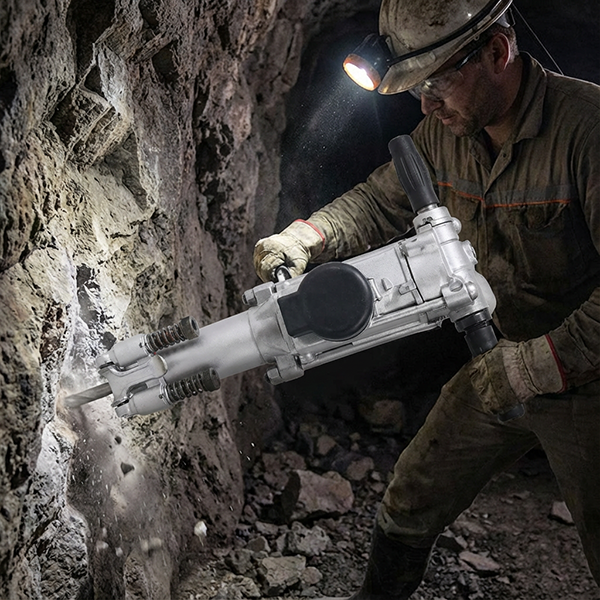
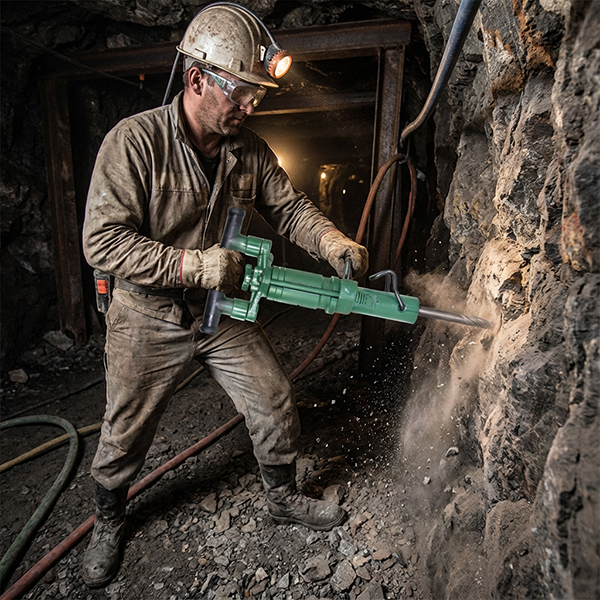
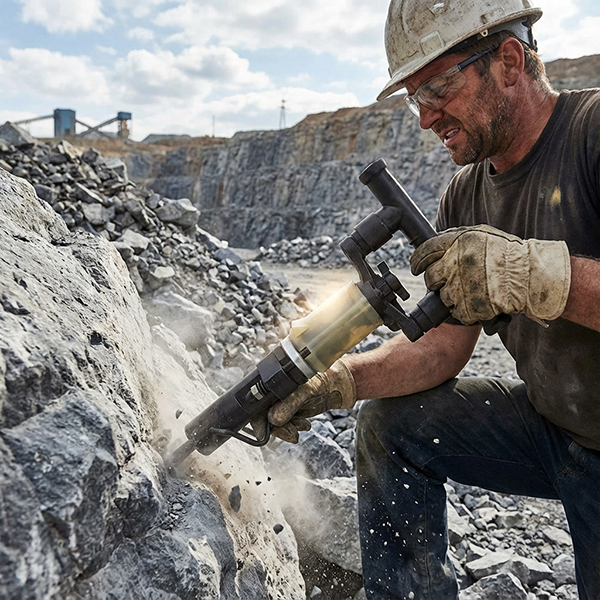
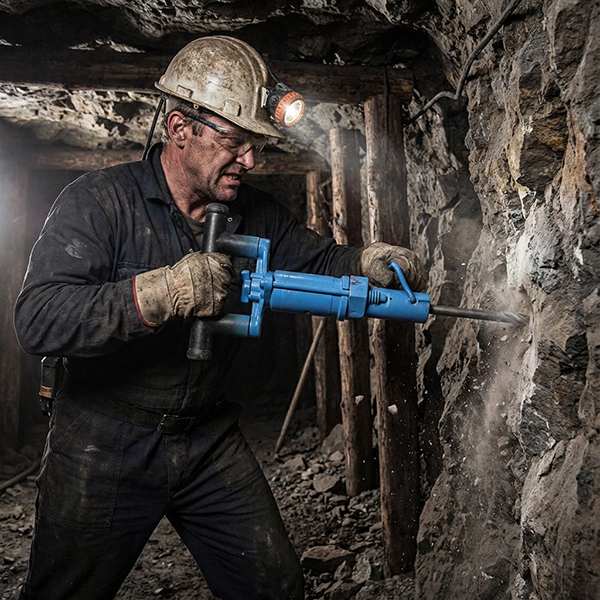
Drill a row of holes with a jack hammer or small rock drill
Hole depth: typically 200–300 mm for manual splitting
Hole diameter: matches the wedge diameter (for example 14 mm, 20 mm, 24 mm, 30 mm, 32 mm, 34 mm, 36 mm, 38 mm)
Insert the two shims into the hole first
Place the center wedge between the shims
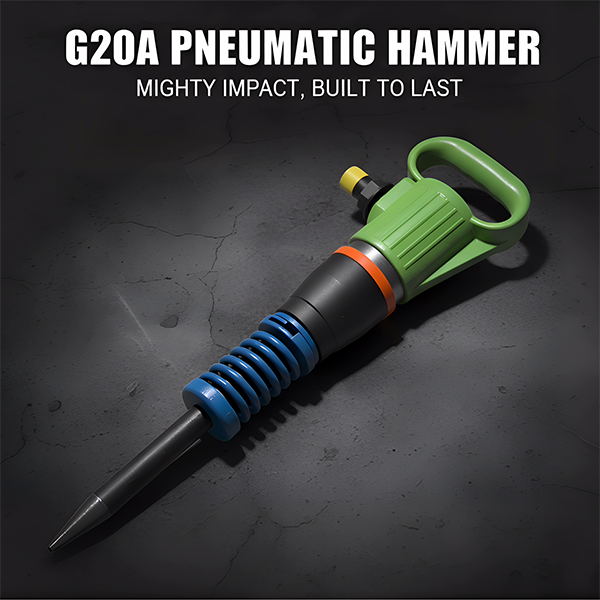
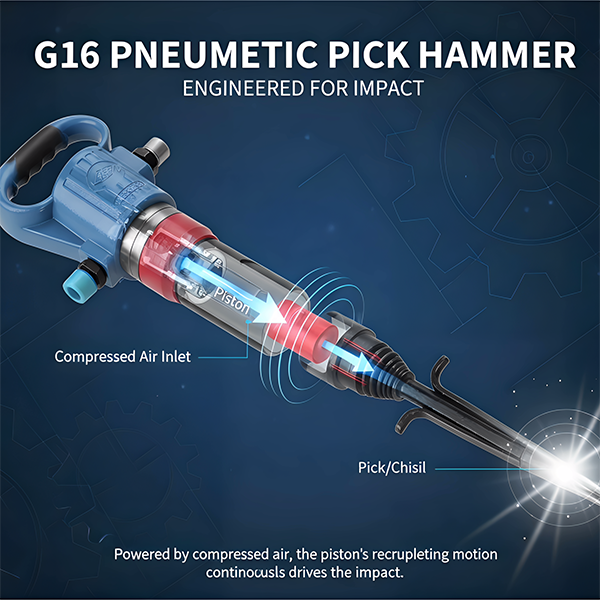
Strike the center wedge with a hammer (or with a pneumatic hammer chisel)
The center wedge moves downward and pushes the shims outward
The rock receives a strong horizontal splitting force and cracks along the line of holes
Compared with secondary blasting, rock splitting wedges:
Do not create flying stones or blast waves
Do not generate strong vibration that can damage nearby structures
Produce very low noise – suitable for urban or sensitive areas
Require no explosives license and much less paperwork
Size Options (Diameter × Length)
We supply a full range of wedge sizes so you can match the tool to your drill bits and rock conditions.
The main parameters are diameter (hole size) and working length.
mall diameter wedges – for narrow holes and lighter splitting
| Model (Dia × Length) | Hole Diameter (mm) | Length (mm) | Typical Use |
|---|---|---|---|
| 14 × 125 | 14 | 125 | Thin stones, small boulders, tight spaces |
| 14 × 150 | 14 | 150 | Slightly deeper cracks in small sections |
Medium diameter wedges – most common sizes for granite and quarry blocks
| Model (Dia × Length) | Hole Diameter (mm) | Length (mm) | Typical Use |
|---|---|---|---|
| 20 × 200 | 20 | 200 | General-purpose splitting in medium rock |
| 24 × 200 | 24 | 200 | Popular size for granite quarries |
| 24 × 250 | 24 | 250 | Deeper splitting of medium-thick blocks |
| 24 × 280 | 24 | 280 | Higher splitting force in medium rock |
| 30 × 250 | 30 | 250 | Larger blocks and harder rock |
| 30 × 280 | 30 | 280 | Deep splitting for thick stone sections |
| 30 × 320 | 30 | 320 | Extra depth for large blocks |
Large diameter wedges – for very hard rock and thick sections
| Model (Dia × Length) | Hole Diameter (mm) | Length (mm) | Typical Use |
|---|---|---|---|
| 32 × 280 | 32 | 280 | Heavy-duty quarry splitting, hard granite |
| 34 × 280 | 34 | 280 | Very hard rock with higher splitting force |
| 36 × 280 | 36 | 280 | Thick sections and tough rock formation |
| 38 × 290 | 38 | 290 | Maximum force for very hard, thick rock |
Choosing the right size:
Match hole diameter to your drill bit and wedge diameter
Smaller diameters (14–20 mm): easier drilling, more holes needed along the line
Larger diameters (30–38 mm): fewer holes, higher splitting force per hole
For example, if you normally use a 24 mm drill bit, the 24 × 200 / 24 × 250 / 24 × 280 wedges are ideal starting points. If you are working with very hard granite and thick benches, 30–38 mm wedges will give you a stronger splitting effect.
Compatible with Your Jack Hammer and Pneumatic Tools
These wedges are designed to work after drilling:
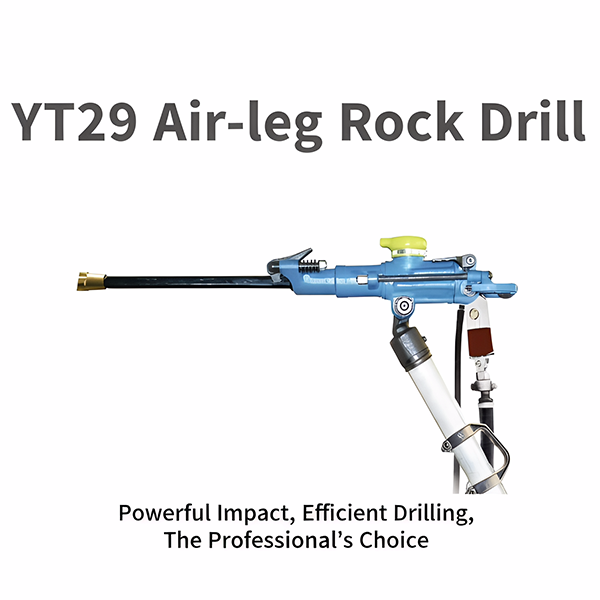
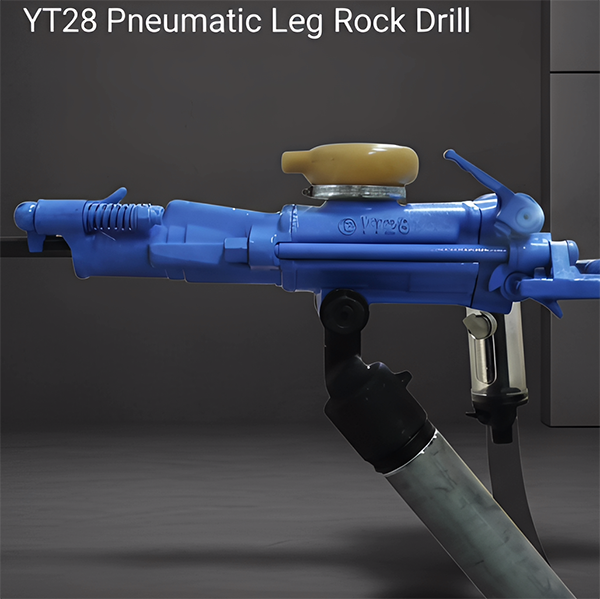
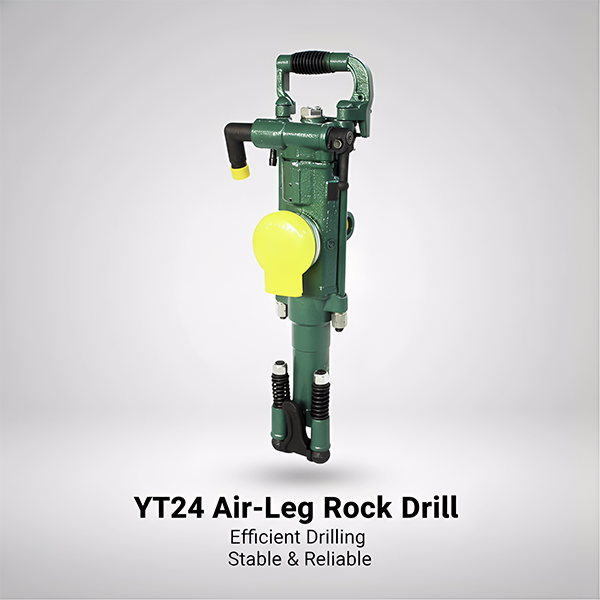
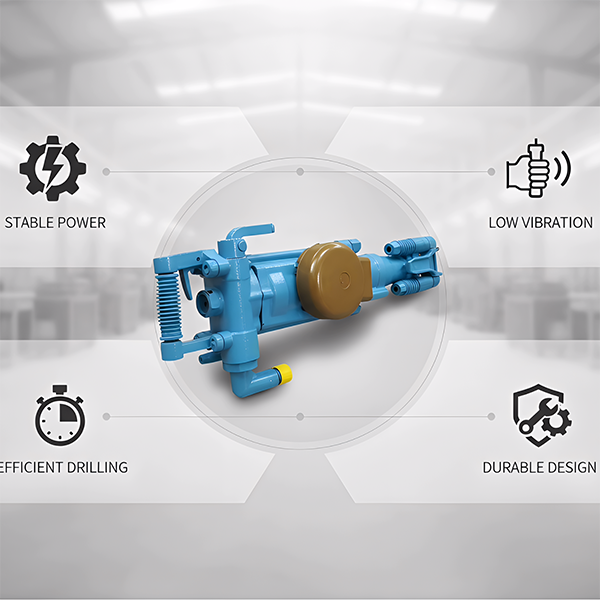
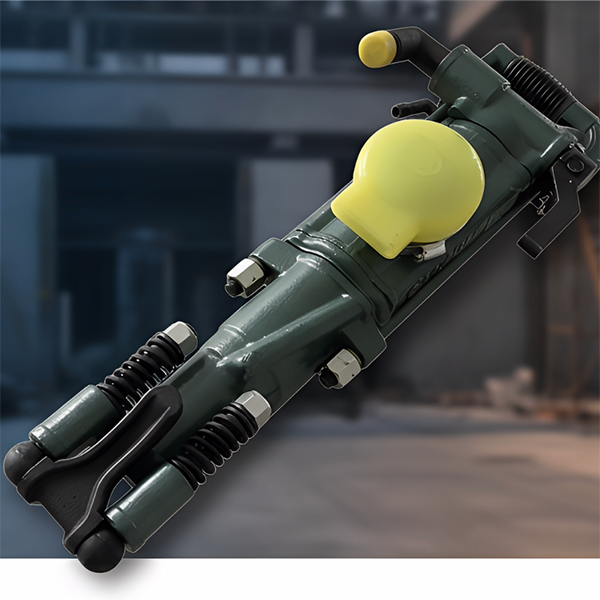
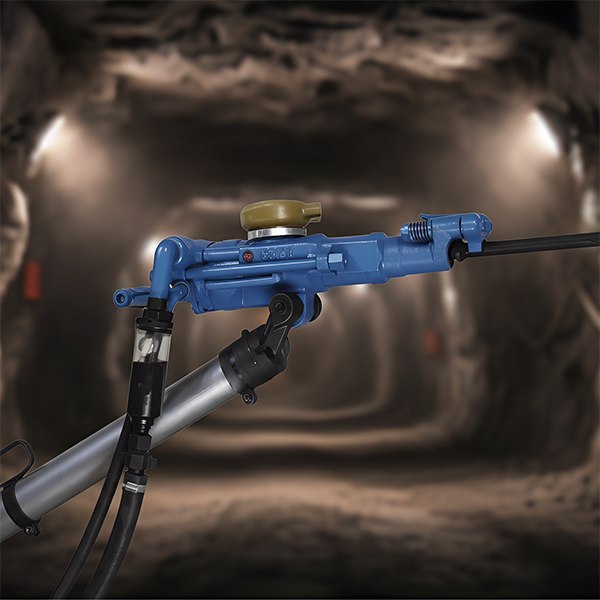
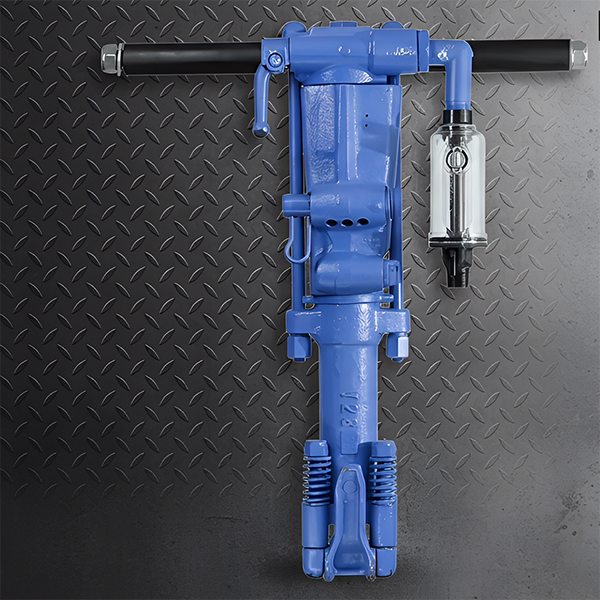
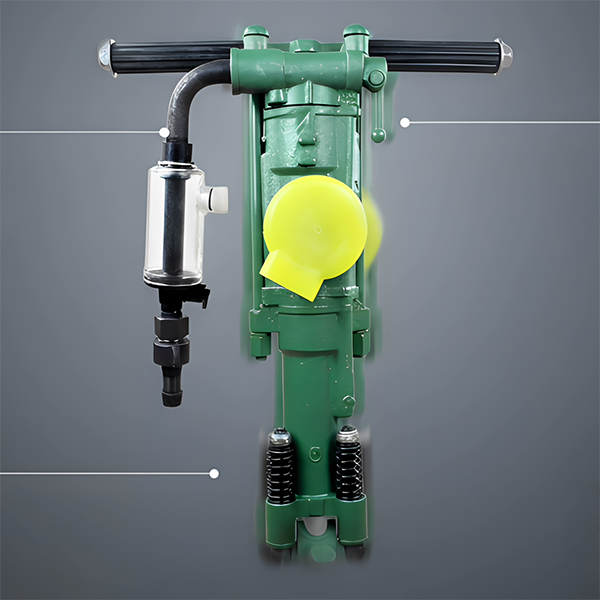
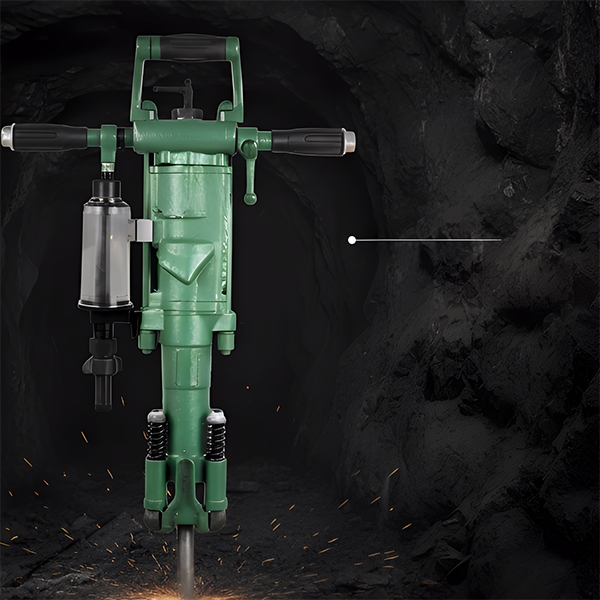
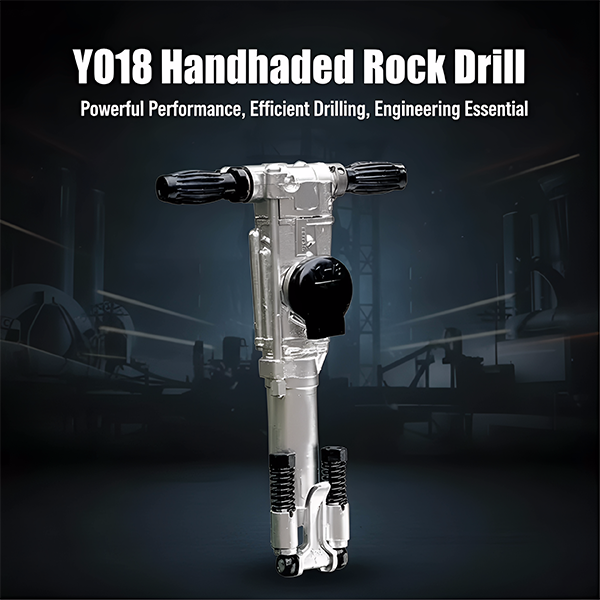
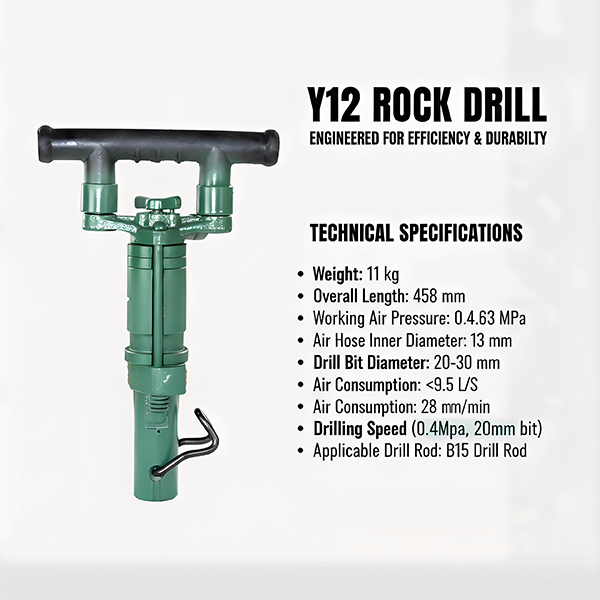
Drill holes with your existing jack hammers / pneumatic rock drills
e.g. YT24, YT26, YT28, YT29, 7655, Y24, etc.
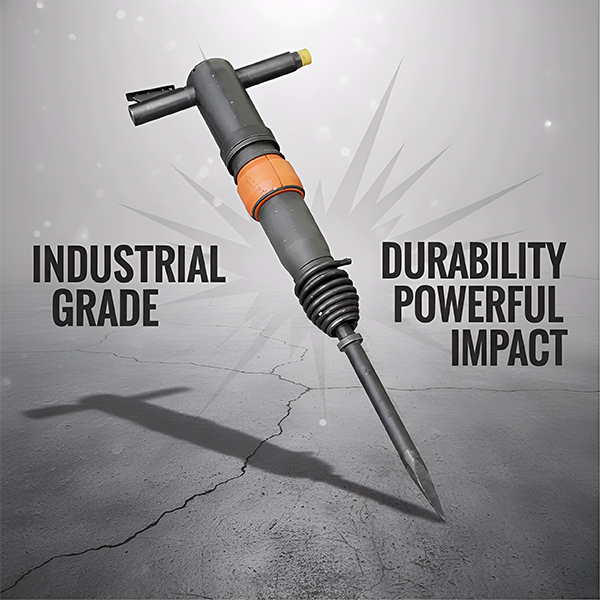
Then use a manual sledge hammer or a pneumatic hammer with a special wedge tool to drive the center wedge
Compared with hydraulic or large mechanical splitters, this solution:
Uses equipment you already have (compressor + jack hammer)
Has very low purchase and maintenance cost
Is easy to carry to remote or high locations on the quarry bench
Is flexible for both professional quarry operators and small DIY users
Advantages Compared with Blasting
Many of our customers use rock splitting wedges as a non-explosive secondary breaking method. Typical benefits:
Higher yield of usable stone
Blasting often creates invisible cracks and waste. Wedges allow more controlled splitting along straight lines.Lower overall cost
No explosives, less paperwork, no special blasting team. Two trained workers can operate a full wedge line.Safer and quieter
No fly rock, no ground vibration, much lower noise. Very suitable for quarries near villages, roads or existing buildings.Environmentally friendly & DIY-friendly
Especially in Europe and North America, many small stone yards and private users like this simple, mechanical and safe method. It fits DIY culture and strong environmental awareness.
Typical Applications
Granite and marble quarries – secondary splitting of large blocks into smaller slabs
Stone processing plants – converting big raw blocks into manageable sizes
Open-pit mines – non-explosive secondary breaking of oversize boulders
Urban construction – silent demolition of rock and concrete foundations
Landscaping and DIY projects – splitting rocks in gardens, farms and private land
How to Use Rock Splitting Wedges (Step by Step)
Mark the splitting line on the rock surface
Drill a row of holes along this line using a jack hammer or rock drill
Keep holes in a straight line
Hole spacing depends on rock type and wedge size (commonly 10–20 cm apart)
Clean the holes with compressed air or water to remove dust
Insert the two side shims into each hole
Insert the center wedge between the shims
Use a sledge hammer or a pneumatic hammer to strike the top of each wedge in sequence
Work along the line, giving each wedge a few blows
Do not try to open one hole completely before moving to the next
After a short time, the rock will crack along the line of holes
FAQ – Rock Splitting Wedge and Shims
Q1: How do I choose the right wedge size for my job?
Choose the wedge diameter according to your drill bit diameter. The wedge should fit the hole smoothly without too much play. For thin slabs or small stones, 14–20 mm is enough. For large blocks and hard granite, 24–38 mm wedges with longer length are recommended.
Q2: How deep should the holes be?
In general, drill slightly deeper than the wedge length. For a 200 mm wedge, drill at least 220–250 mm; for a 280–290 mm wedge, drill around 300 mm or more. Deeper holes give more controlled and powerful splitting.
Q3: Can I use these wedges in reinforced concrete?
Yes, they can split the concrete matrix effectively. However, steel rebars may still hold the pieces together. For plain concrete or lightly reinforced sections, rock splitting wedges are a very good silent demolition tool.
Q4: How many wedges do I need for one splitting line?
It depends on the stone length and hardness. As a rough guide, start with hole spacing of 10–15 times the hole diameter (for example, 20–30 cm spacing for a 20 mm wedge), then adjust according to your rock conditions and experience.
Q5: How long does a wedge set last?
With correct use, a good wedge set can be used many times. Service life depends on rock hardness, hammer force and operator technique. When the wedge tip becomes rounded or the shims are badly deformed, it's time to replace them.