
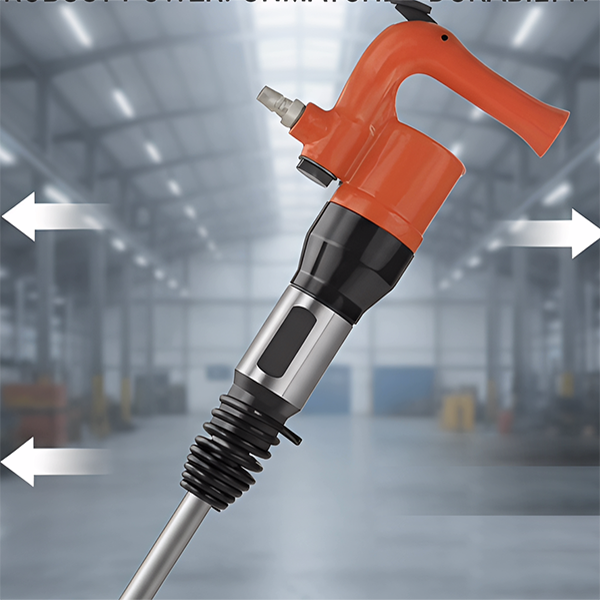
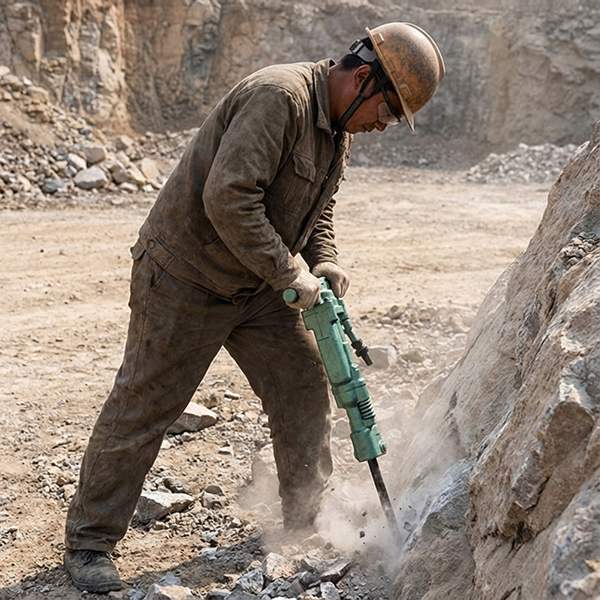
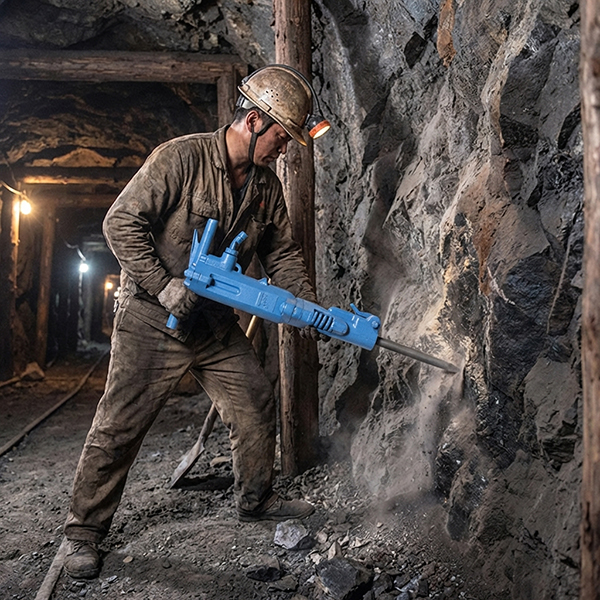
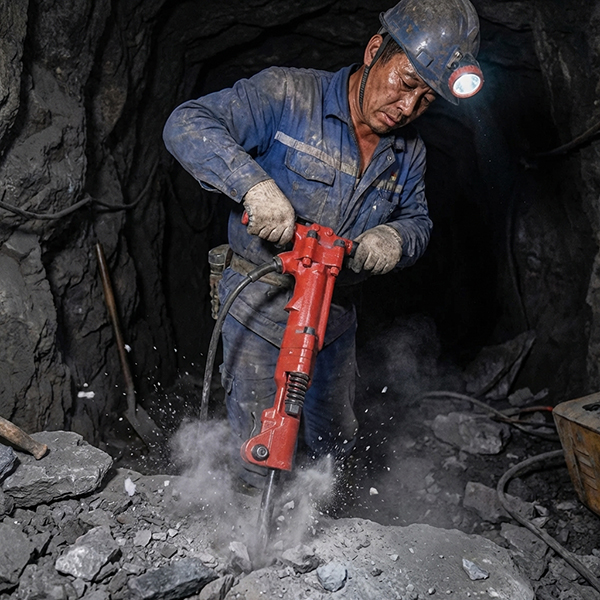
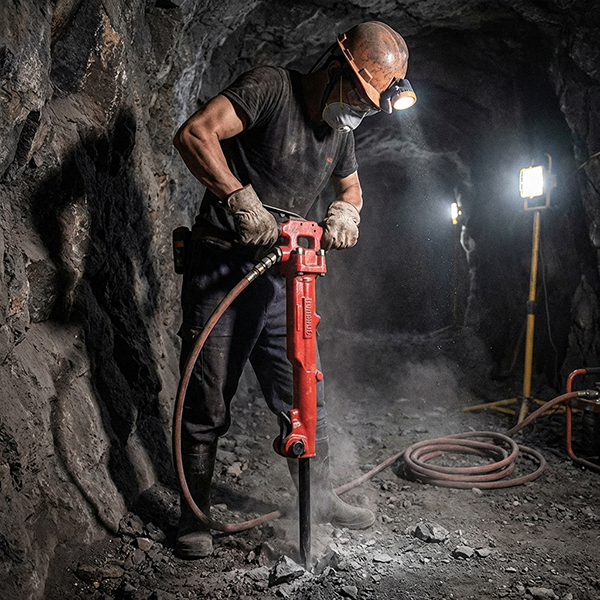
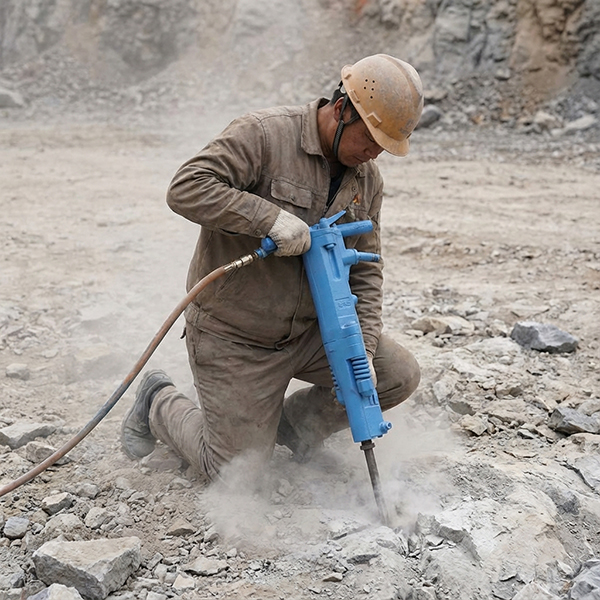
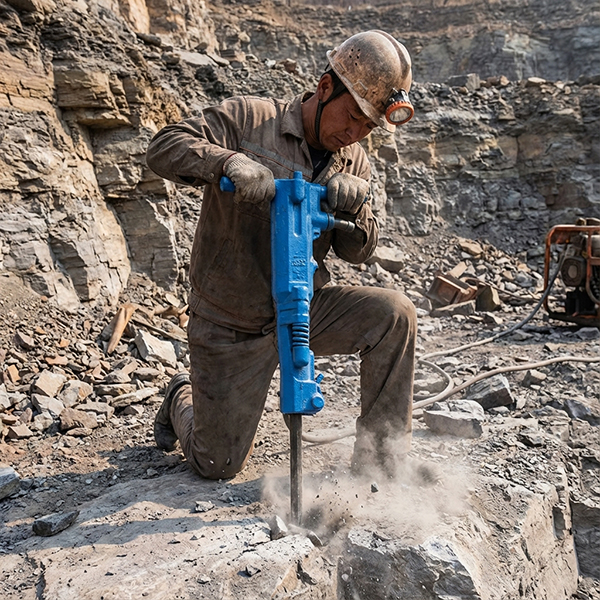
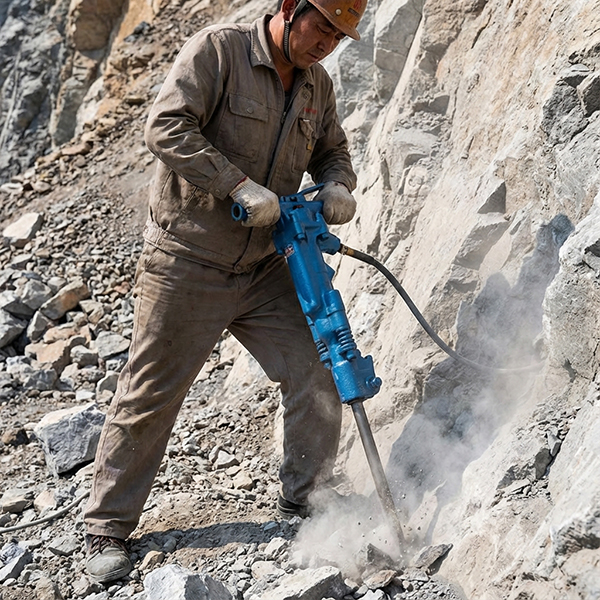
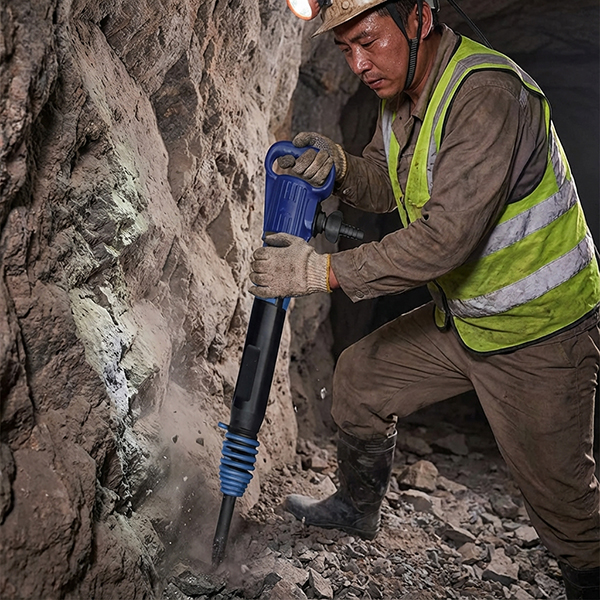
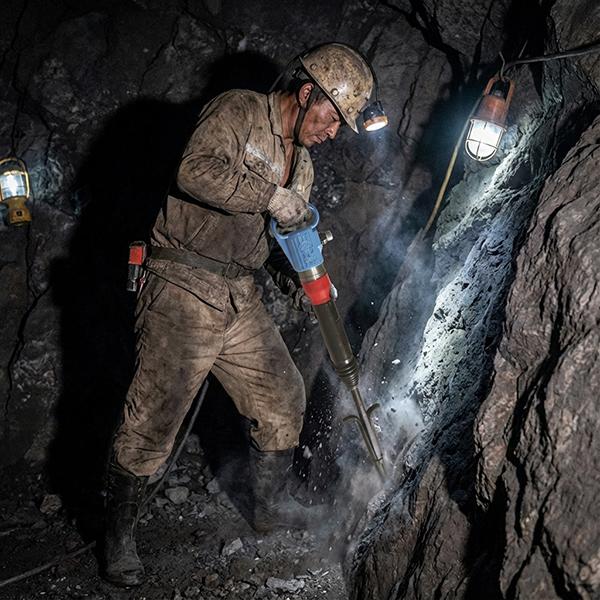
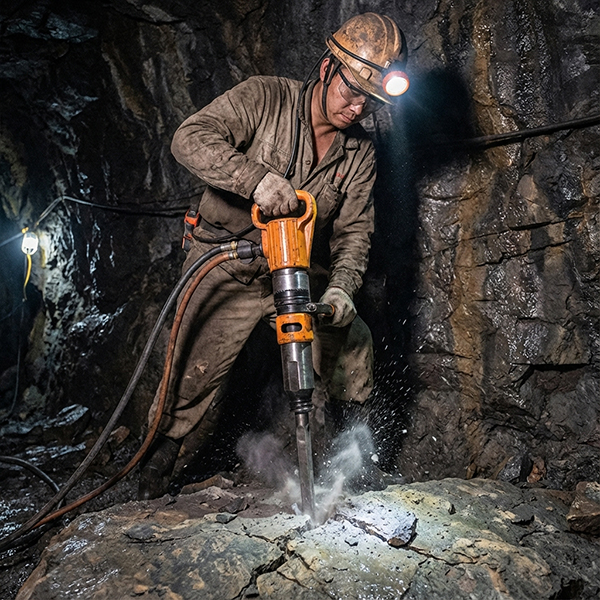
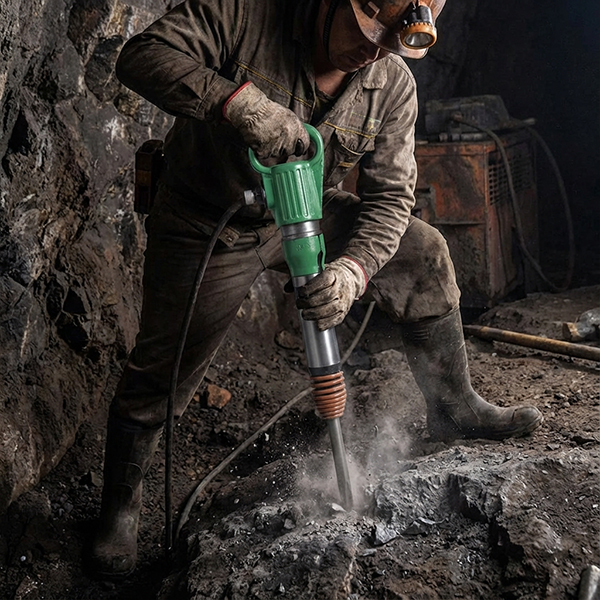
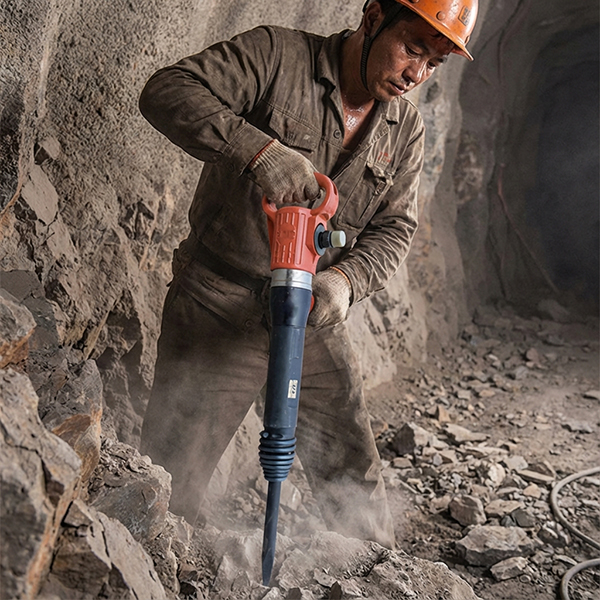
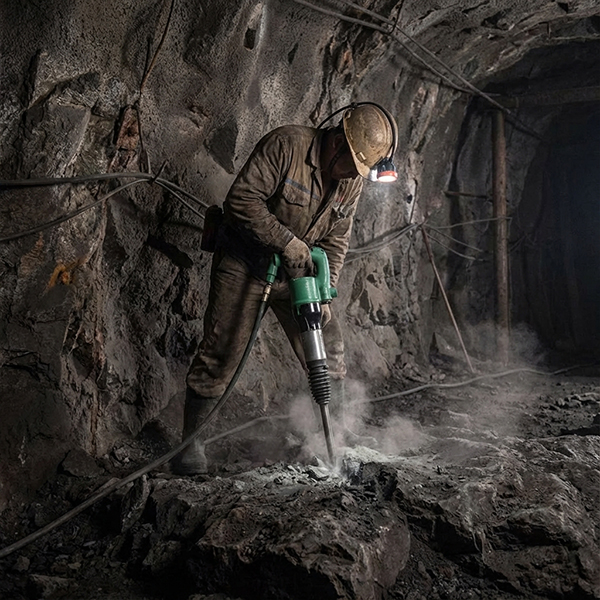
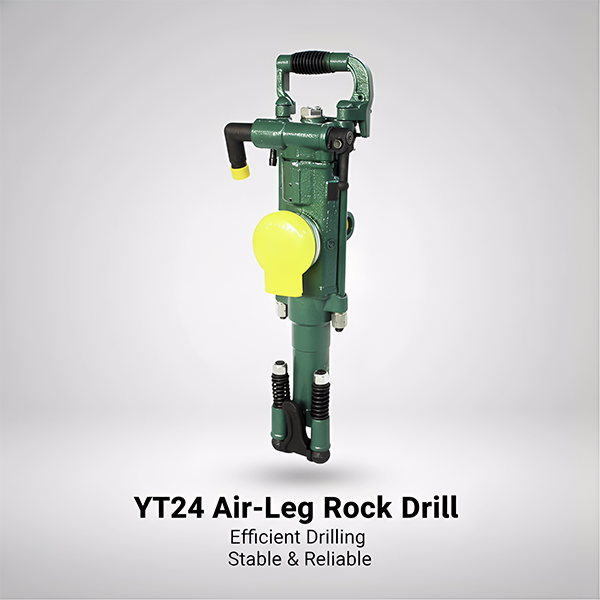
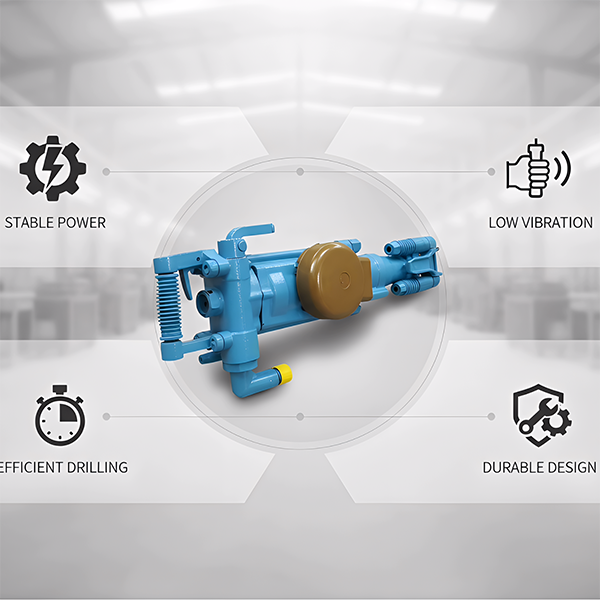
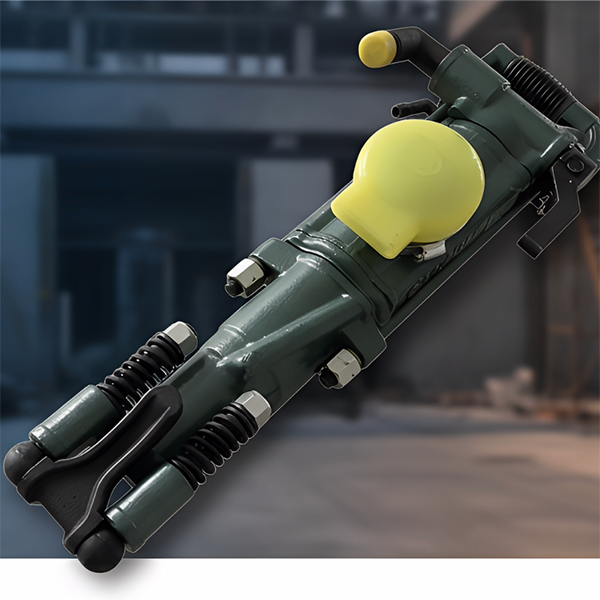
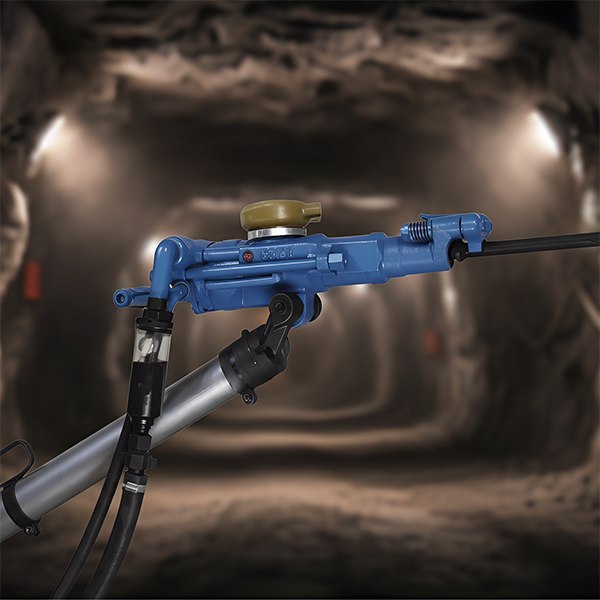
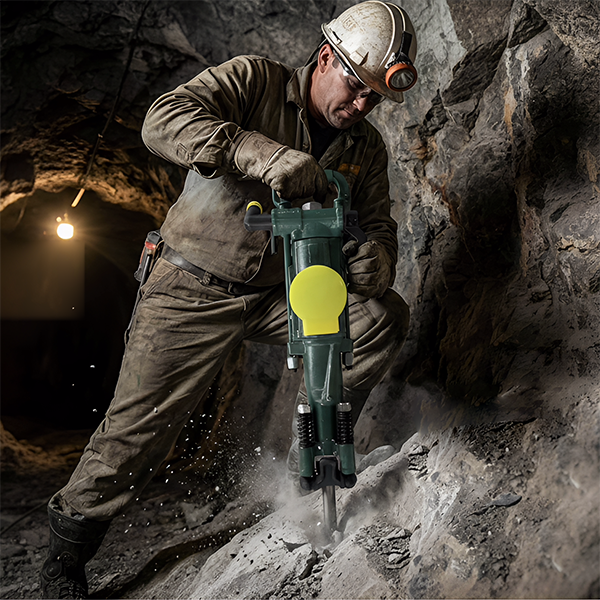
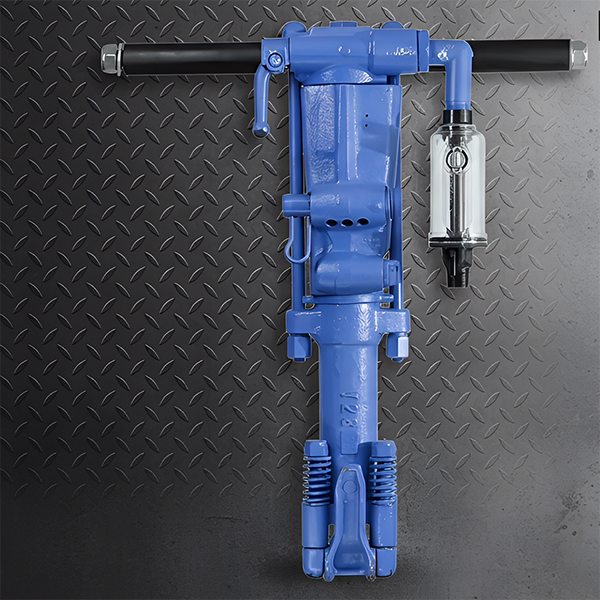
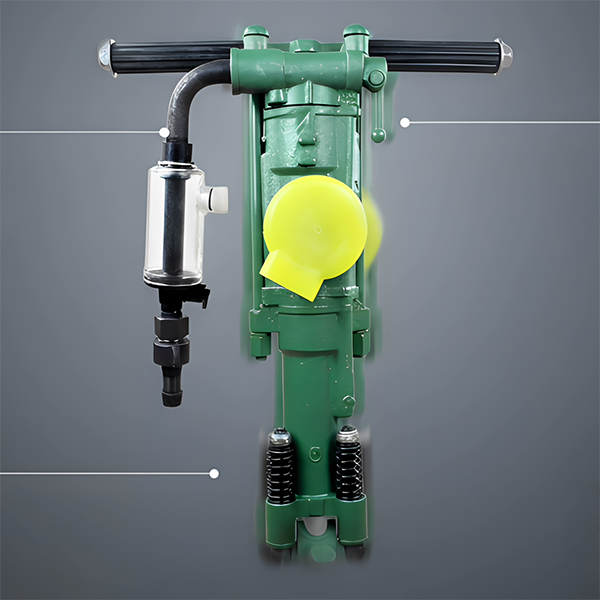
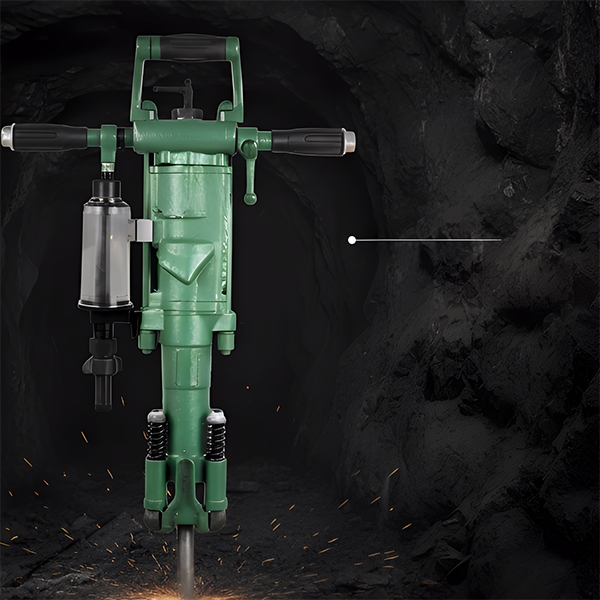
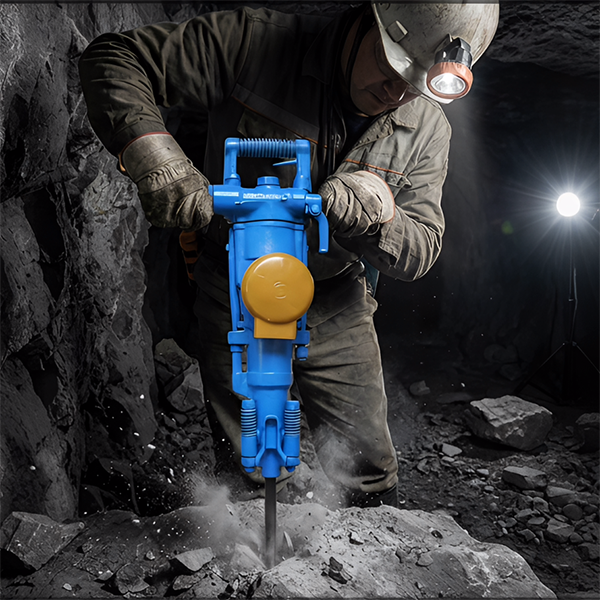
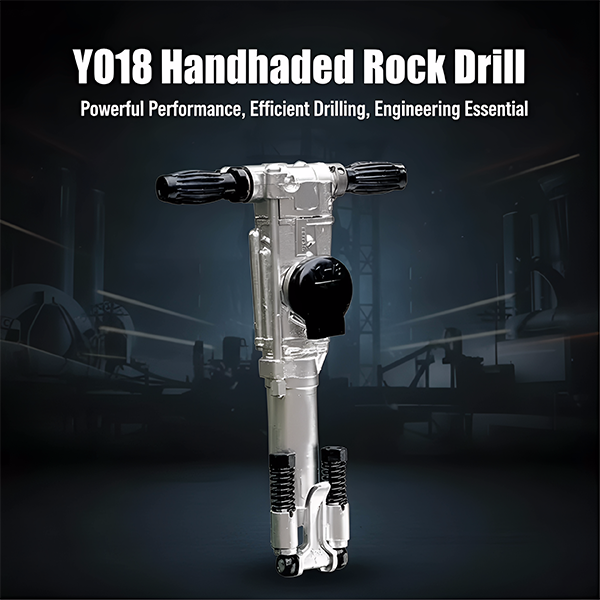
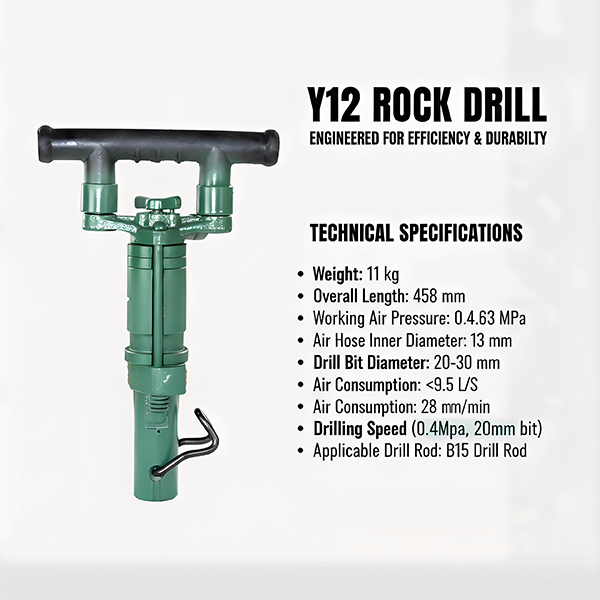
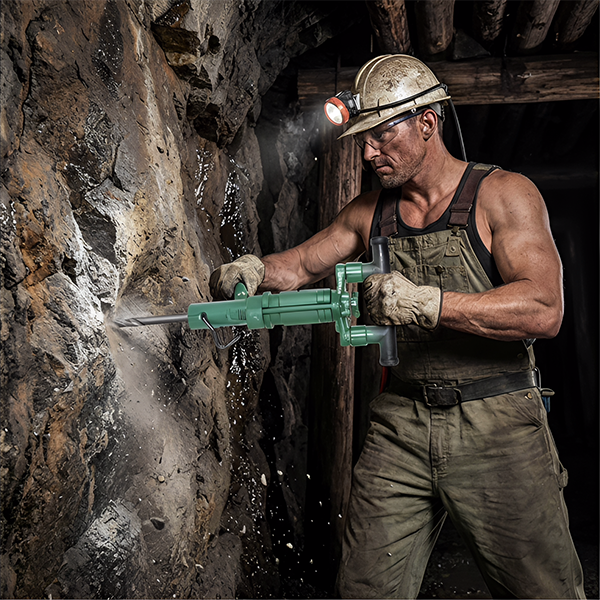
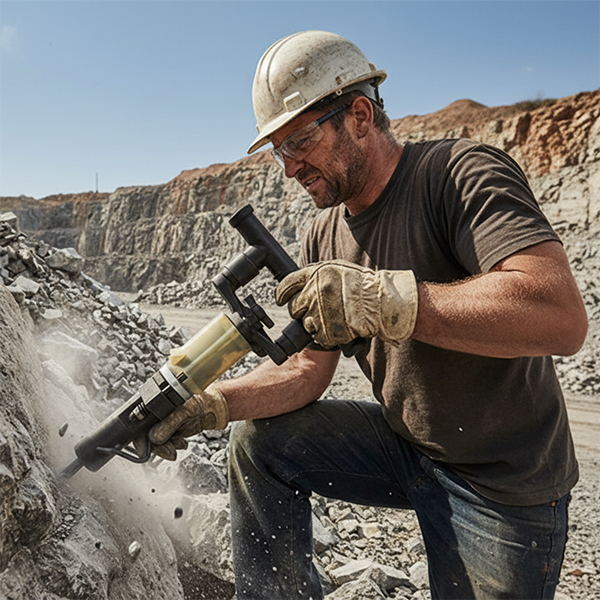
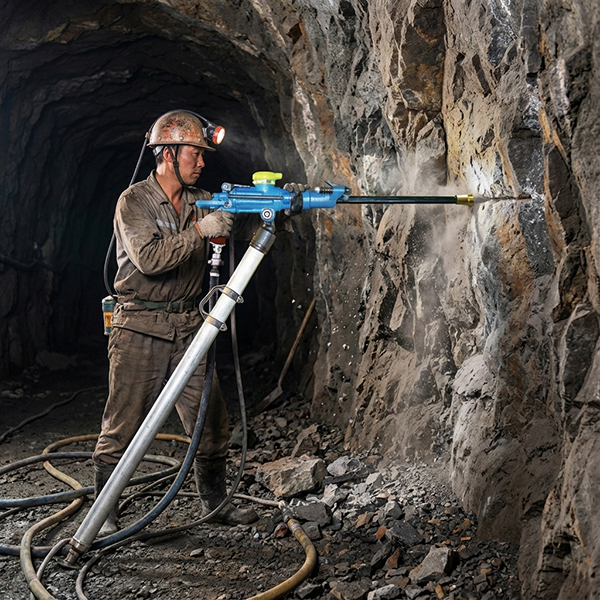
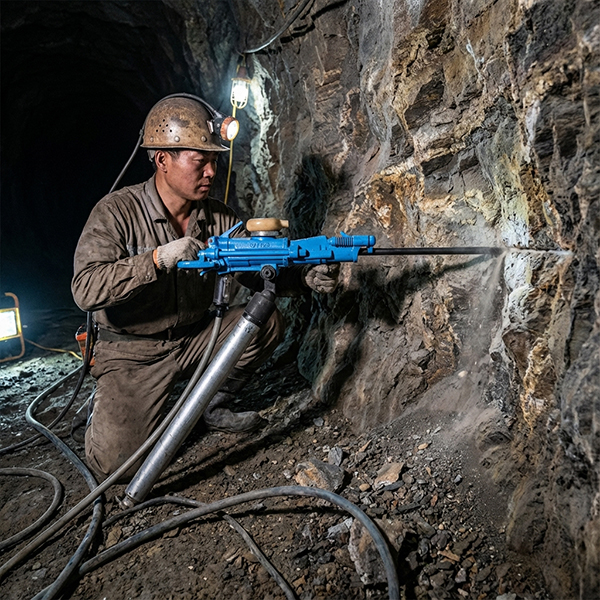
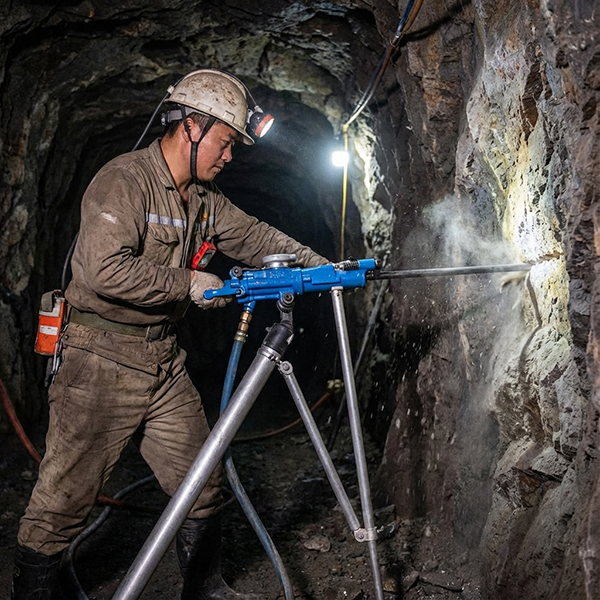
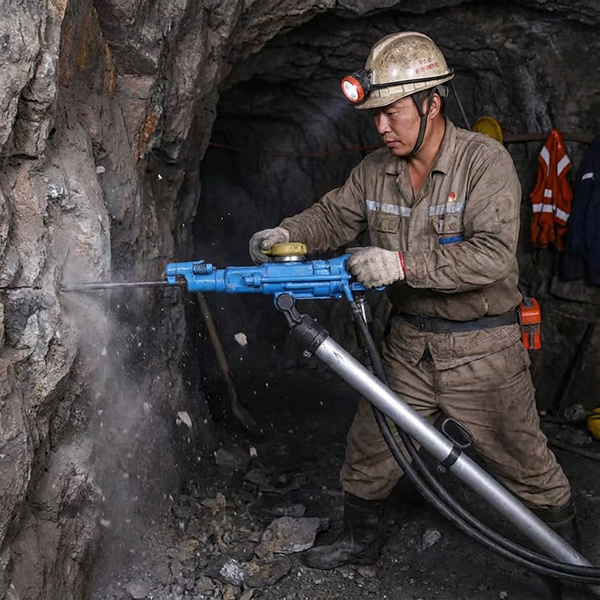
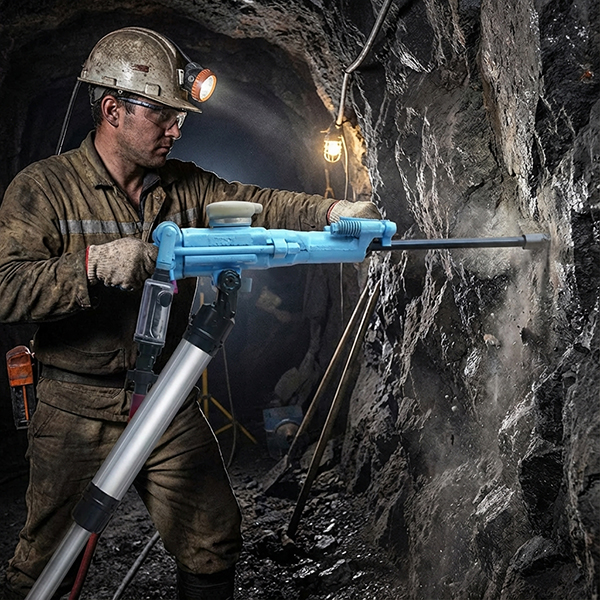
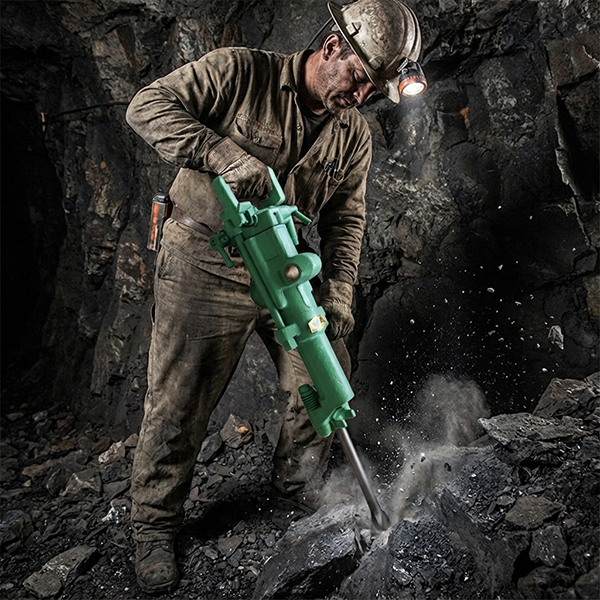
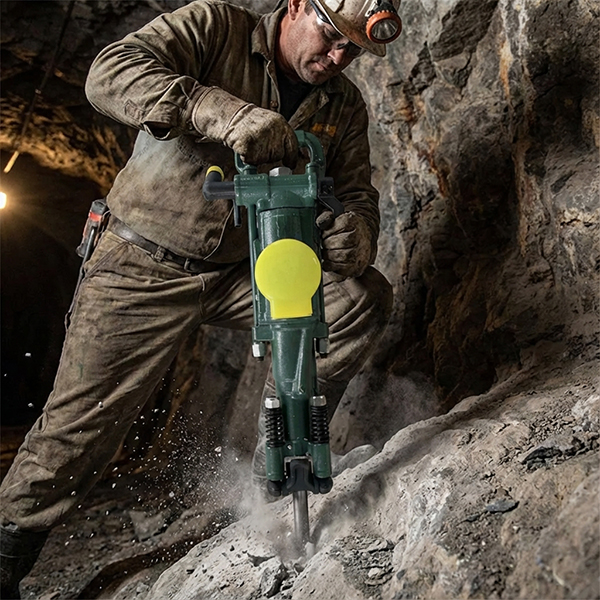
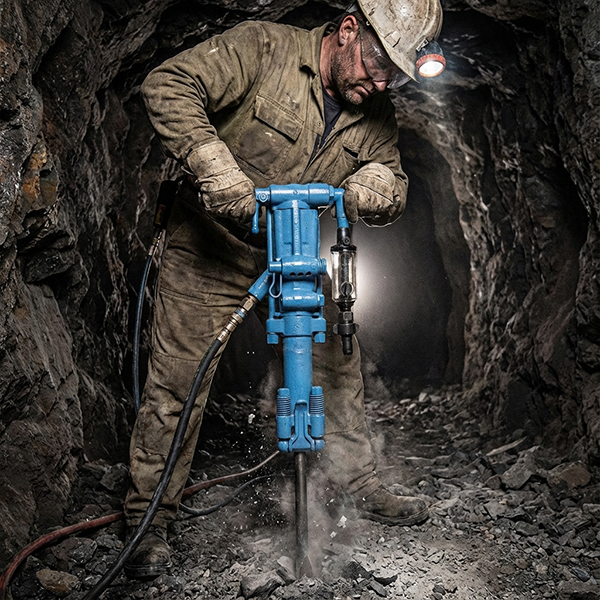
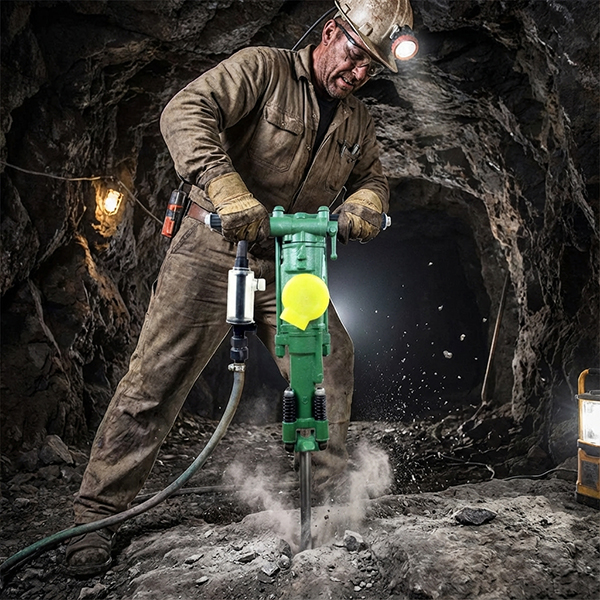
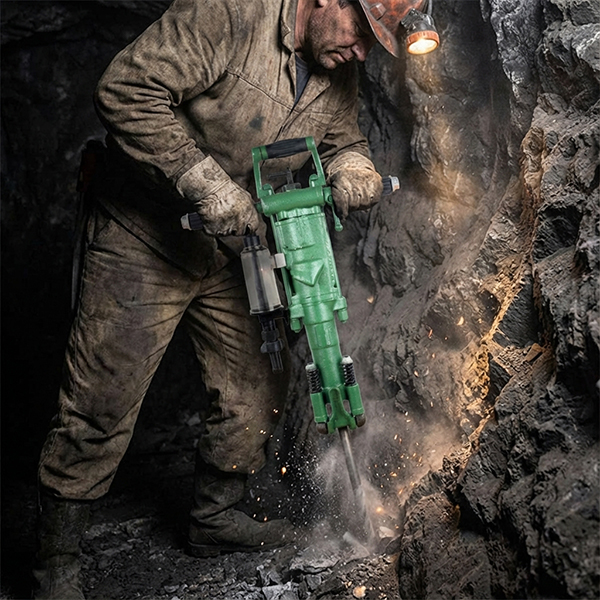
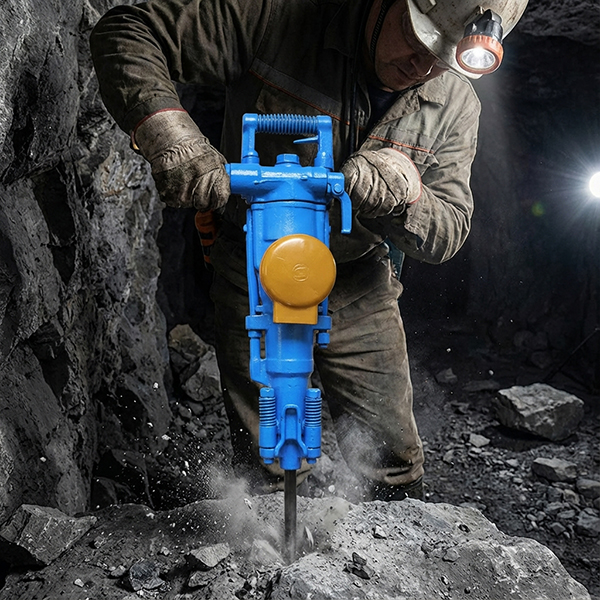
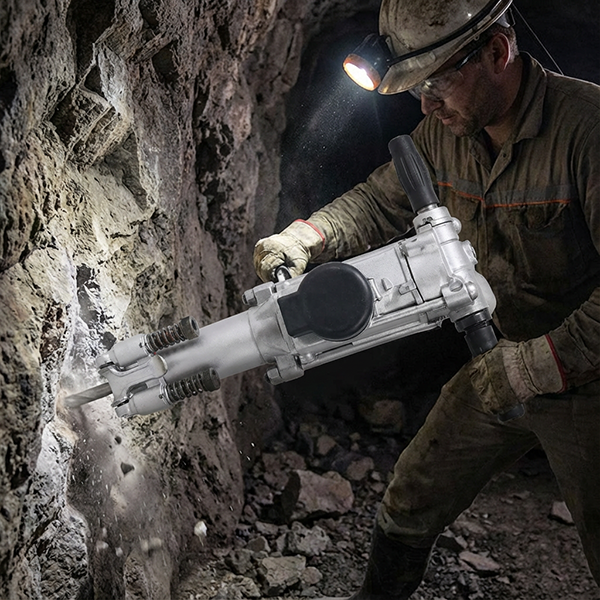
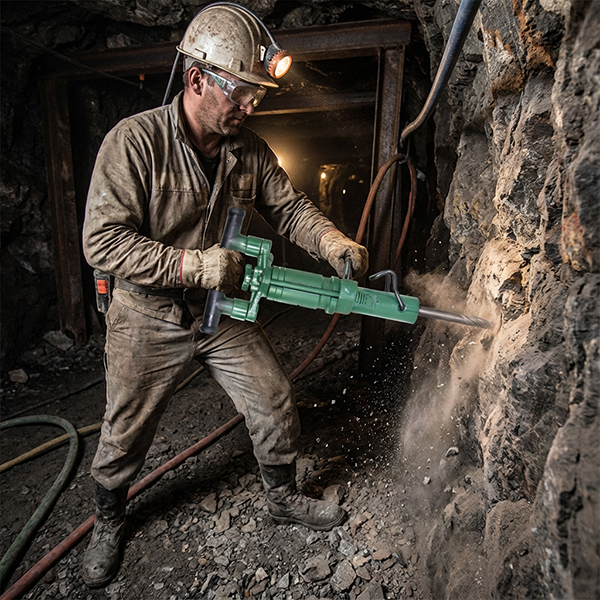
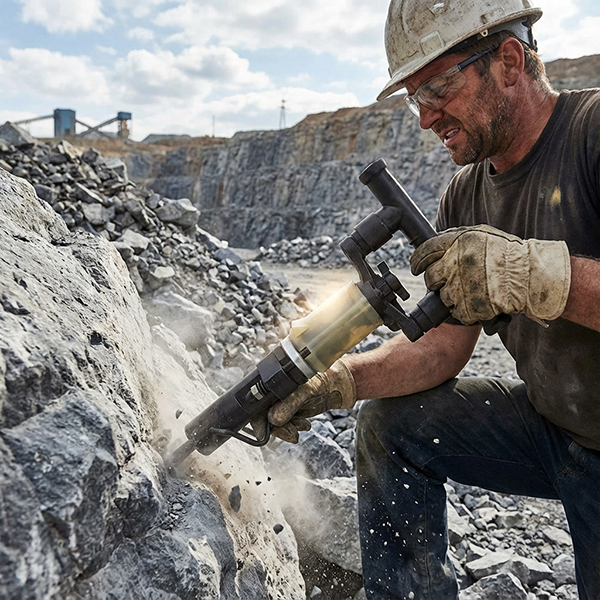
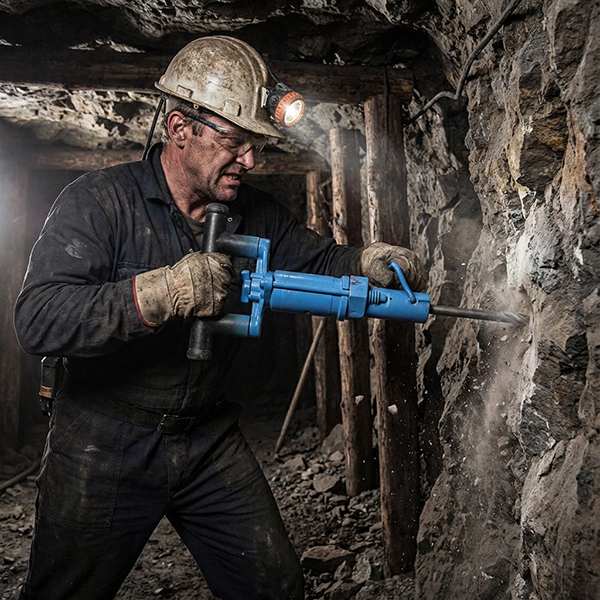

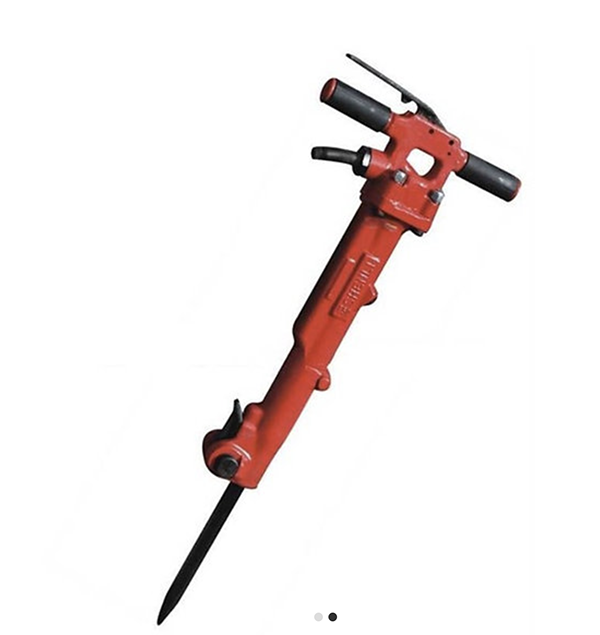
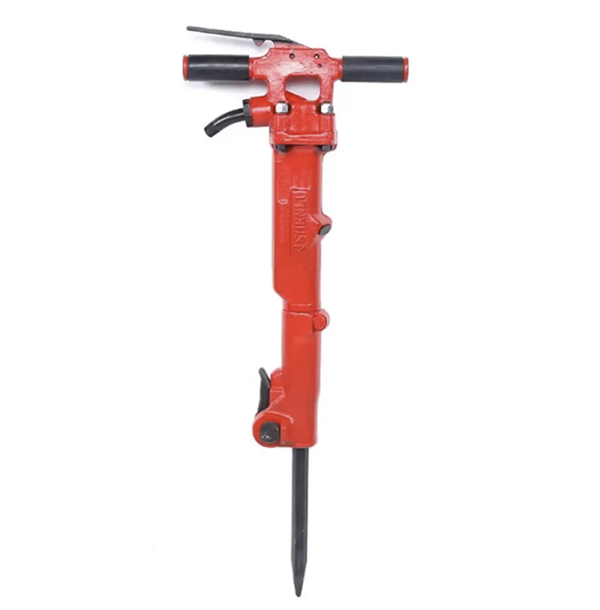
If you ask crews why some jack hammer models end up sitting in the container, the answer is usually simple: they’re either too heavy for everyday jobs or they’re too weak to be worth the noise. The TPB-40 Pneumatic breaker hammer sits in a more practical middle zone. It’s a hand held jack hammer that’s meant for regular breaking, patch work, and masonry jobs—work where control and steady output matter as much as “how hard it hits.”
Because it’s a Pneumatic jack hammer, the tool is driven by compressed air. That’s a big deal on real sites: air tools are often preferred when you want stable power, less electrical hassle, and a tool that can keep running as long as your air supply stays consistent.
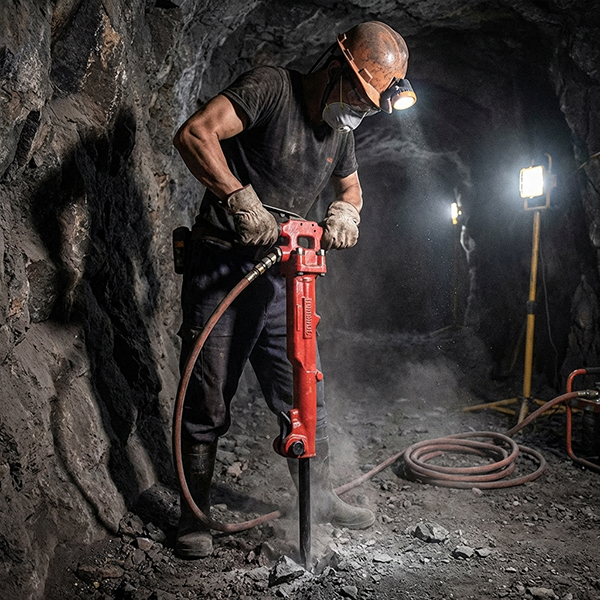
TPB-40 Specs (The Numbers That Actually Decide Whether It Fits Your Job)
Here are the exact parameters you gave—these are the specs buyers check first because they tell you what kind of work the tool is really built for:
Piston diameter: 44 mm
Piston stroke: 146 mm
Percussive frequency: 1050 b.p.m
Length: 660 mm
Air consumption: 1.6 m³/min
Air tube diameter: 19 mm
Shank size: 25 × 108 mm
Air inlet size: 3/4 (P/T)
My “human” reading of this: 44 mm piston + 146 mm stroke is the heart of the TPB-40. It’s not pretending to be a monster demolition breaker. It’s sized to deliver useful impact without turning the tool into a burden. And at 1050 blows per minute, it’s got a steady rhythm—fast enough to keep progress moving, but not the kind of high-frequency “buzz” that makes a hand held jack hammer feel harder to control after a long shift.

What the TPB-40 Jack Hammer Is Typically Used For
When people choose a TPB-40 style Pneumatic jack hammer, they usually have real, practical tasks in mind:
Concrete repair and light-to-medium breaking: edges, small slabs, localized removal
Brick and masonry work: trimming, opening, surface removal on walls
Road and municipal maintenance: patch jobs, curb work, small access openings
Workshop/industrial chiseling: cleaning, trimming, general chisel tasks where you want control
In other words: it’s the jack hammer you grab for the kind of work that shows up every week—not only the “big demo day.”
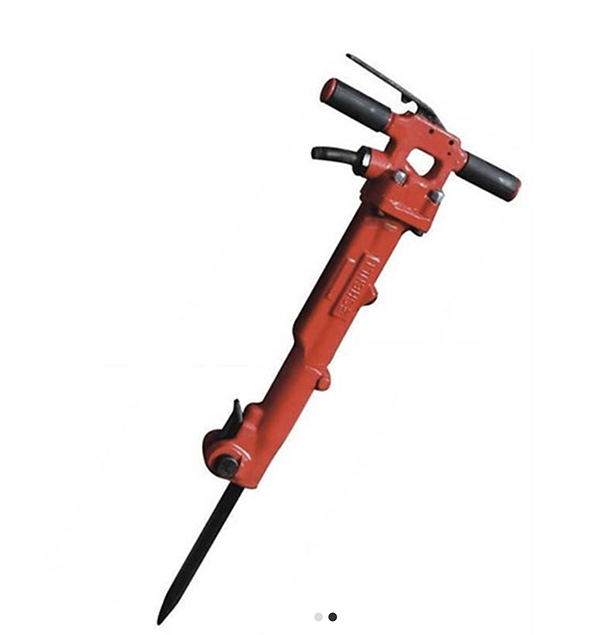
Customer Questions People Usually Ask (And How I’d Answer Them on a Real Jobsite)
1) “Is TPB-40 powerful enough, or will it feel underpowered?”
For the right scope, it’s plenty workable. The tool is built around a 44 mm piston and 146 mm stroke, which is a clear signal it’s designed for efficient breaking rather than extreme demolition. Pair that with 1050 b.p.m, and you get a tool that keeps chipping forward in a predictable way—especially useful when the operator needs accuracy, not just aggression.
If your daily work is patching, masonry opening, or medium concrete removal, this hand held jack hammer makes sense. If you’re tearing out thick reinforced foundations all day, you’d usually step up in size.
2) “What compressor do we need for this Pneumatic jack hammer?”
This is where the TPB-40 is friendly. The rated air consumption is 1.6 m³/min, which is relatively economical for a Pneumatic jack hammer. On many sites that means you’re less likely to fight for air when multiple tools are running.
One practical note: air tools don’t just need “enough air,” they need stable air. If airflow drops, the tool doesn’t fail dramatically—it just starts feeling lazy, and the crew loses time without realizing the compressor is the real bottleneck.
3) “The hose—does 19 mm really matter?”
Yes, it matters more than people expect. The TPB-40 calls for a 19 mm air tube diameter. If the hose is too small, too long, or constantly bent, the tool can’t breathe. And when a jack hammer can’t breathe, it hits softer and everyone assumes the tool is the problem.
This lines up with the typical operating guidance you mentioned earlier: avoid sharp bends and kinks, because those “small” mistakes steal airflow fast.
4) “What chisels fit the TPB-40?”
Check the shank first, always. TPB-40 uses 25 × 108 mm shank size. That’s the compatibility number that prevents headaches—wrong shank means poor fit, unstable operation, and wasted time.
5) “How often do we oil it? Be honest—what’s realistic?”
If a pneumatic breaker dies early, it’s usually not because the design is bad—it’s because someone ran it dry or abused it. A simple routine that matches the kind of guidance you shared before is:
Oil before use
During continuous work, add pneumatic oil about every 2 hours (some crews stretch it to 2–3 hours, but 2 hours is a safer habit)
Keep a regular cleaning routine—many teams do a weekly clean/disassemble/check rhythm
If storing the tool for more than a week, oil it before storage
For a Pneumatic jack hammer, lubrication is not “nice to have.” It’s what keeps performance stable and parts from wearing out early.
6) “What’s the fastest way to damage a hand held jack hammer?”
Two classics, and both show up on real sites all the time:
Empty striking (blank hitting): running the tool without the chisel properly engaged on the work surface
Bad lubrication habits: “We’ll oil it later” usually turns into “Why is it losing power?”
If you want the TPB-40 to stay reliable, those are the two habits to control first.
7) “Anything else we should check before we buy?”
Two quick checks that save time:
Make sure your air line setup matches the tool: 3/4 (P/T) air inlet and 19 mm hose are not random numbers.
Confirm your tool steel supply matches 25 × 108 mm shank so you’re not stuck hunting accessories after delivery.
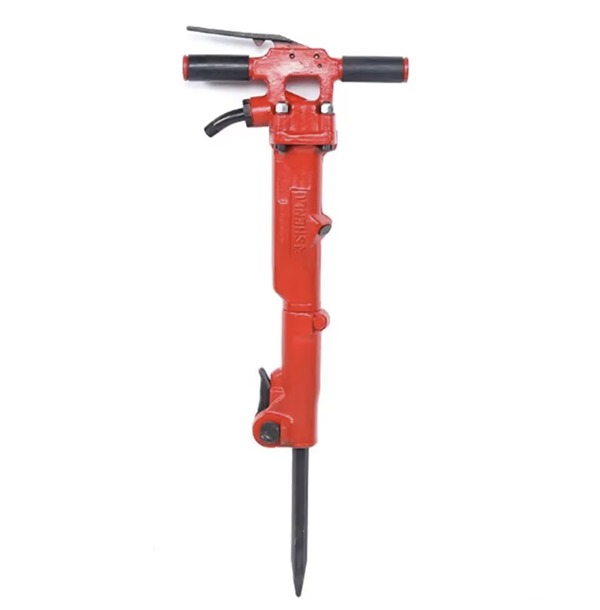
Summary: Who the TPB-40 Is For
The TPB-40 Pneumatic breaker hammer is a practical, job-ready jack hammer for teams doing frequent light-to-medium breaking. Its core working specs—44 mm piston diameter, 146 mm stroke, and 1050 b.p.m—point to controlled, steady performance rather than oversized demolition power. With 1.6 m³/min air consumption, a 19 mm air tube setup, 3/4 (P/T) inlet, and 25 × 108 mm shank, it’s a sensible hand held jack hammer choice for everyday site work—especially if you keep the air supply stable, oil it regularly, and avoid empty strikes.