
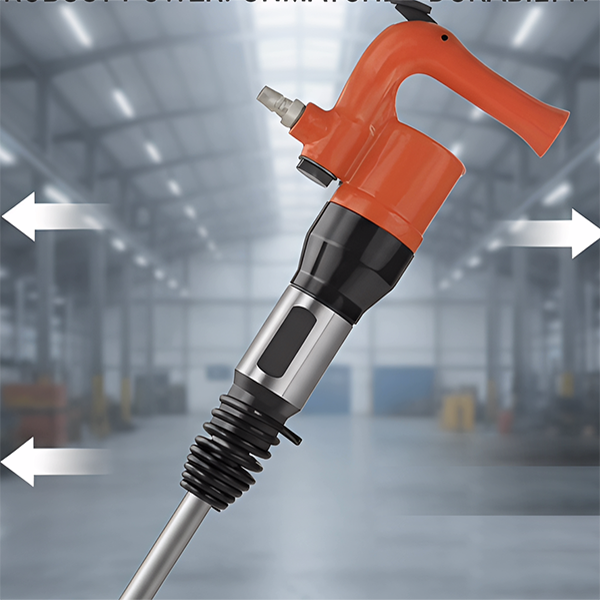
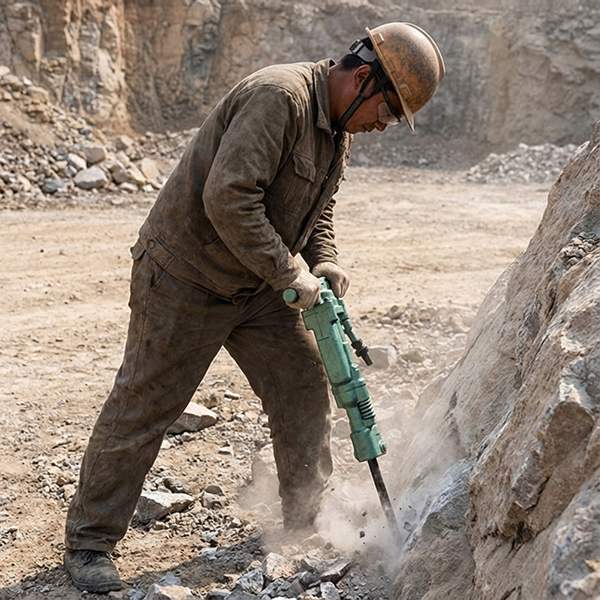
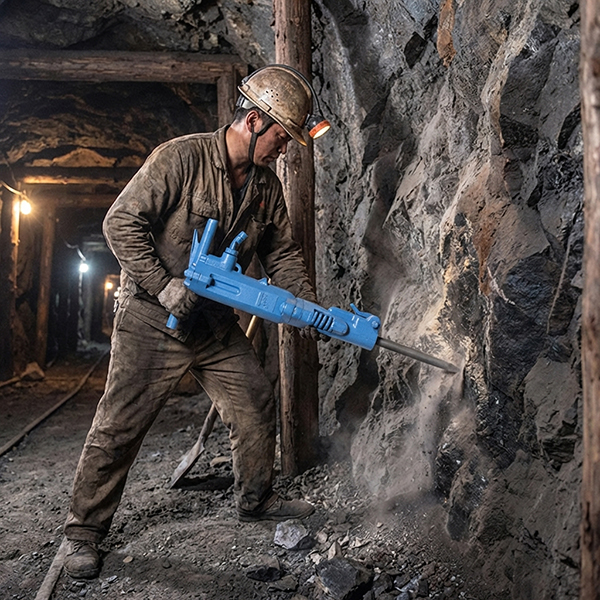
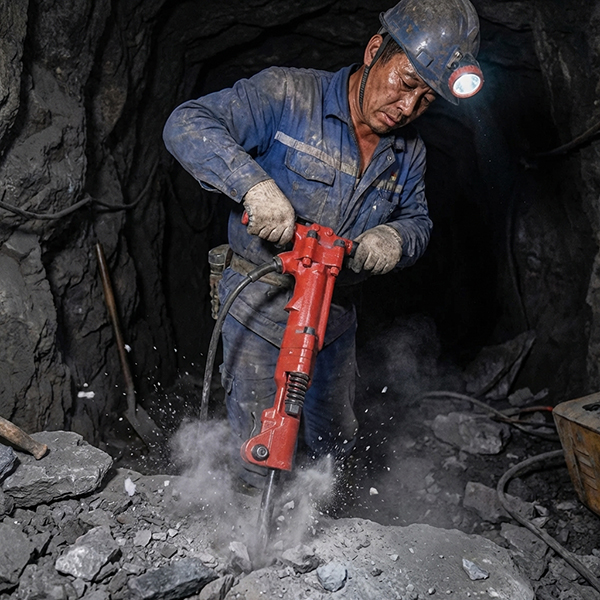
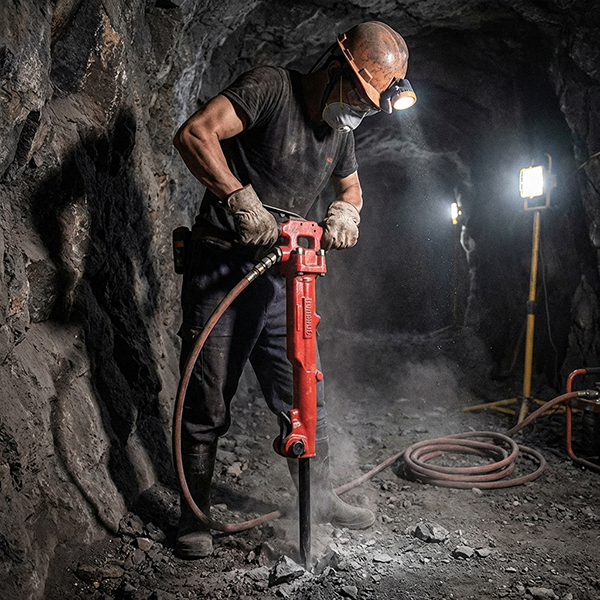
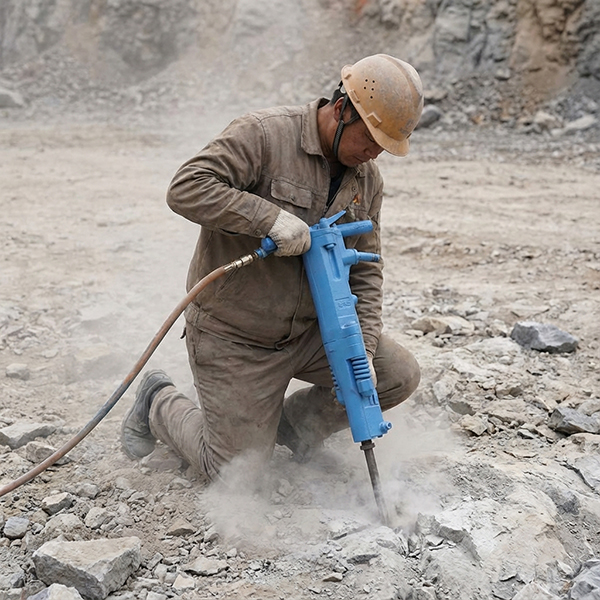
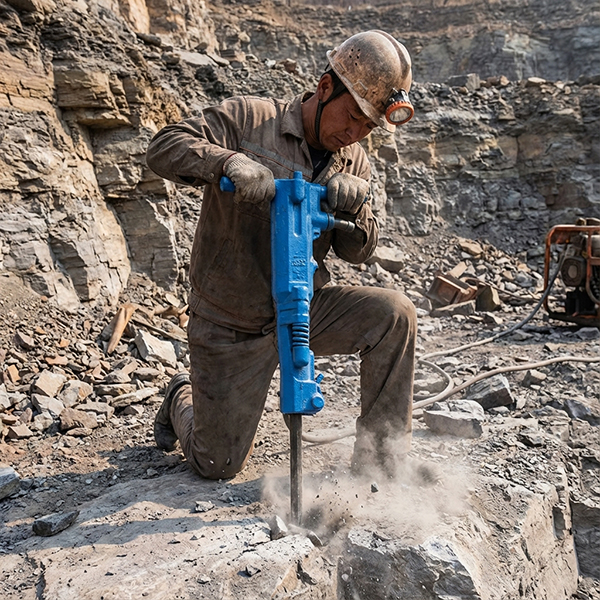
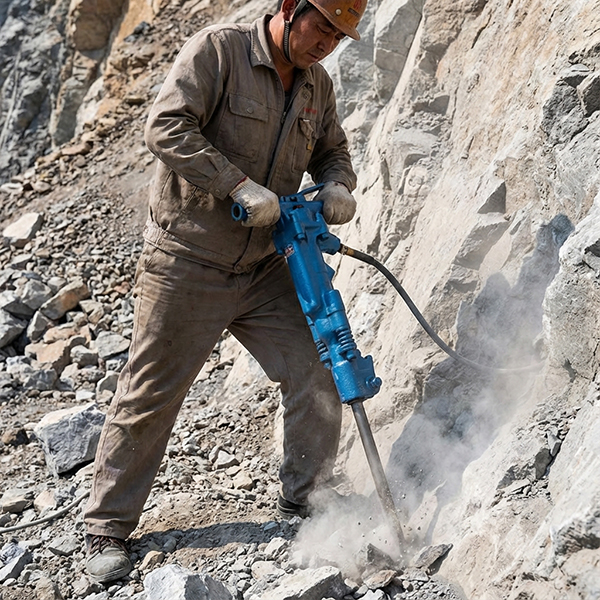
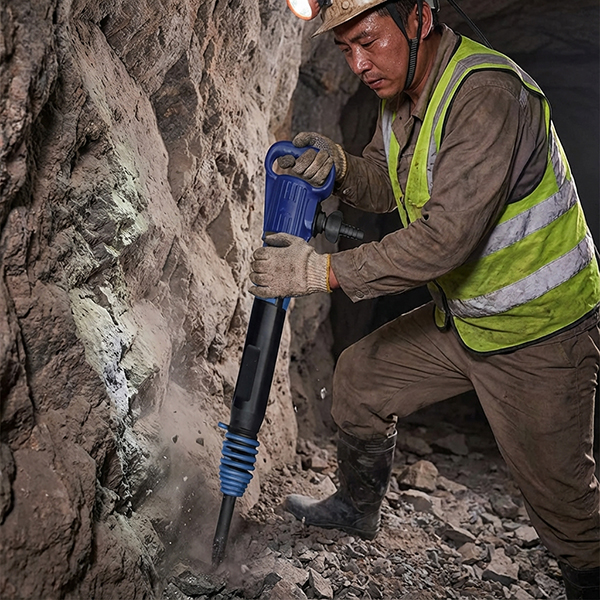
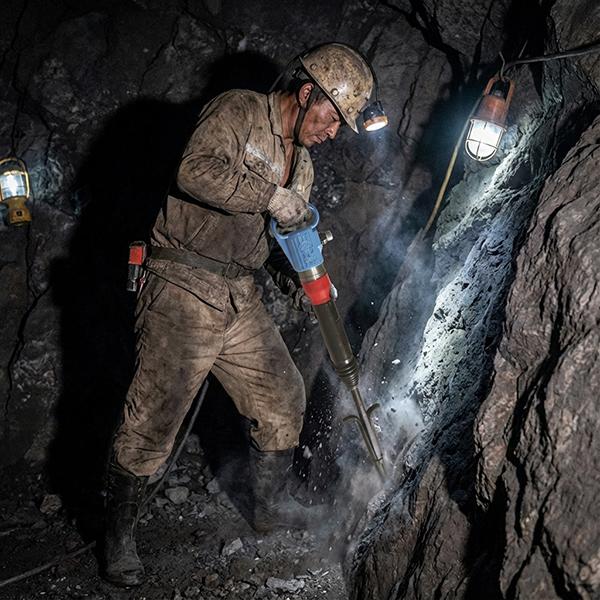
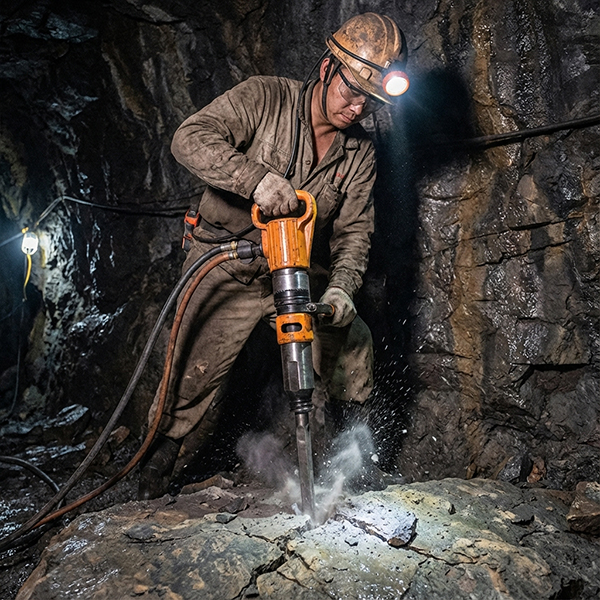
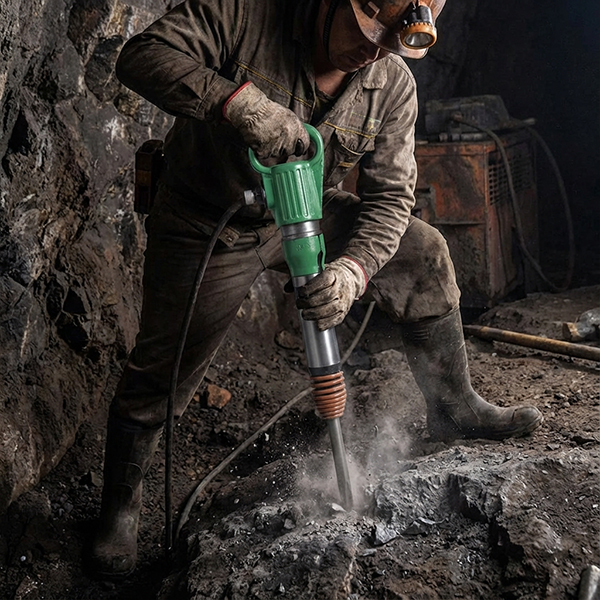
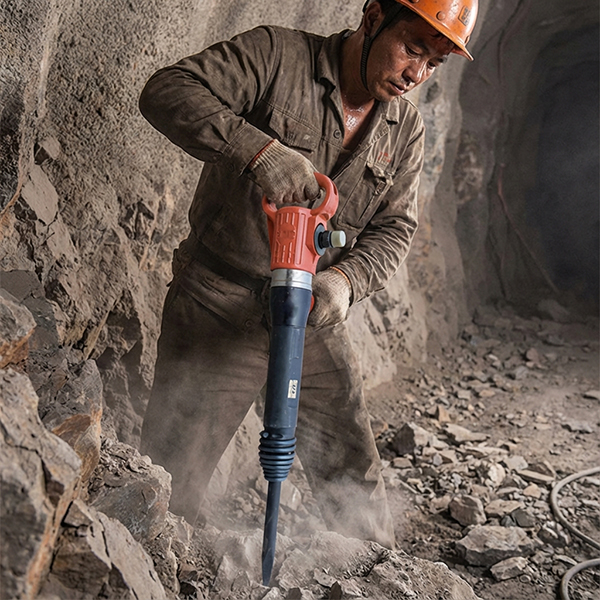
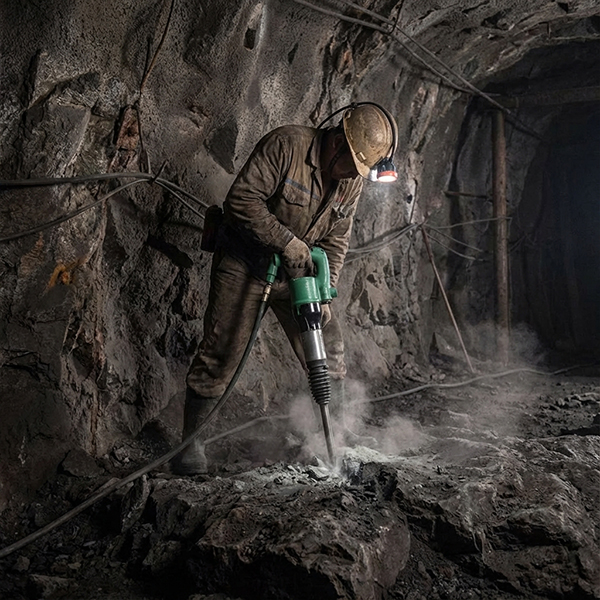
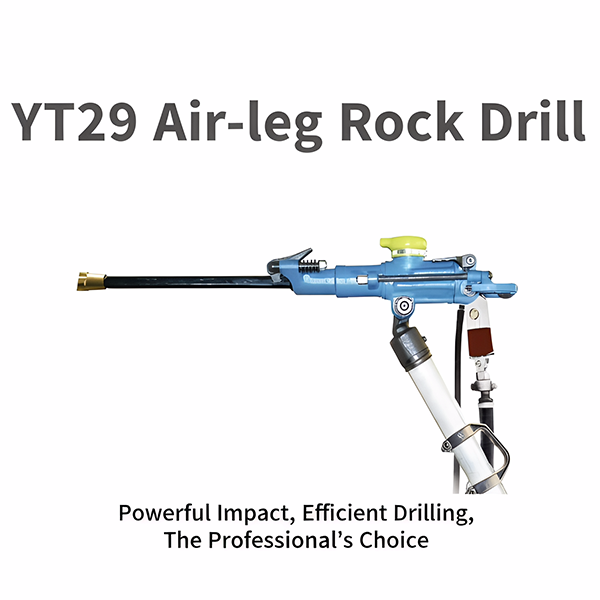
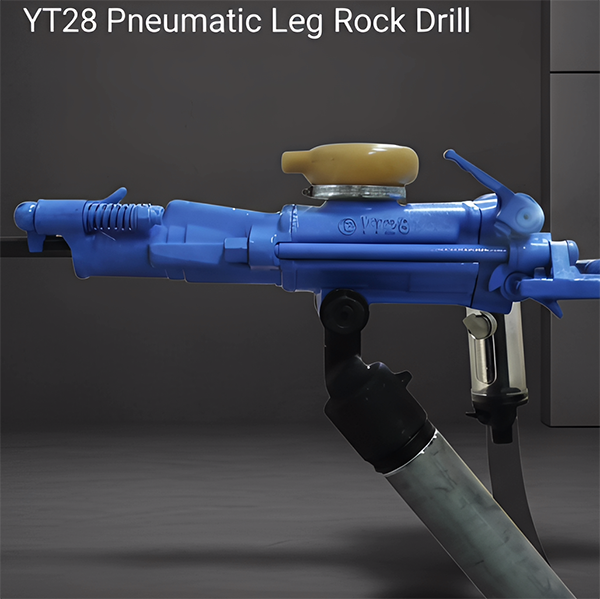
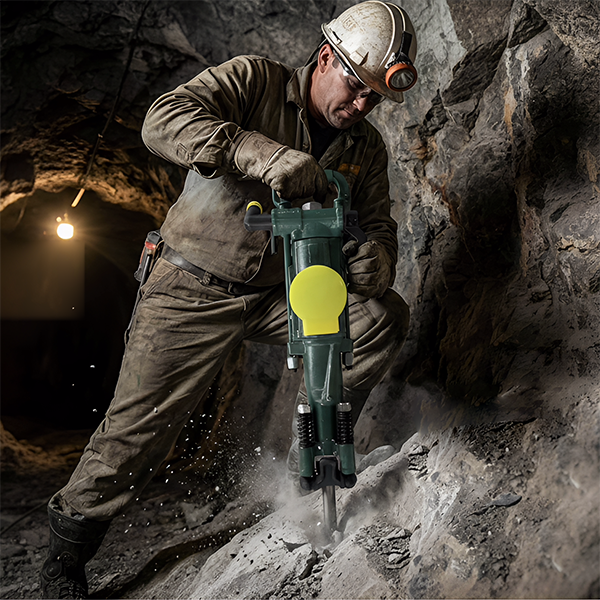
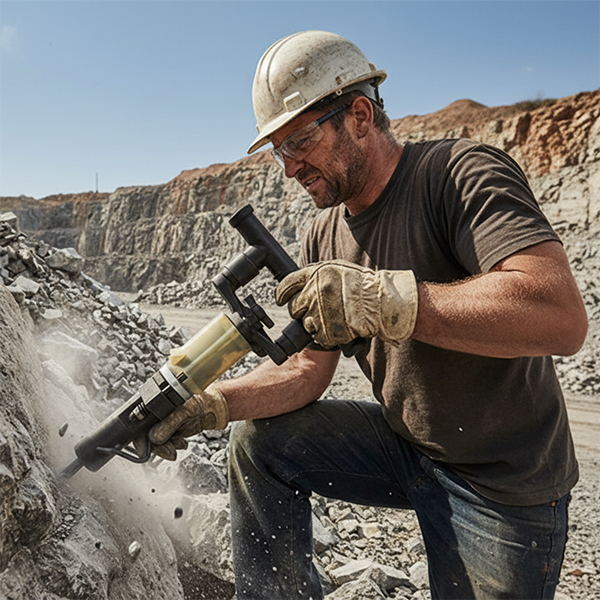
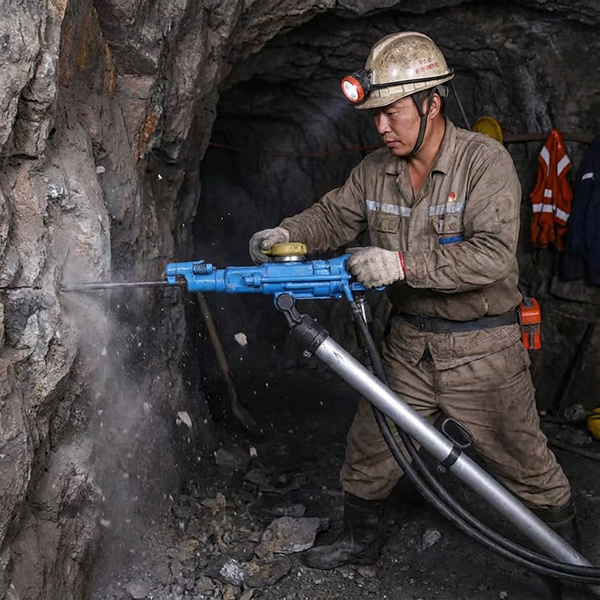
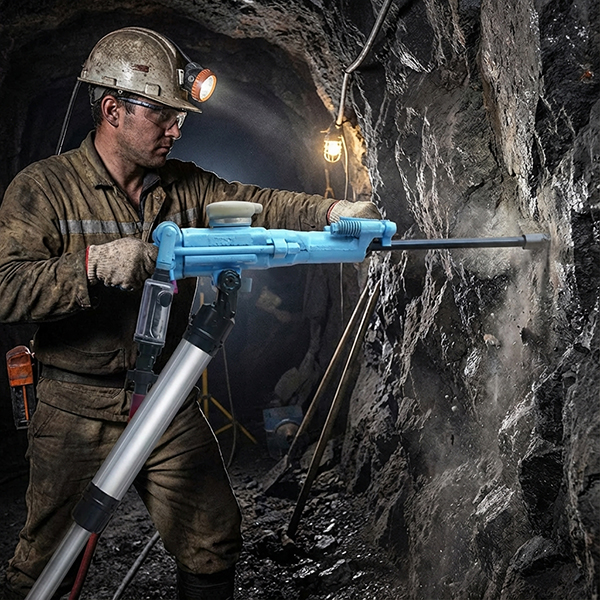
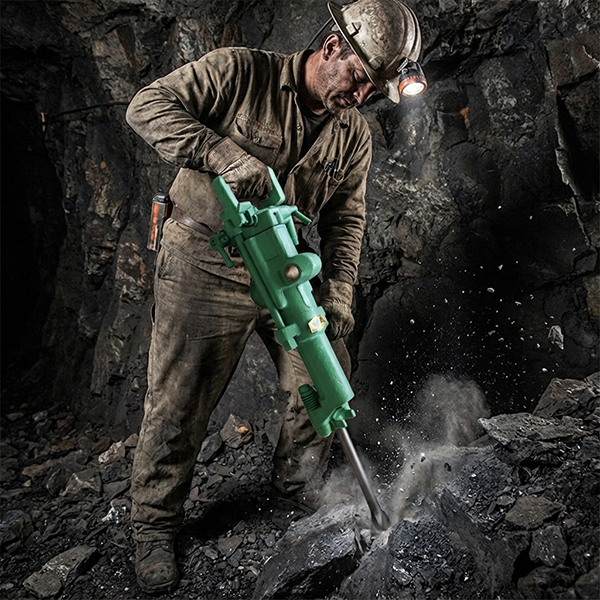
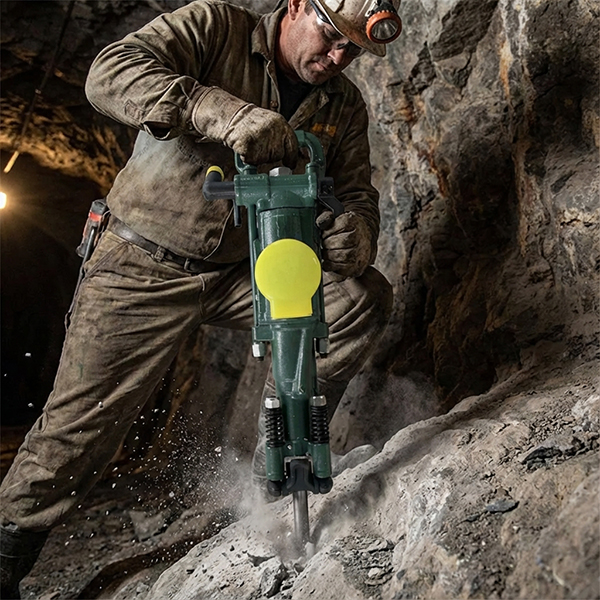
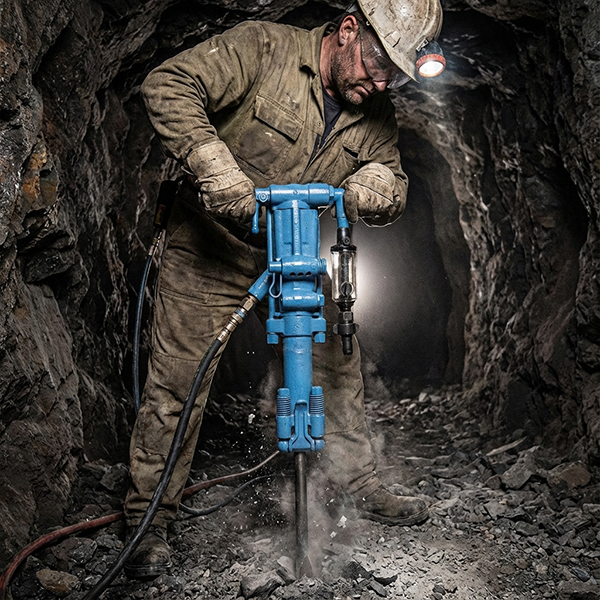
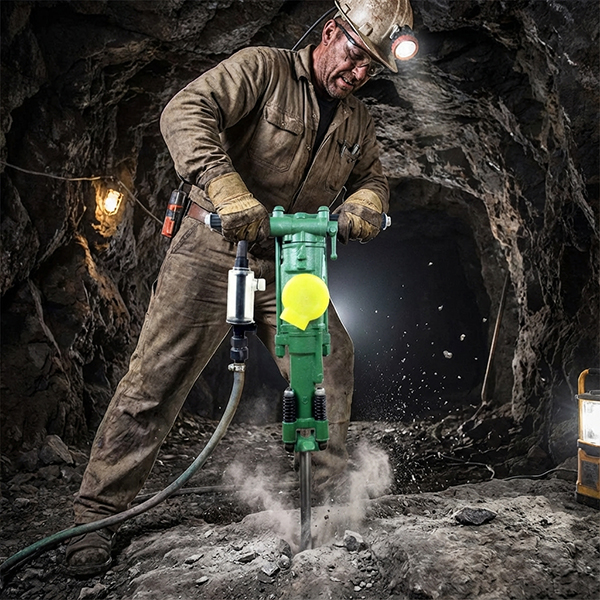
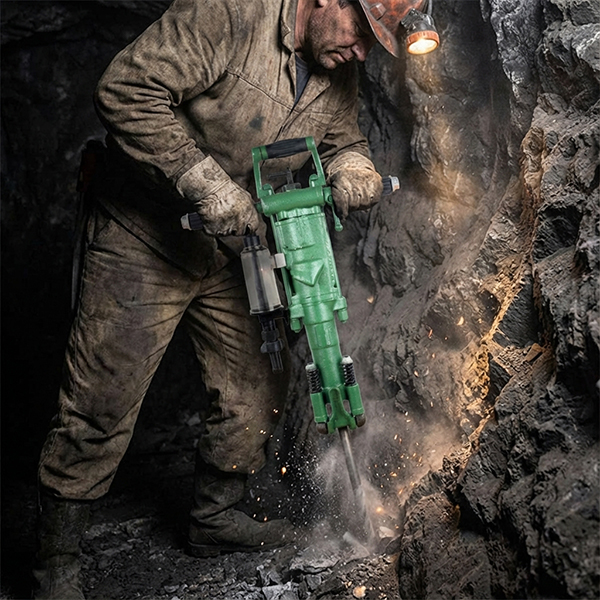
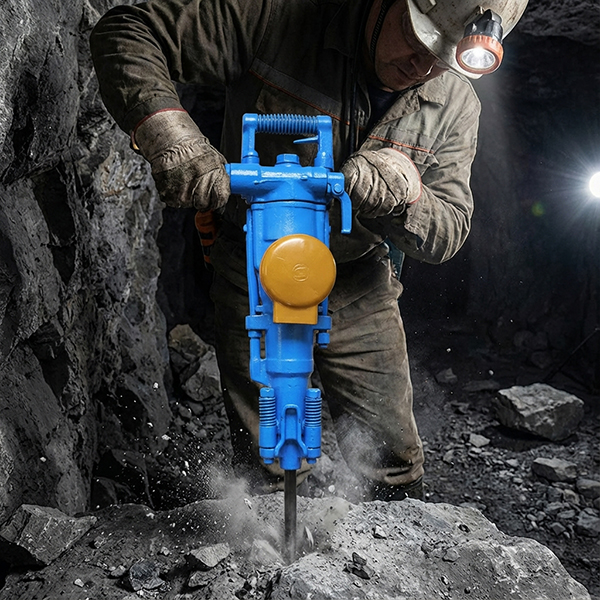
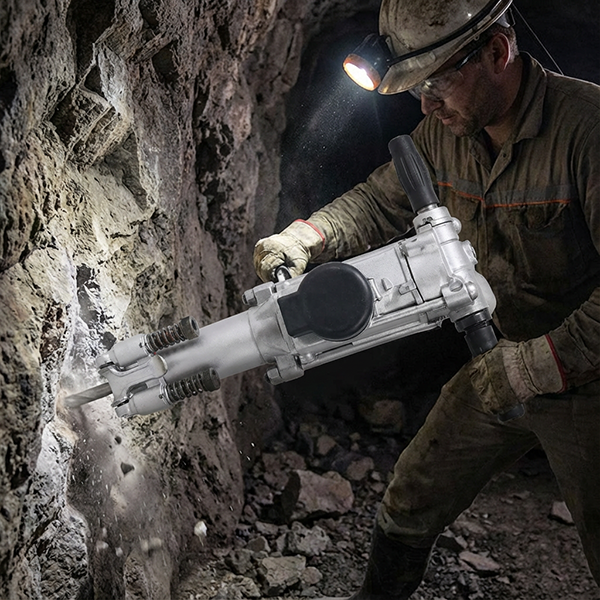
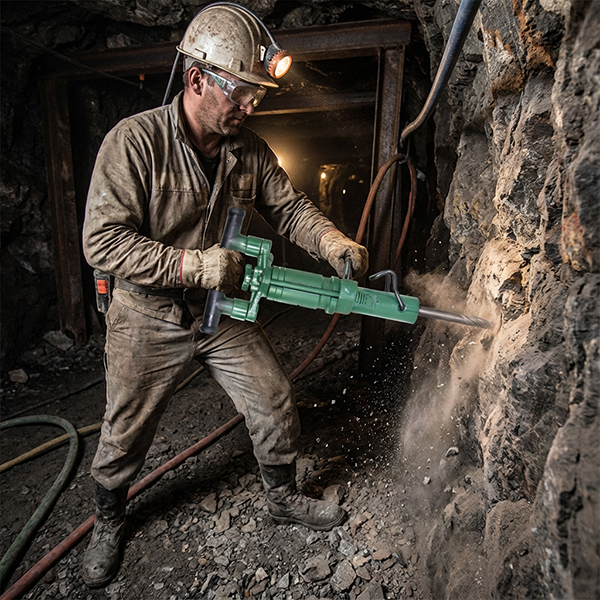
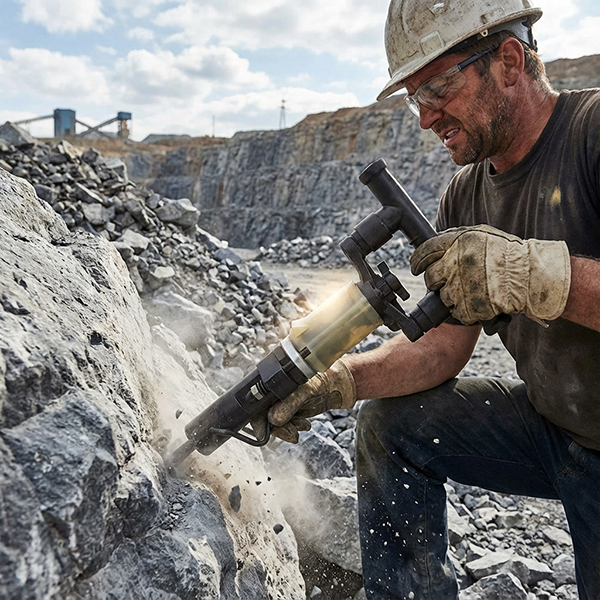
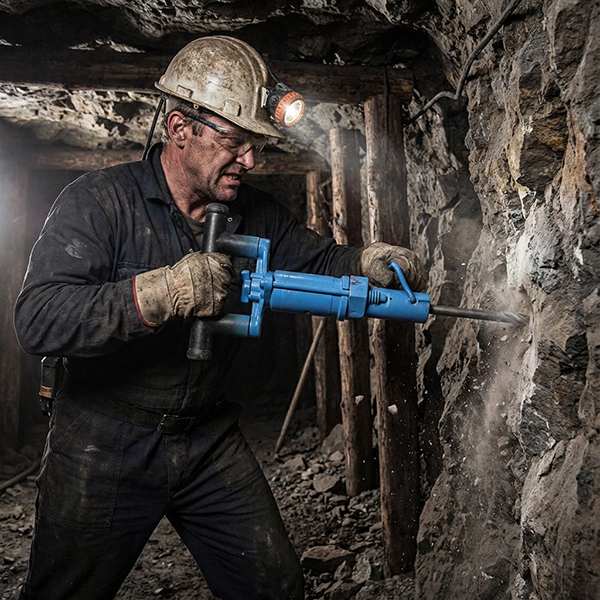
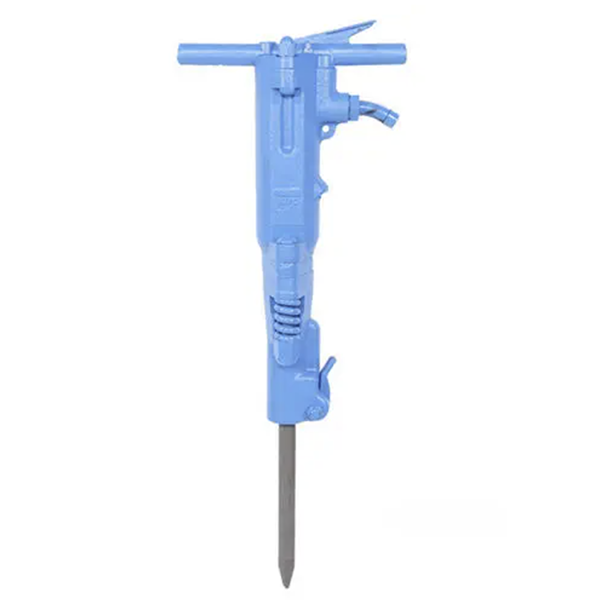
On paper, most jack hammer models look “powerful.” In real work—thick concrete, stubborn asphalt, casting cleanup, or chipping in tight corners—you quickly find out whether a tool actually delivers consistent impact, or just shakes your arms and wastes air.
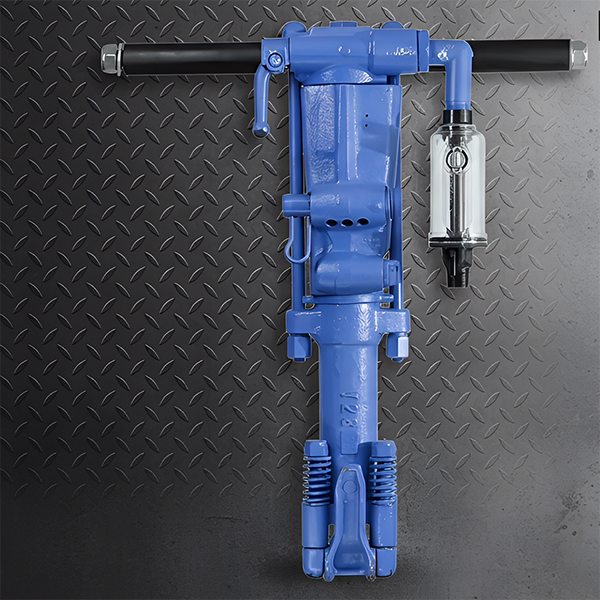
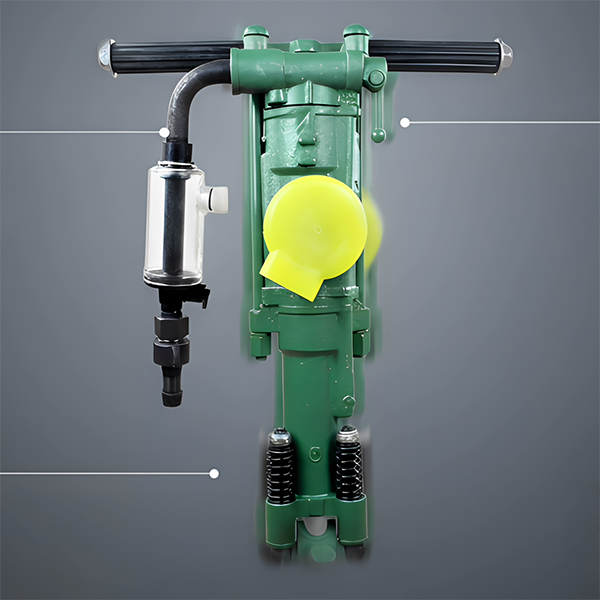
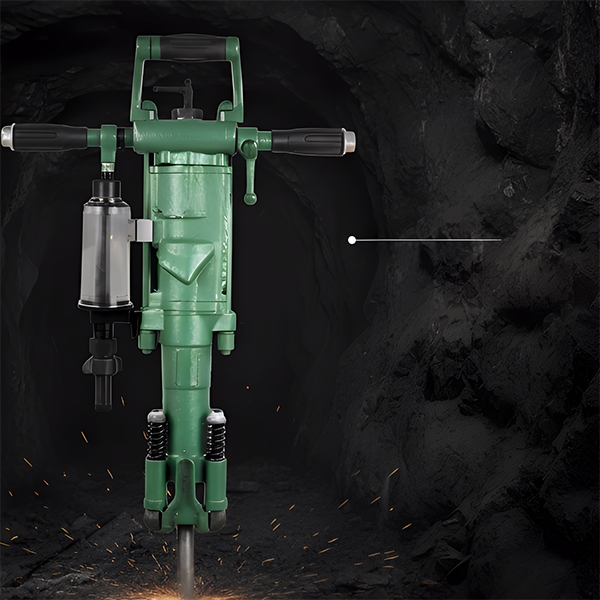
The TPB-90 Pneumatic breaker hammer is the kind of Pneumatic jack hammer people usually choose when they’re done experimenting with light tools. It’s still a hand held jack hammer, but it’s clearly built for heavier breaking and longer shifts, as long as you feed it the right air and keep up with lubrication.
Below is a practical, customer-style introduction (not just a spec list), plus the questions buyers tend to ask before they commit.
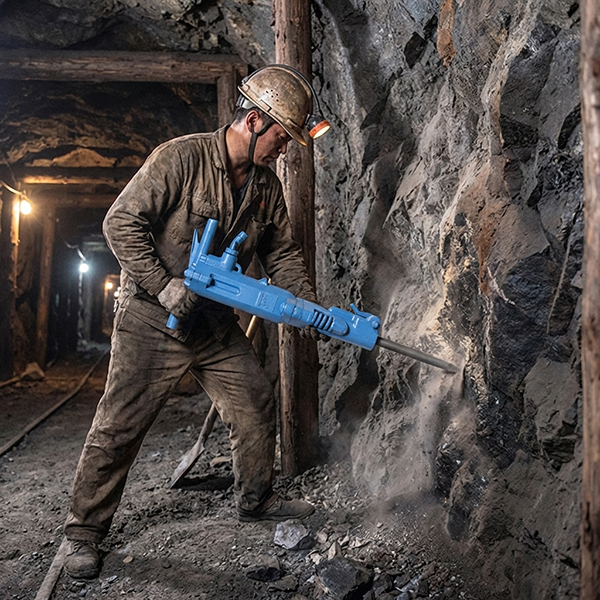
A Quick, Real Introduction to the TPB-90 Pneumatic Jack Hammer
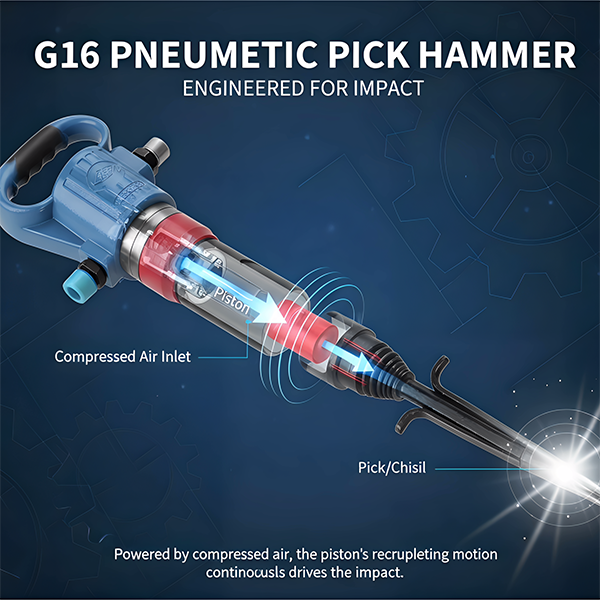
The TPB-90 is driven by compressed air. Inside, a piston moves back and forth, striking the tool shank again and again to deliver breaking force. What matters here is that the TPB-90 is built around a big piston and a long stroke:
Piston diameter: 66.67 mm
Piston stroke: 152 mm
Percussive frequency: 1250 blows per minute (BPM)
That combo—66.67 mm diameter with a 152 mm stroke—tells you this is not a “small demo hammer.” It’s meant to hit deep and break efficiently. The frequency at 1250 BPM is also a good sign for control: strong repeated blows rather than a too-fast “buzz” that struggles on thick material.
The rest of the key working numbers (the ones that decide whether your tool feels strong or weak on-site) are:
Length: 723 mm
Weight: 42.0 kg (your data line shows “420mm,” but in this context it’s clearly 42.0 kg, consistent with TPB-90 class tools)
Air consumption: 2.2 m³/min
Air tube diameter: 19 mm
Shank size: 32 × 155 mm
Air inlet size: 3/4" (PT)
So if your jobsite already runs compressed air and you want a heavy-duty hand held jack hammer, the TPB-90 is designed to sit in that “serious breaker” spot.
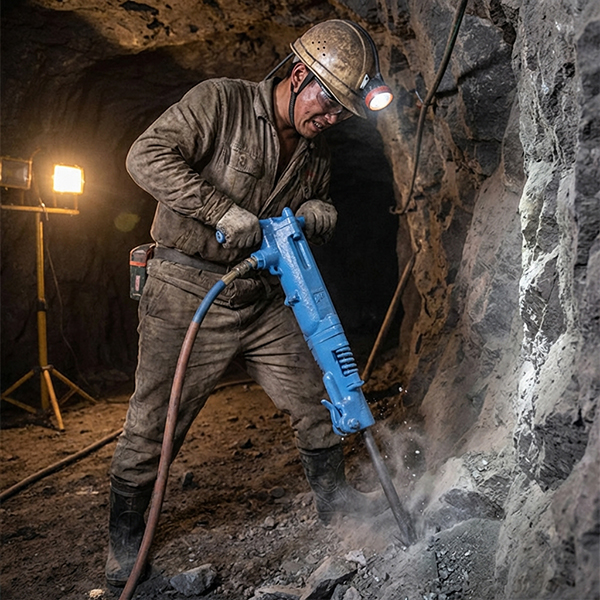
Where the TPB-90 Jack Hammer Usually Gets Used
A lot of customers buy a pneumatic jack hammer for demolition, then realize it’s equally valuable for industrial maintenance work. Based on the same product-use knowledge you’ve been using (construction + mining + metalwork style applications), TPB-90 is typically used for:
Construction & roadwork
Breaking concrete slabs, walls, foundations
Removing asphalt pavement for road repair, pipelines, or cable trenching
General demolition where a heavier jack hammer saves time
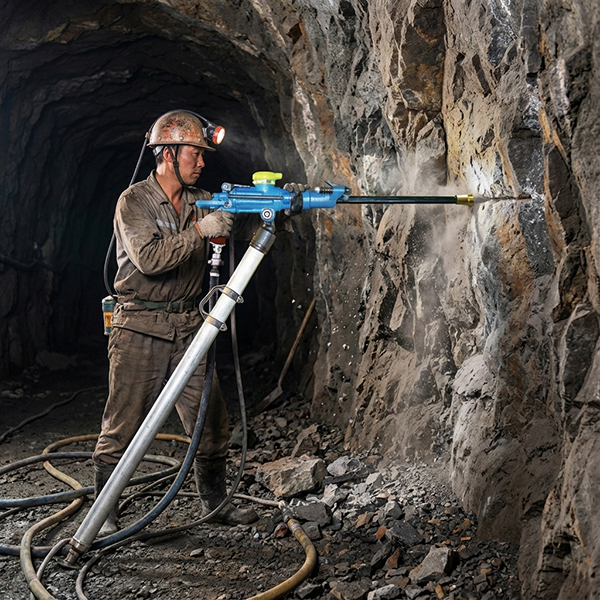
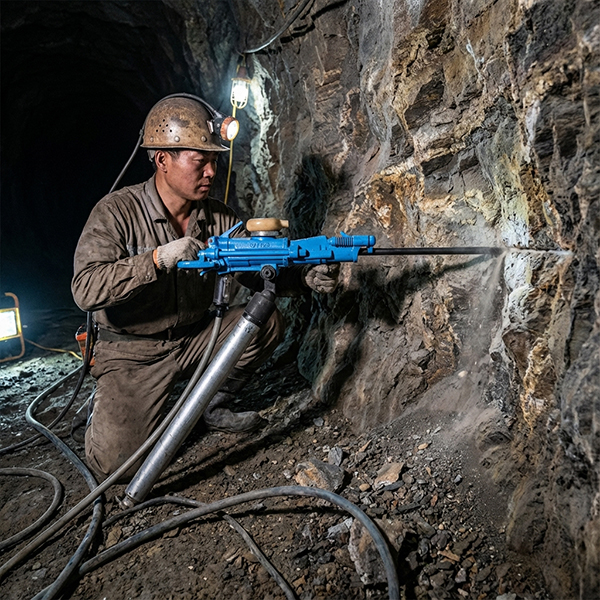
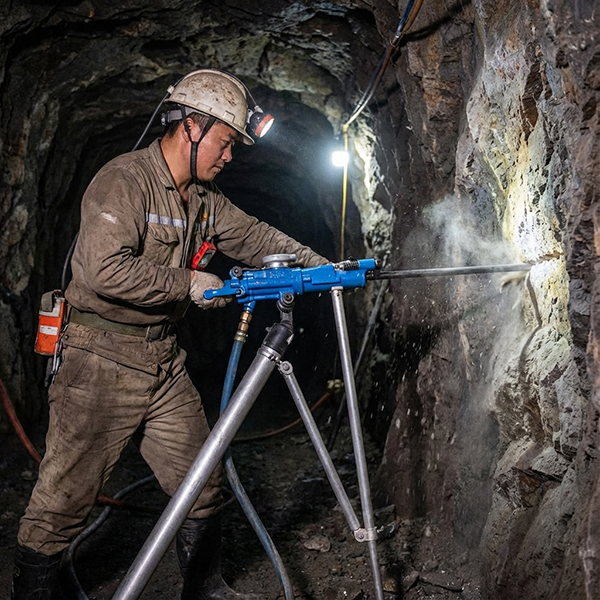
Mining & quarry work
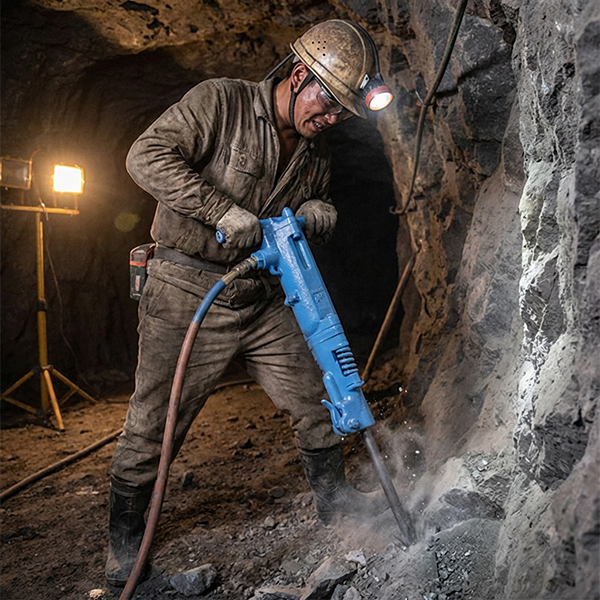
Cutting and trimming work in coal seams and softer rock
Breaking in confined areas where big machines can’t reach
Foundry / fabrication / maintenance
This is where pneumatic breakers quietly earn their keep:
Casting sand removal and deburring on cast parts
Cleaning up sprues/risers on medium to large castings
Chipping and surface prep on metal structures (boilers, shipbuilding, metallurgy)
Removing weld seam material and doing rough surface cleanup
In short: the TPB-90 isn’t only a “demo day” tool. It’s a practical Pneumatic jack hammer for production environments too—especially when you need reliable impact and simple maintenance.
What Makes TPB-90 Feel “Different” in Use
People usually feel the difference in two places:
1) Impact structure (the “hits” feel deeper)
The internal geometry is the story here: 66.67 mm piston diameter + 152 mm stroke. That’s a serious impact layout, and it’s exactly what you want when you’re not just cracking thin concrete—you’re breaking thick sections or doing heavy chipping.
2) Air delivery is designed for real hose setups
The TPB-90 calls for:
2.2 m³/min air consumption
19 mm air hose
3/4" (PT) inlet
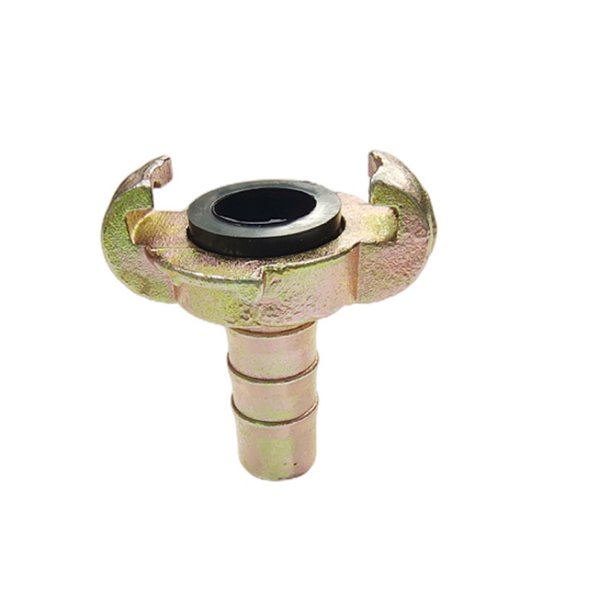
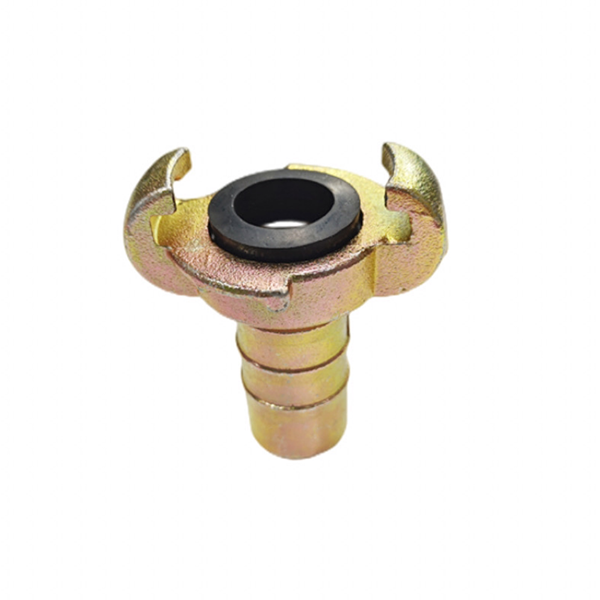
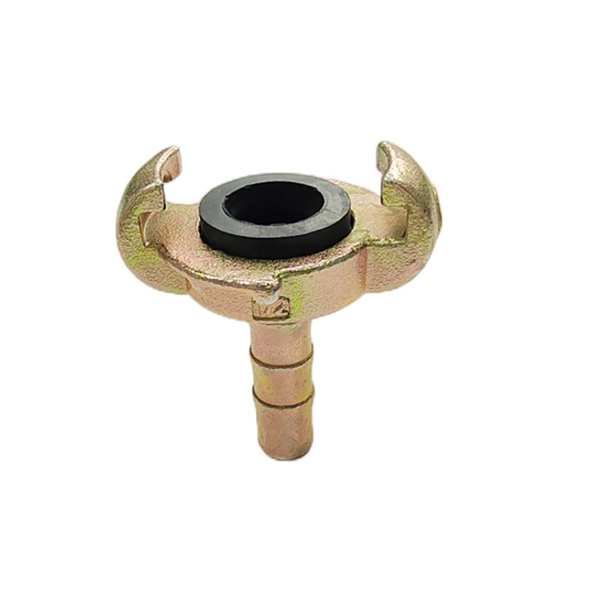
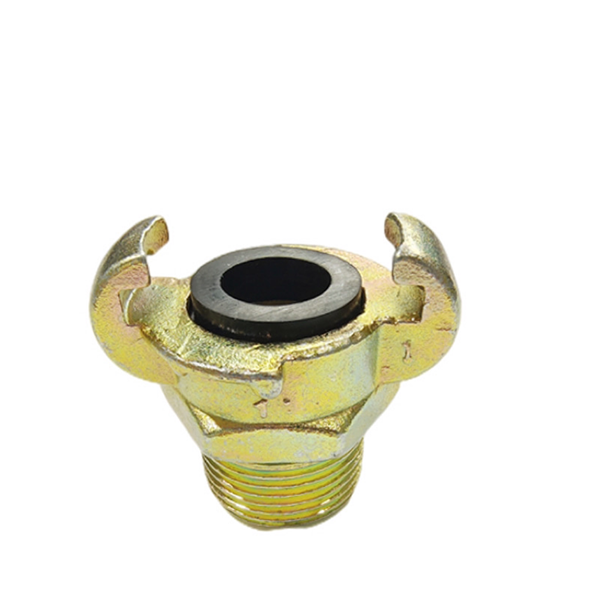
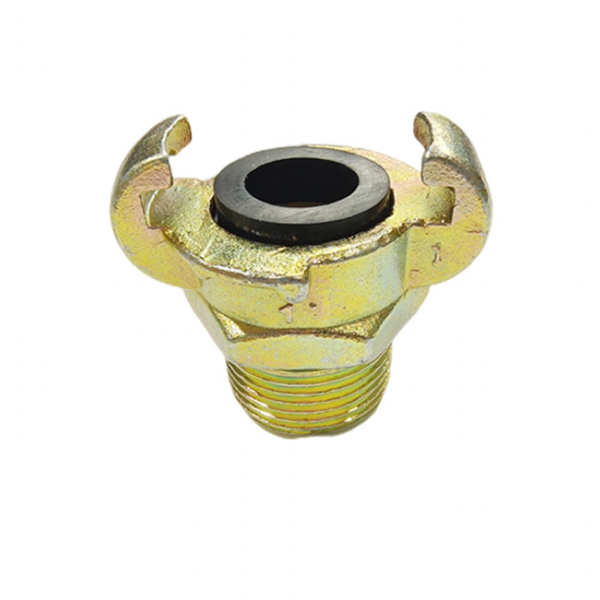
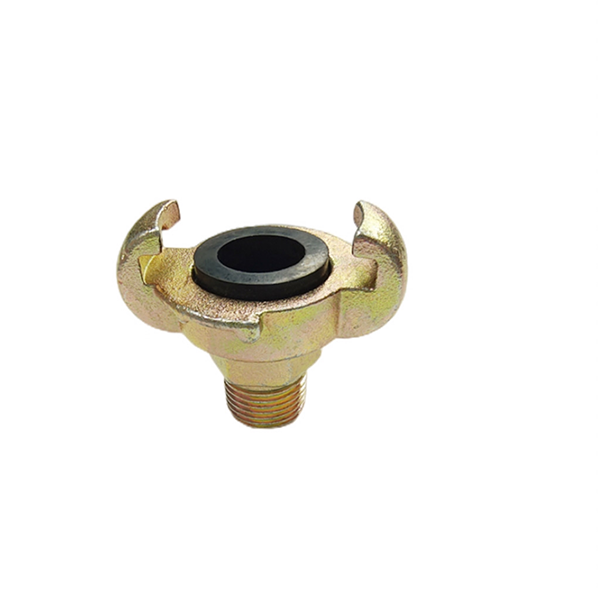
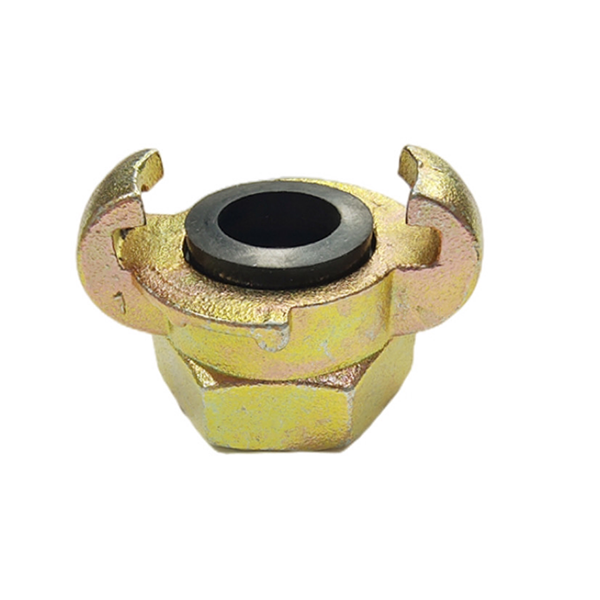
That’s a very workable setup on sites that already have decent compressors and proper fittings. But it also means if someone tries to run it through a skinny hose or weak coupler, they’ll complain the hammer “isn’t strong.” Most of the time, it’s not the hammer—it’s the airflow.
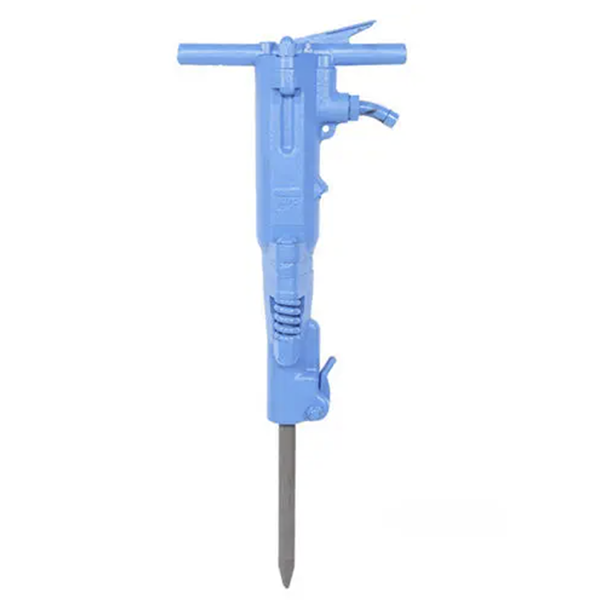
Customer Questions (The Ones People Actually Care About)
Q1: “Is TPB-90 overkill, or will it actually save time?”
If you regularly work on thicker concrete/asphalt or heavy chipping, the TPB-90 usually saves time simply because it doesn’t rely on “speed” to do the job. It relies on a stronger impact system: 66.67 mm piston and 152 mm stroke, cycling at 1250 BPM. That’s a very practical setup for steady breaking without constantly fighting the material.
Q2: “What air supply do I need so it performs like it should?”
Match the tool’s airflow needs:
Air consumption: 2.2 m³/min
Air tube diameter: 19 mm
Air inlet: 3/4" (PT)
And one jobsite habit that matters a lot (and is easy to ignore): before connecting, blow out the air hose to clear dust and debris. Dirty air lines are a common reason valves start sticking or performance becomes inconsistent.
Q3: “Does the 1250 BPM frequency mean it’s weaker than a faster hammer?”
Not necessarily. People get tricked by BPM numbers. A pneumatic jack hammer is about how it breaks material, not just how fast it taps. At 1250 blows/min, the TPB-90 is designed for controlled, heavy impact—especially paired with that 152 mm stroke. For thick breaking, that’s often better than chasing higher BPM with lighter hits.
Q4: “What tool bits fit this hand held jack hammer?”
The TPB-90 uses:
Shank size: 32 × 155 mm
That’s important for customers because it affects availability and cost of chisels. If your current bits match 32×155 mm, switching to TPB-90 is easy.
Q5: “What are the fastest ways people ruin a pneumatic jack hammer?”
This comes up a lot, especially with heavier models:
Dry firing (empty blows): hitting without proper load is hard on internal parts. Avoid it.
Skipping lubrication: with pneumatic tools, oil is life. A good routine is oiling every 2–3 hours during use, and again when stopping.
Wrong hose / poor fittings: the TPB-90 is designed around a 19 mm hose and 3/4" PT inlet. Too small a hose = pressure drop = weak hits + extra wear.
Forcing/prying with the chisel: a breaker is for striking, not for levering. If the bit gets stuck, loosen it properly—don’t twist the tool like a crowbar.
Q6: “What maintenance routine is realistic on a busy site?”
A simple routine that actually works:
Before work: check connections, confirm the chisel is seated, add oil
During work: oil every 2–3 hours; stop if anything sounds/feels abnormal
Regular cleaning: if the site is dusty (concrete/asphalt or foundry work), schedule periodic cleaning of air path and parts—dirty air is a hidden killer for pneumatic tools
Storage: keep it dry, clean, and oiled if it won’t be used for a while
This isn’t “marketing maintenance”—it’s the difference between a tool that lasts and a tool that becomes unreliable halfway through a project.
Why People Pick the TPB-90 Pneumatic Breaker Hammer
If you want the short version: TPB-90 is chosen because it’s a heavy-duty jack hammer that still fits into a hand held jack hammer workflow.
You’re getting:
A strong impact layout (66.67 mm piston, 152 mm stroke)
A controlled working rhythm (1250 BPM)
Practical air requirements (2.2 m³/min, 19 mm hose, 3/4" PT inlet)
Standard consumable compatibility (32 × 155 mm shank)
A sturdy body size for real job sites (723 mm length, 42.0 kg weight)
Final Summary
The TPB-90 Pneumatic breaker hammer is a serious Pneumatic jack hammer for contractors and industrial users who need consistent breaking power—concrete, asphalt, mining work, or heavy chipping and cleanup. If you supply it correctly (2.2 m³/min airflow, 19 mm hose, 3/4" PT inlet) and treat lubrication like part of the job, it’s the kind of hand held jack hammer that keeps performing instead of fading after a few weeks.