
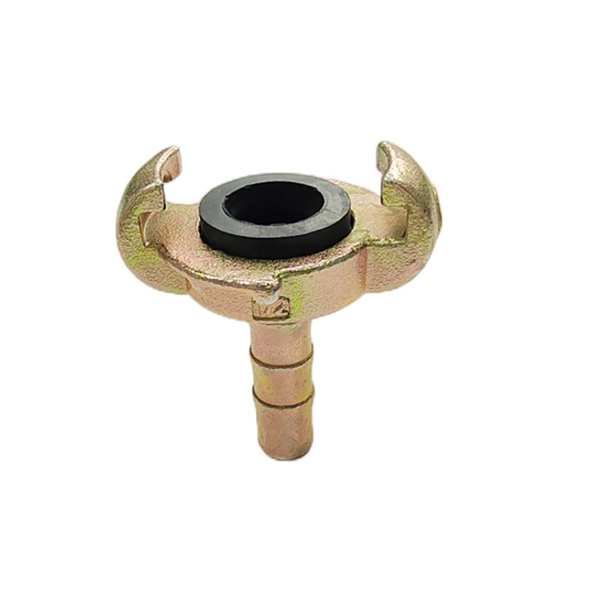
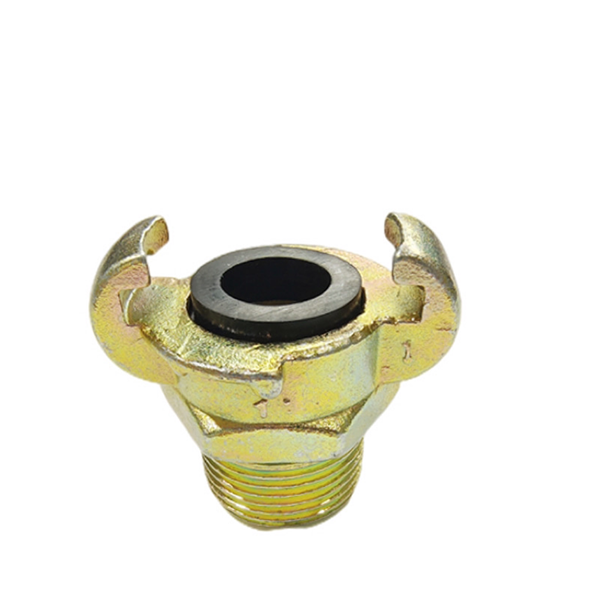
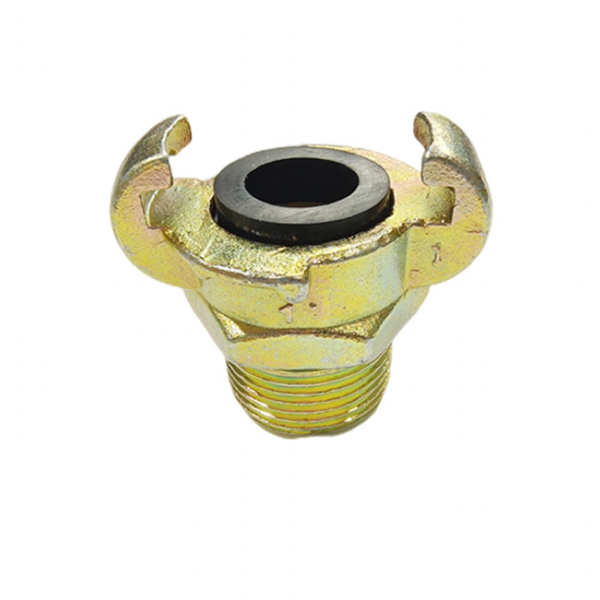
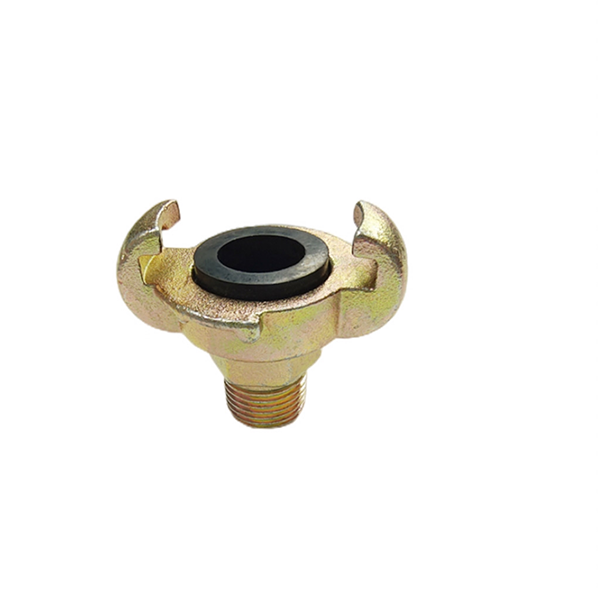
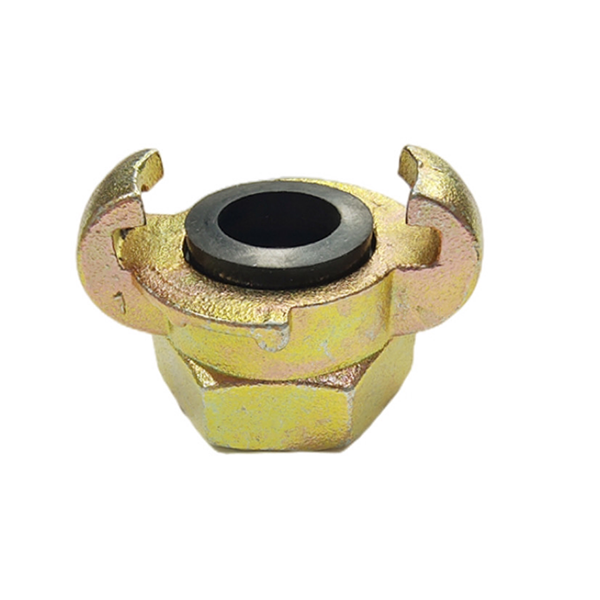
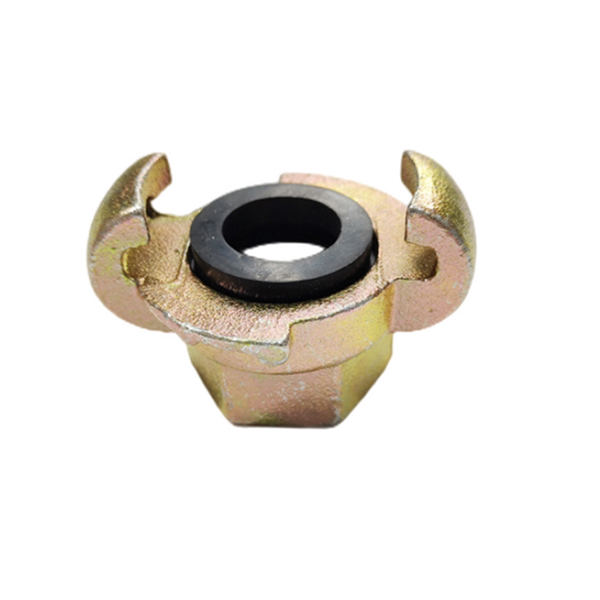
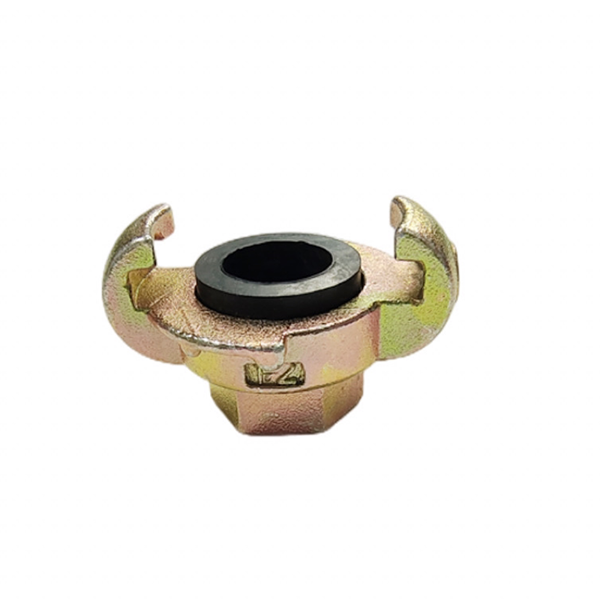
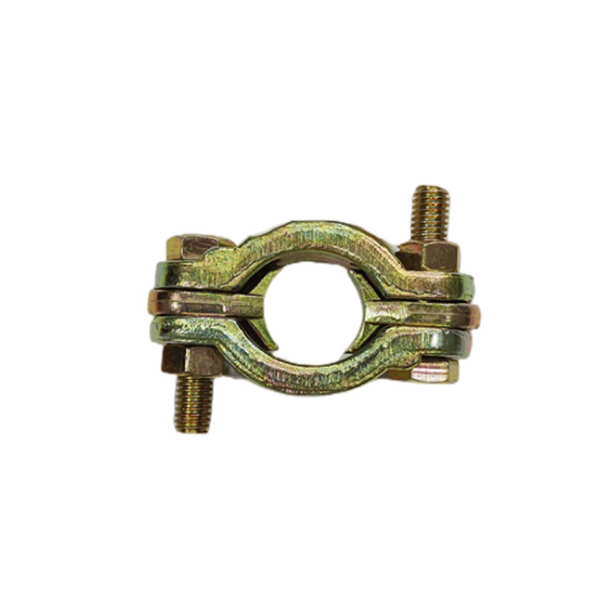
Product Description
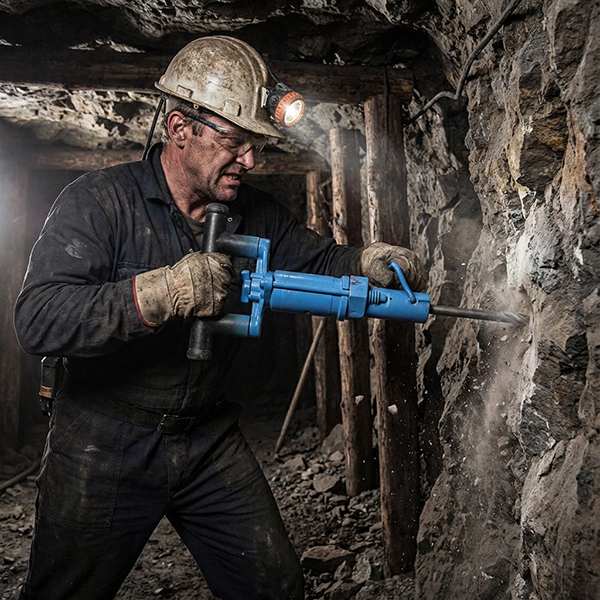
Not every drilling job needs a 2-inch air line and a 200 CFM compressor. Some of the most common rock drilling work — secondary breaking in quarries, anchor hole drilling in tunnel projects, small-scale mining — runs on smaller equipment, shorter hose runs, and tighter budgets.
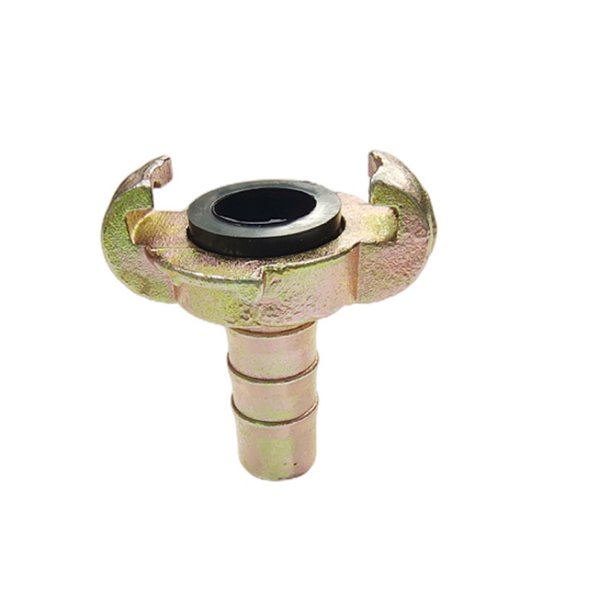
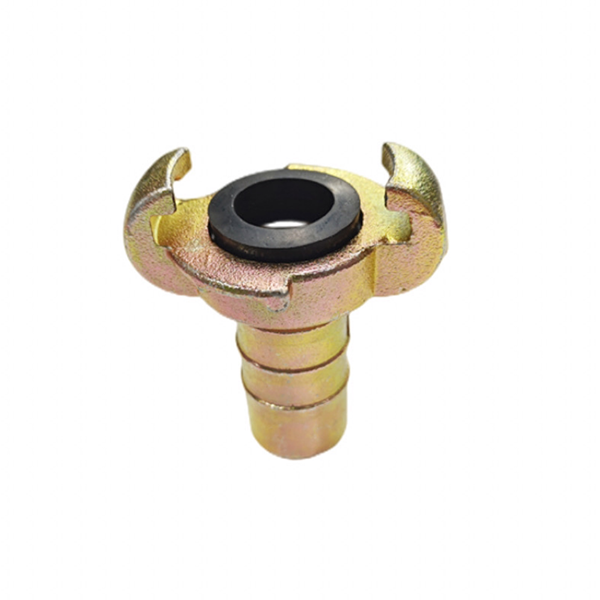
The SL34 is the coupling for that world.
Built for Smaller Systems, Not Smaller Standards
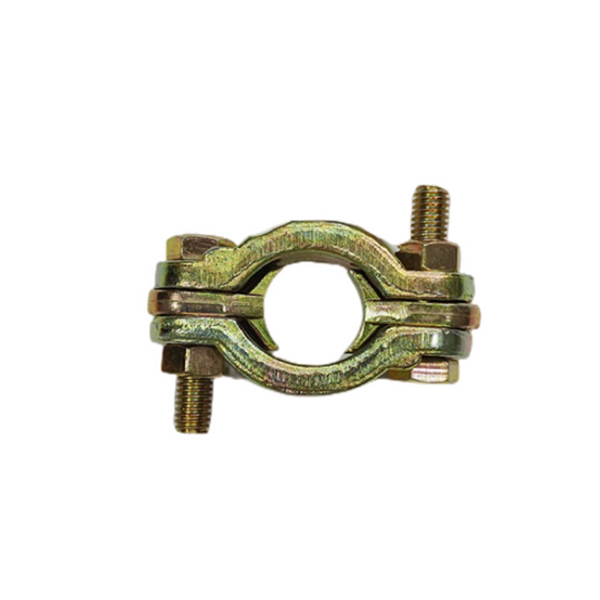
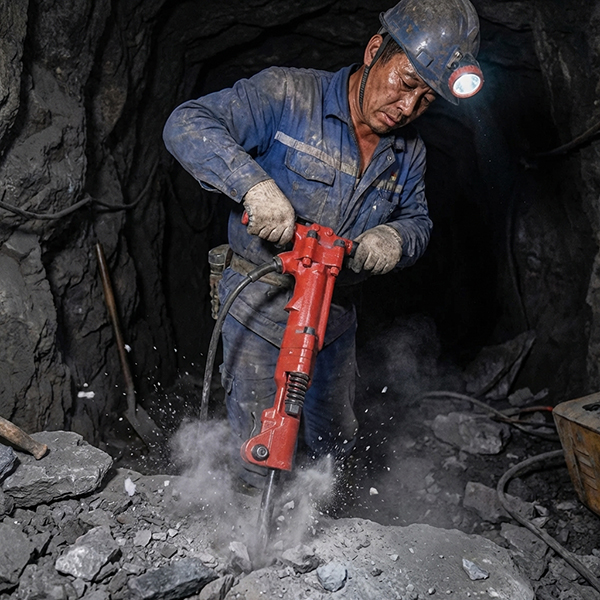
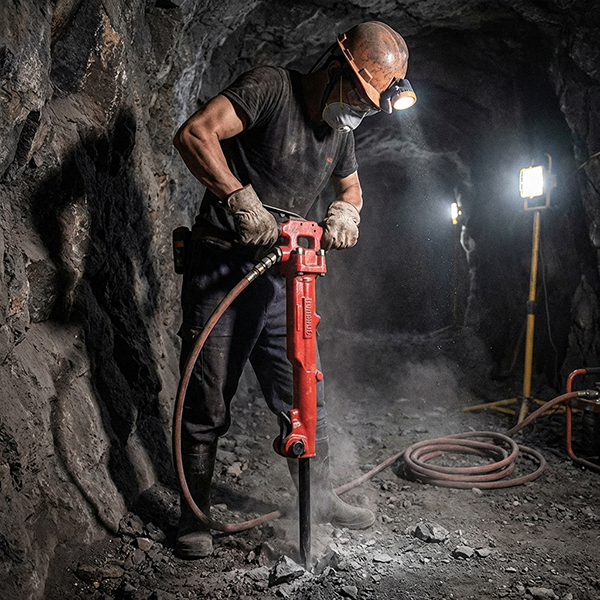
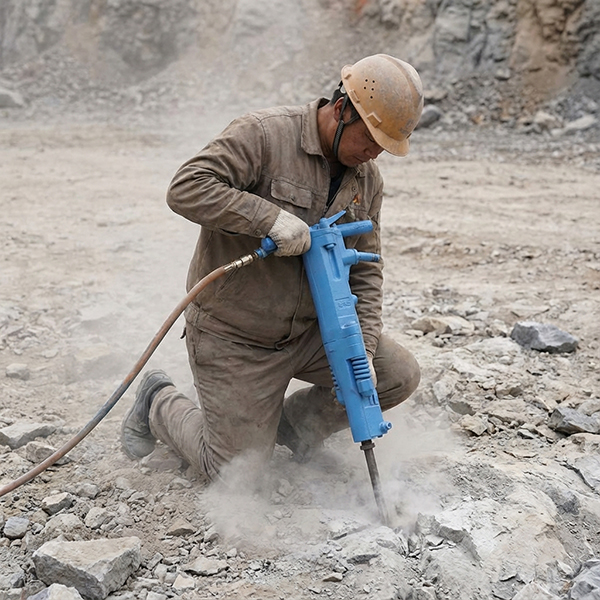
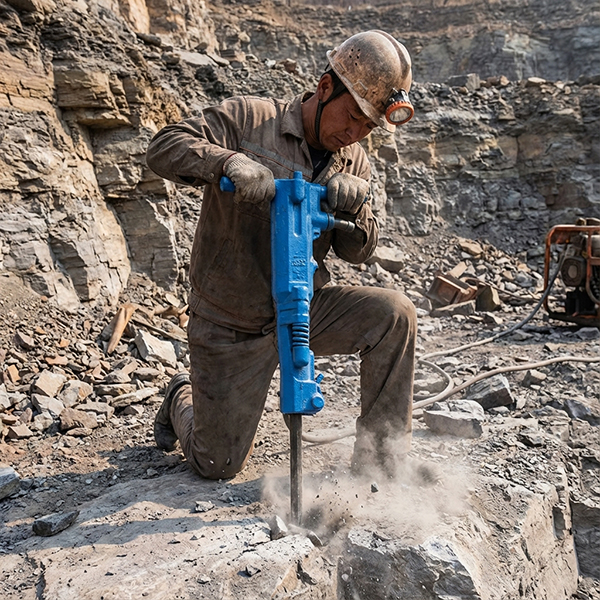
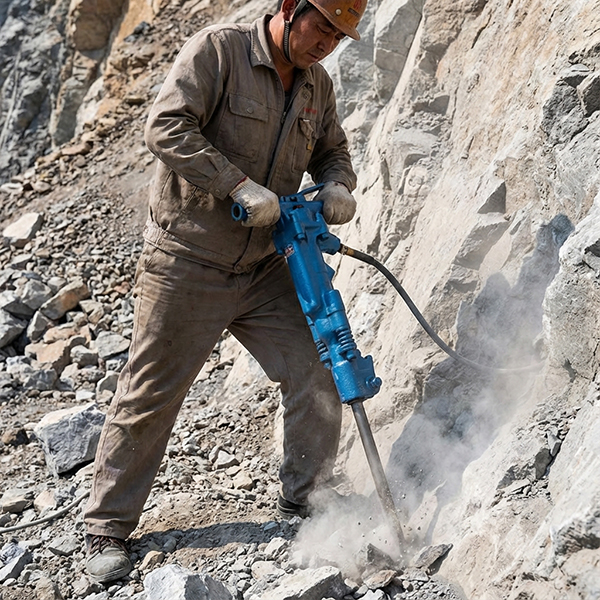
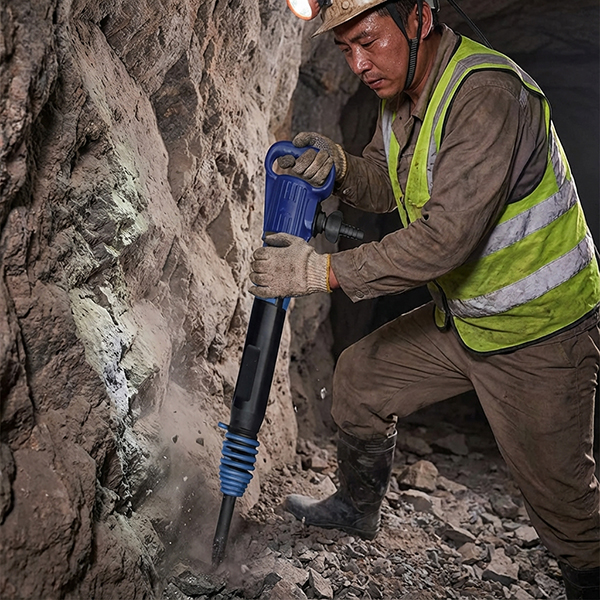
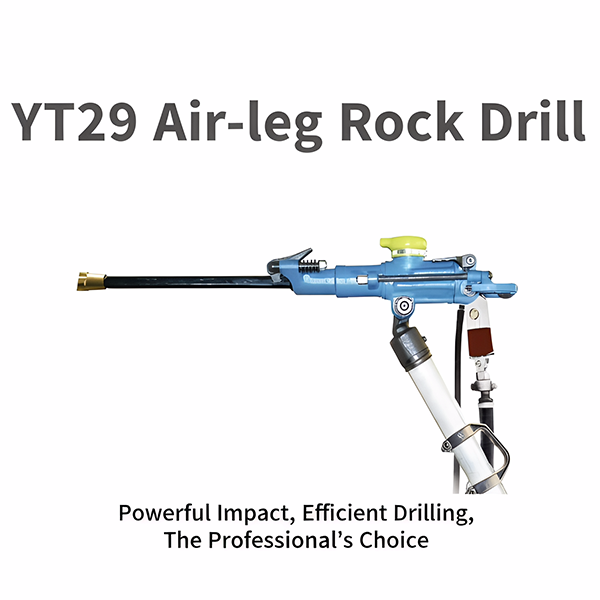
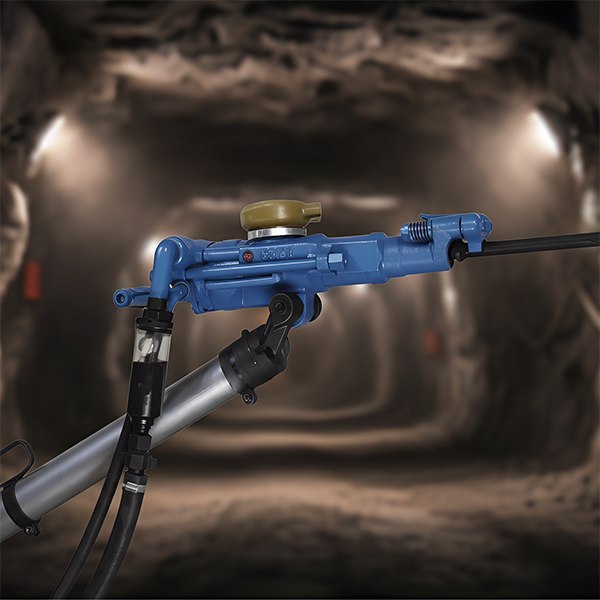
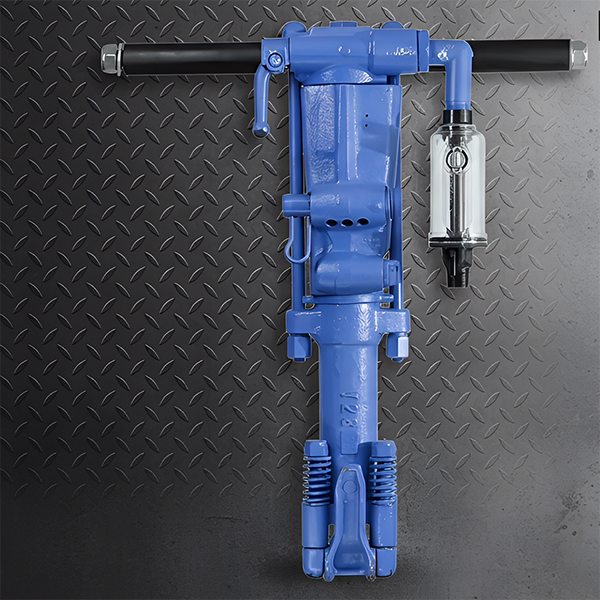
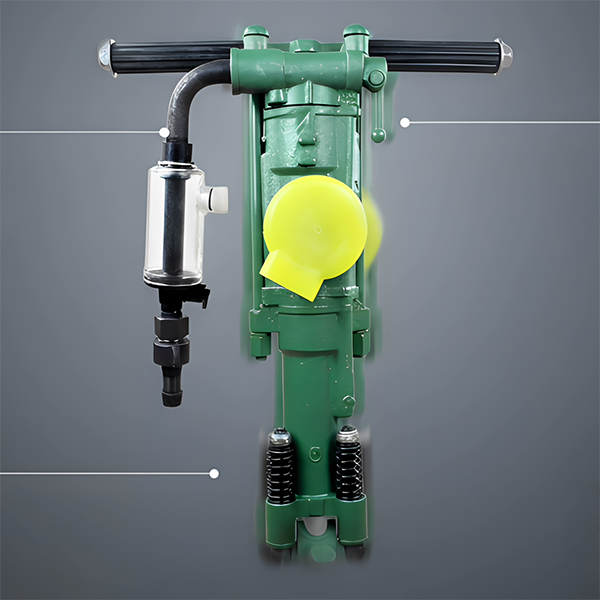
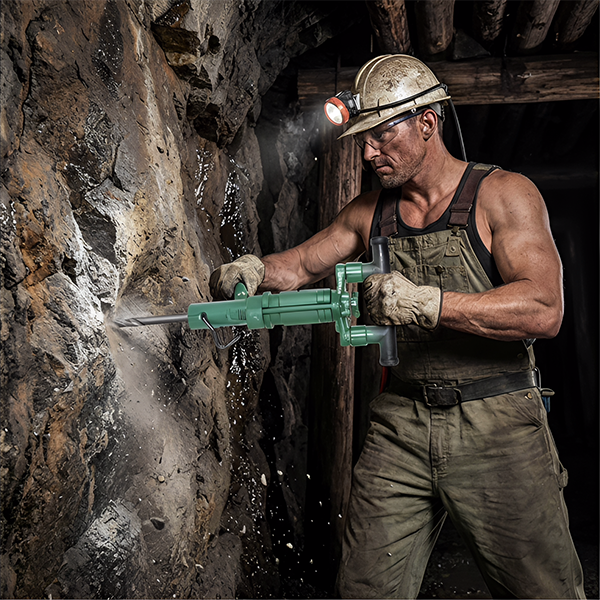
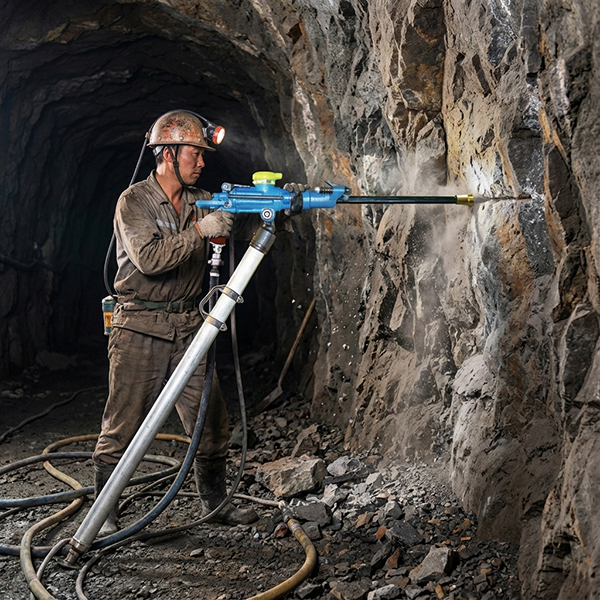
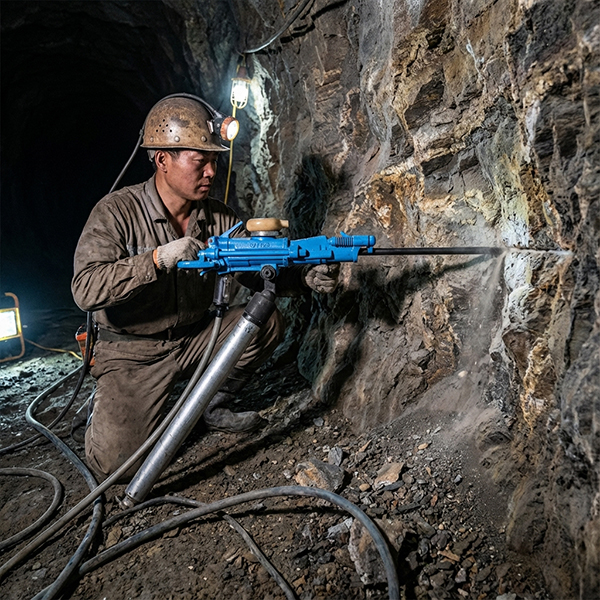
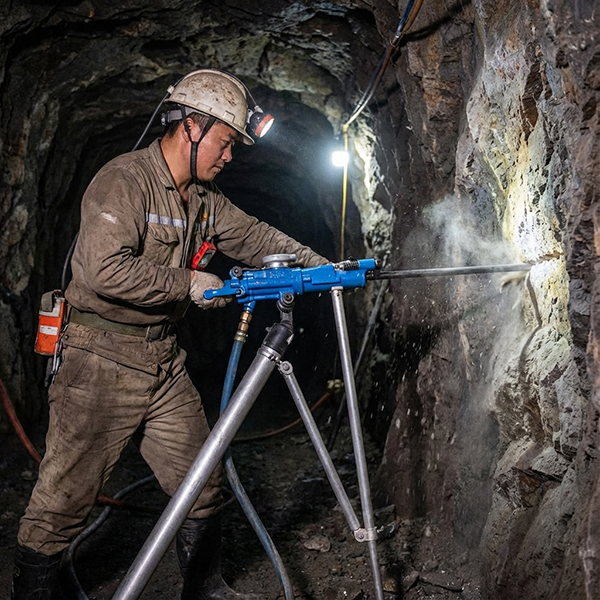
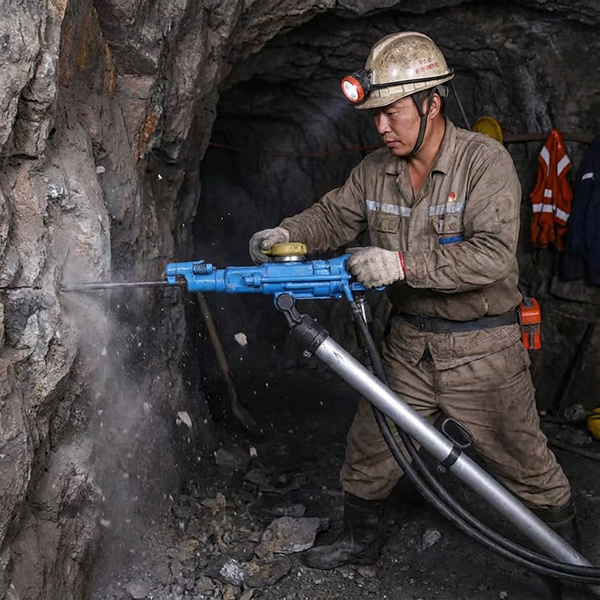
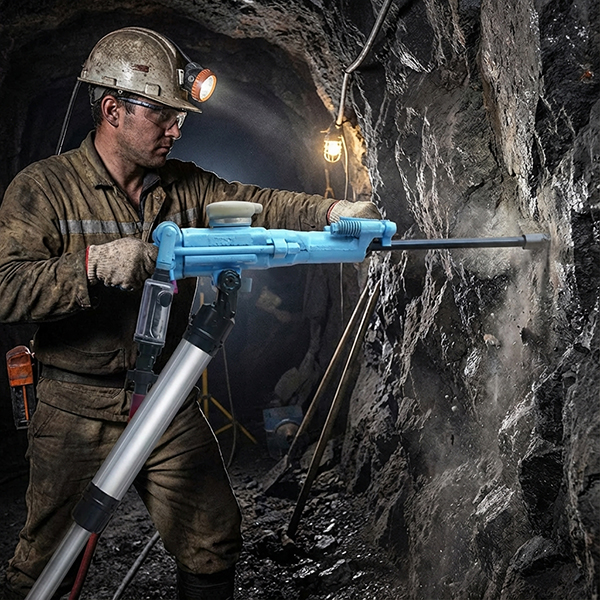
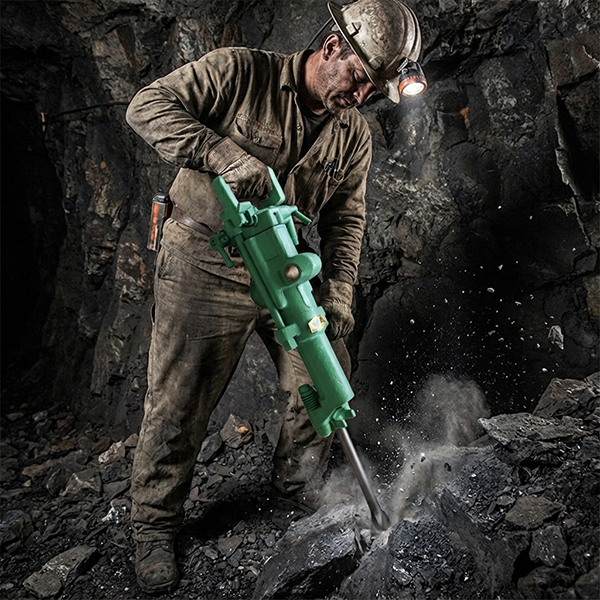
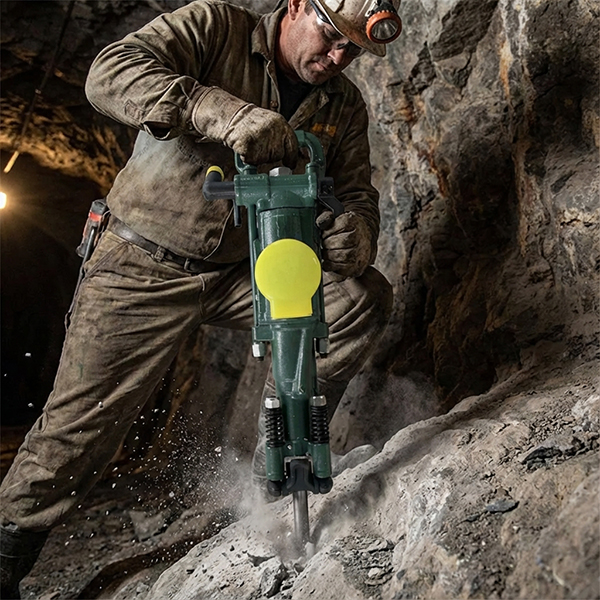
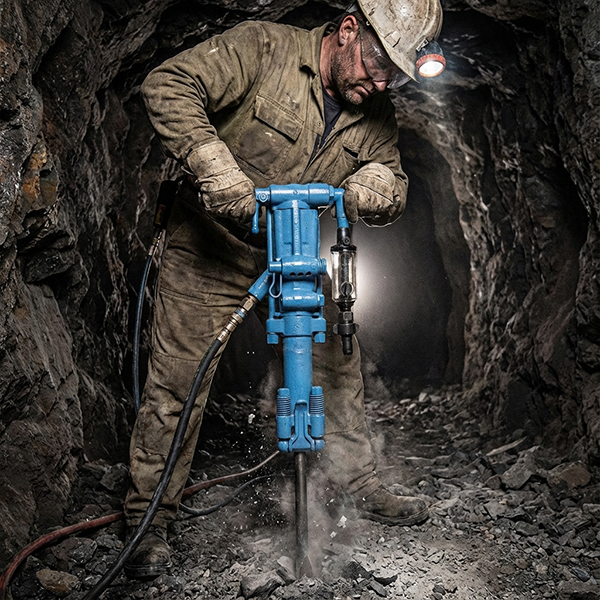
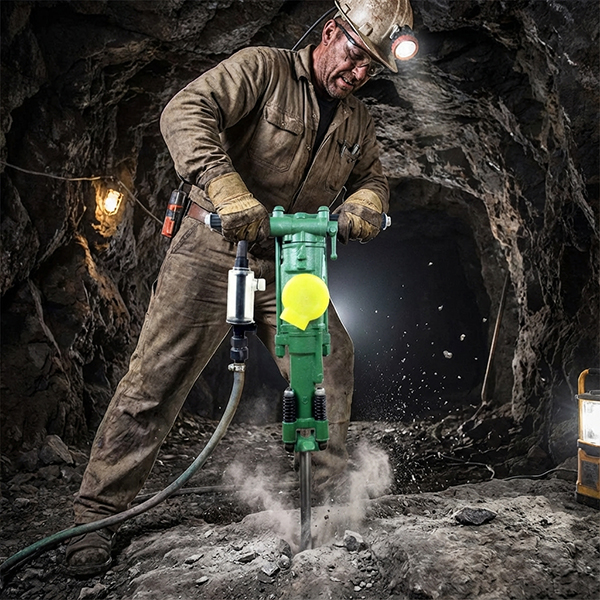
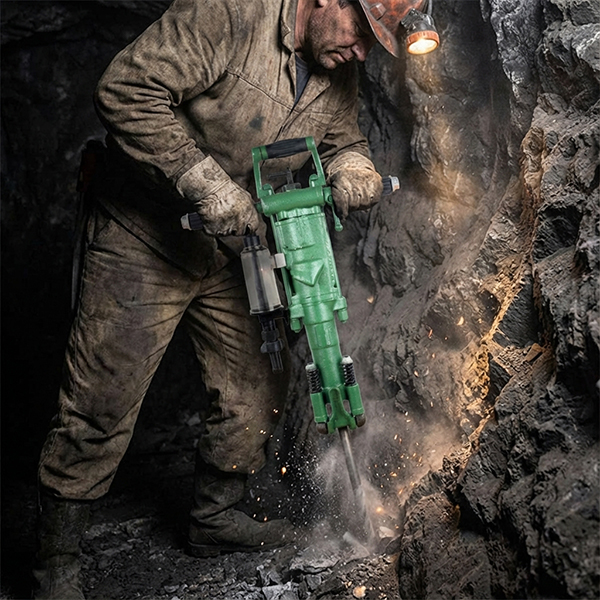
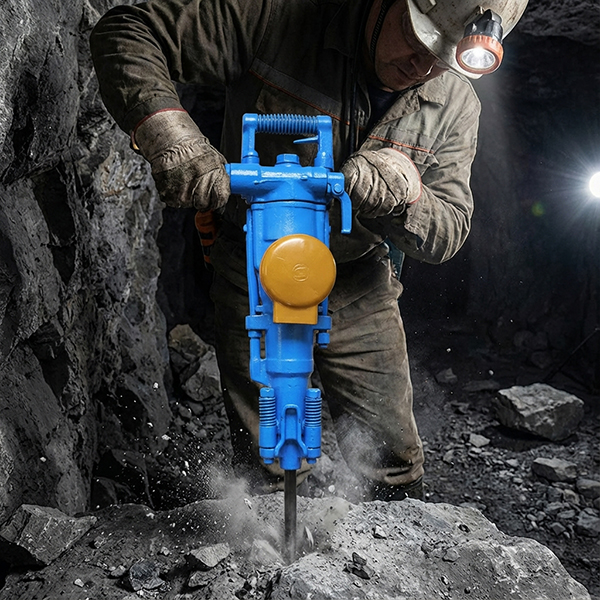
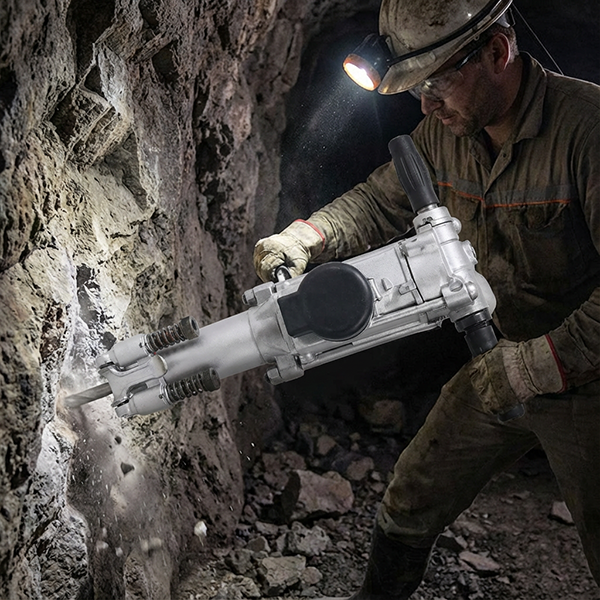
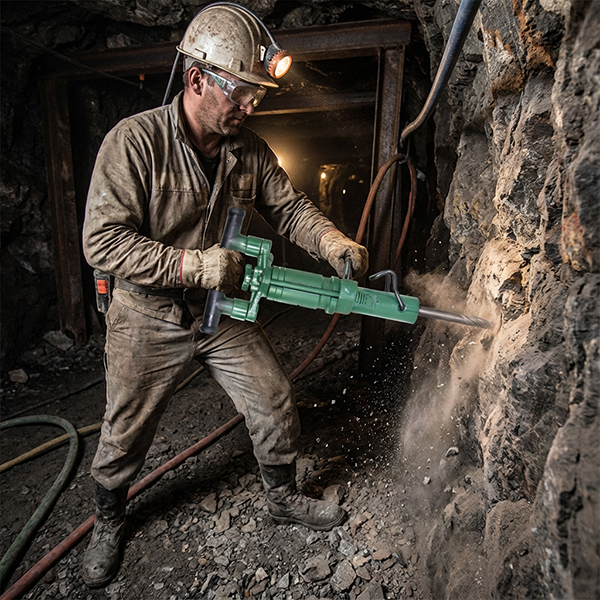
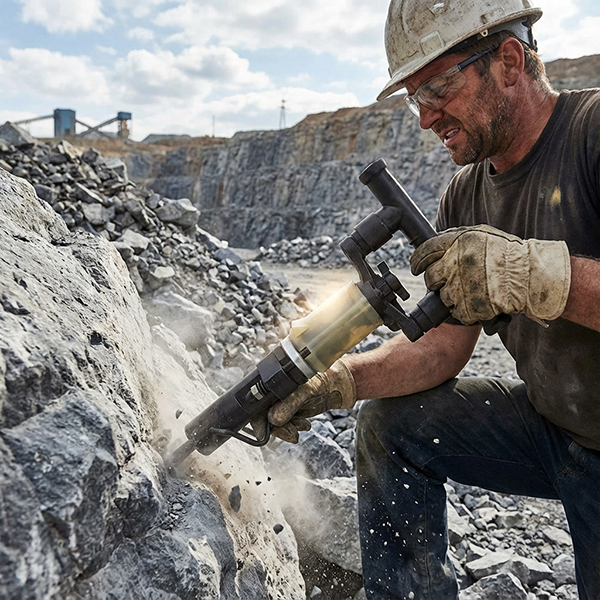
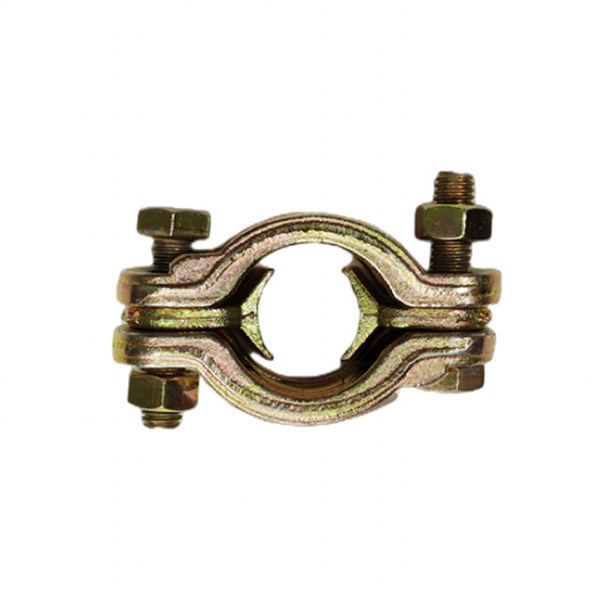
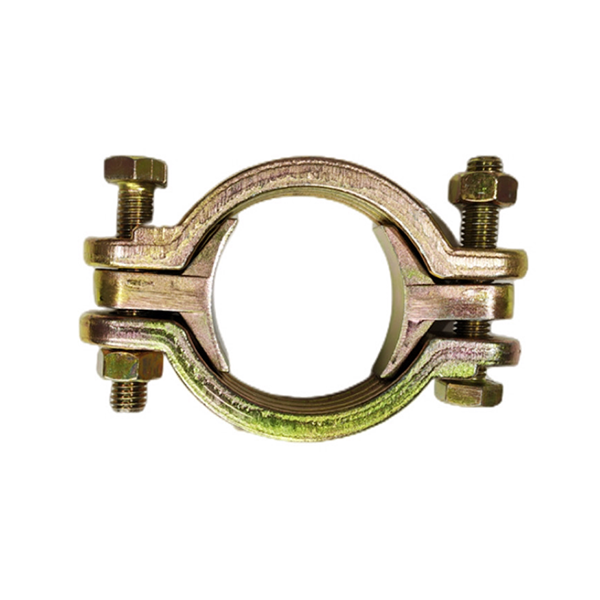
The SL34 is a 3/4-inch (19mm) air hose coupling, and it's worth being upfront about what that means. If you're running a YT29 or 7655 on a long hose run, you probably want the 1-inch SL40 instead. The 3/4-inch size is designed for equipment that operates efficiently at lower air volumes — hand-held rock drills like the Y24, Y26, or pneumatic breakers like the B47 and G16.
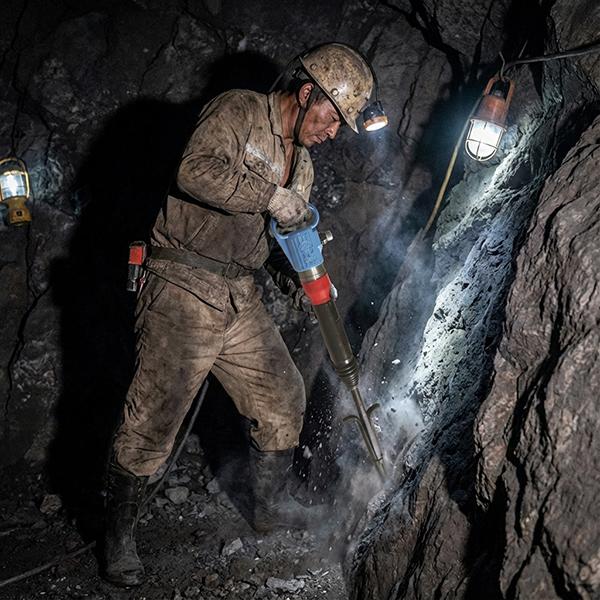
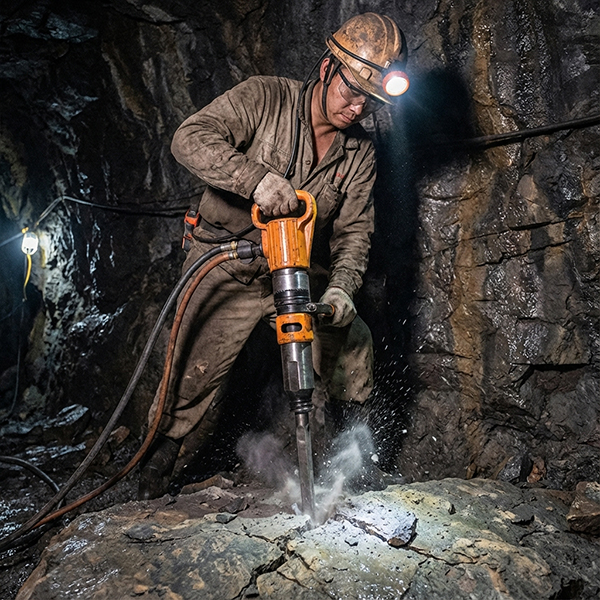
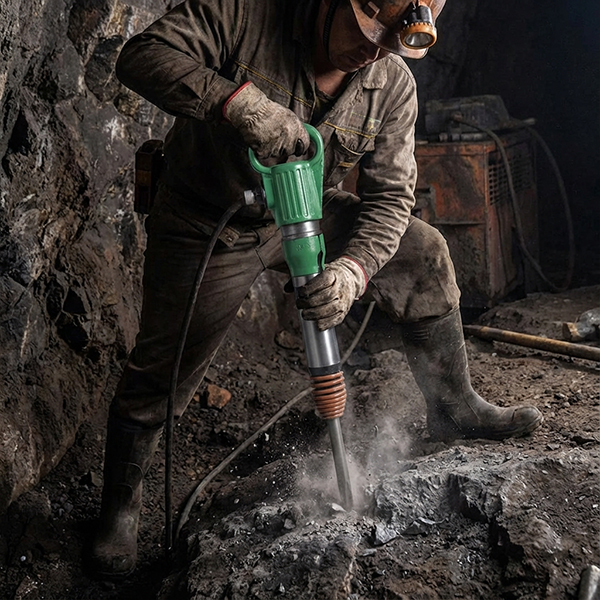
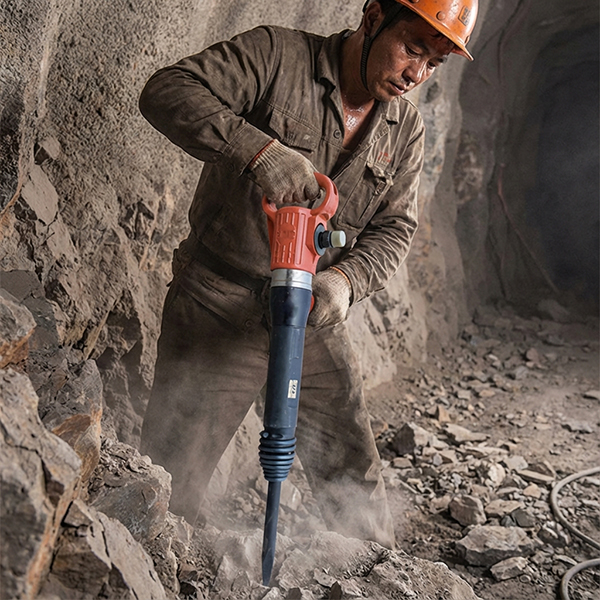
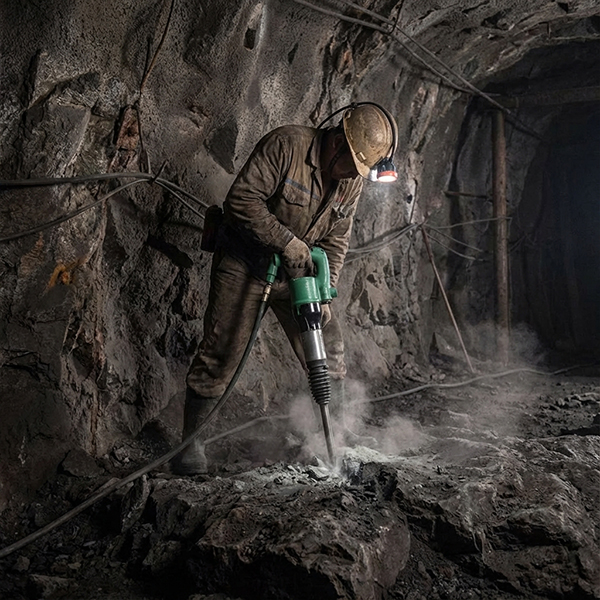
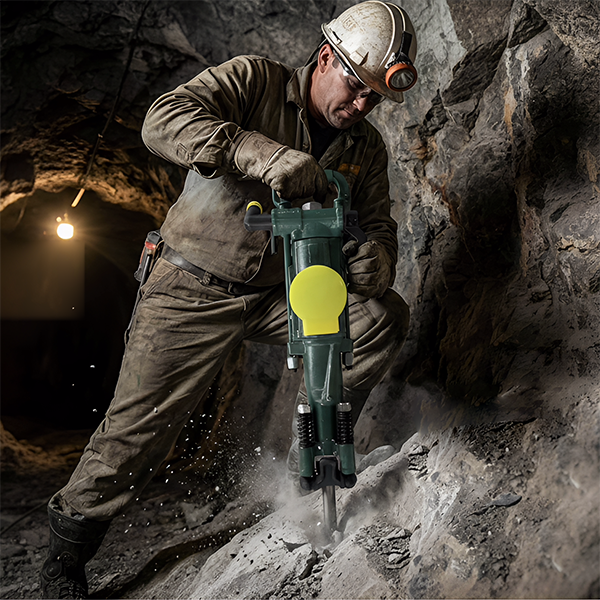
Where the SL34 really earns its place is in operations where portability and cost matter as much as raw drilling power. Think:
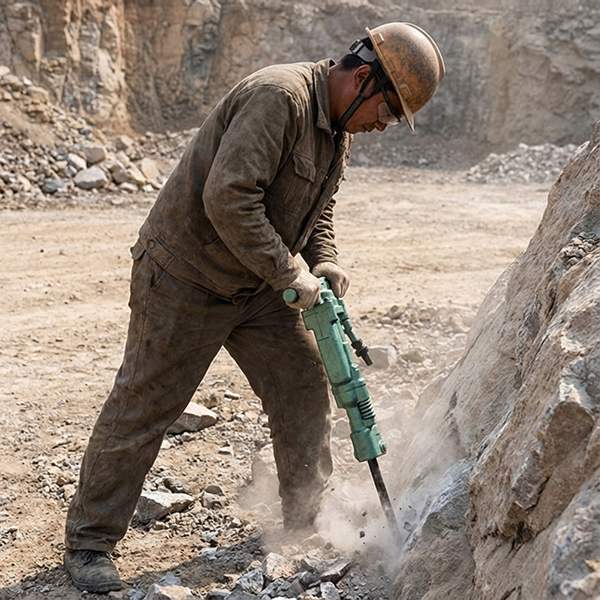
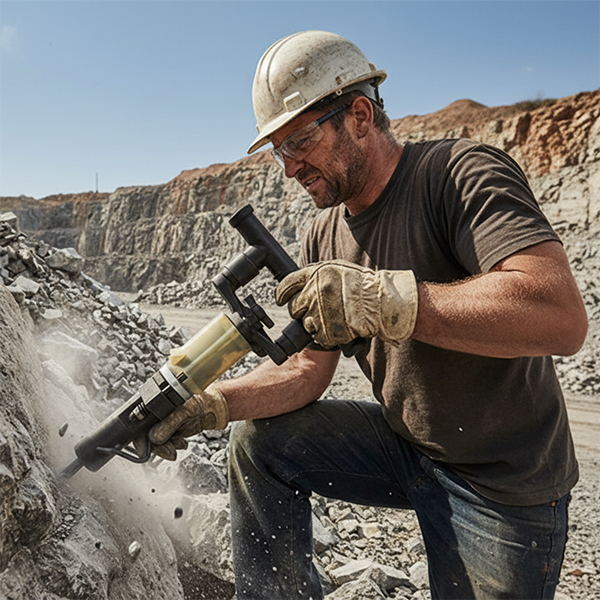
Small quarry operations breaking secondary rock
Construction crews drilling anchor holes for rock bolting
Road maintenance teams running pneumatic breakers
Mining exploration teams doing shallow boreholes
Any application where the compressor is 5–10 m³/min rather than 20+
At those scales, a 3/4-inch air line delivers everything the drill needs without the bulk and cost of larger diameter hose. The SL34 clamps that hose securely with the same brass construction and band-clamp design as its larger siblings.
The Cost Argument Nobody Talks About
Here's something we've noticed after years of supplying drilling equipment: the total cost of air fittings over the life of a project is almost never calculated, but it adds up fast.
Let's say you're running a small crew with three hand-held drills. Each drill has two hose connections (compressor side and drill side). That's six couplings. In a harsh environment — dust, vibration, temperature cycling — you're realistically replacing each coupling every 4–6 months. Over a two-year project, that's 24–36 couplings.
At 0.90each(theSL34′sEXWprice),you′relookingatroughly22–32 in coupling costs over two years. At the typical local retail price in many African or South American markets — 3–5each—thatsameusagecosts72–180. The "expensive" option of ordering from the factory ends up being cheaper, and you get consistent quality instead of whatever the local shop happens to stock.
The SL34 makes sense when:
Your compressor output is 5–12 m³/min
Your air hose runs are under 30 meters
You're running hand-held drills or smaller pneumatic breakers
Budget is a genuine constraint but you still need reliable equipment
You want to keep spare couplings on hand without spending a fortune
Technical Details
| Specification | Detail |
|---|---|
| Product Code | SL34 |
| Type | Abrozaderas (hose clamp coupling) |
| Hose Size | 3/4 inch (19 mm) |
| Working Pressure | 0.4–0.63 MPa (58–91 PSI) |
| Material | Brass |
| Connection Method | Band clamp, bolt-tightened |
| Best Suited For | Hand-held drills (Y24, Y26), pneumatic breakers (B47, G16), small compressors |
| Unit Price (EXW) | ~$0.90 USD |
A Few Things We've Learned From the Field
After shipping these to customers in over a dozen countries, we've picked up some practical knowledge that doesn't appear in any product manual:
Label your hoses. Sounds obvious, but on a busy site with multiple hose sizes, mixing up a 3/4-inch and a 1-inch coupling is easy. A permanent marker or color-coded tape on each hose end saves confusion.
Keep couplings out of direct sunlight when stored. UV exposure accelerates the degradation of any rubber sealing components inside the clamp. A simple storage box adds months to the service life.
Don't use a coupling as a handle. We know — it's tempting to grab the hose by the coupling to drag it across the site. The bolt can bend, the band can deform, and the next time you pressurize the system, it leaks. Use a hose reel or carry it properly.
Frequently Asked Questions
Q: Can I use the SL34 with a YT29 air-leg rock drill? Technically yes, but we'd recommend the SL40 (1-inch) instead for the YT29. The YT29 has an air consumption of approximately 3.5 m³/min, which works best with a 1-inch hose. A 3/4-inch line would create unnecessary pressure drop, reducing the drill's impact performance. Save the SL34 for your smaller hand-held units.
Q: What compressor size pairs well with 3/4-inch hose? For optimal performance, pair 3/4-inch hose and the SL34 with compressors in the 5–10 m³/min (175–350 CFM) range. Larger compressors won't benefit from the smaller hose size — you'd just be restricting the air flow.
Q: How do I know if my existing couplings need replacing? Three signs: visible corrosion or cracks on the brass body, difficulty tightening the bolt (stripped or deformed threads), and air leakage detectable by sound or soap-bubble test. If you're unsure, replace them. At this price point, it's not worth the risk of a failure mid-shift.
Q: Is this the same as a "hose barb" fitting? No. A hose barb is a nipple with ridges that you push the hose onto, usually secured with a separate hose clamp. The SL34 is a self-contained band clamp — the coupling and the clamping mechanism are one piece. It's faster to install and provides more even pressure distribution.
Q: Do you offer bulk pricing? Absolutely. For orders of 500+ pieces, contact us directly and we'll prepare a custom quotation. Many of our customers order a year's supply at once to simplify logistics.