
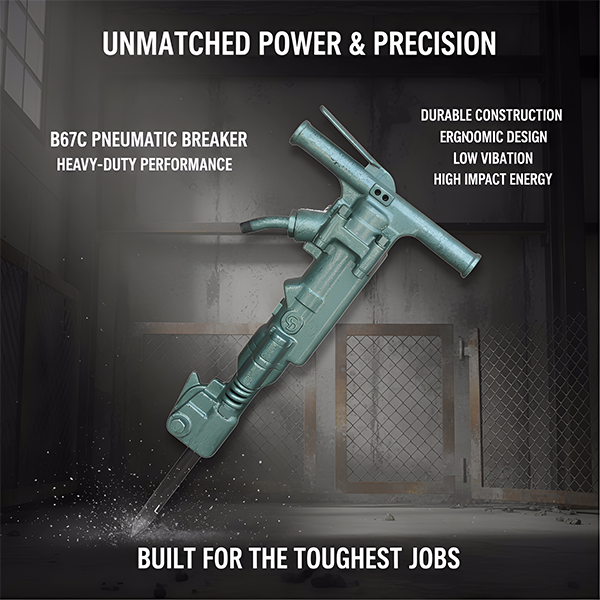
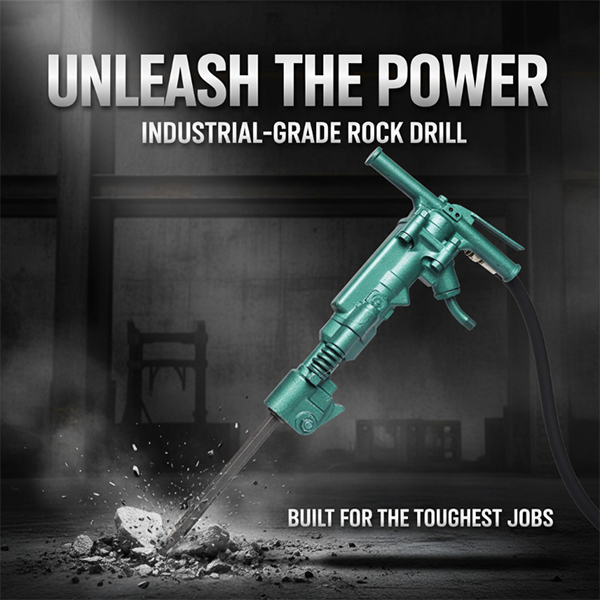
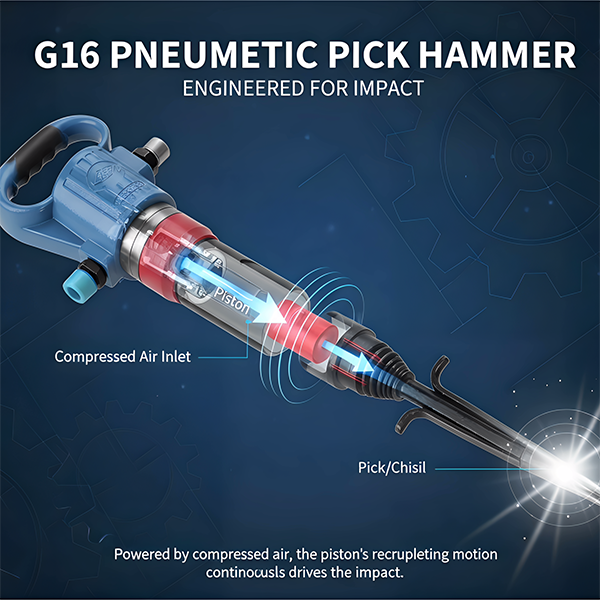
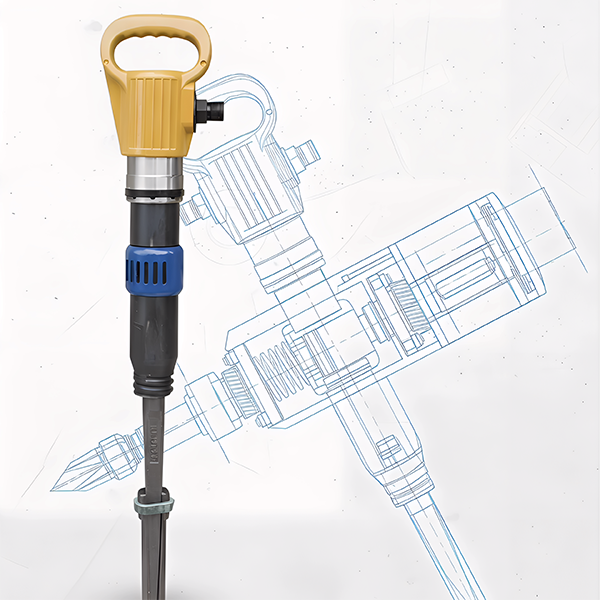
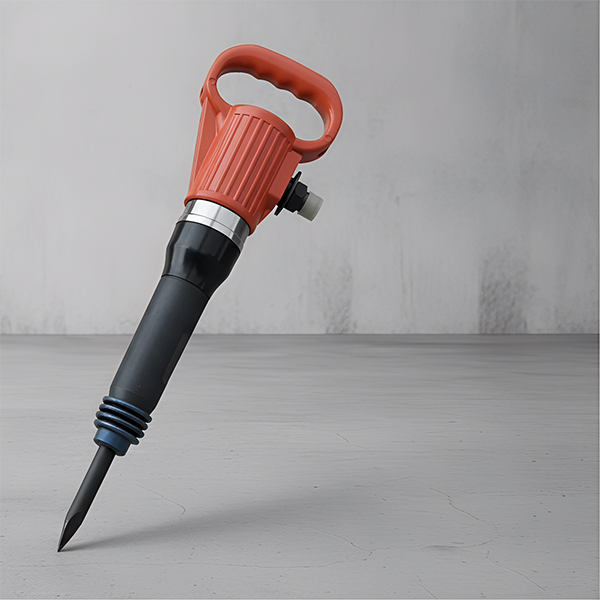
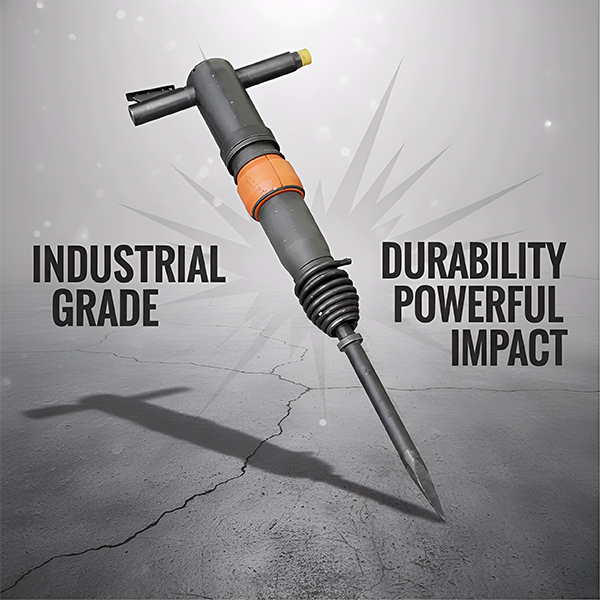
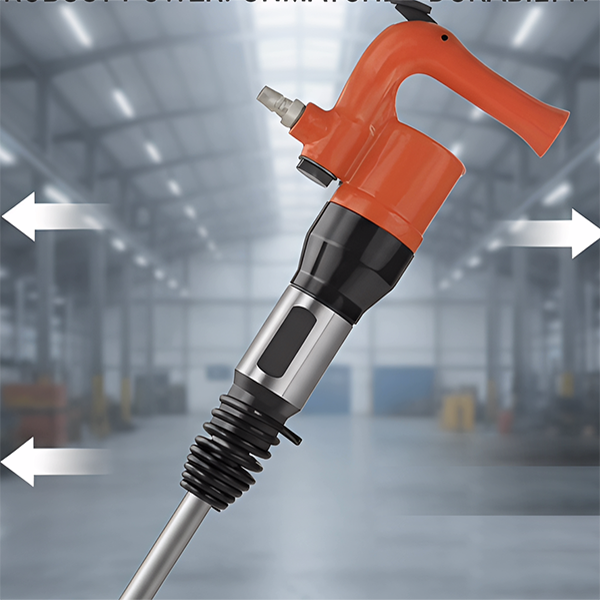
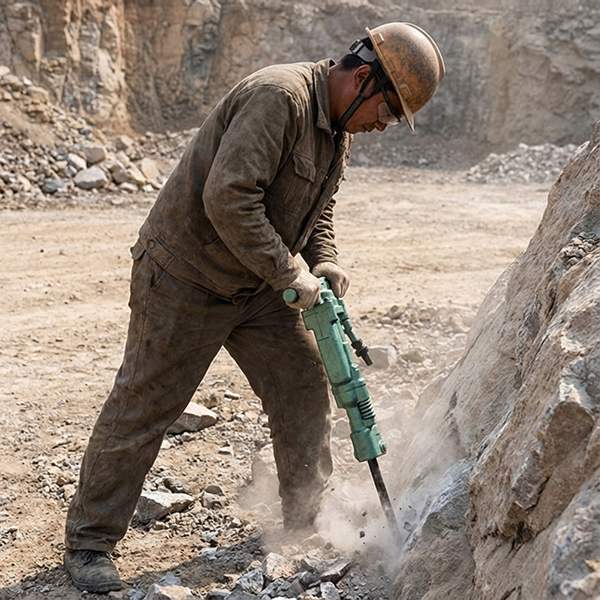
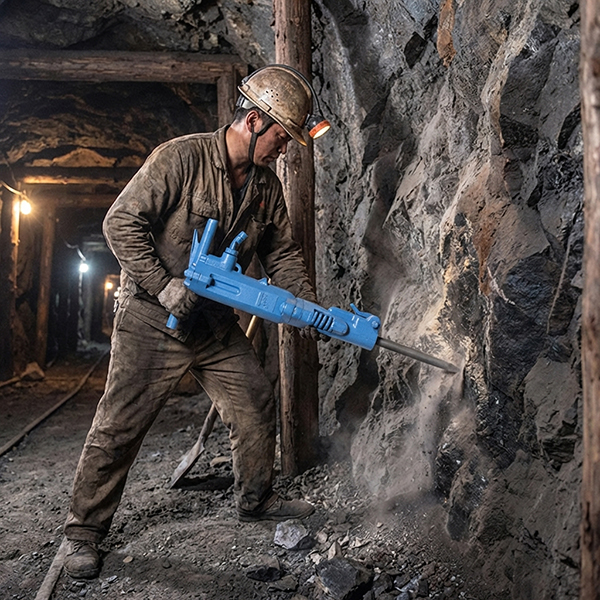
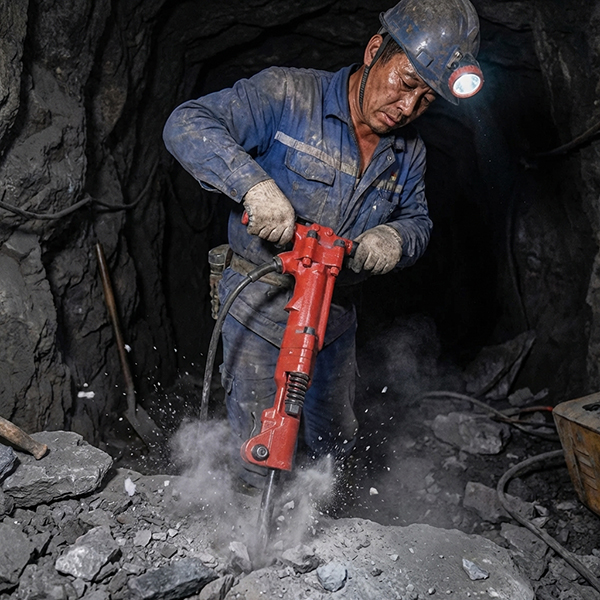
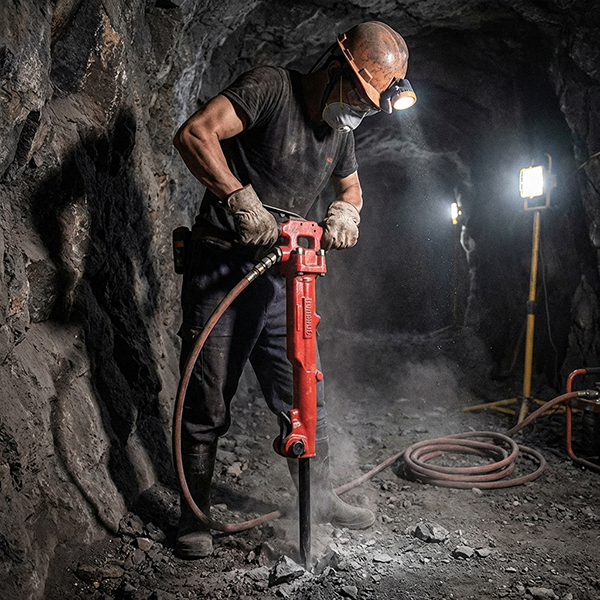
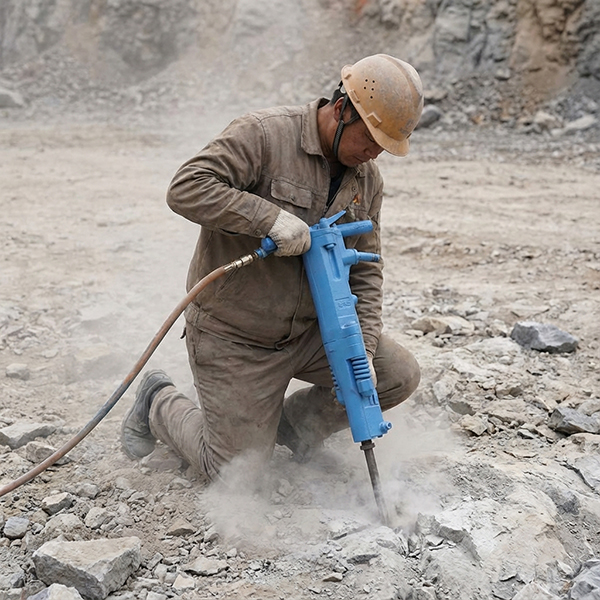
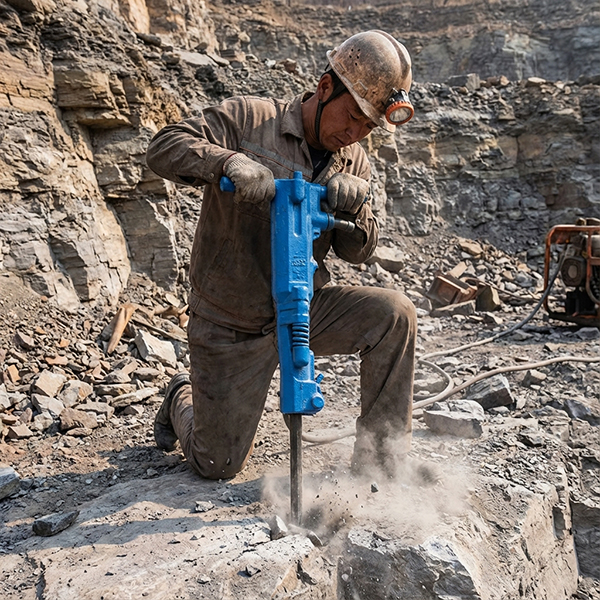
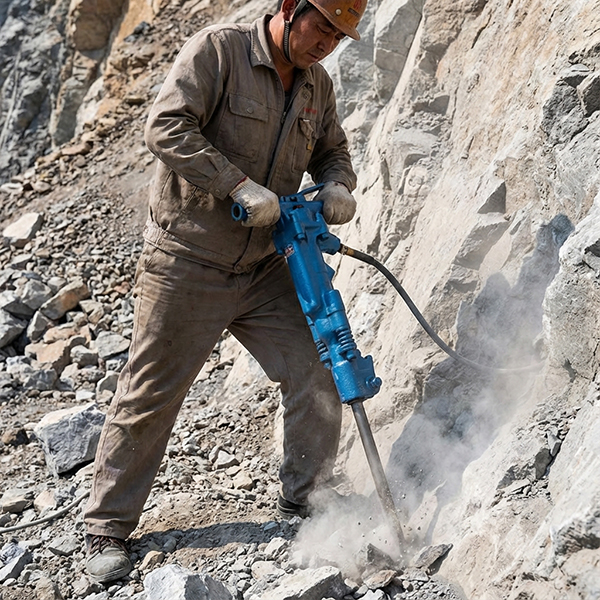
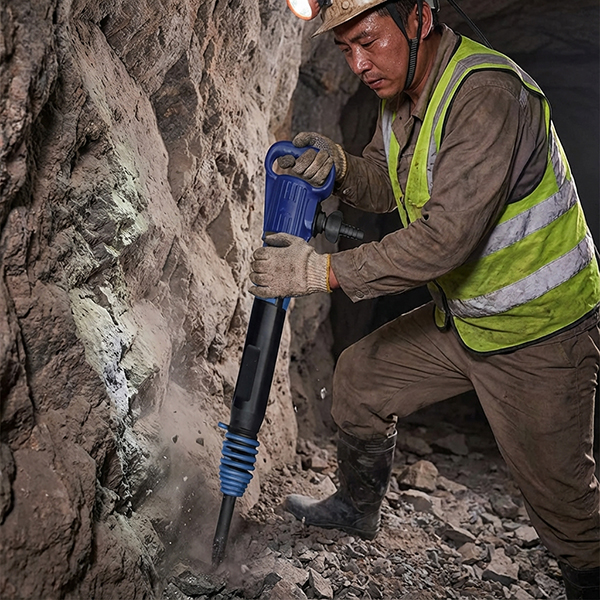
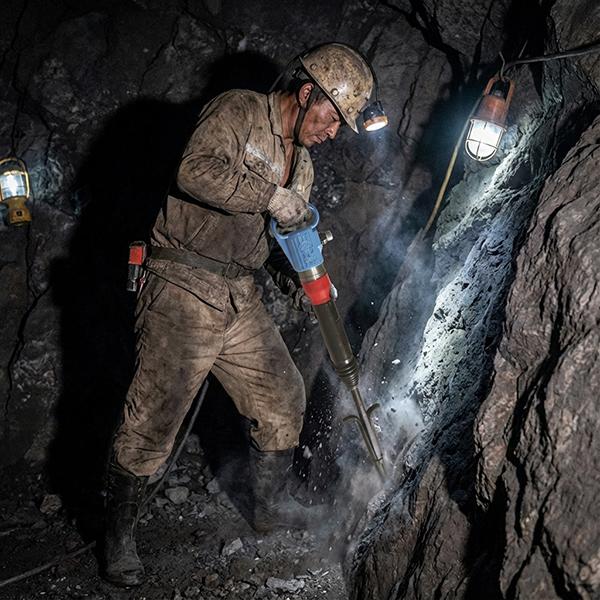
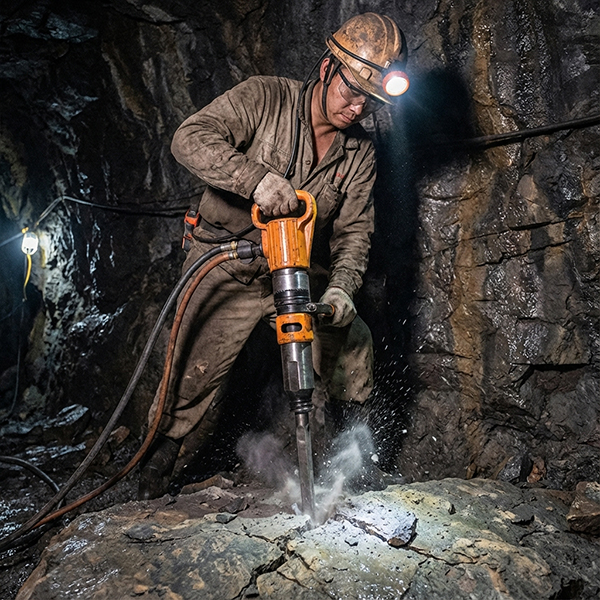
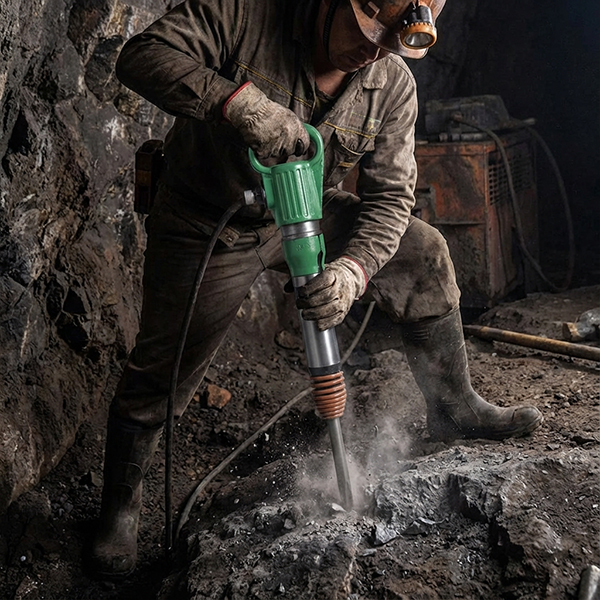
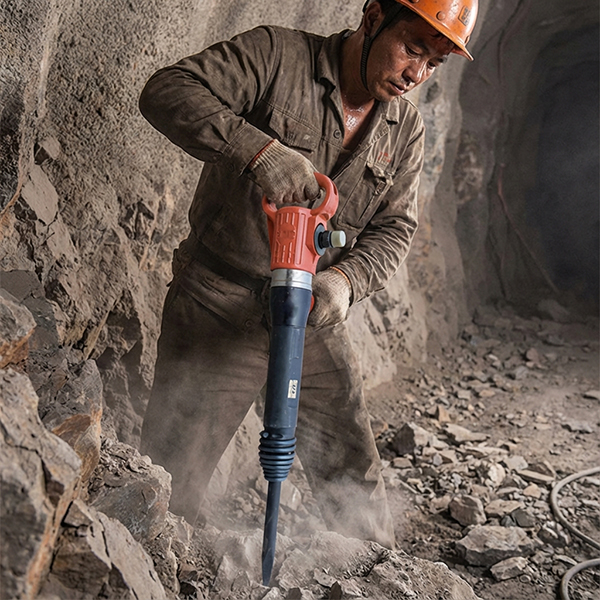
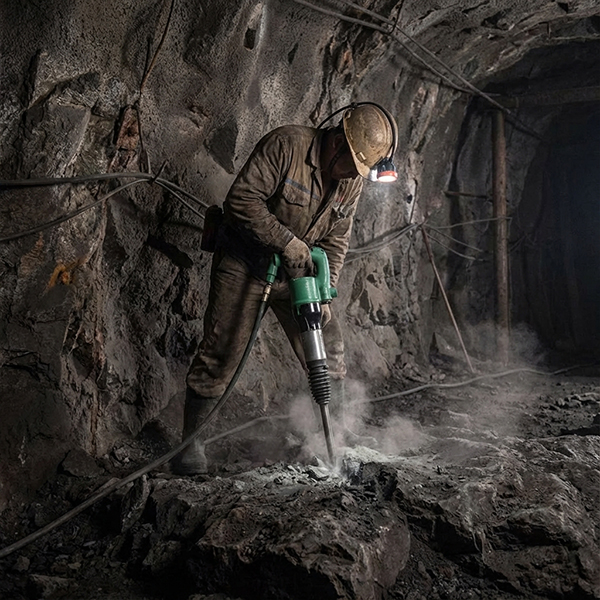
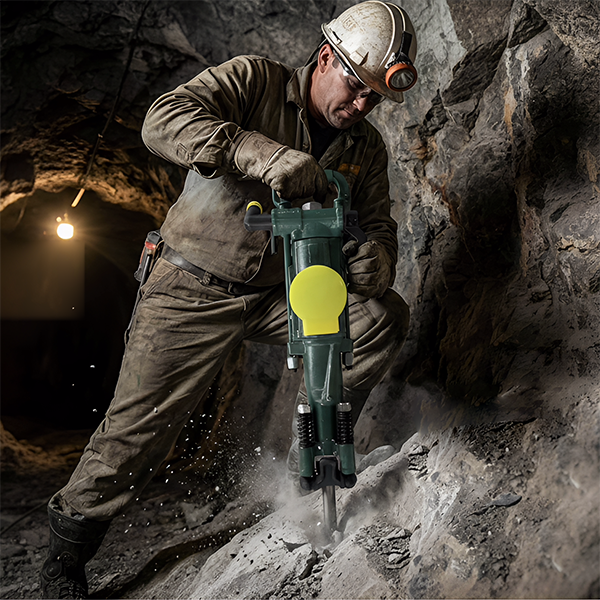
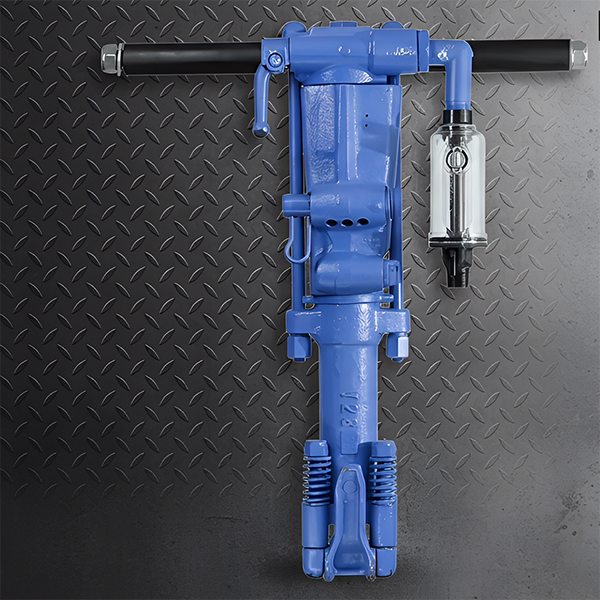
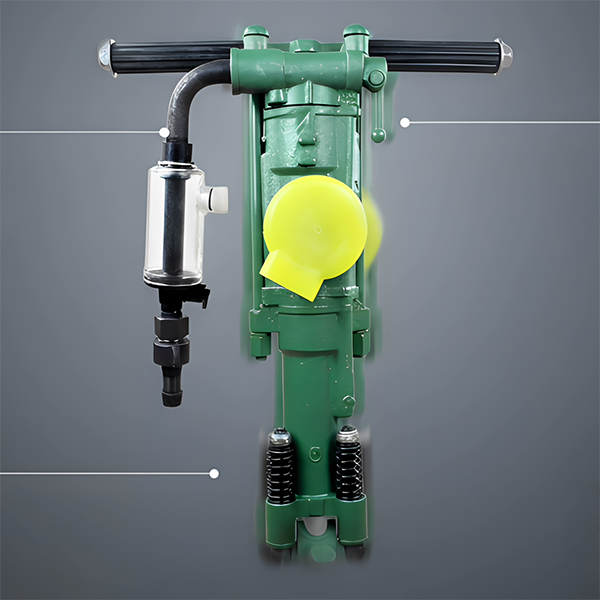
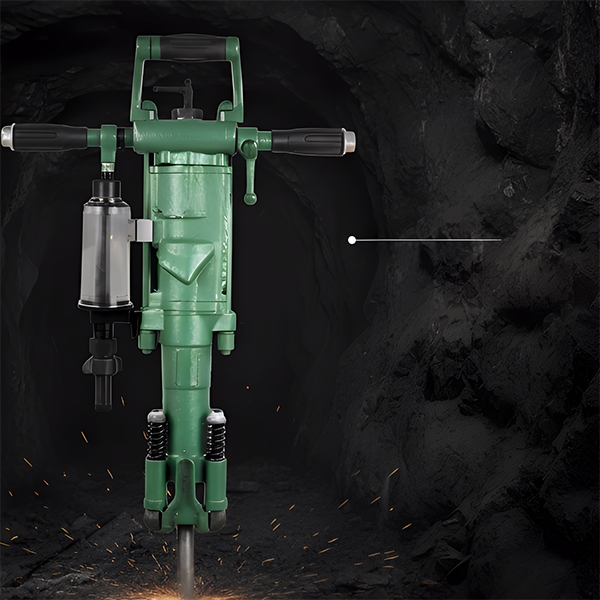
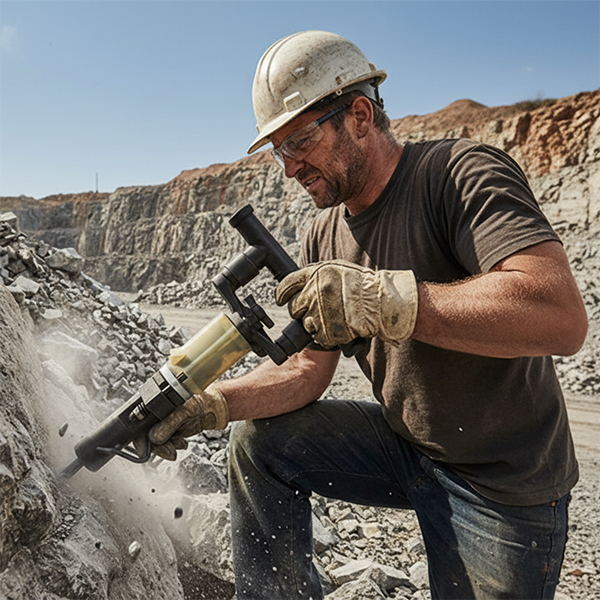
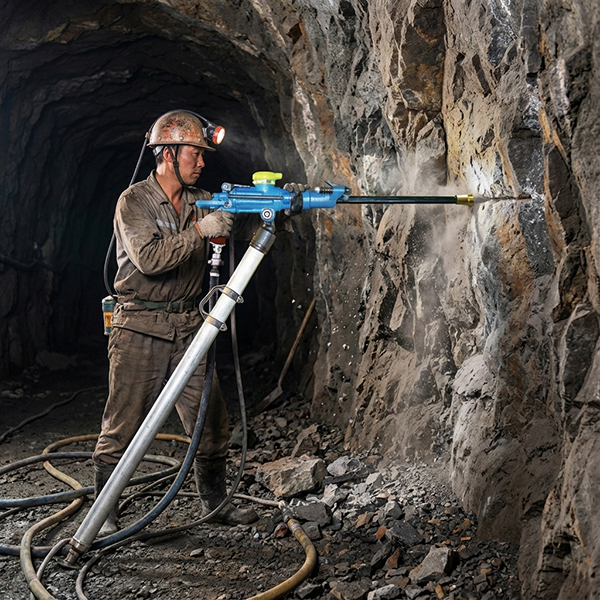
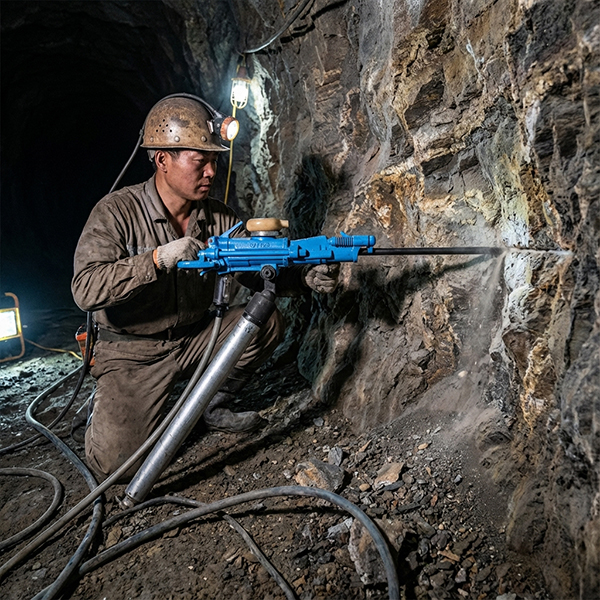
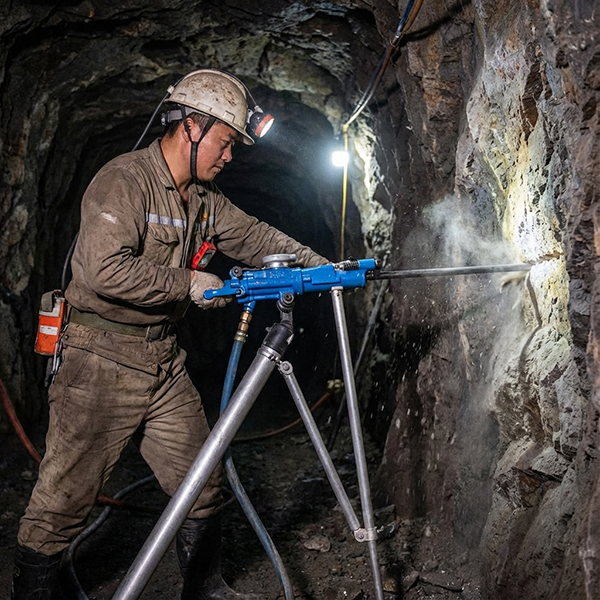
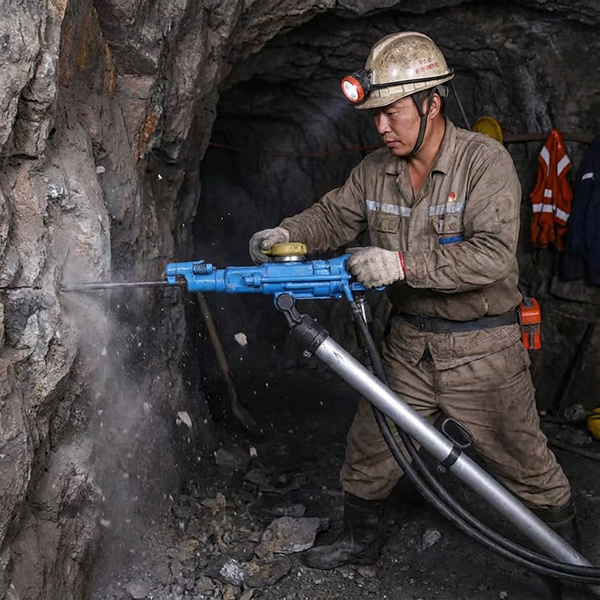
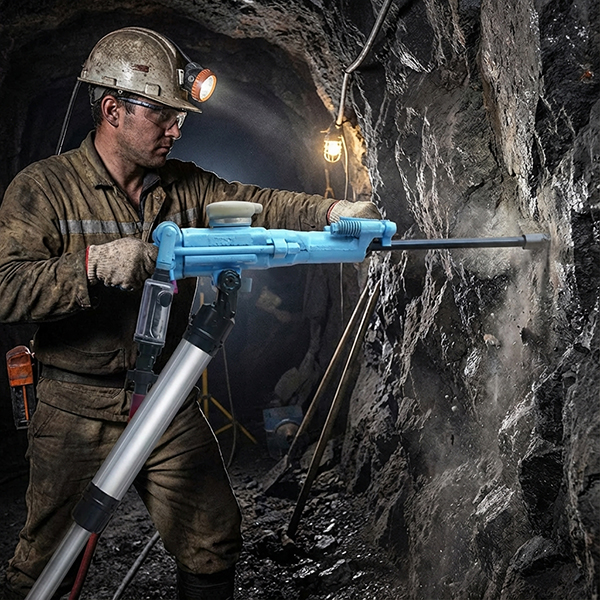
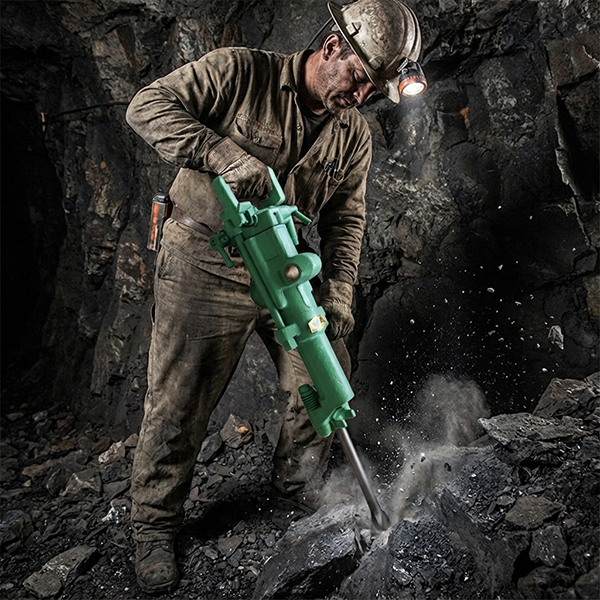
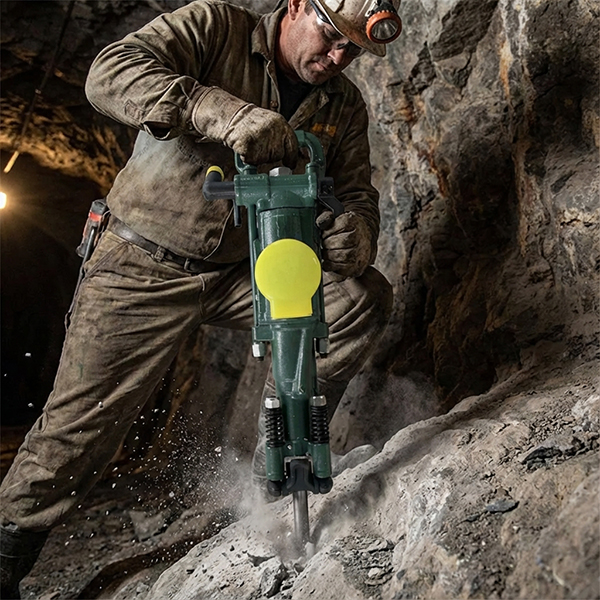
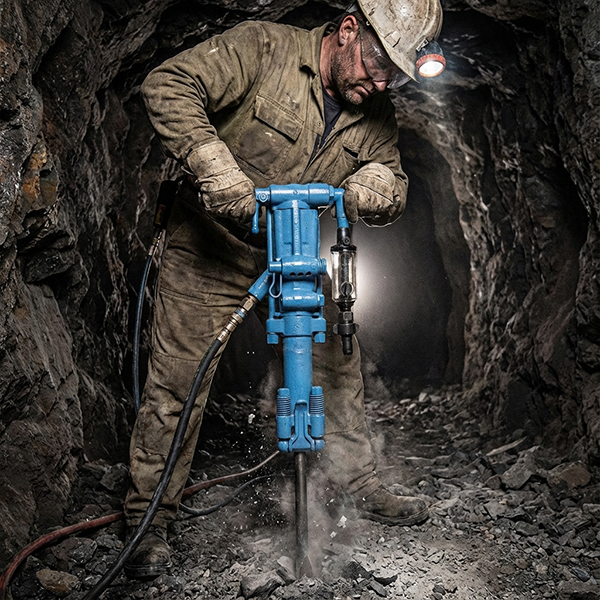
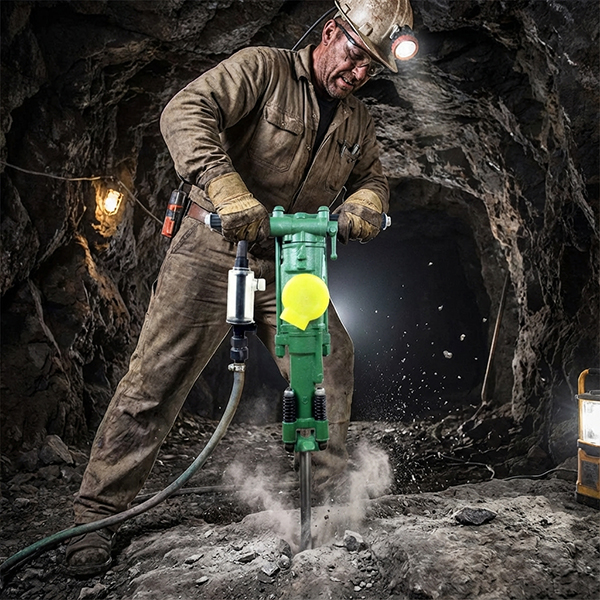
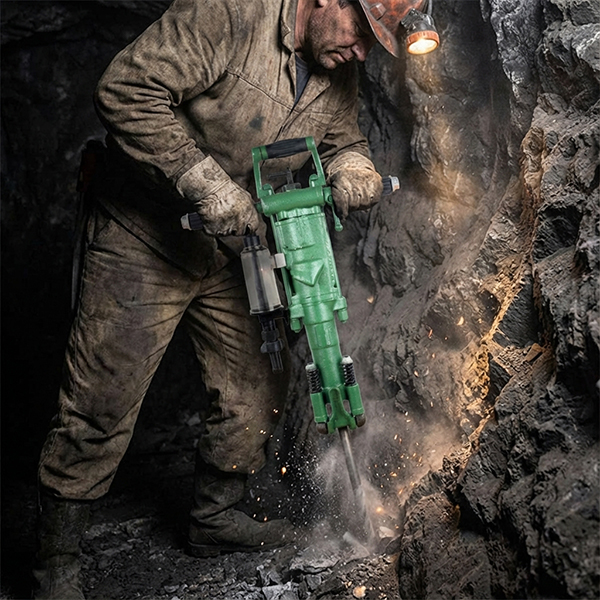
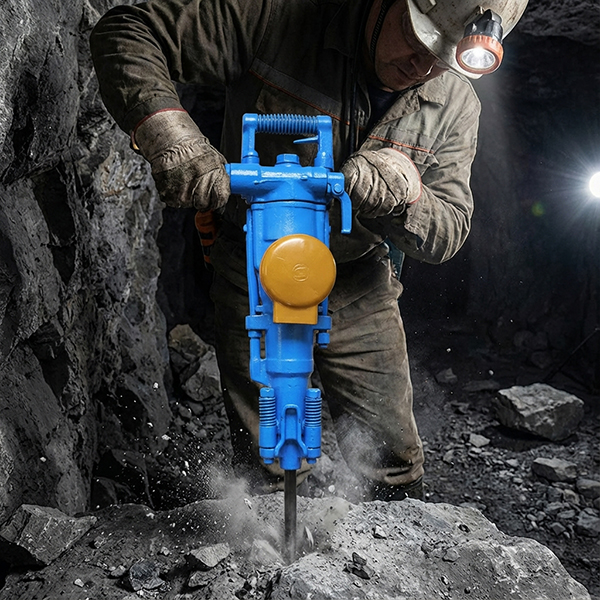
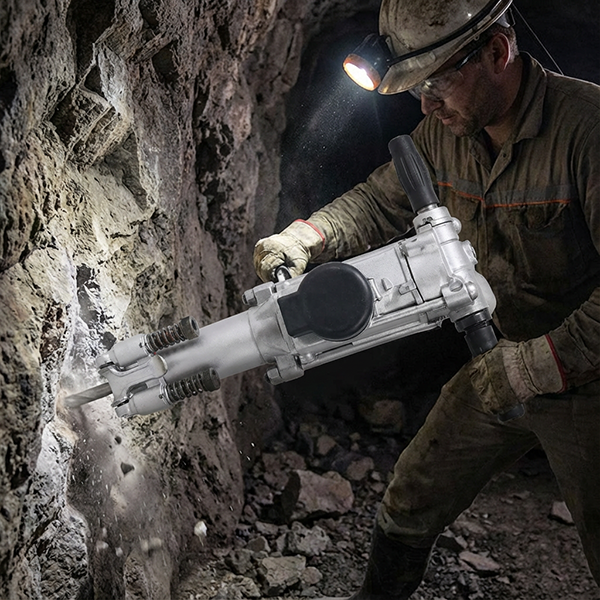
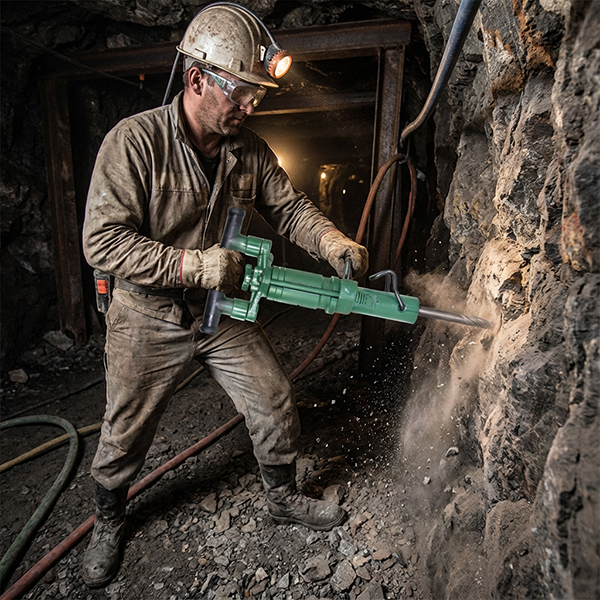
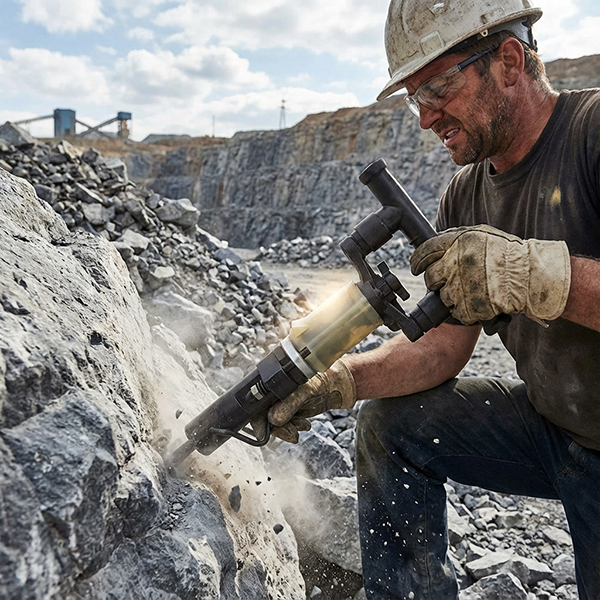
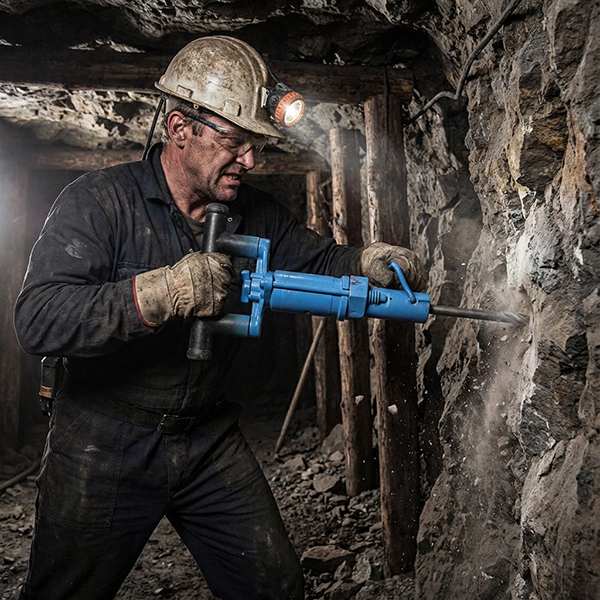
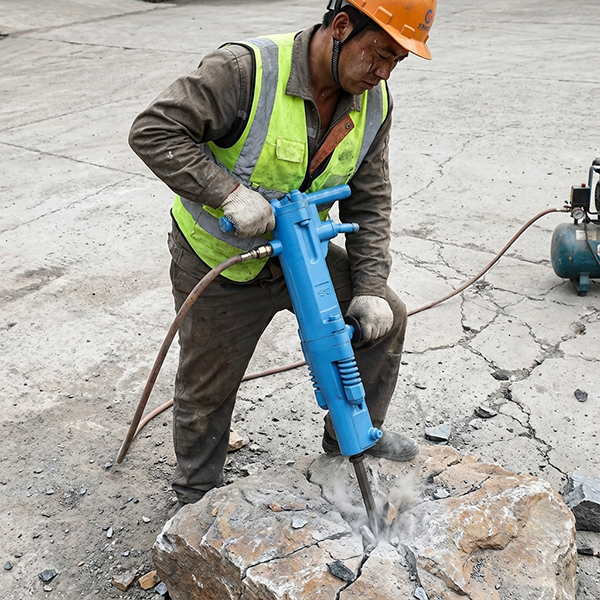
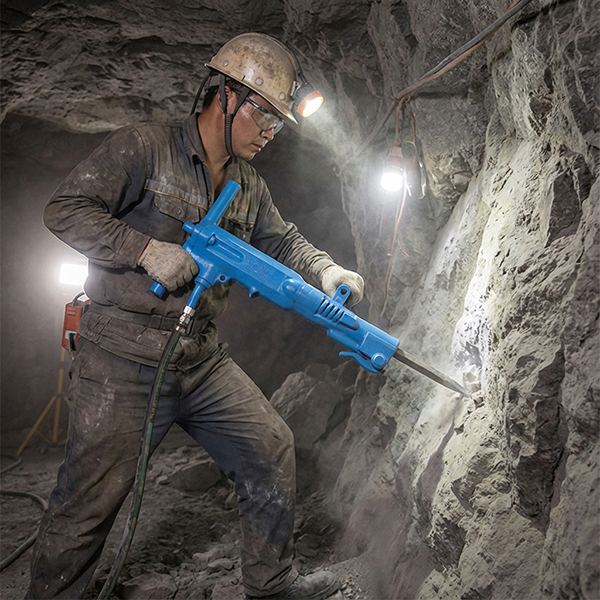
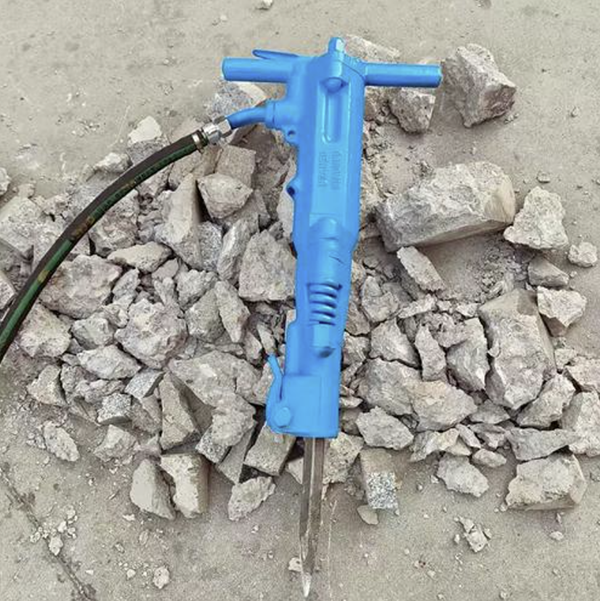
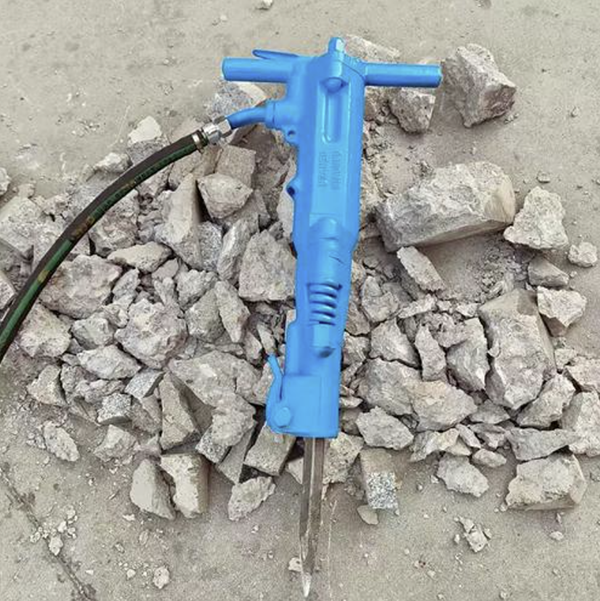
If you’ve ever tried to break thick concrete with a smaller jack hammer, you know the feeling: it works, but it’s slow, it bounces, and you spend more time “persuading” the surface than actually removing material. The B87C Pneumatic breaker hammer is built for the opposite experience—fewer light taps, more real material movement.
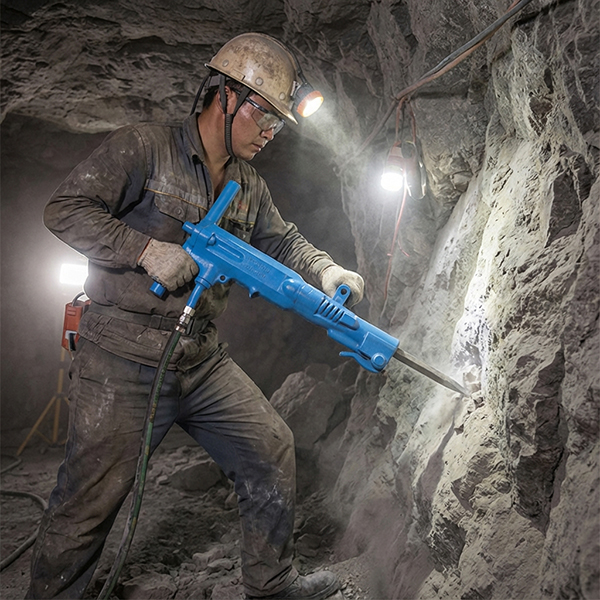
This is a classic Pneumatic jack hammer (compressed-air driven), and it’s aimed at jobs where impact strength matters more than being compact. As a hand held jack hammer, it’s still portable and site-friendly, but the internal dimensions tell you immediately it’s designed to hit hard.
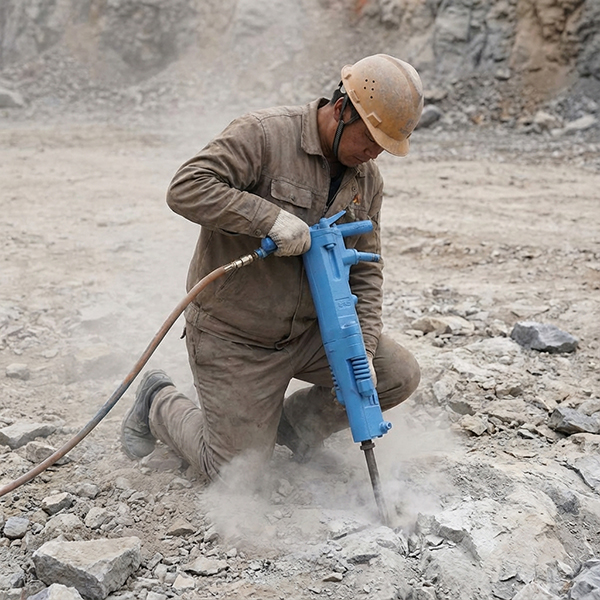
B87C at a Glance (Real Specs Buyers Ask For)
Here are the exact parameters you provided—these are the numbers that help contractors decide quickly whether a tool is worth looking at:
Piston diameter: 63.5 mm
Piston stroke: 327 mm
Percussive frequency: 1200 b.p.m
Length: 686 mm
Air consumption: 3.0 m³/min
Air tube diameter: 19 mm
Shank size: 32 × 155 mm
Air inlet size: 3/4 (P/T)
A quick “human” read on those specs: 63.5 mm piston + 327 mm stroke is the heart of the tool. That’s a big piston and a long stroke for a hand held jack hammer, which is exactly what you want when you’re trying to crack stubborn concrete or heavy material. The 1200 b.p.m is a bit lower than lighter models, but that’s usually the trade—less “buzzing,” more weight behind each blow.
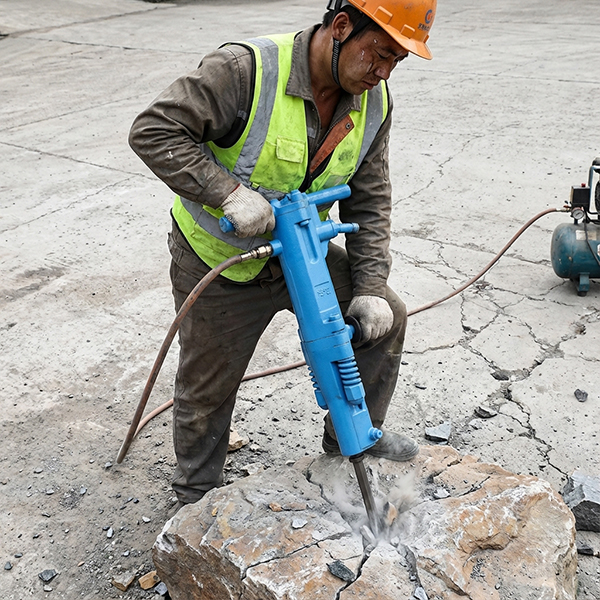
What the B87C Pneumatic Jack Hammer Is Good At
Based on the typical pneumatic-breaker scenarios you shared before (construction, road maintenance, wall opening, industrial maintenance, etc.), the B87C tends to shine when the job is clearly “heavy”:
Concrete demolition: slabs, thick floors, foundations—places where you need deeper impact, not just surface chipping
Road and municipal work: breaking sections of asphalt/concrete for repair access
Brick & concrete opening work: creating larger openings in concrete walls or brick walls when you need strong penetration
Industrial maintenance: slag removal, casting cleaning, deburring, boiler/furnace maintenance, and chiseling on irregular surfaces
In simple terms: if a smaller jack hammer feels like it’s skating on top, the B87C is meant to dig in.
Customer Questions People Usually Care About (And Straight Answers)
1) “Is the B87C actually more powerful, or just bigger?”
Look at the impact geometry. The B87C runs a 63.5 mm piston diameter with a 327 mm piston stroke. That combination is a clear signal the tool is designed for higher single-hit energy. And even though it’s 1200 b.p.m, the feel on tough material is typically more “productive” because each strike is heavier.
If your material is thick or reinforced, that matters more than chasing the highest BPM number.
2) “What compressor do I need for this Pneumatic jack hammer?”
The B87C is rated at 3.0 m³/min air consumption. In real site terms, that means your compressor needs to supply that airflow consistently, not only on paper. When airflow drops, you’ll feel it immediately: the Pneumatic jack hammer starts hitting weaker and the work slows down.
So the practical advice is simple—don’t undersize the air supply for a tool that’s built around 3.0 m³/min.
3) “Does hose size really matter that much?”
Yes—because air tools don’t like being starved. The B87C specifies an air tube diameter of 19 mm. Match that, and avoid the common jobsite mistake from your operating guidance: don’t kink the hose or fold it into sharp angles. A tight bend looks harmless, but it steals airflow, and then everyone blames the tool.
4) “What chisels fit this hand held jack hammer?”
The shank size is 32 × 155 mm. That’s the compatibility number to check before you buy tool steel. If the shank doesn’t match, it won’t seat correctly—and a loose chisel on a jack hammer is not something anyone wants to deal with.
5) “What usually kills a pneumatic breaker early?”
Two things show up again and again, and your notes already emphasize them:
Empty striking / blank hitting (running the tool without the chisel properly engaged on the surface). This is hard on internal parts and accelerates wear.
Poor lubrication. Pneumatic tools need oil. A solid routine is: oil before use, then add pneumatic oil about every 2 hours during continuous work (some crews stretch it to 2–3 hours, but heavy work is safer closer to 2).
If you only do one thing right, do these two—no empty strikes, and consistent oiling.
6) “How do we keep the B87C reliable over time?”
A realistic maintenance rhythm (based on your guidelines) looks like this:
Before work: oil the tool
During work: add oil about every 2 hours
Regular cleaning: many teams use a weekly disassembly/cleaning routine (clean parts, dry, re-lubricate, reassemble)
Storage: if the tool won’t be used for over a week, oil it before putting it away
Also important from your safety rules: don’t do random jobsite repairs. If something fails, stop and send it for proper repair rather than forcing it.
7) “Anything operators should pay attention to for safety?”
The basics matter, especially with a heavier hand held jack hammer:
Check the working area first—loose material and falling-debris risk are real
Keep fittings tight; high-pressure connections should be secured properly (your guidance warns against makeshift fixes)
Don’t drive the chisel so deep it gets stuck; if it jams, loosen it carefully instead of violent pulling
Those are small habits that prevent downtime.
Final Takeaway
The B87C Pneumatic breaker hammer is a jobsite-focused Pneumatic jack hammer for heavy breaking—more “serious demolition” than light chipping. With a 63.5 mm piston, 327 mm stroke, and 1200 b.p.m, it’s built to deliver strong, controlled impact where smaller jack hammer models feel underpowered. Setup stays straightforward too: 3.0 m³/min air consumption, 19 mm air tube diameter, 3/4 (P/T) air inlet, and 32 × 155 mm shank size.
If your crew already has the air supply to feed it properly and you follow the two golden rules—oil it regularly (about every 2 hours) and avoid empty strikes—the B87C is the kind of hand held jack hammer that earns its keep on tough sites.