
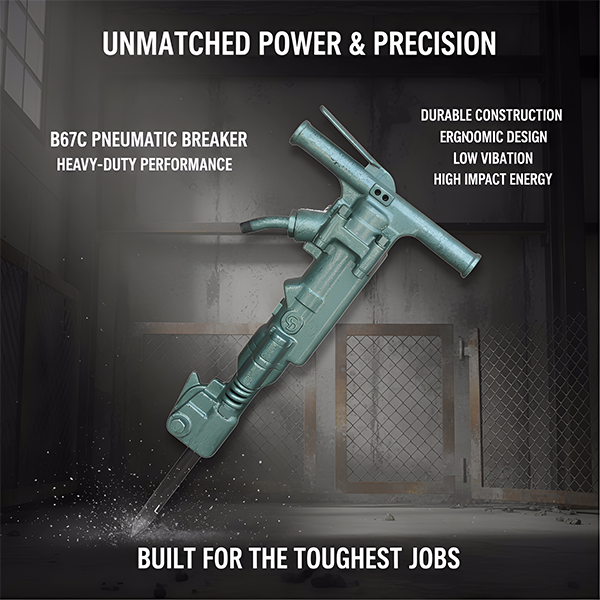
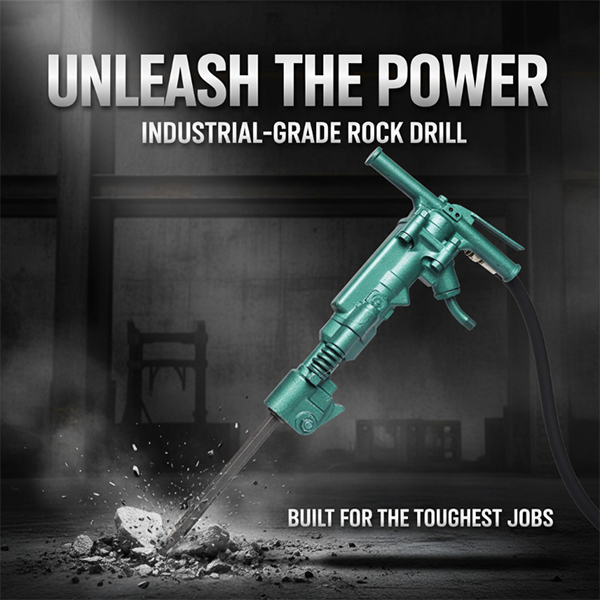
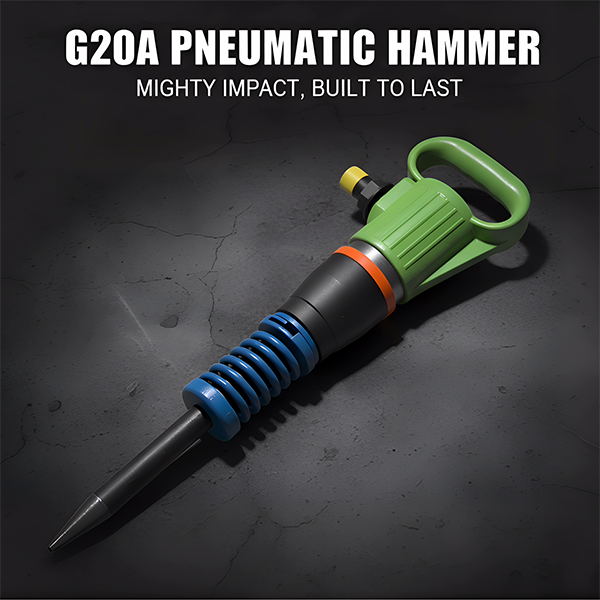
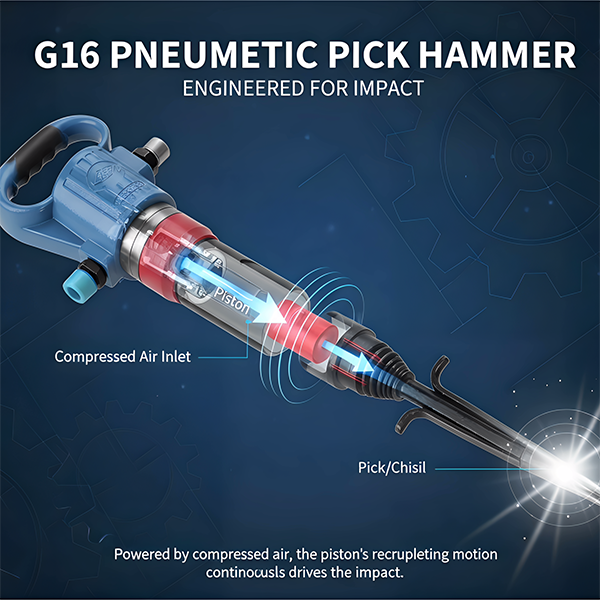
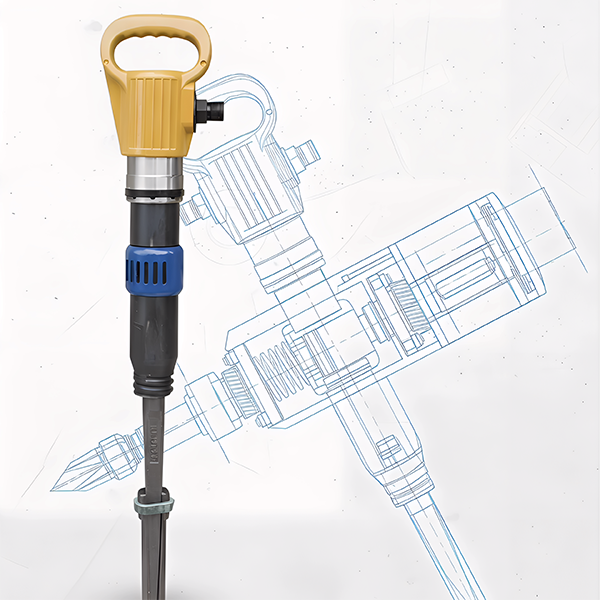
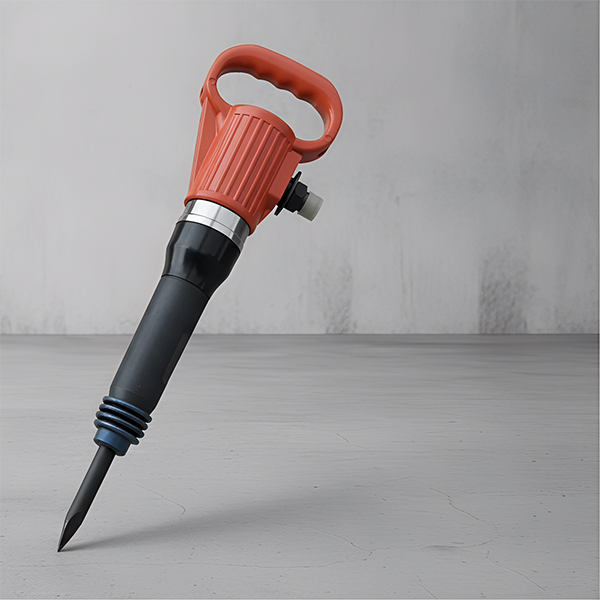
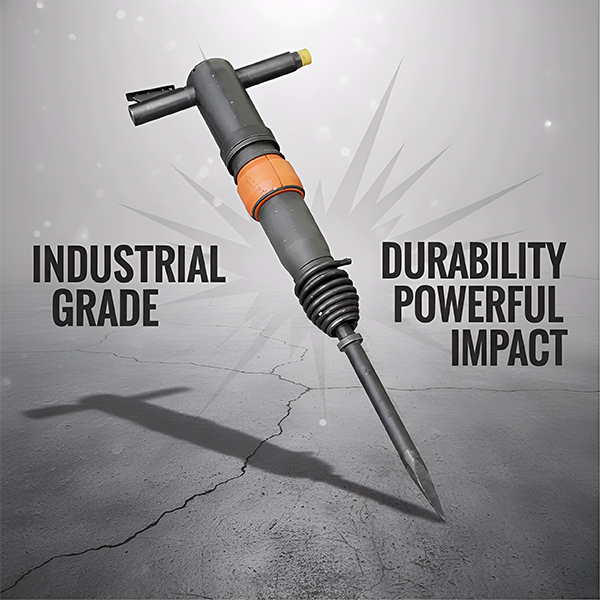
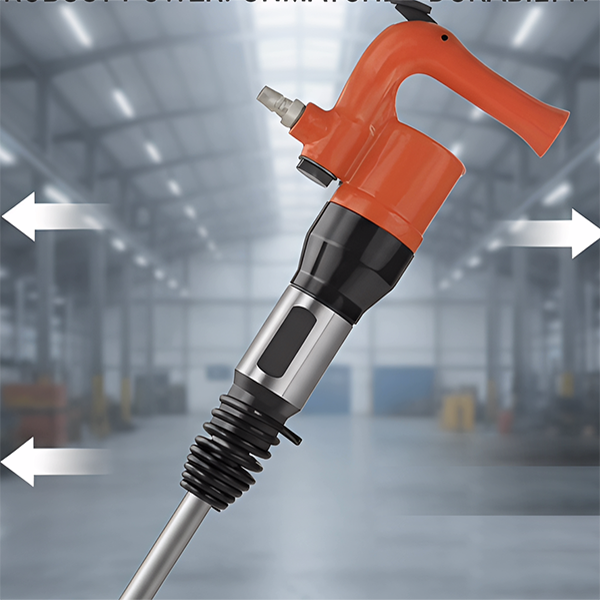
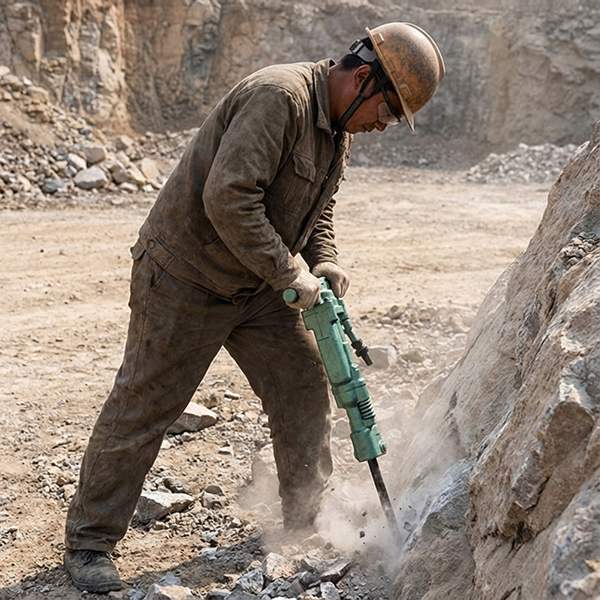
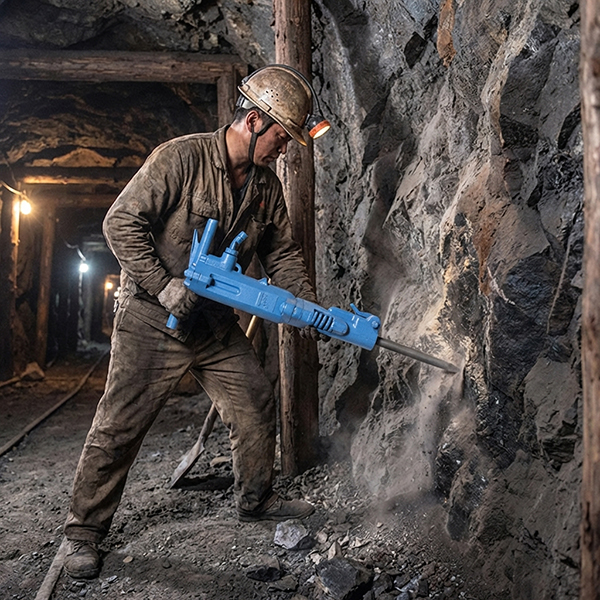
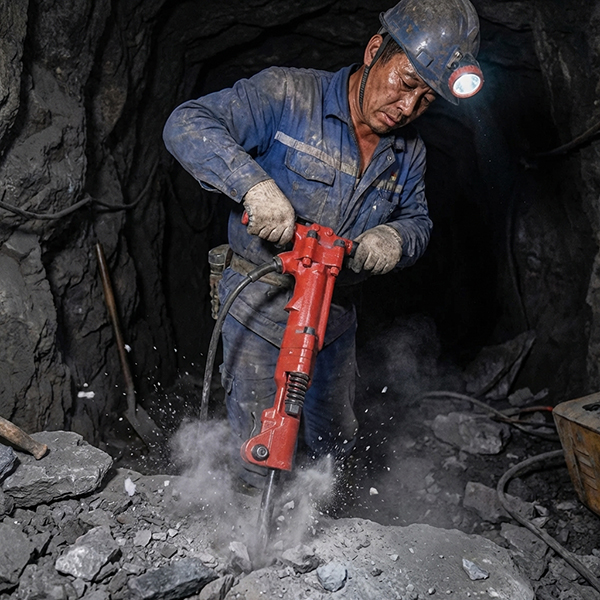
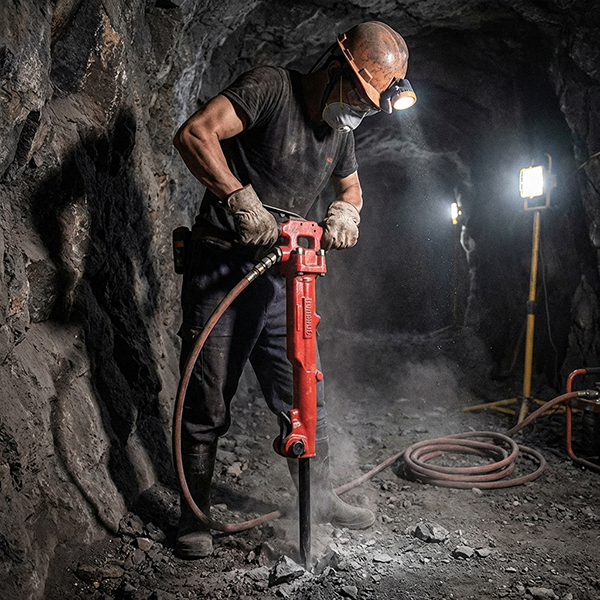
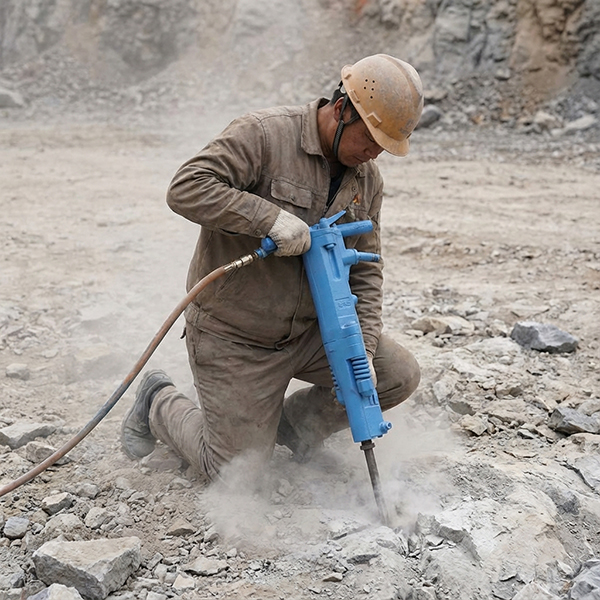
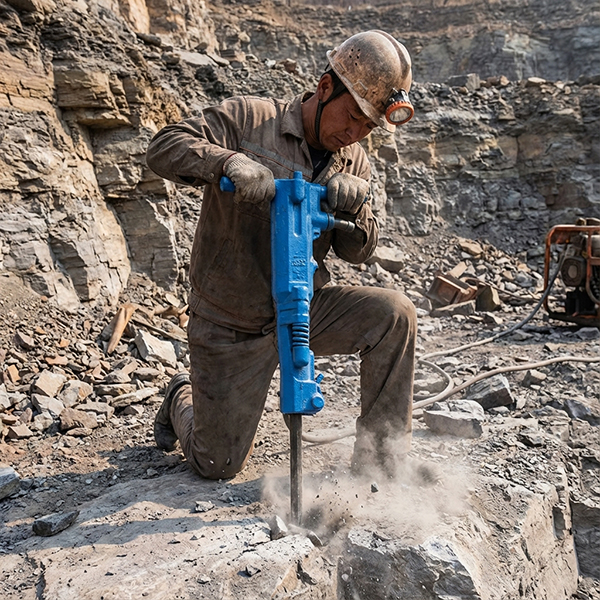
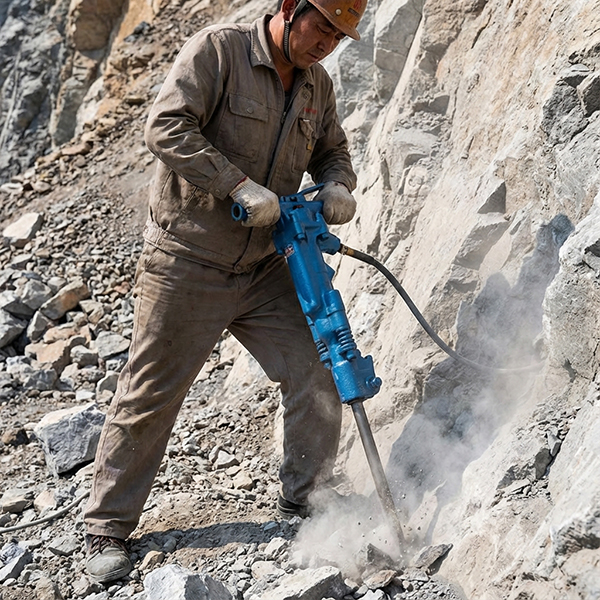
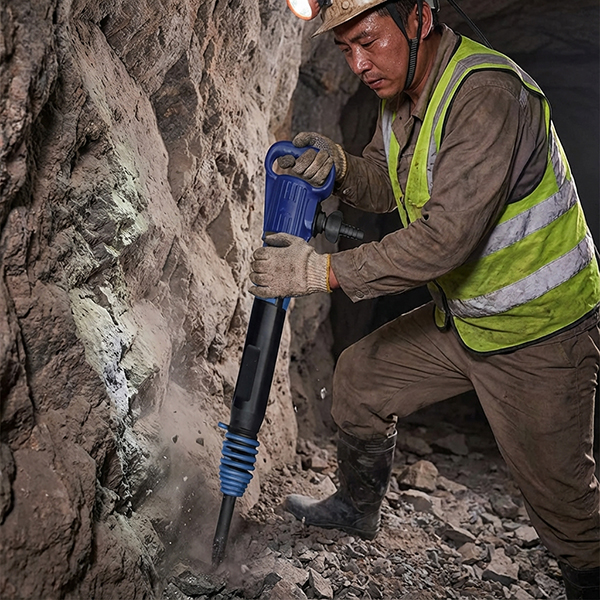
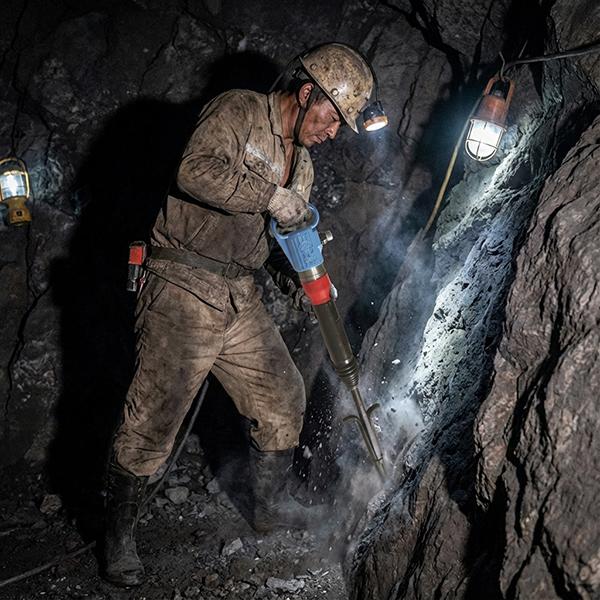
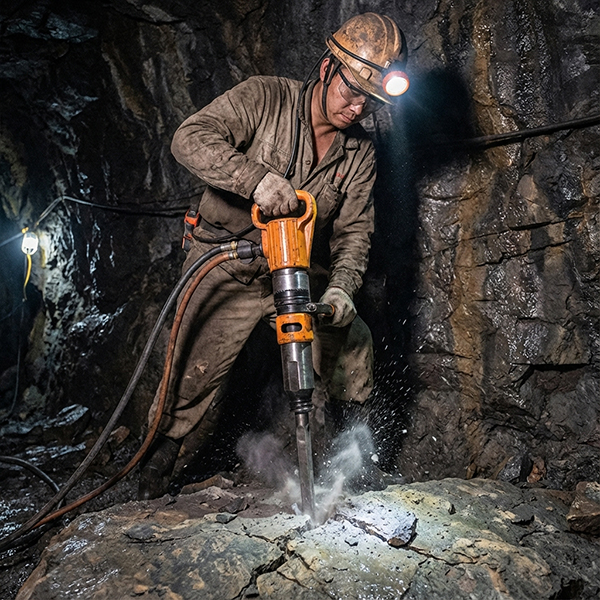
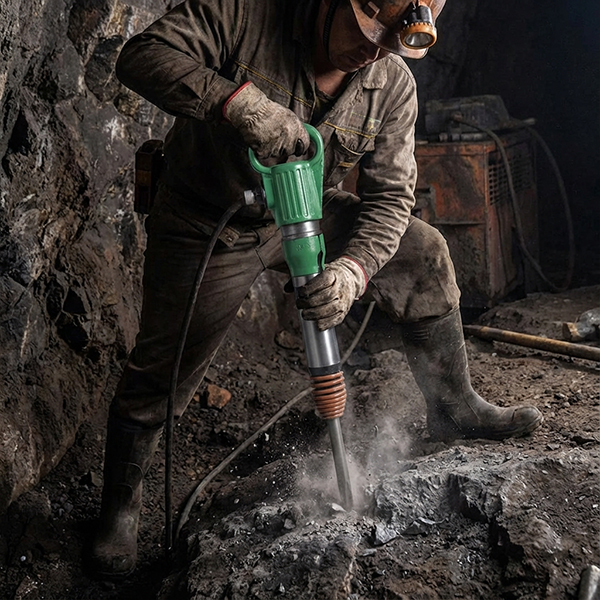
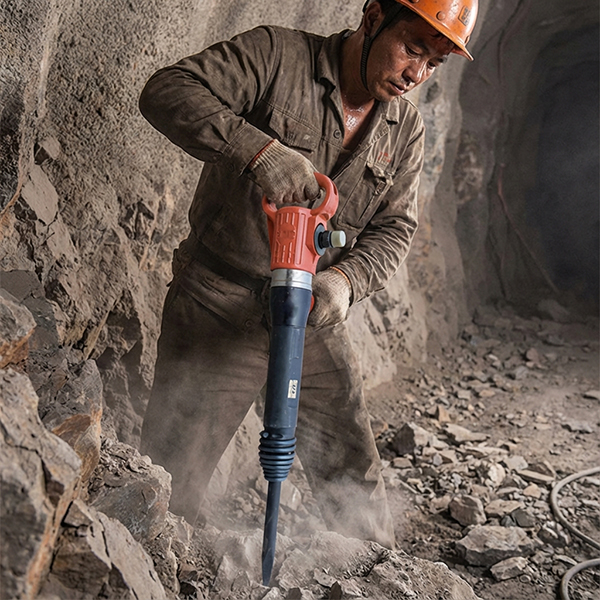
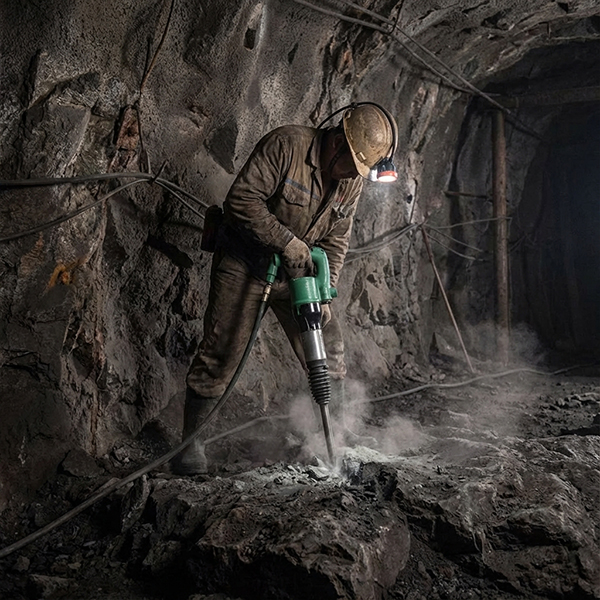
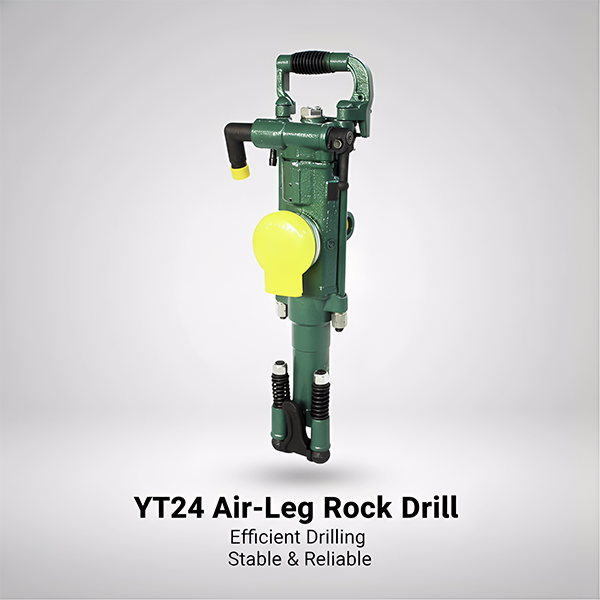
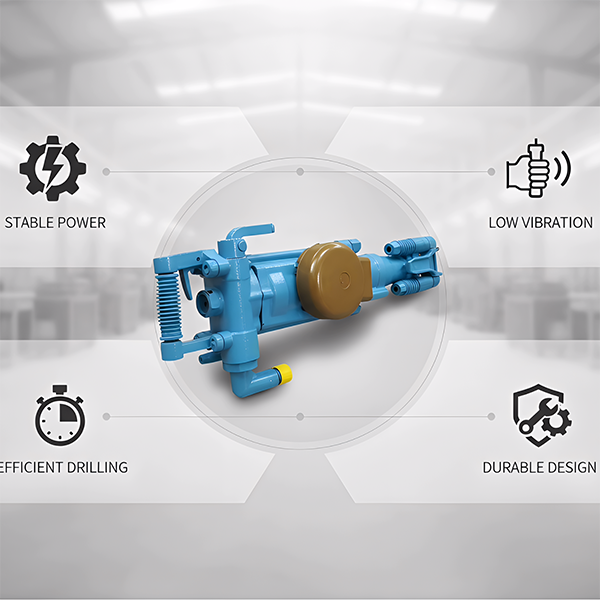
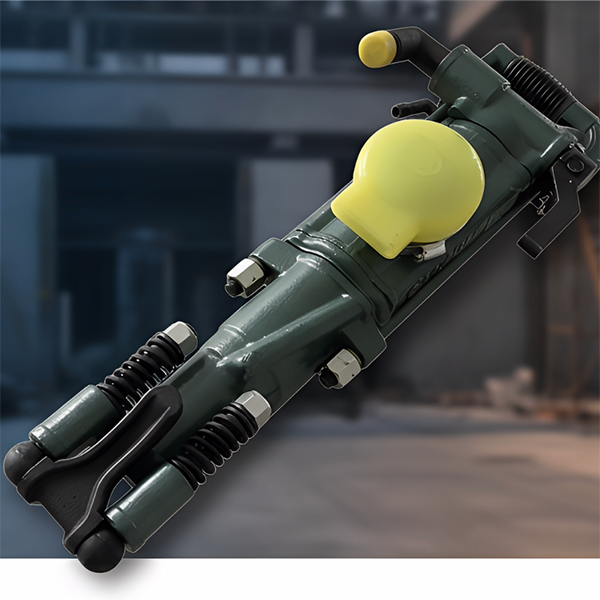
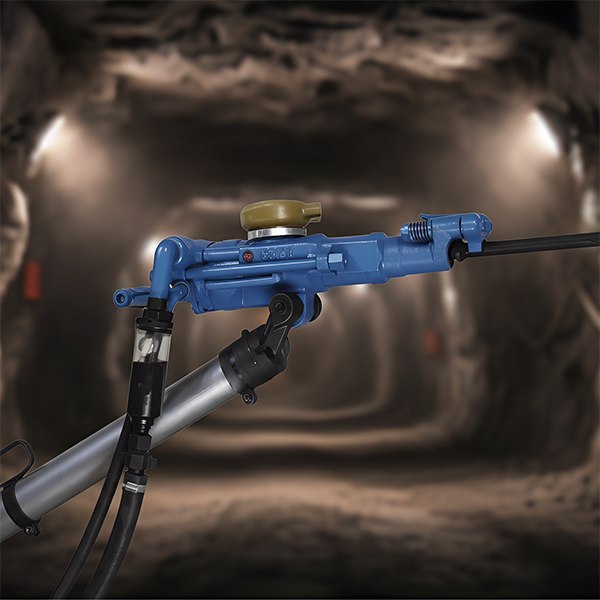
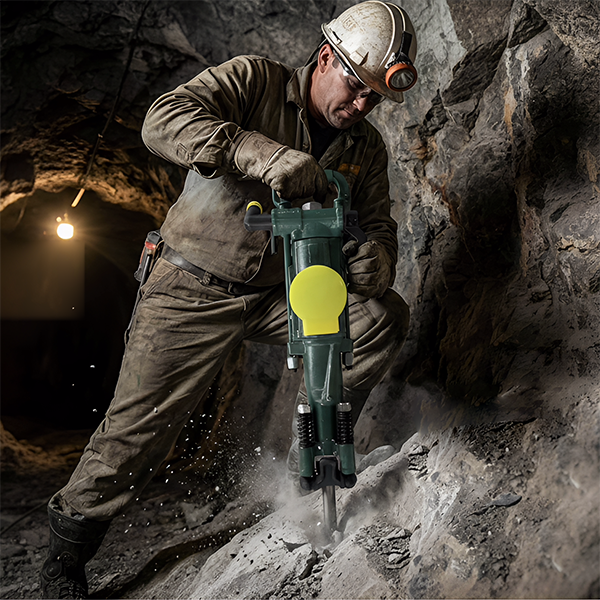
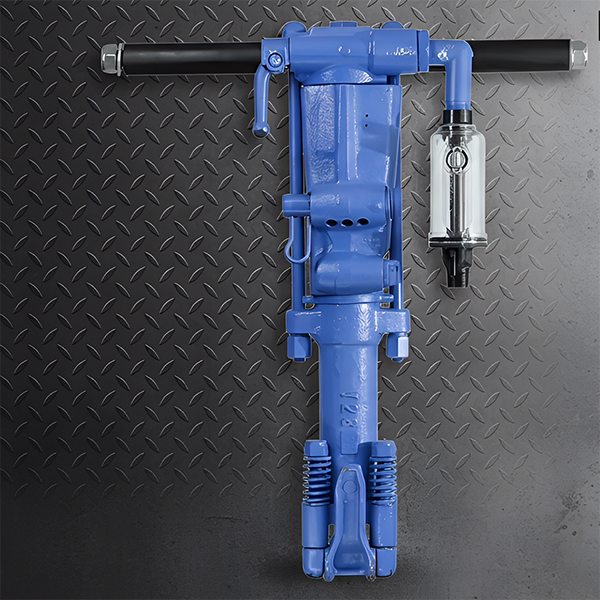
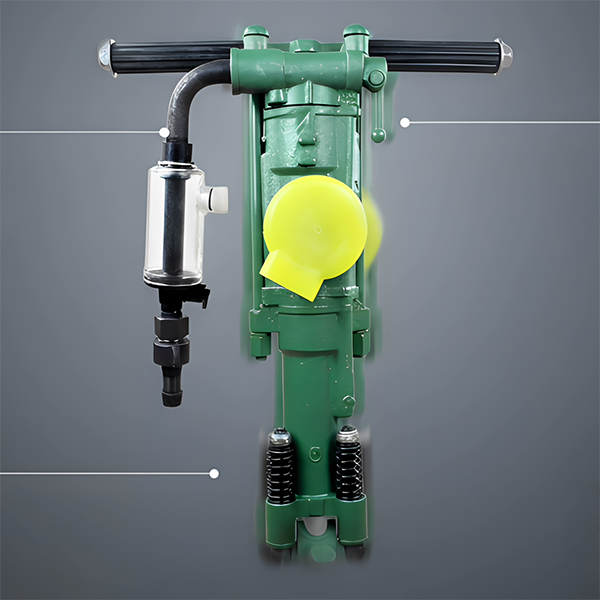
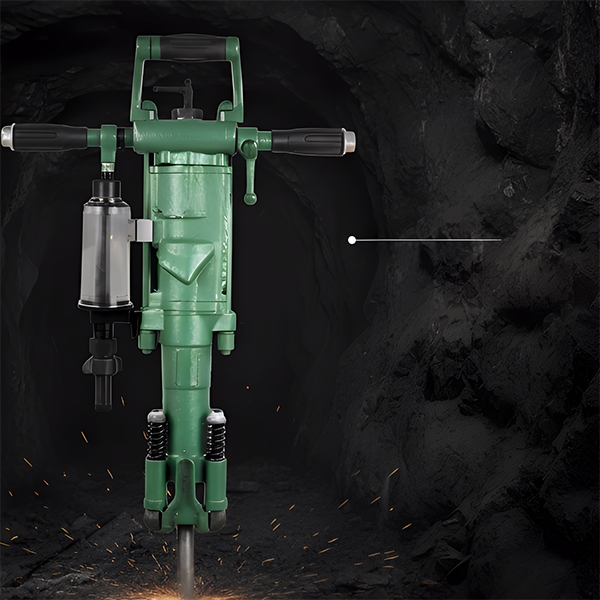
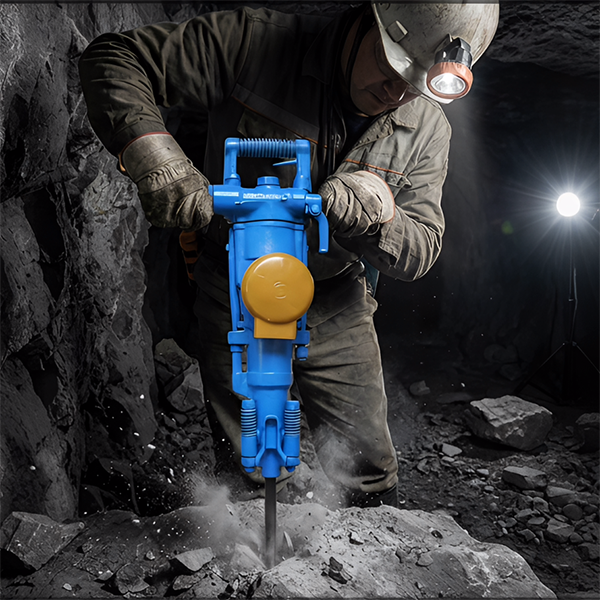
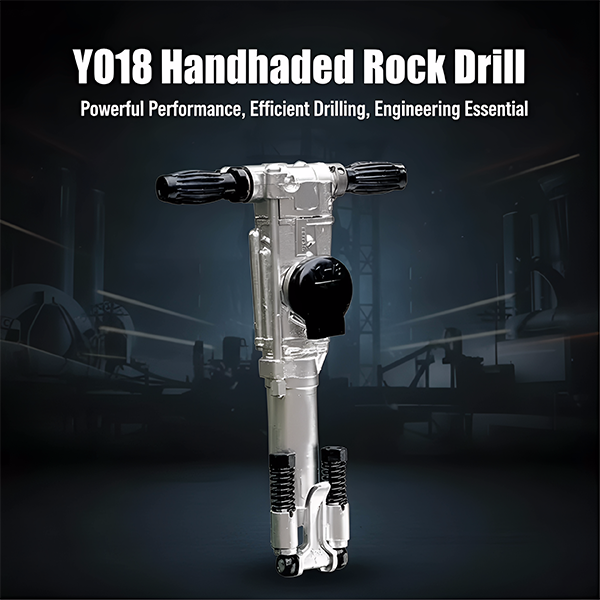
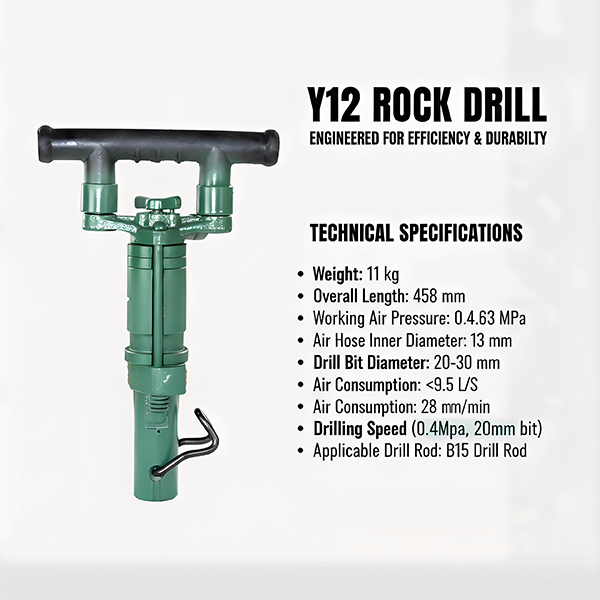
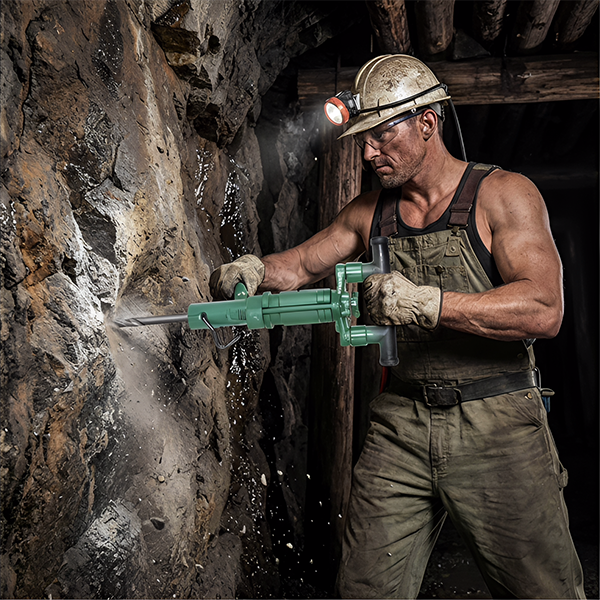
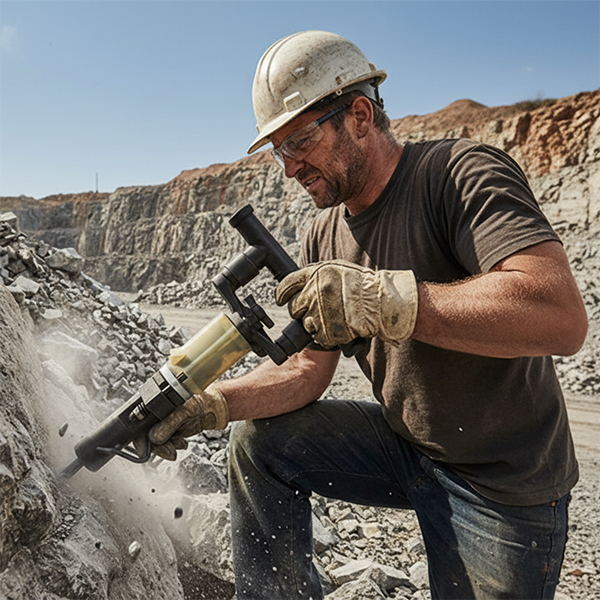
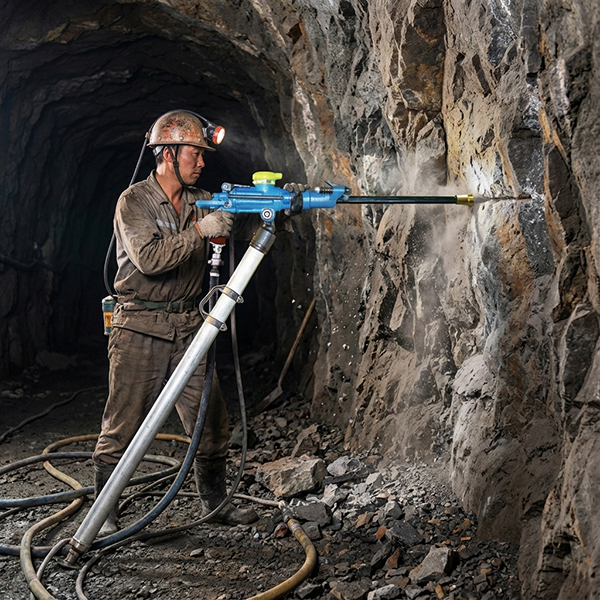
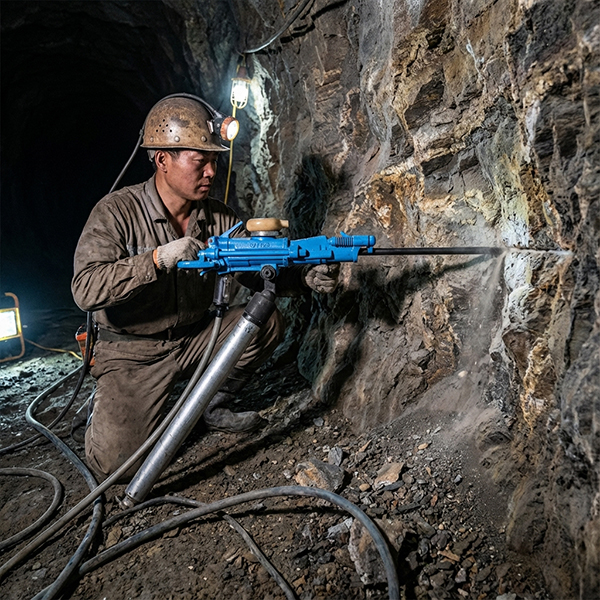
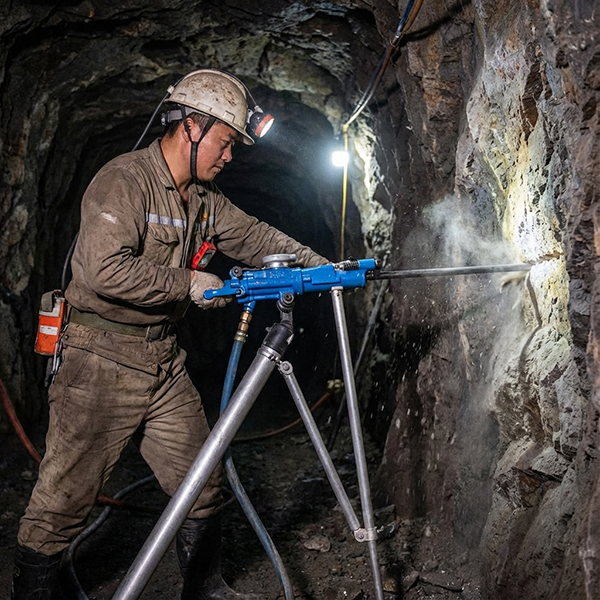
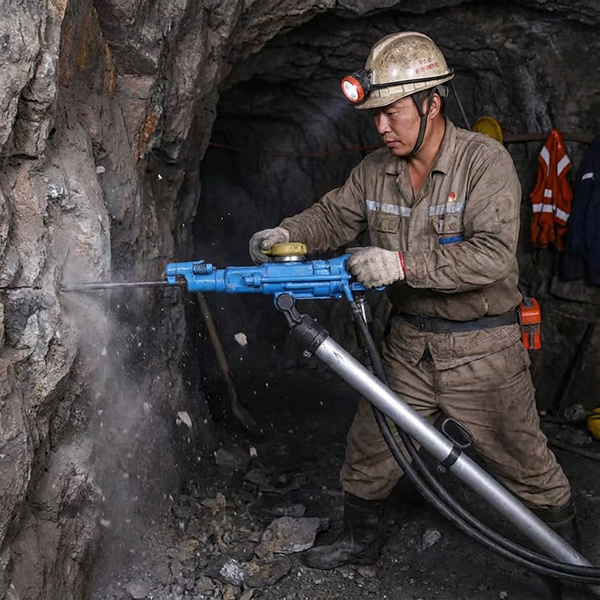
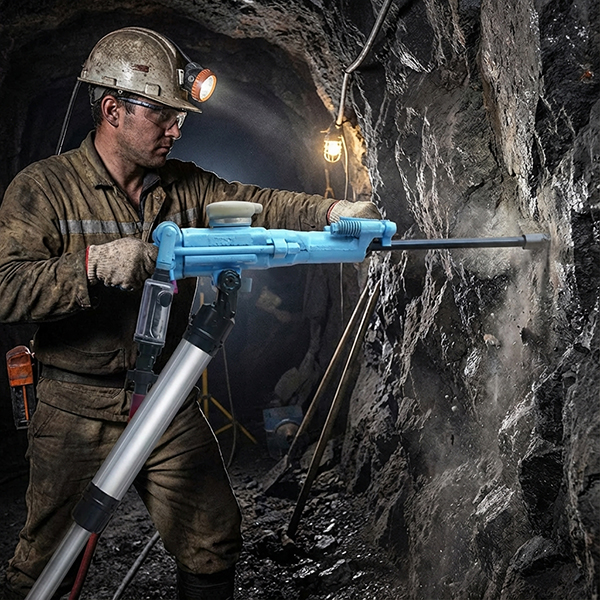
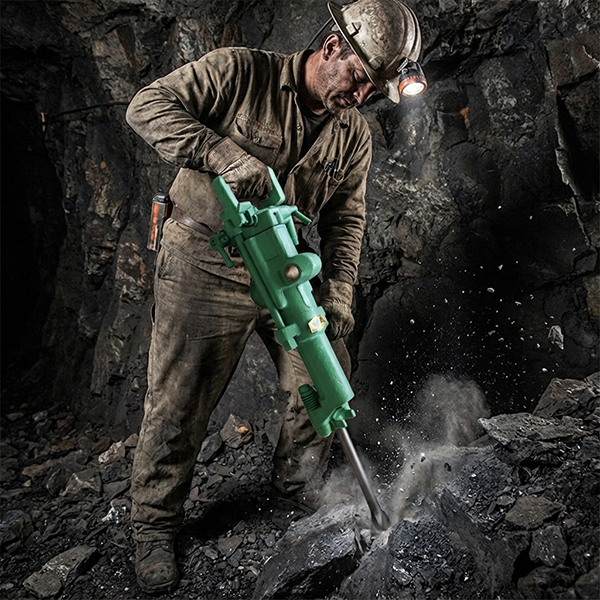
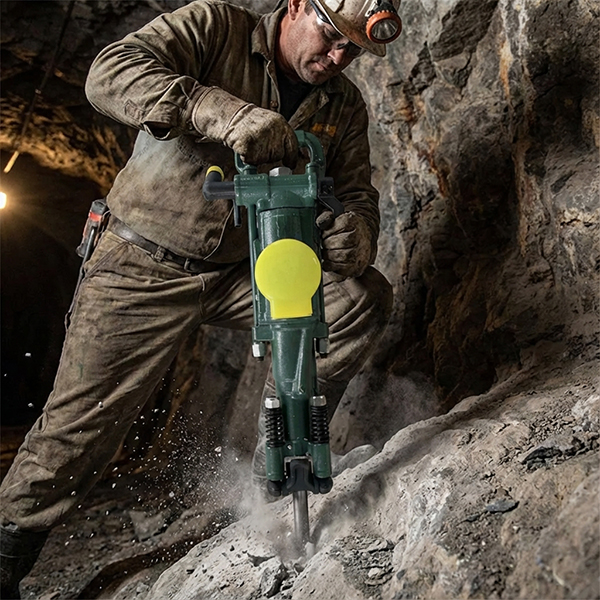
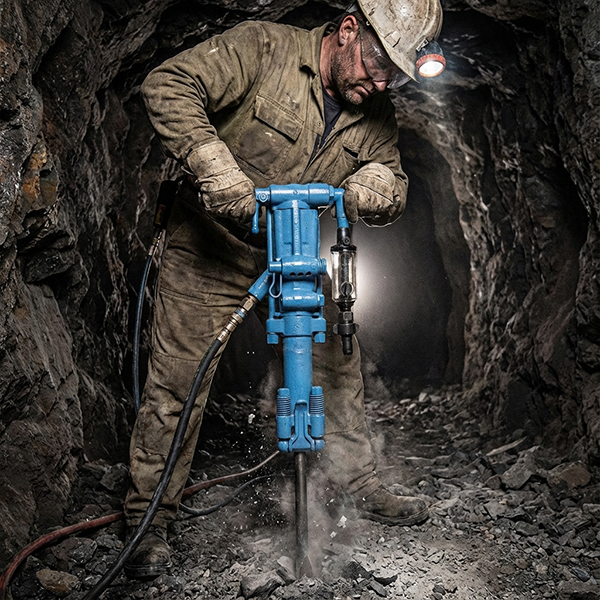
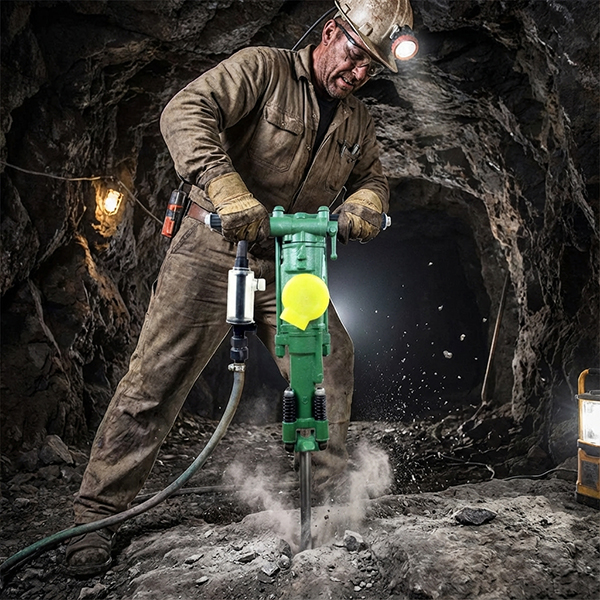
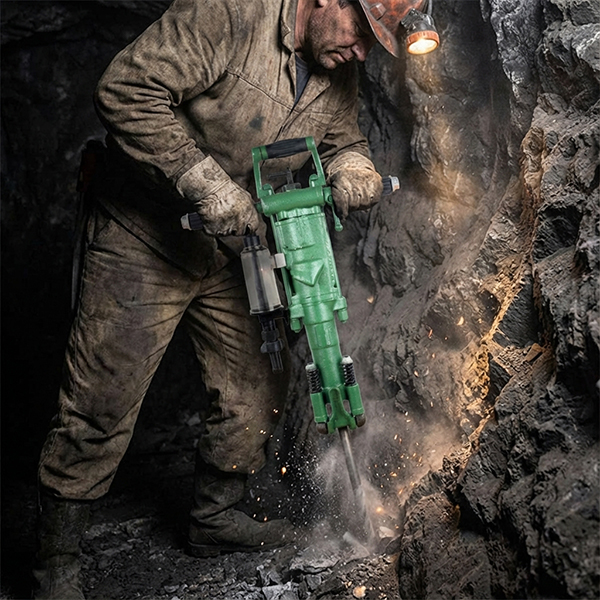
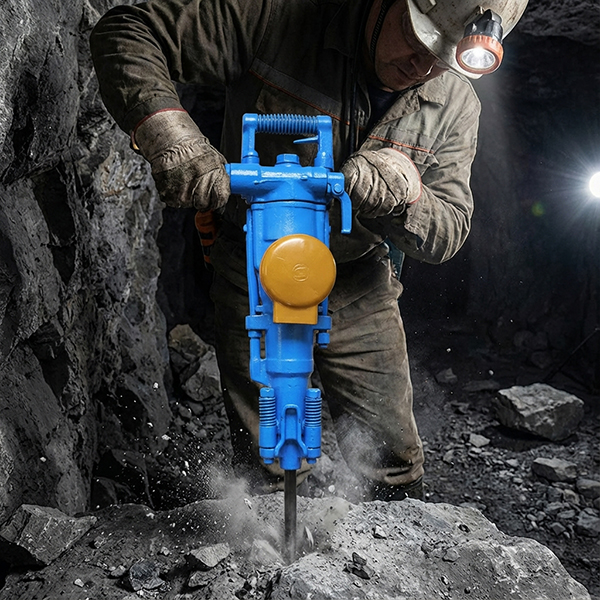
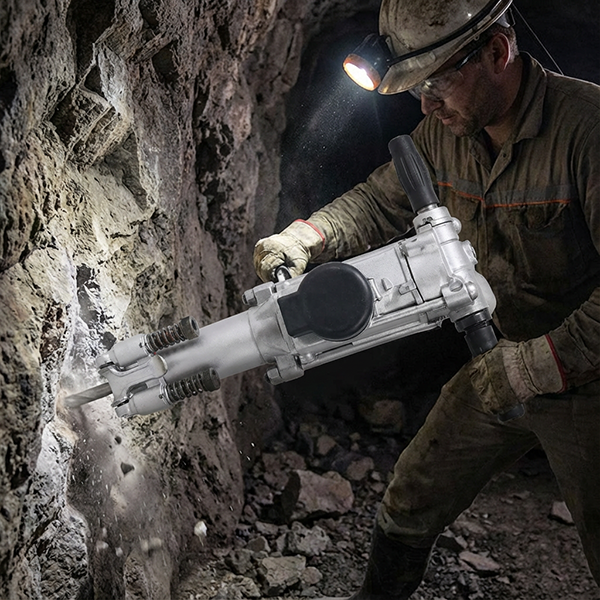
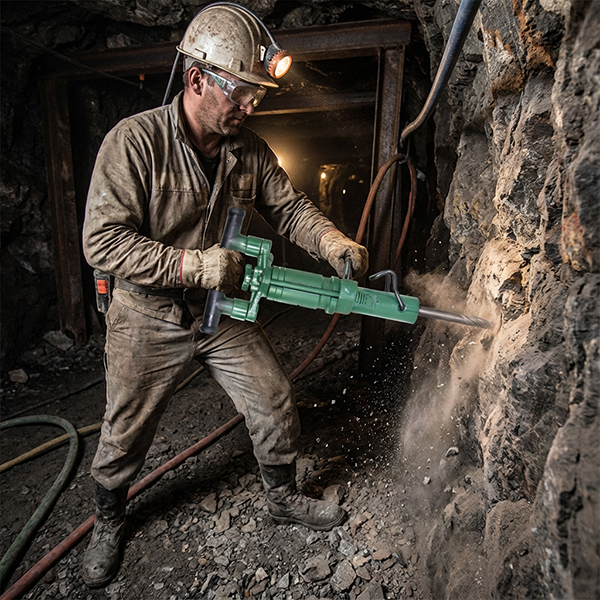
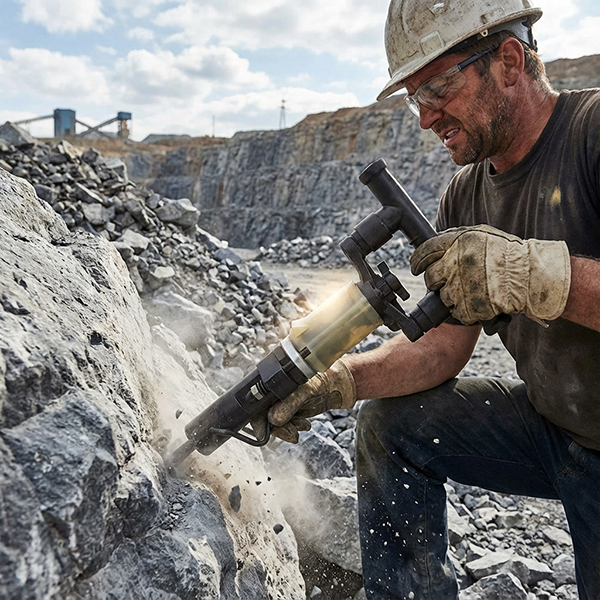
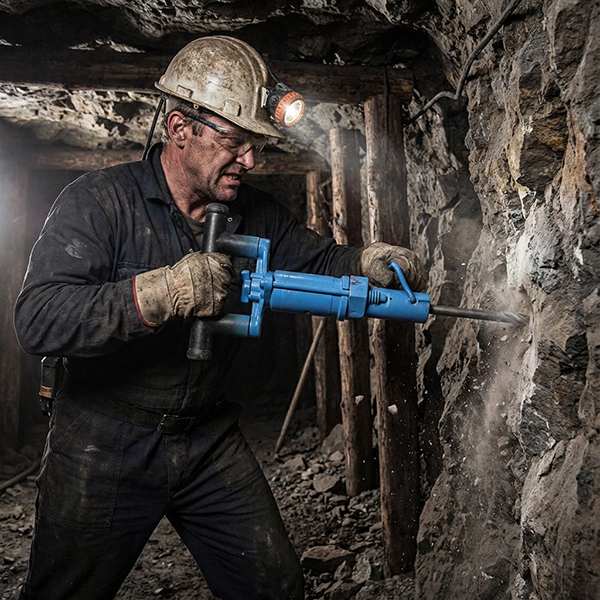
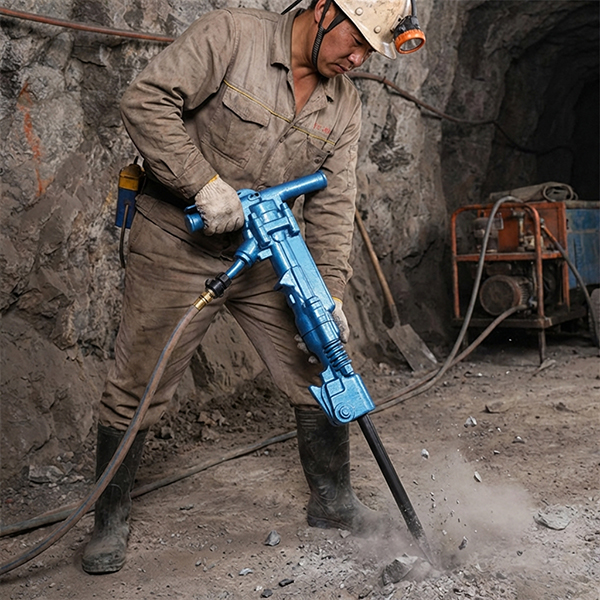
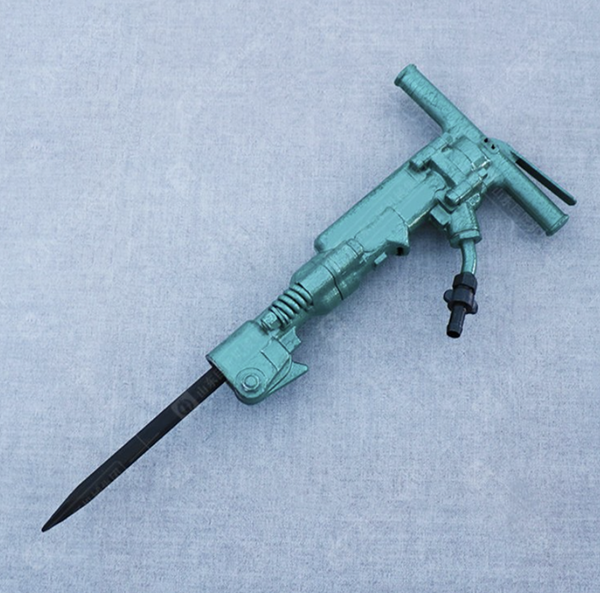
If you’ve ever used a weak breaker on thick concrete, you know the feeling: lots of noise, lots of vibration, and progress that’s way too slow. The RB777 Pneumatic breaker hammer is meant for the opposite situation—when you need a jack hammer that bites into material and keeps going, shift after shift. It’s a Pneumatic jack hammer powered by compressed air, and it’s sized for serious demolition, roadwork, mining, and industrial chipping.
What I like about introducing RB777 is that the specs actually explain the “feel” of the tool. You can tell it’s designed to hit deep rather than just tap fast.
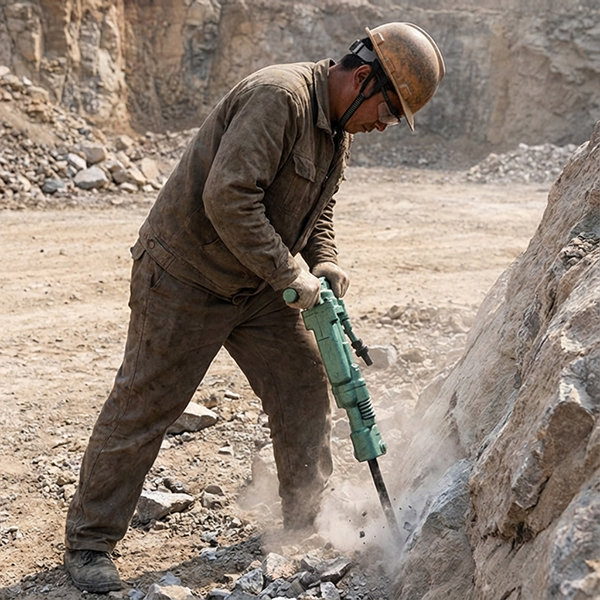
Quick Look: What the RB777 Pneumatic Jack Hammer Is
The RB777 is a hand held jack hammer that uses an internal piston to drive repeated impacts into the chisel. Here are the numbers that matter most:
Piston diameter: 57 mm
Piston stroke: 189 mm
Percussive frequency: 18.3 Hz
Length: 733 mm
Weight: 37.0 kg (your data shows “370mm”, but this spec line is clearly the tool’s weight, commonly written as 37.0 kg)
Air consumption: 3.0 m³/min
Air tube diameter: 19 mm
Shank size: 32 × 155 mm
Oil feeder: 30 ml
Two details jump out immediately: the 189 mm stroke is long, and the air demand is 3.0 m³/min—that’s a sign this Pneumatic jack hammer is meant to deliver real impact, not “light duty” vibration.
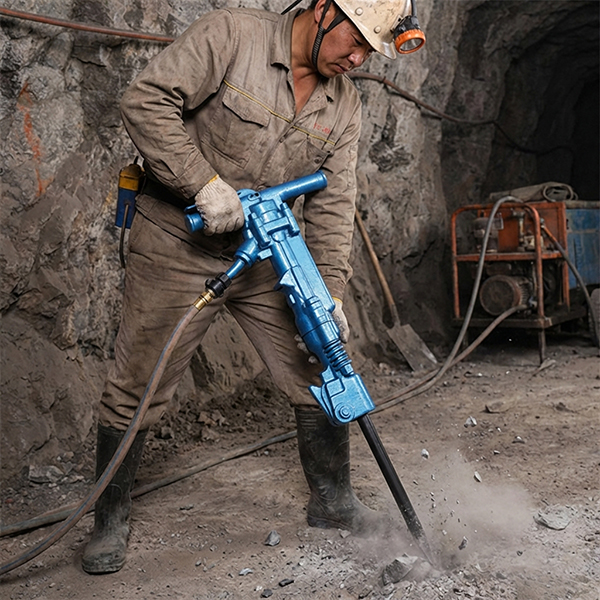
What Those Specs Mean on the Job
Long stroke = deeper “break” per hit
A lot of buyers focus only on piston diameter. But with RB777, the 57 mm piston paired with a 189 mm stroke is the story. Long stroke breakers often feel more decisive on thick material because the energy transfer isn’t just surface-level.
A steady striking rhythm you can control
The percussive frequency is 18.3 Hz. In practical terms, that’s a solid, steady impact rate—not a frantic machine that bounces around. On concrete and asphalt, control matters as much as raw power, especially when you’re trying to break clean lines or avoid damaging what’s underneath.
It’s heavy enough to be serious, still workable as a hand held jack hammer
At 37.0 kg and 733 mm long, RB777 sits in that “heavy breaker” category, but it’s still used as a hand held jack hammer on many sites. For big demolition you’ll feel the weight, sure—but for tough breaking, that weight is also part of why it stays planted and doesn’t skate around.
Where the RB777 Jack Hammer Typically Gets Used
Based on the same kind of application knowledge you’ve been building for these pneumatic breakers, RB777 usually shows up in jobs like:
Concrete demolition: slabs, walls, foundation edges
Asphalt removal: road repair, trench work, patch cutting
Mining / quarry support work: chipping and trimming where machines can’t reach
Industrial maintenance: surface chipping, cleanup work, rough removal tasks
Foundry-style cleanup work: chipping and cleaning around cast parts or heavy build-up areas
In short, it’s the kind of Pneumatic jack hammer people choose when the work is hard, continuous, and time matters.
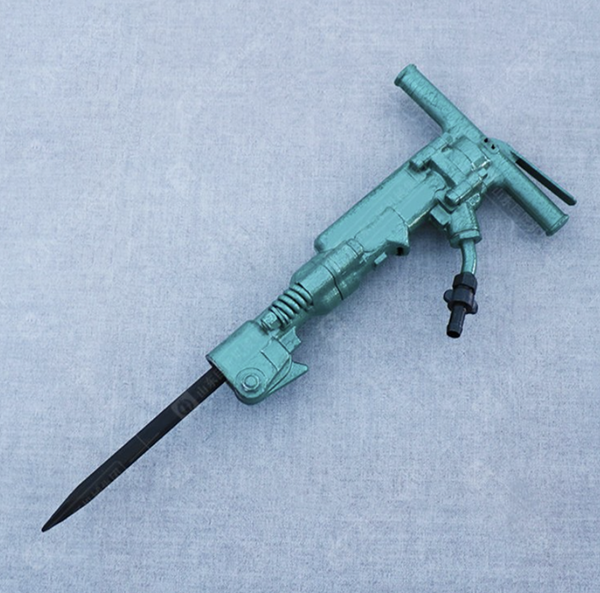
Customer Questions (The Ones That Decide a Purchase)
1) “What kind of air supply does this Pneumatic jack hammer really need?”
RB777 is rated at 3.0 m³/min air consumption. That’s not a small number, so the compressor and air system have to match it. Also pay attention to the line setup:
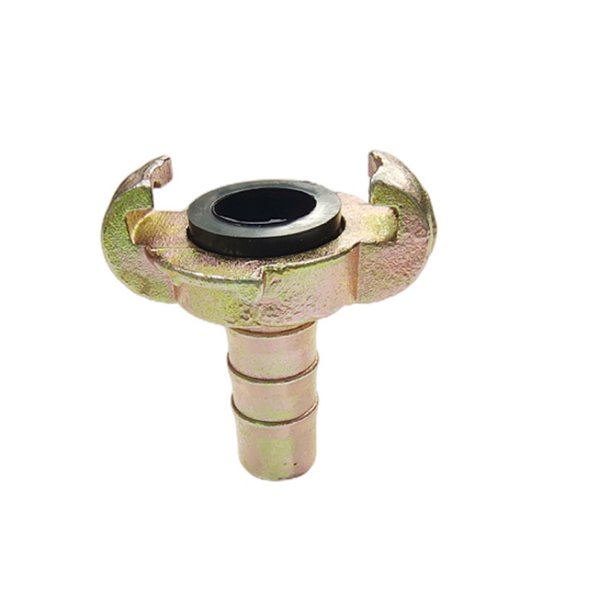
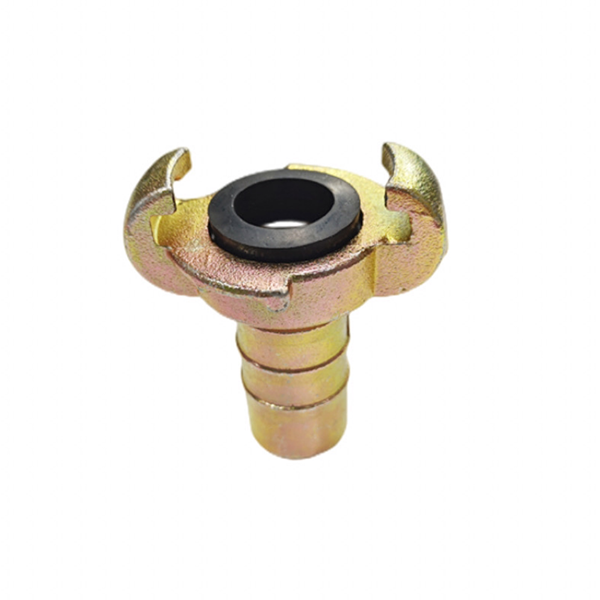
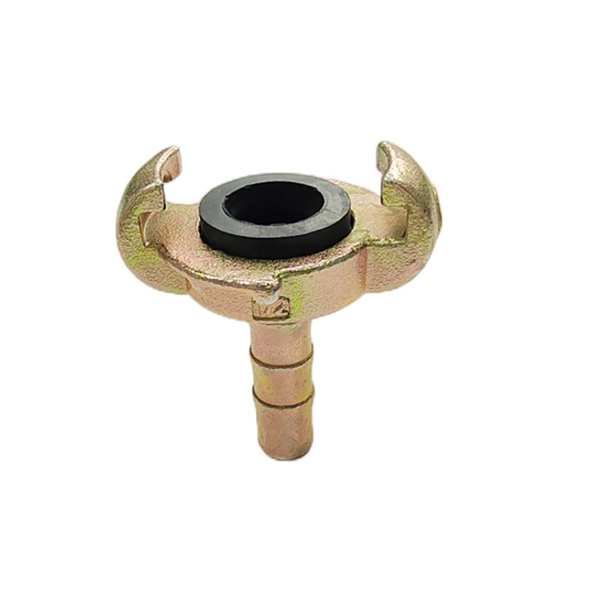
Air tube diameter: 19 mm
If someone tries to run RB777 on a smaller hose or with restrictive fittings, the tool will feel weaker than it should. With pneumatic tools, airflow is everything—starve the air, and you lose impact.
2) “Is it too heavy for daily work?”
The RB777 is about 37.0 kg, so it’s not a “casual” jack hammer. But it’s often chosen specifically because lighter tools waste time on hard surfaces. A common approach on site is to use it for the heavy breaking and switch to a smaller breaker for light trimming. If your main pain is slow progress on thick material, the extra weight is usually worth it.
3) “What bits fit it, and are they easy to source?”
RB777 uses a 32 × 155 mm shank. That’s a popular size in many markets, which helps with availability for moil points, chisels, and other common steels.
4) “How do I keep it running strong without babysitting it?”
This is where RB777 makes life easier: it includes an oil feeder (30 ml). Pneumatic breakers live and die by lubrication. A practical routine is:
Make sure the oiler is filled (you’ve got 30 ml capacity)
Add oil regularly during long shifts
Don’t run it dry—dry running is how you accelerate wear fast
If the air is clean and the lubrication is consistent, these tools tend to stay stable and reliable.
5) “What’s the biggest mistake people make with a jack hammer like this?”
Two common ones:
Under-sizing the air system: RB777 needs 3.0 m³/min through a 19 mm hose. If your setup can’t deliver that, performance drops.
Using the tool like a pry bar: a breaker is for striking, not levering. Forcing the chisel sideways can damage steels and increase internal stress.
Final Thoughts: Who the RB777 Is For
The RB777 Pneumatic breaker hammer is a no-nonsense jack hammer for heavy breaking—concrete, asphalt, industrial chipping, and the kind of work where lighter tools feel like they’re stalling. Its core identity comes from the 57 mm piston diameter and especially the 189 mm piston stroke, backed by a real air requirement of 3.0 m³/min, and a jobsite-friendly 19 mm air hose setup. Add the 30 ml oil feeder, and you’ve got a Pneumatic jack hammer that’s built for continuous use, not just short bursts.