
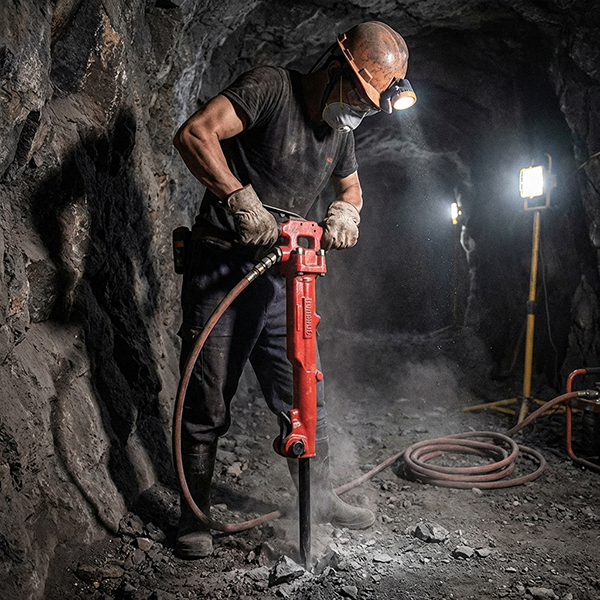
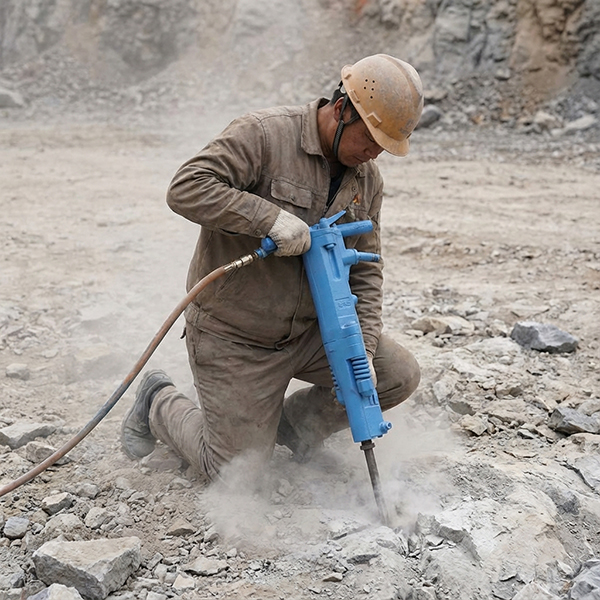
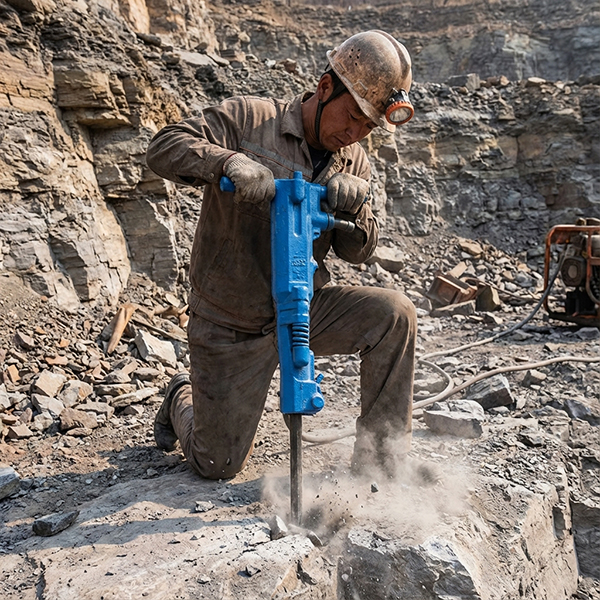
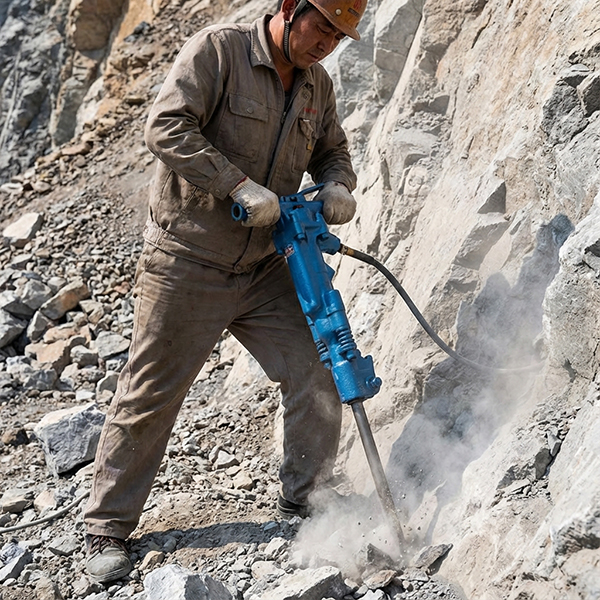
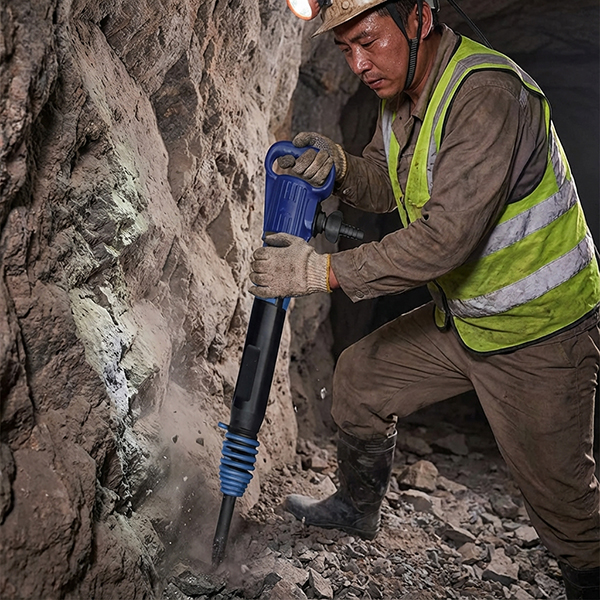
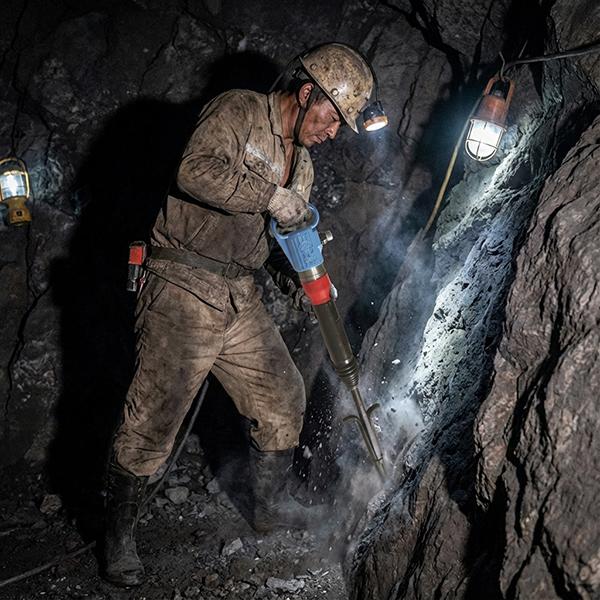
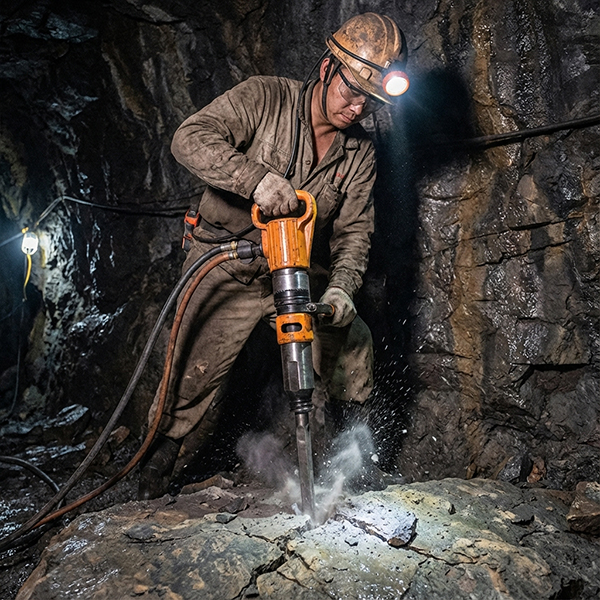
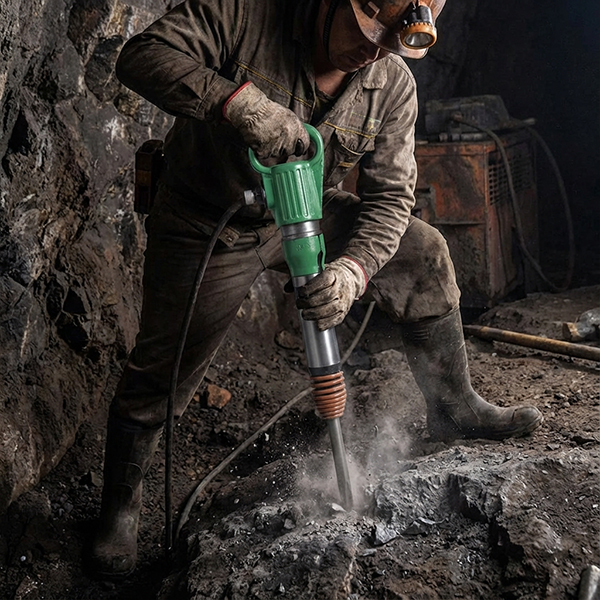
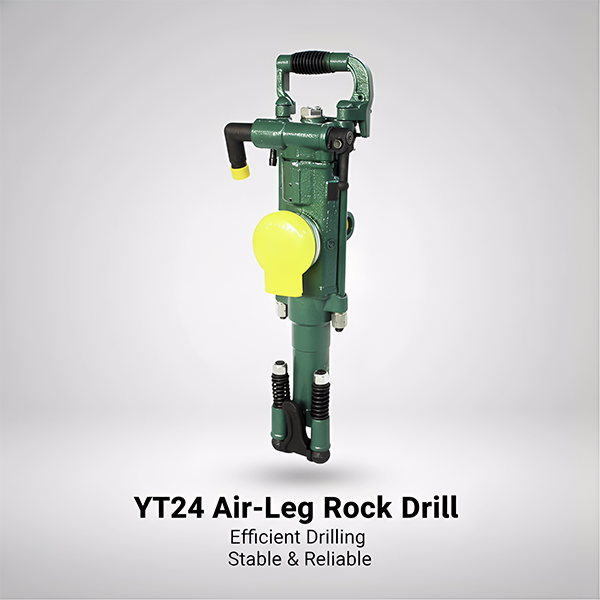
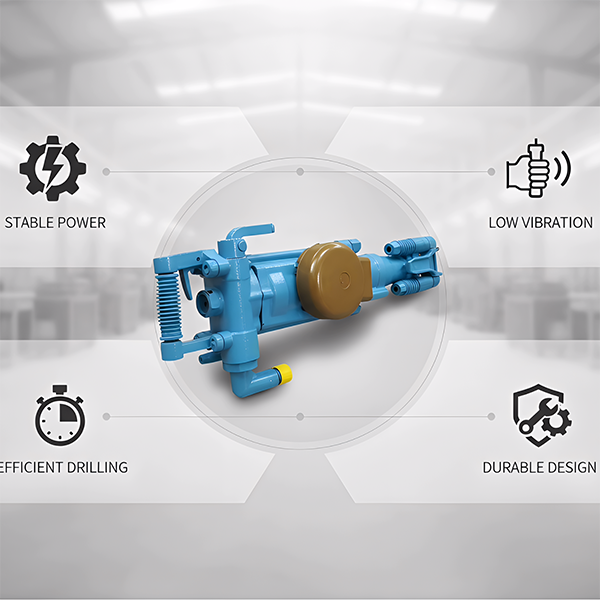
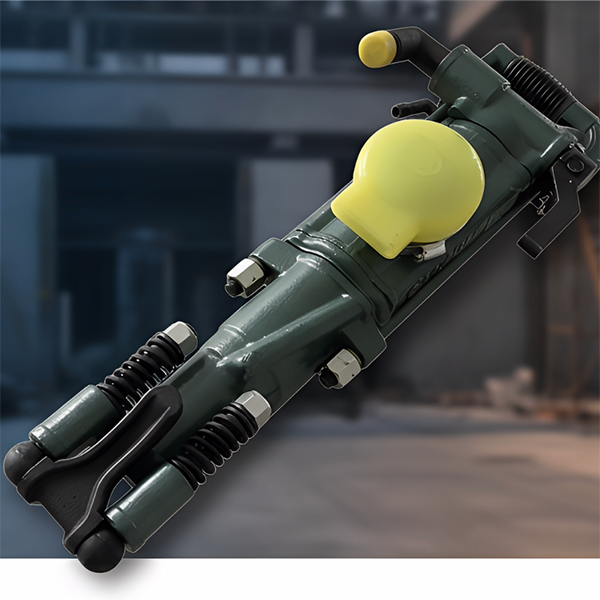
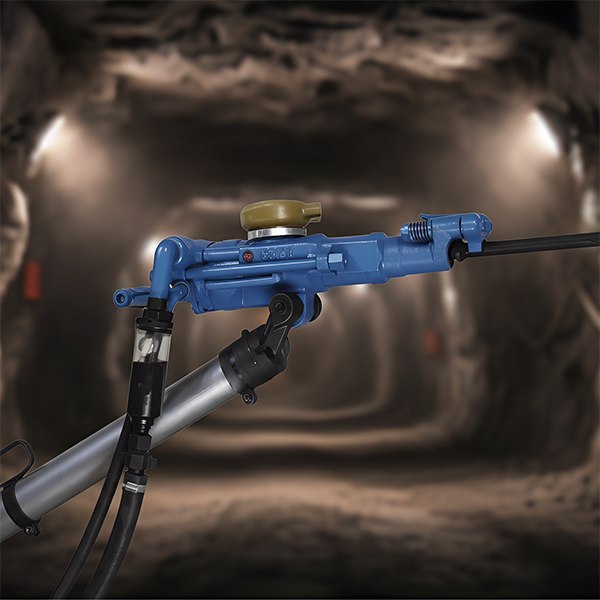
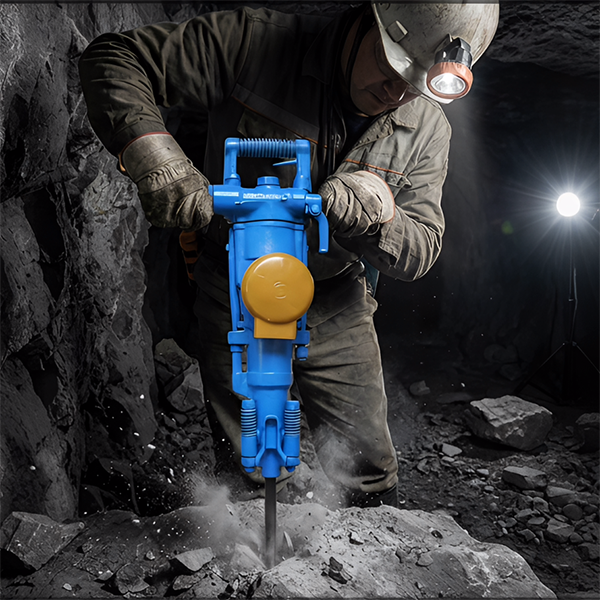
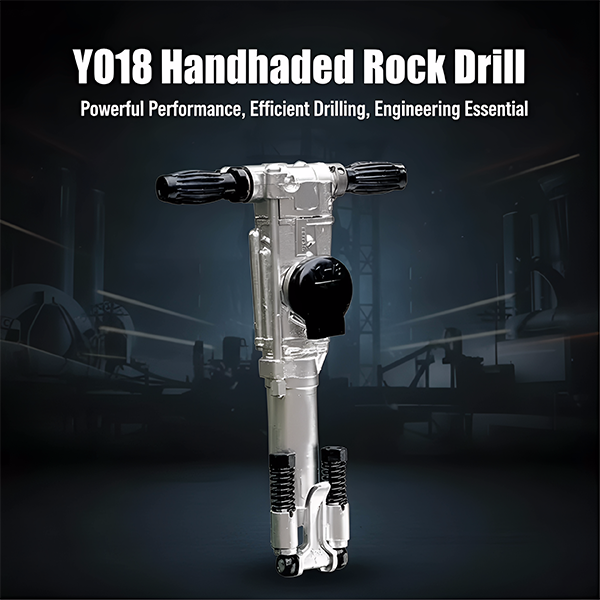
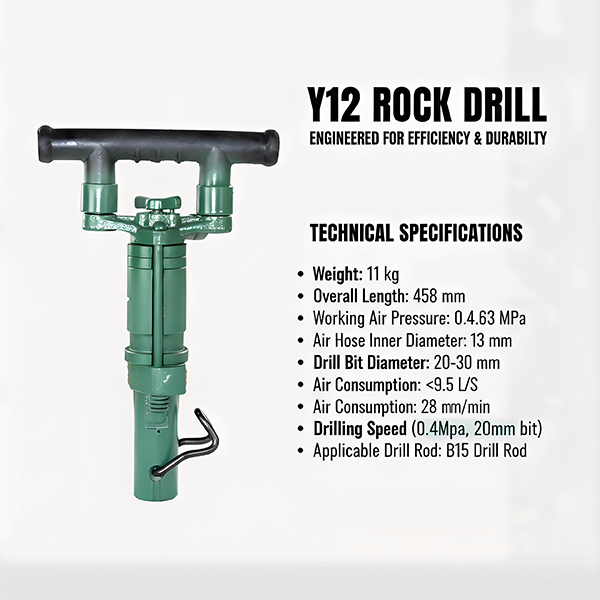
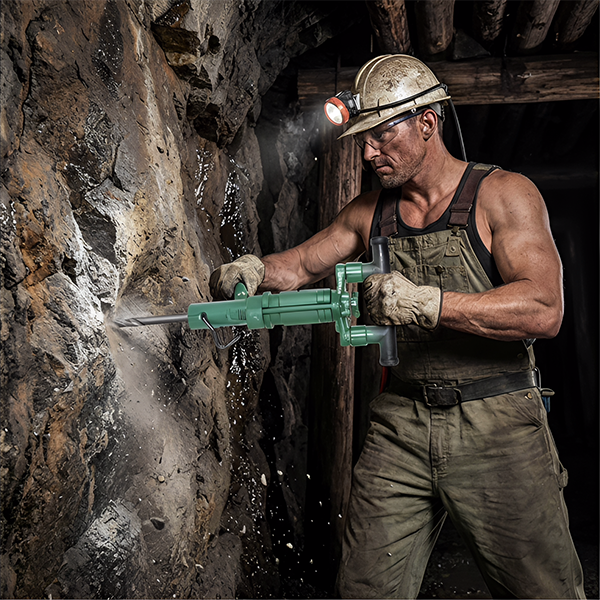
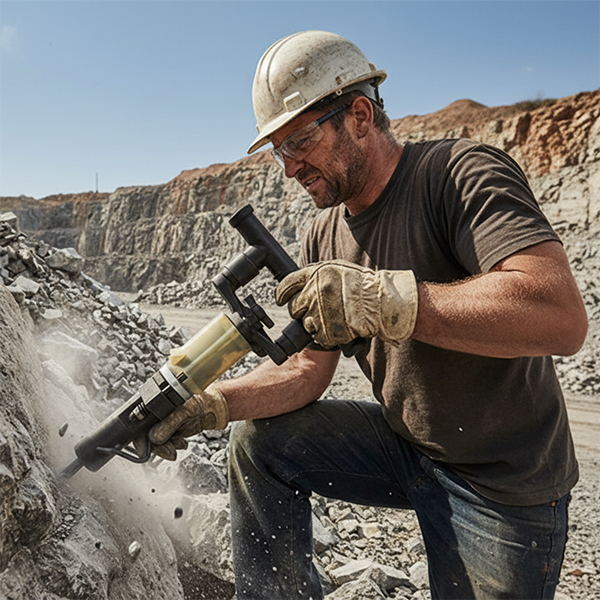
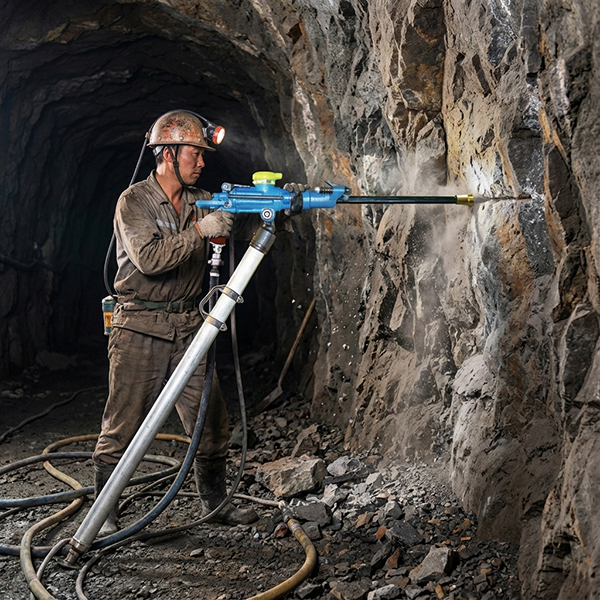
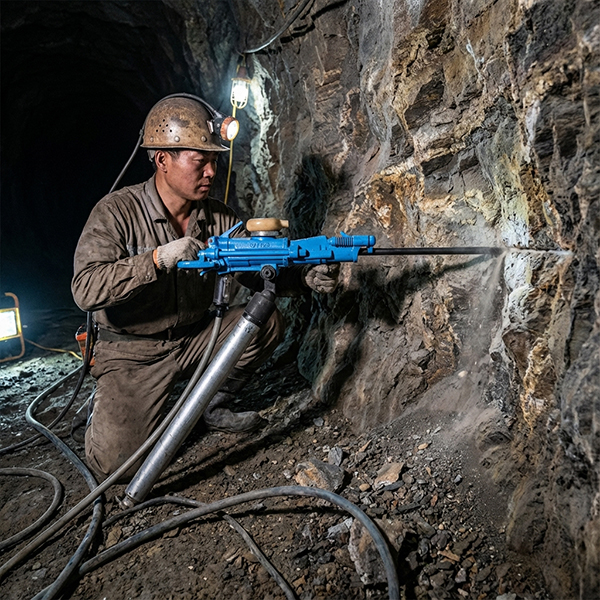
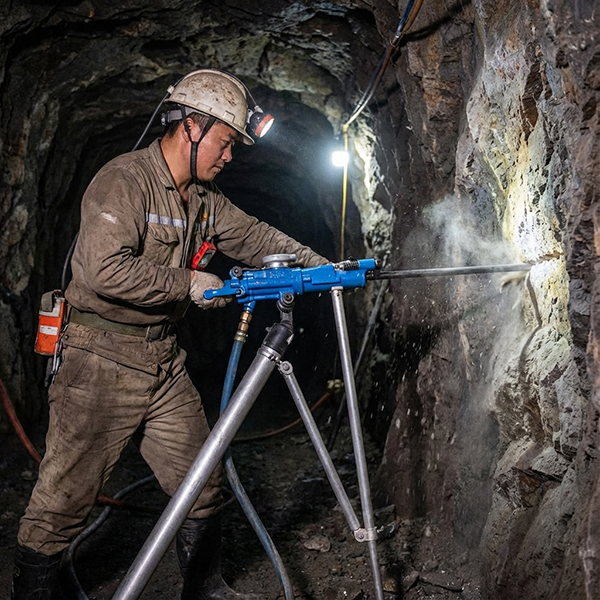
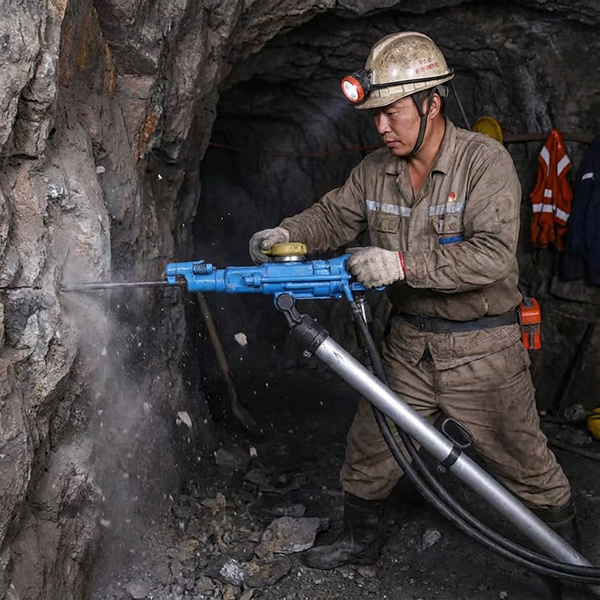
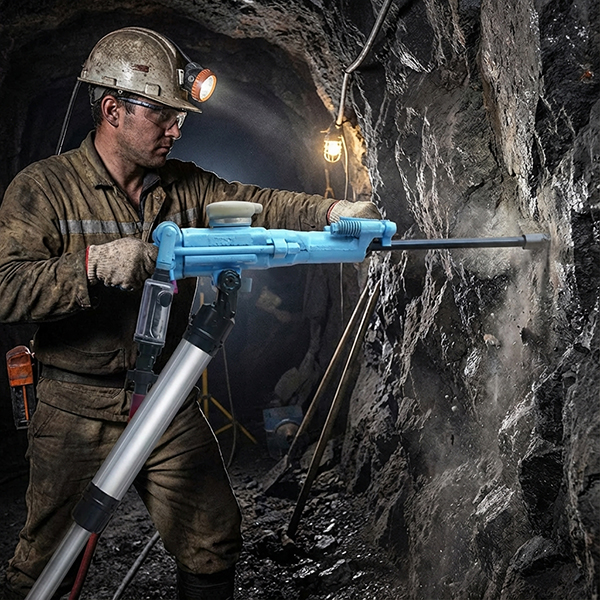
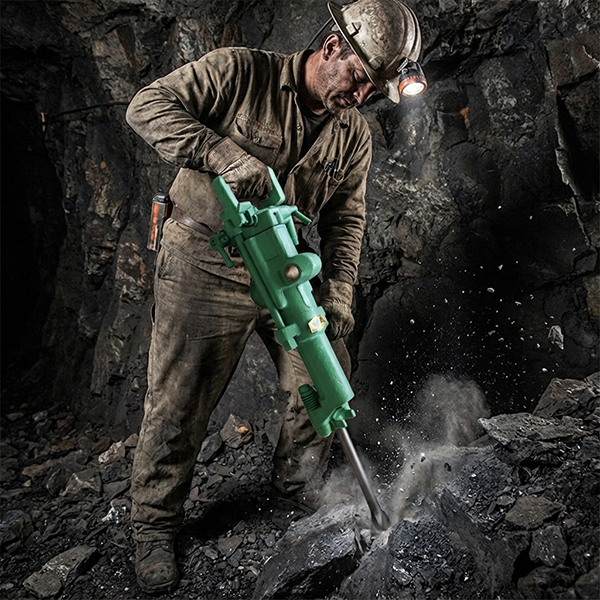
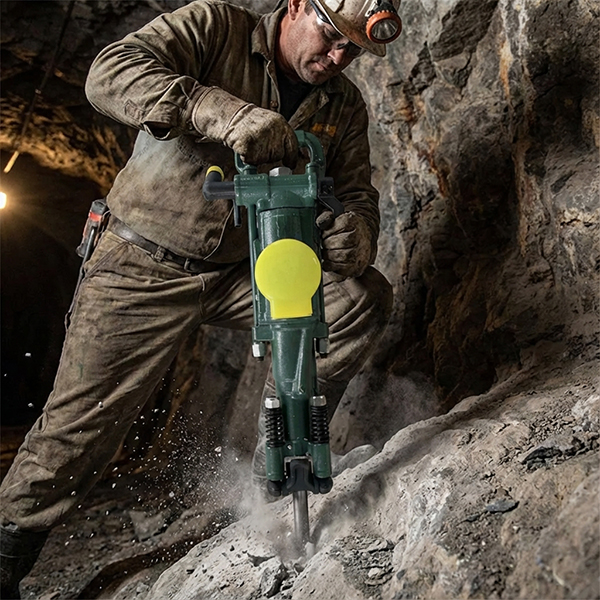
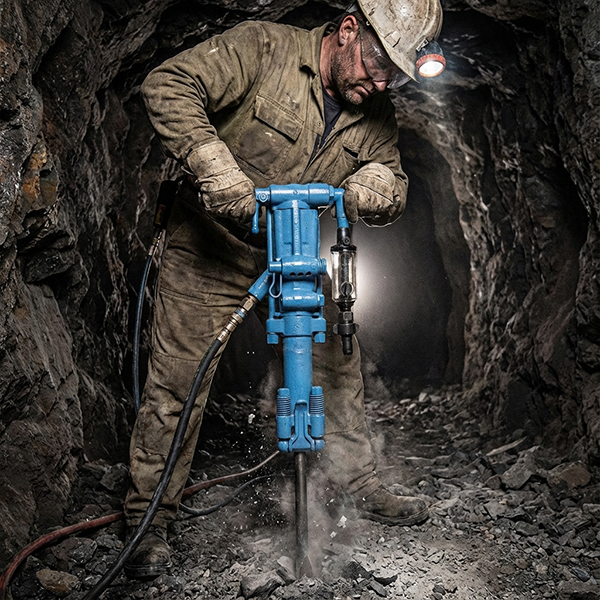
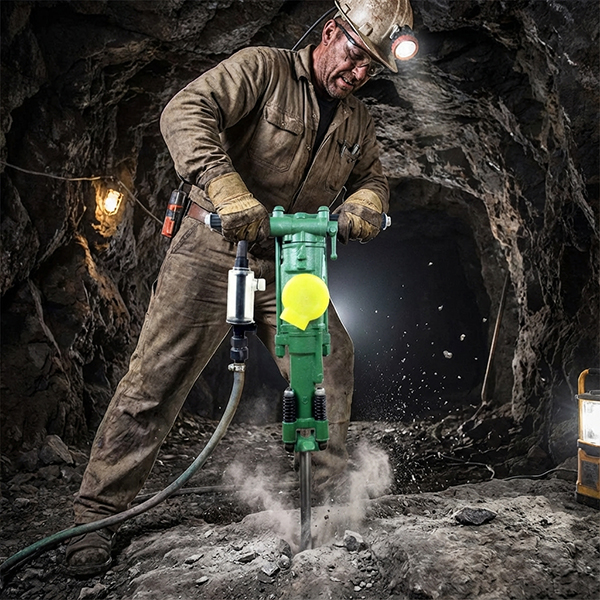
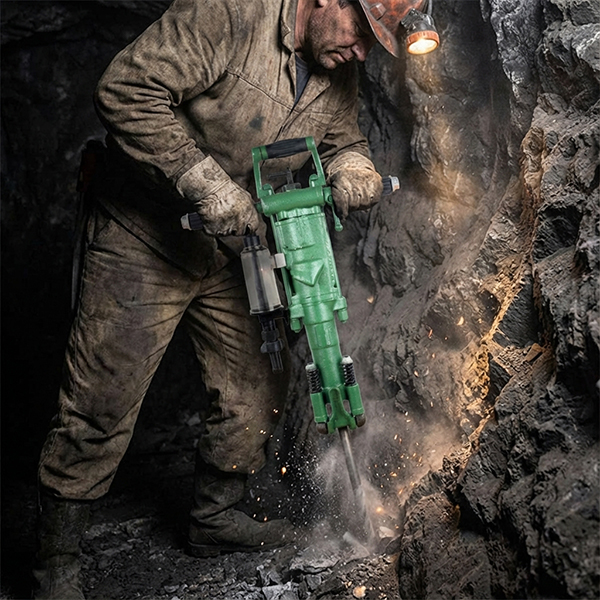
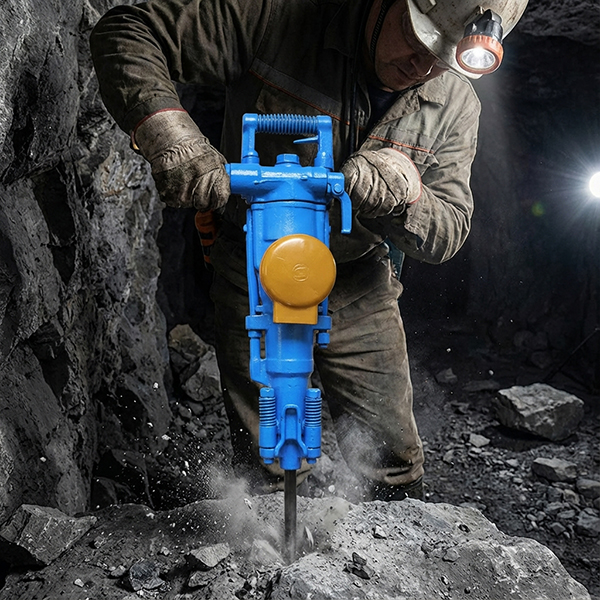
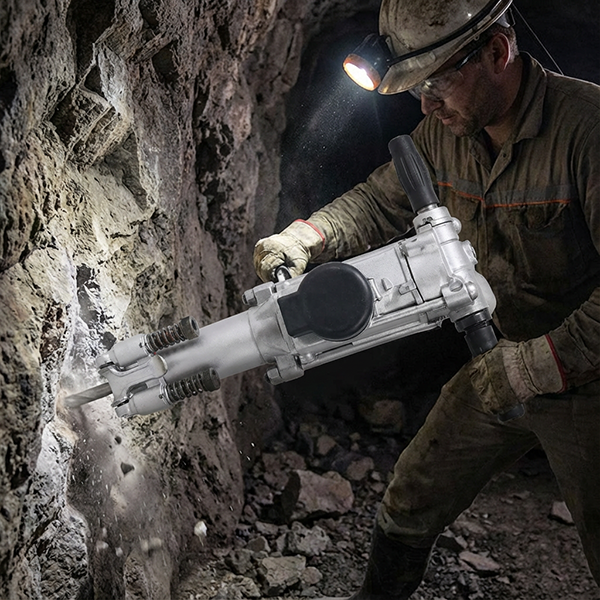
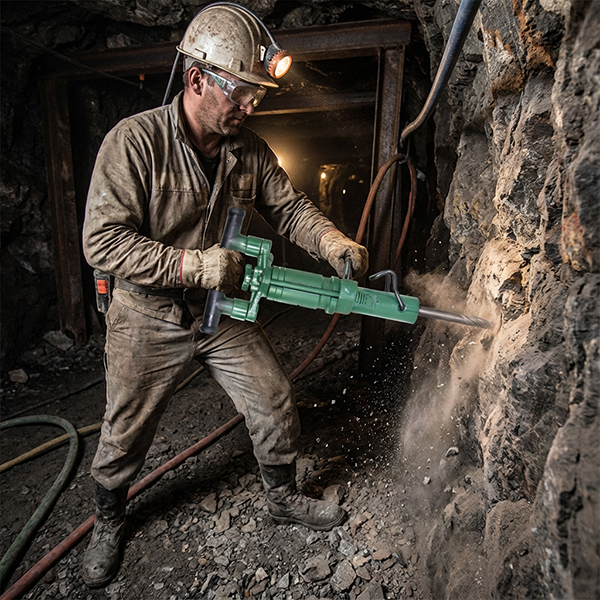
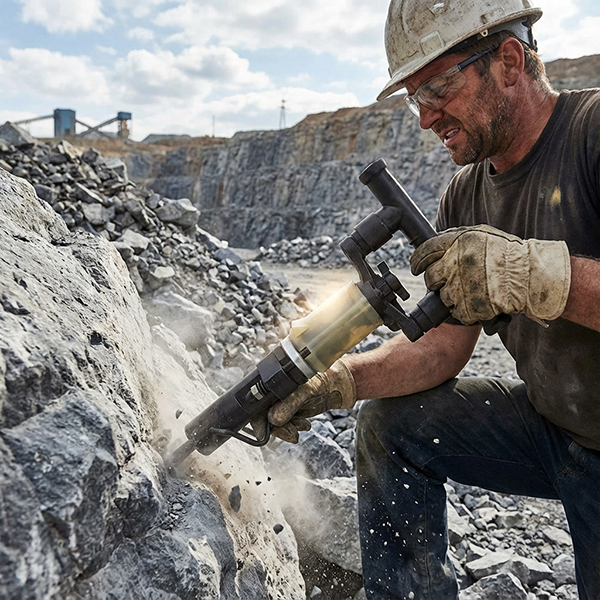
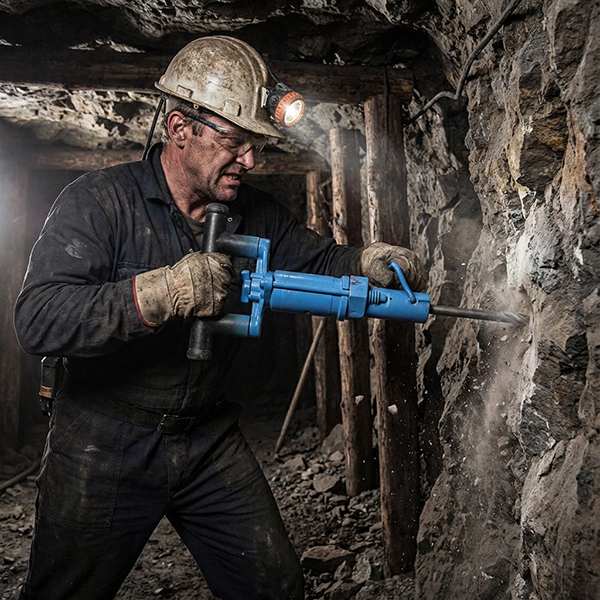
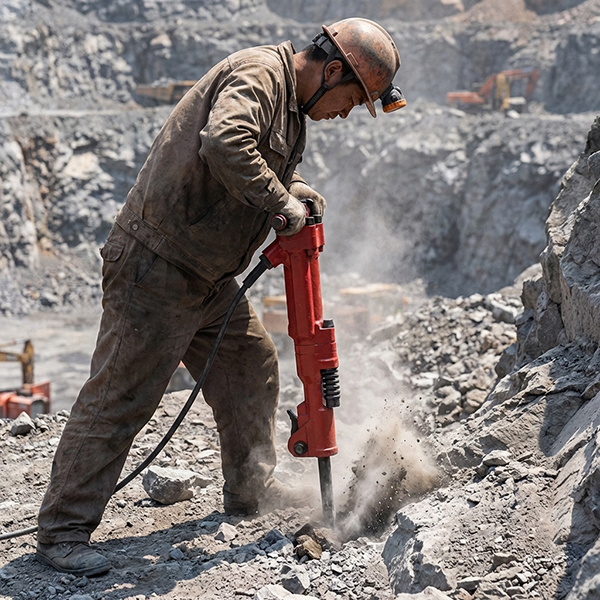
If you’ve used a jack hammer on a jobsite, you already know the difference between “it runs” and “it runs well.” A lot of tools look similar on paper, but once you’re breaking concrete all morning—or cleaning casting sand off a big part—the details start to matter: stable impact, the right air hose, proper lubrication, and a tool that doesn’t punish the operator with unnecessary vibration.
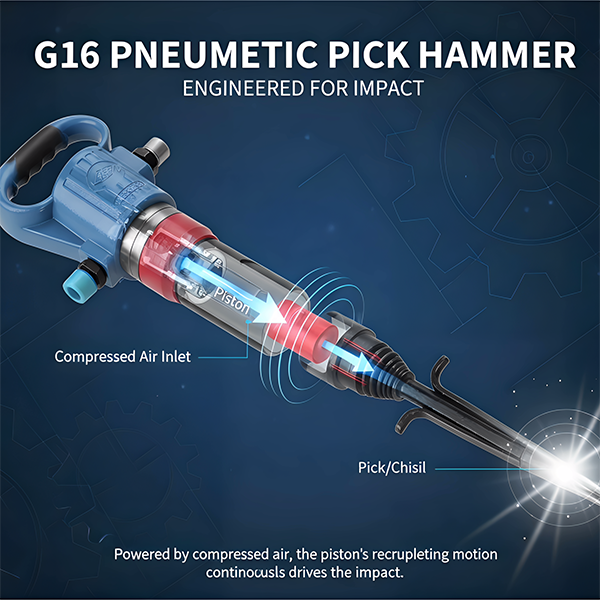
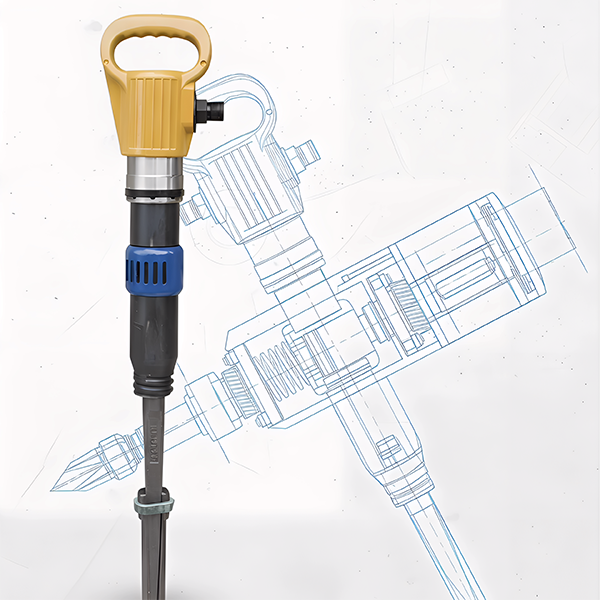
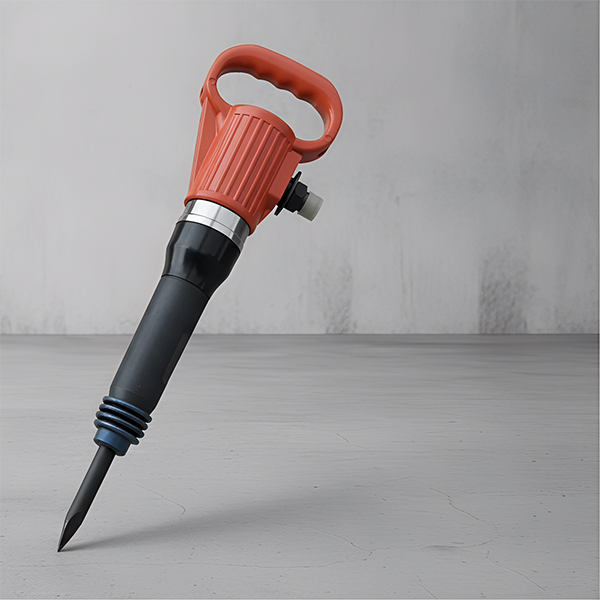
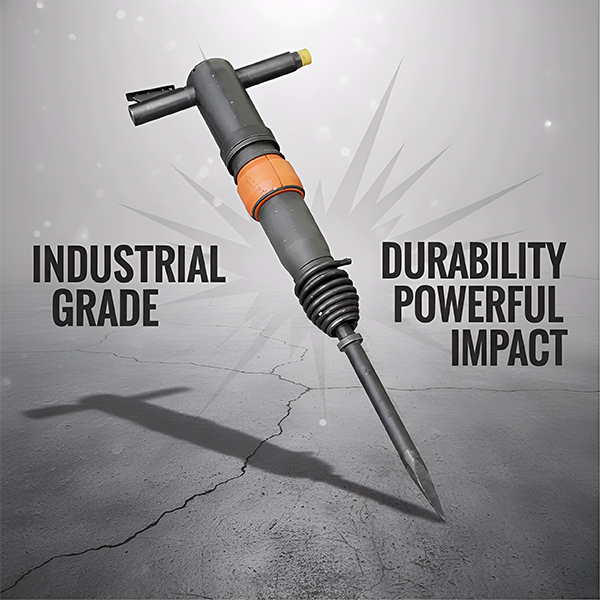
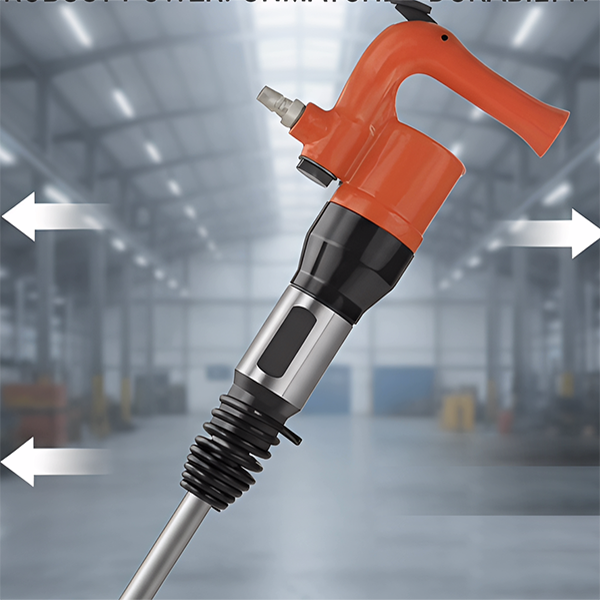
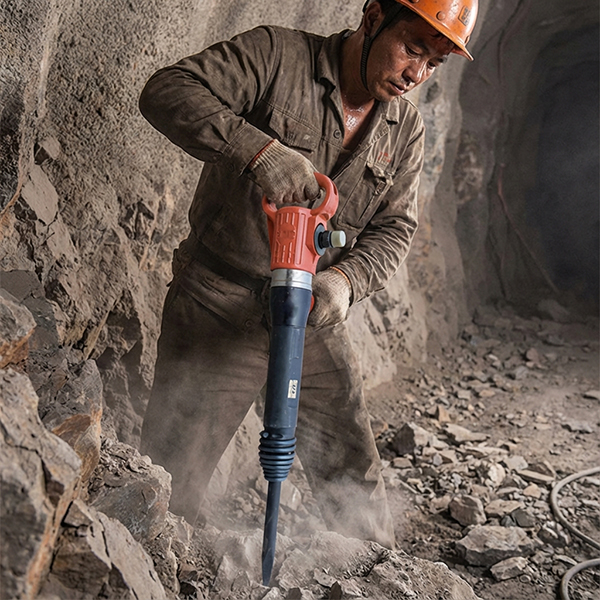
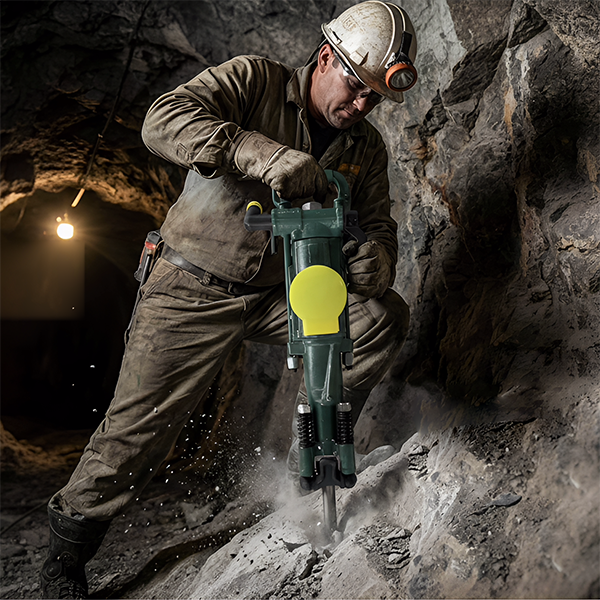
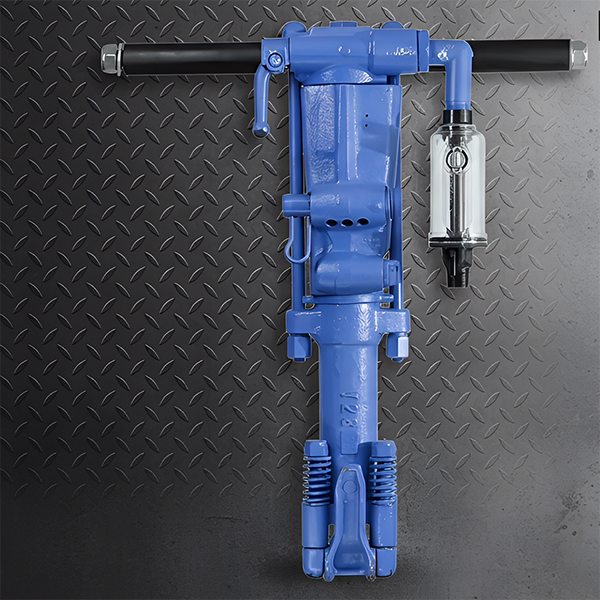
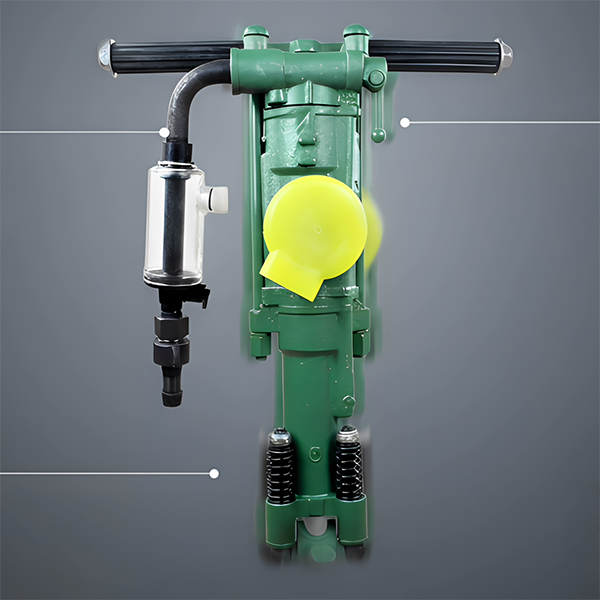
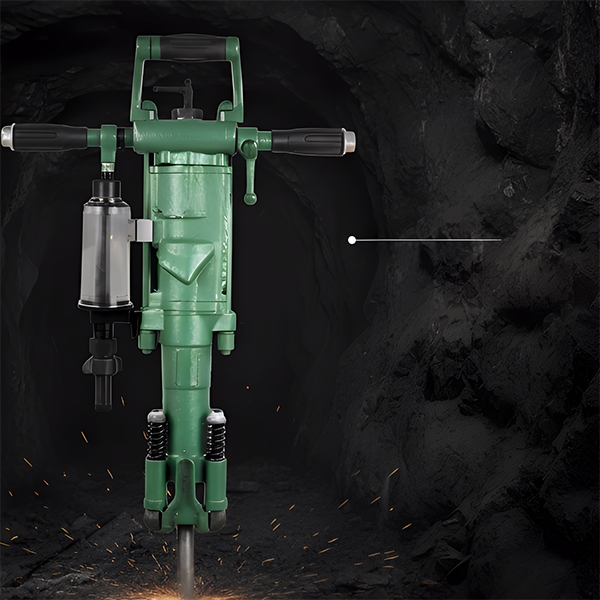
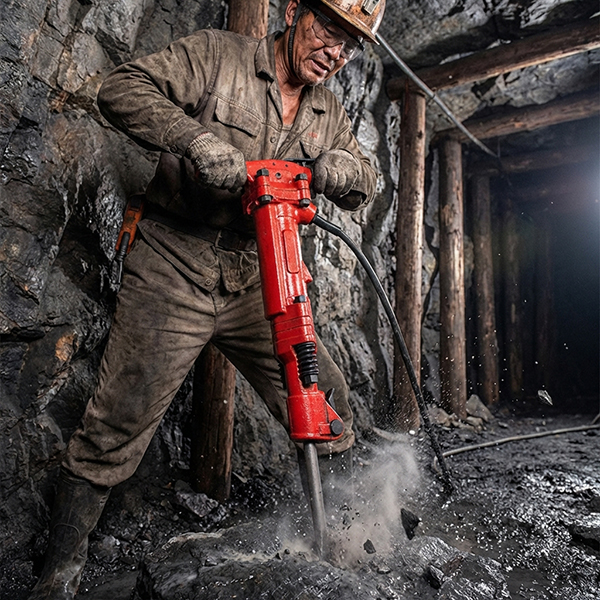
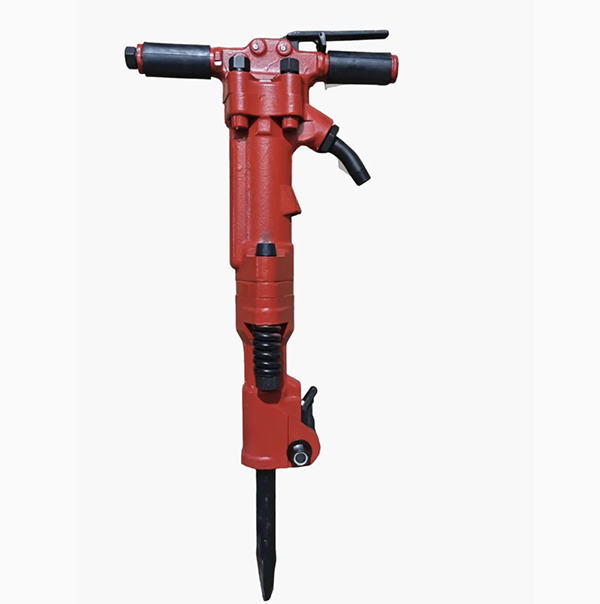
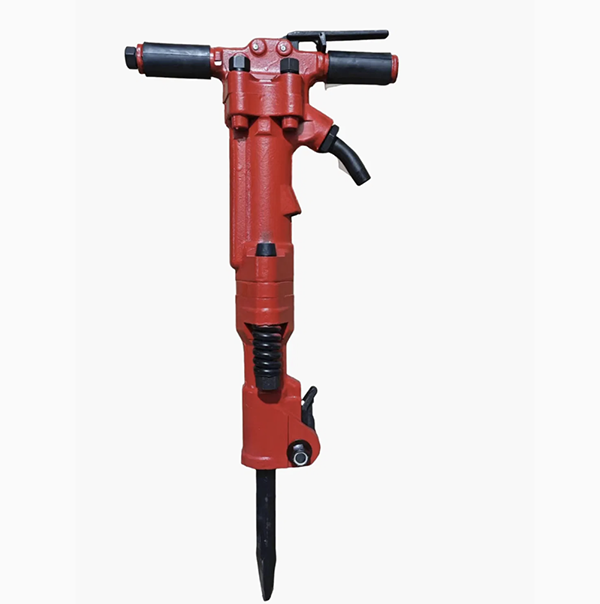
The TPB-60 Pneumatic breaker hammer is built around a straightforward idea: use compressed air to drive an internal hammer (piston) in reciprocating motion, strike the chisel repeatedly, and do the hard work of chiseling, breaking, and surface removal. In plain words: it’s a hand held jack hammer made for heavy-duty breaking and chipping in construction, mining, and industrial maintenance.
To help you judge whether this Pneumatic jack hammer is the right fit, let’s start with its core specs, then I’ll answer the questions customers usually ask before they buy.
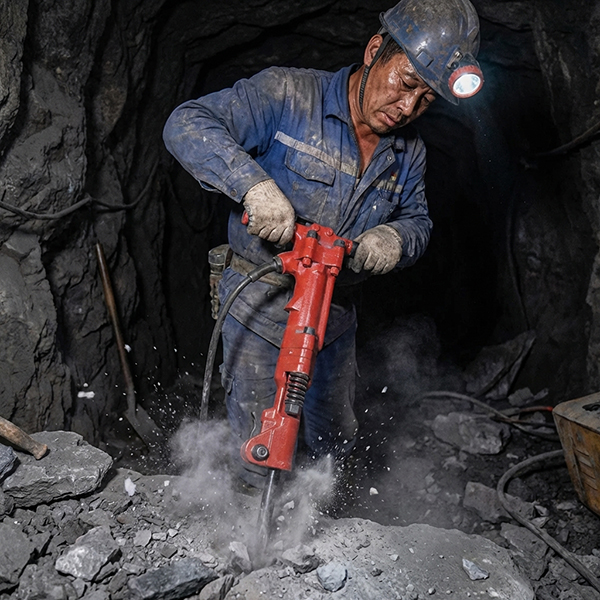
Quick Introduction: What the TPB-60 Is (and What It’s Good At)
The TPB-60 is a pneumatic jack hammer designed for breaking and chiseling jobs where you want reliable impact without moving in bigger machines. The impact system is driven by a piston with:
Piston diameter: 57.15 mm
Piston stroke: 100 mm
Percussive frequency: 1400 blows/min (BPM)
Those three numbers tell you a lot. A 57.15 mm piston with a 100 mm stroke is not “light-duty”; it’s aimed at serious impact work. And 1400 BPM sits in a practical range for controlled breaking and chipping—strong repeated hits rather than “high-speed tapping.”
Other key parameters that matter in real use:
Length: 645 mm (good reach without being awkward)
Weight: 30.0 kg (the listing you gave had “300mm,” but based on typical TPB-60 class breakers and the rest of your data, this is clearly 30.0 kg)
Air consumption: 2.0 m³/min
Recommended air tube diameter: 19 mm
Shank size: 32 × 155 mm
Air inlet size: 3/4" (PT)
So if you’re looking for a hand held jack hammer to break concrete/asphalt, open up brick and concrete walls, do metal chipping work, or handle industrial cleanup, TPB-60 is in that “workhorse” category.
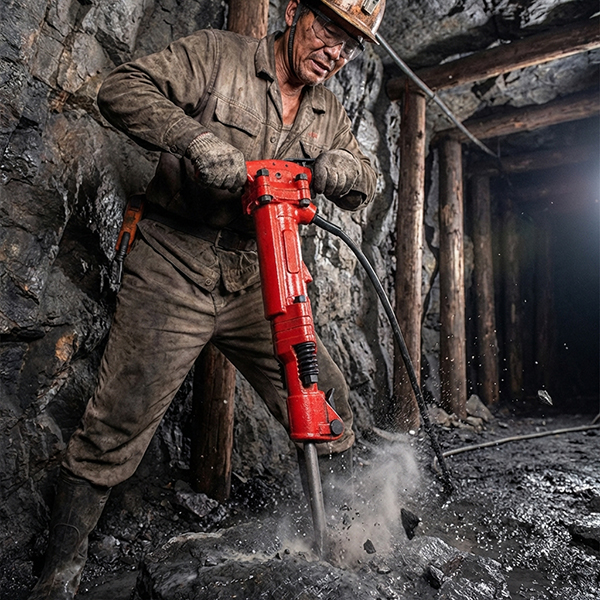
Where Customers Actually Use a TPB-60 Jack Hammer
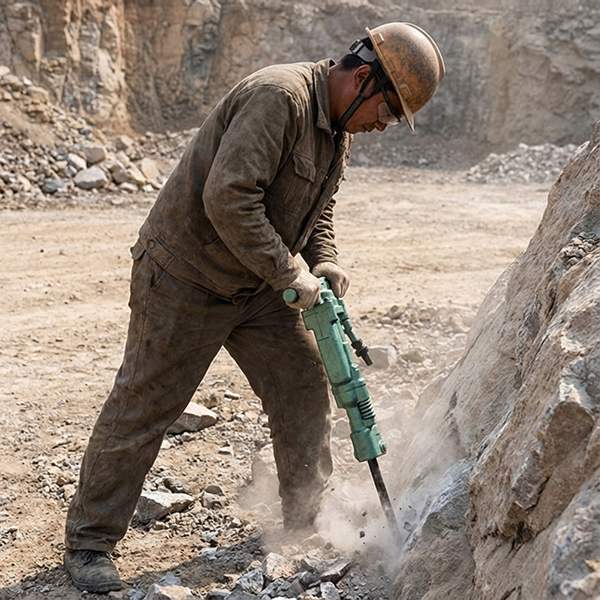
Based on the usage scenarios you provided, a Pneumatic jack hammer like TPB-60 typically shows up in:
1) Construction & road maintenance
Breaking concrete floors, walls, slabs in demolition
Breaking asphalt / concrete pavement for pipelines, cables, drains, and repairs
Opening work in brick walls and concrete walls
Civil engineering jobs (railway/highway/bridge/wharf/power station) for soil breaking, hole opening, trenching, and excavation support
2) Foundry, welding, and metal fabrication
This is one area many people forget when they think “jack hammer.” You listed very specific industrial uses:
Casting sand removal and deburring for small/medium/large castings
Removing risers/sprues on medium-to-large castings
Chiseling metal structures in boiler/shipbuilding/metallurgy industries, especially on irregular surfaces and tight spaces
Welding seam / weld bead removal and preparation work (you mentioned bridge projects as well)
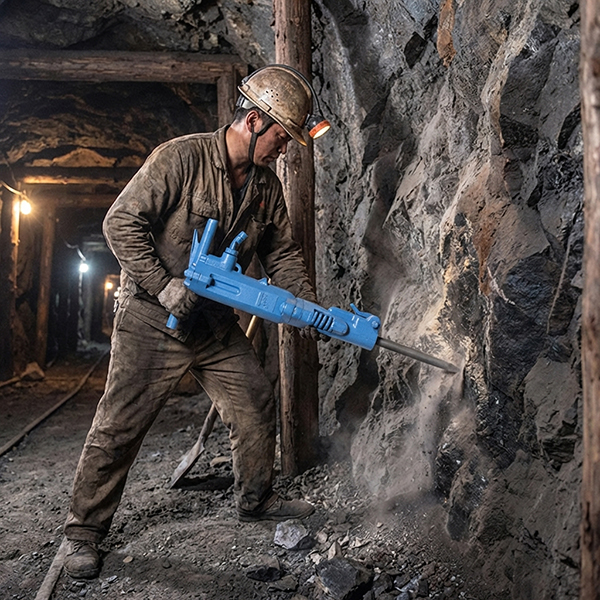
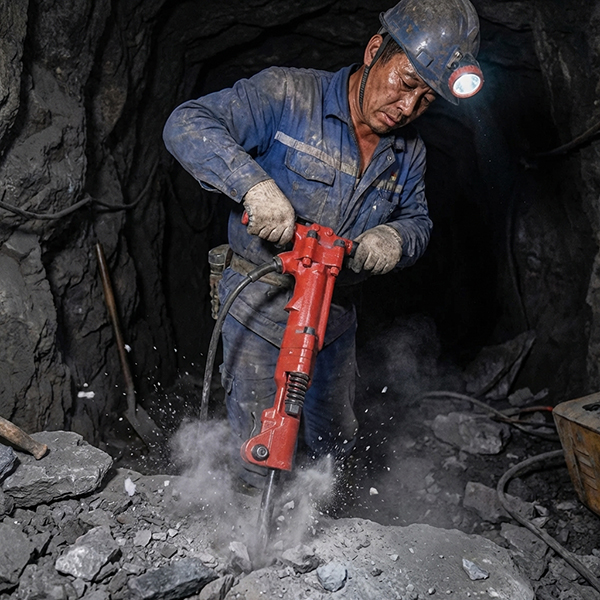
3) Mining & quarry work (including underground coal faces)
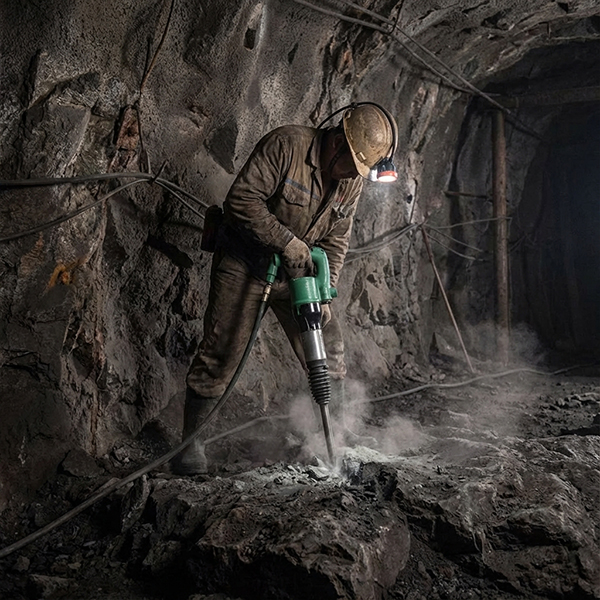
Cutting coal seams, breaking soft ores/soft rock
Coal wall trimming and shaping (particularly where flexibility matters)
In other words: the TPB-60 jack hammer is not only a “demo tool.” It’s also a very practical pneumatic jack hammer for industrial cleaning/chipping tasks and maintenance work where electric tools may be less suitable and where compressed air is already available.
How It Works (Customer-Friendly Version)
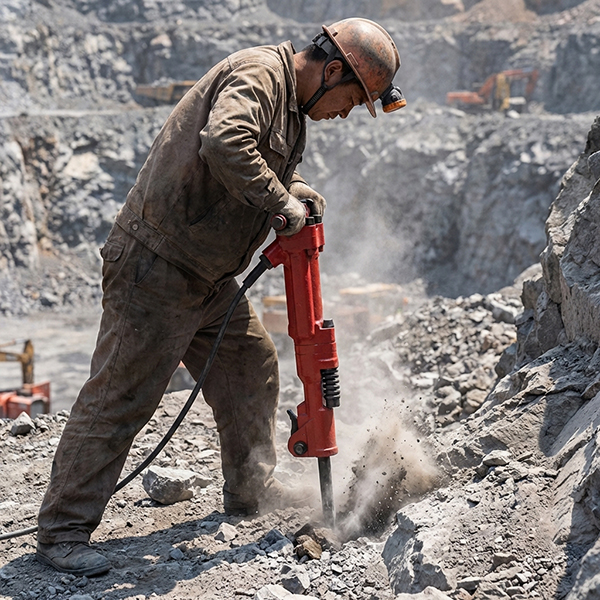
A TPB-60 pneumatic jack hammer uses compressed air to push a piston back and forth inside a thick-wall cylinder. That piston repeatedly hits the chisel shank (your wording: it “hits the chisel,” driving the blade to chisel metal or construction materials). The air distribution is handled by an internal valve system so the tool cycles automatically once the air supply is stable.
That’s the reason air tools like this are popular underground and in heavy industry: the structure is relatively simple, and the tool can be rugged—as long as you take lubrication seriously.
Questions Buyers Usually Ask (and Straight Answers)
Q1: “Is TPB-60 strong enough for real concrete and demolition work?”
Yes—this model is built for heavy impact work. The combination of 57.15 mm piston diameter + 100 mm stroke is exactly what you want in a serious hand held jack hammer, and 1400 BPM provides continuous, steady striking for breaking concrete and asphalt. If your compressor and hose setup match the requirement, it will break effectively without constantly “stalling” under load.
Q2: “What compressor and hose size do I need?”
Don’t overlook this—half of “poor jack hammer performance” comes from the air line.
For TPB-60:
Air consumption: 2.0 m³/min
Air tube diameter: 19 mm
Air inlet: 3/4" (PT)
You also provided a best-practice working pressure for pneumatic hammers like this: 0.5 MPa (or 5–6 kgf/cm²). In the real world, that means:
Use a compressor that can continuously supply the tool (not just “peak” output).
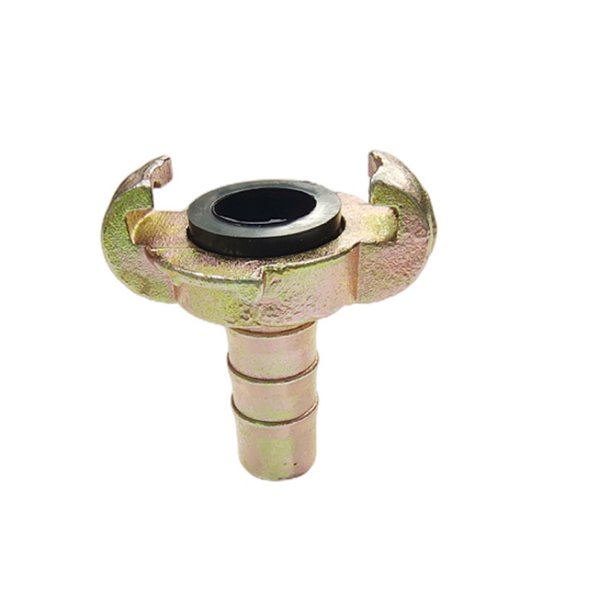
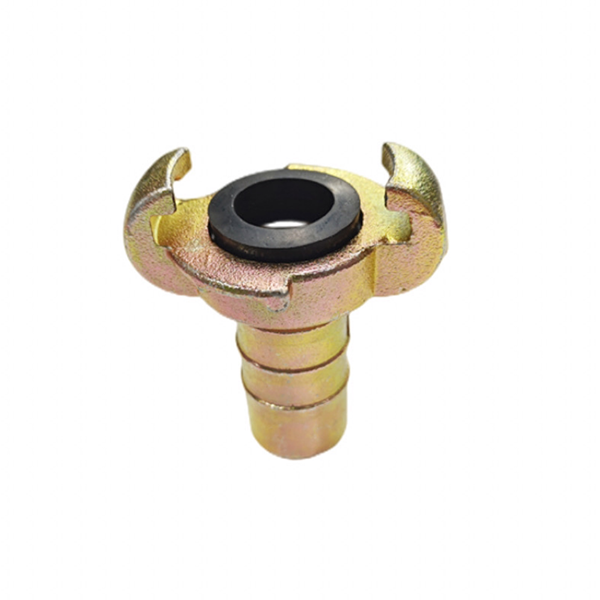
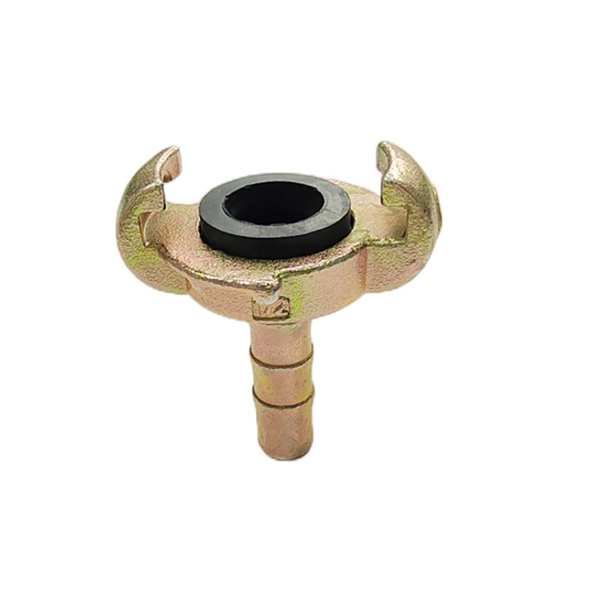
Use the correct hose: 19 mm ID, and keep the line clean and connections tight.
Before connecting the tool, blow out the hose toward a safe direction to remove dirt—this is specifically in your operating steps and it genuinely prevents valve problems.
Q3: “Can I use it for metal chipping and foundry work, or is it only for concrete?”
You can absolutely use it for metal and foundry work—your own application notes focus heavily on this:
Casting sand removal, deburring, removing sprues/risers
Chiseling metal structures in boiler/shipbuilding/metallurgy
Chiseling weld seams and surface cleanup on bridges and steel components
The key is choosing the right chisel type that matches the work surface (flat chisel vs. point vs. special blades), and avoiding bad habits like dry firing.
Q4: “What chisel shank does TPB-60 take?”
The TPB-60 uses:
Shank size: 32 × 155 mm
That’s important for buyers because it determines compatibility with your existing chisels and how easy it is to source consumables.
Q5: “What are the top mistakes that shorten a pneumatic jack hammer’s life?”
From your maintenance and safety rules, the big ones are:
Dry firing / empty blows
You repeatedly emphasized “avoid no-load striking.” It’s not a small issue: empty blows increase internal shock and wear, and can damage the chisel retainer and impact parts.Not lubricating often enough
Your routine guidance is clear: add oil every 2–3 hours (many sites do every 2 hours for safety), and oil again when you stop using the tool. If you want a pneumatic tool to last, treat oiling as part of the job, not an “optional extra.”Dirty air hose and loose fittings
You included very specific rules:
Blow the hose clean before connecting
Keep the filter screen clear
Tighten joints and prevent accidental disconnection
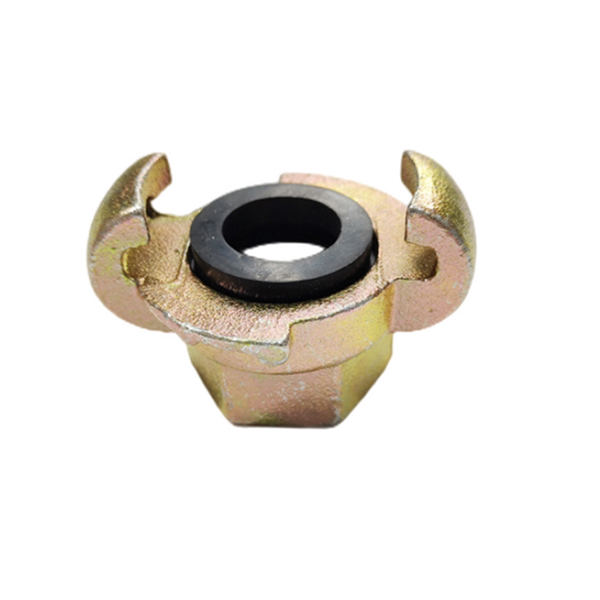
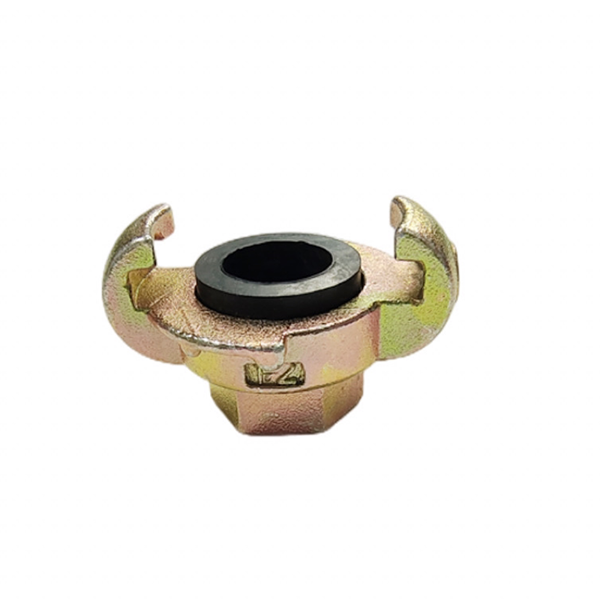
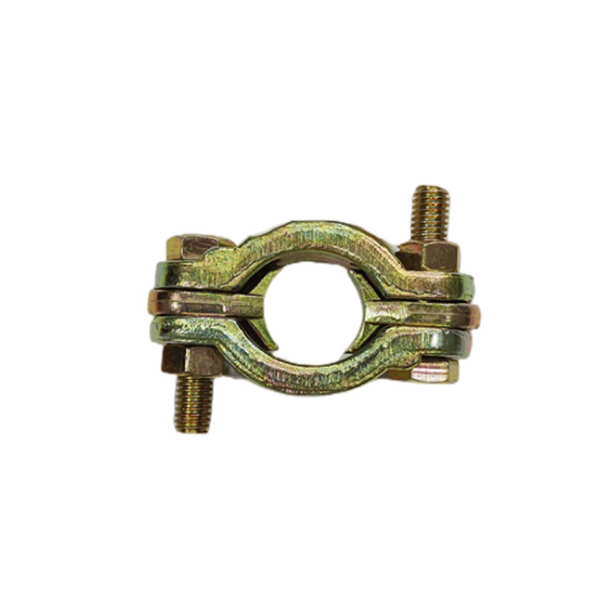
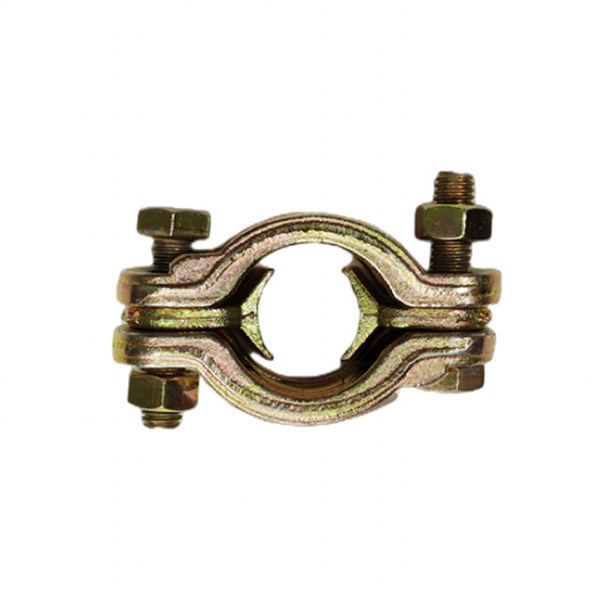
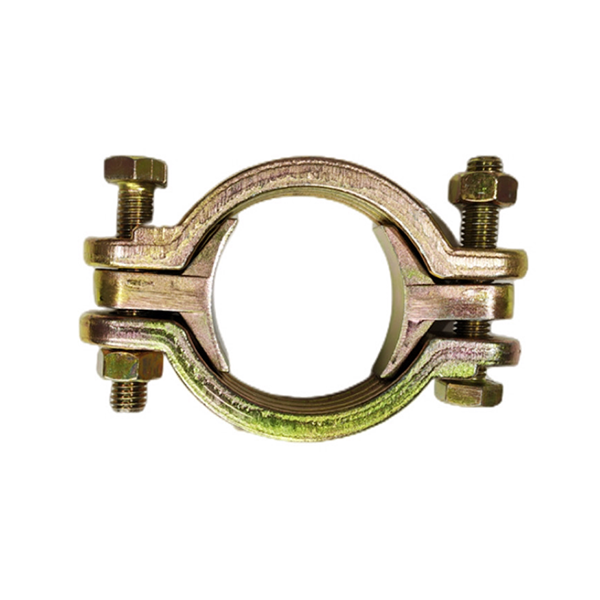
High-pressure straight-through joints should be secured with a proper clip (you mentioned U-shaped clamps in your procedures)
Trying to “pry” with the tool bit
Another detail from your rules: don’t drive the chisel too deep into rock and don’t chip while prying. If the bit is stuck, loosen it correctly—rock it gently or clear material around it—don’t yank violently.
Q6: “How do I maintain the TPB-60 day-to-day if it’s used hard?”
Here’s a simple routine based on the maintenance system you provided:
Before work: oil the tool; check the chisel fit; confirm air hose cleanliness; ensure joints are tight
During work: add oil every 2–3 hours; avoid sharp bends/kinks in the hose; stop immediately if performance becomes abnormal
Weekly (heavy use): disassemble and clean with kerosene, dry, re-oil, and reassemble (your notes include weekly cleaning; some sites do it at least twice per week depending on dust and intensity)
If idle for over a week: oil and store properly (dry, clean, protected from contamination)
Also, you noted a practical “production” rule from site management: keep spare hammers available and avoid running one tool nonstop for too long. That’s a real-world habit on mines and heavy industrial sites because it reduces overheating and downtime.
Q7: “What safety practices matter most when using a hand held jack hammer?”
You gave a complete operating and safety framework, but the essentials customers care about are:
Plan your retreat path before breaking (to avoid injury from falling chunks)
Keep the work area supported/stable—underground, this means strict roof and sidewall control
Wear PPE: hearing protection, goggles, gloves (you mentioned these)
Store tools safely between tasks (dry location, stable placement)
Never disassemble or repair the tool at the work face—send it for proper maintenance if there’s a fault
Why TPB-60 Makes Sense for Buyers
If you’re comparing models, TPB-60 is attractive for one simple reason: it matches a heavy-duty impact system with practical air requirements.
Big, strong impact geometry (57.15 mm piston, 100 mm stroke)
Controlled striking rate (1400 BPM)
Reasonable air demand for its class (2.0 m³/min)
Proper line sizing guidance (19 mm hose, 3/4" PT inlet)
Common chisel interface (32 × 155 mm shank)
Manageable form factor (645 mm length, 30.0 kg weight)
In short: it’s the kind of pneumatic jack hammer you choose when you care about consistency on real jobs, not just a spec sheet.
Final Takeaway
The TPB-60 Pneumatic breaker hammer is a solid, professional jack hammer for concrete breaking, roadwork, mining tasks, and industrial chipping—especially foundry and metal surface cleanup where compressed air tools shine.
If you set it up correctly (stable air pressure around 0.5 MPa, correct hose at 19 mm, clean air line, tight fittings) and follow the routine you provided (oil every 2–3 hours, avoid dry firing, weekly cleaning), this hand held jack hammer will stay reliable and productive.
If you want, I can also rewrite the same content into a Google Sites product page layout (Title + short intro + specs block + applications + FAQs + safety/maintenance + closing CTA), still keeping the tone human and SEO-friendly, and naturally repeating keywords like jack hammer, hand held jack hammer, and Pneumatic jack hammer without sounding forced.