
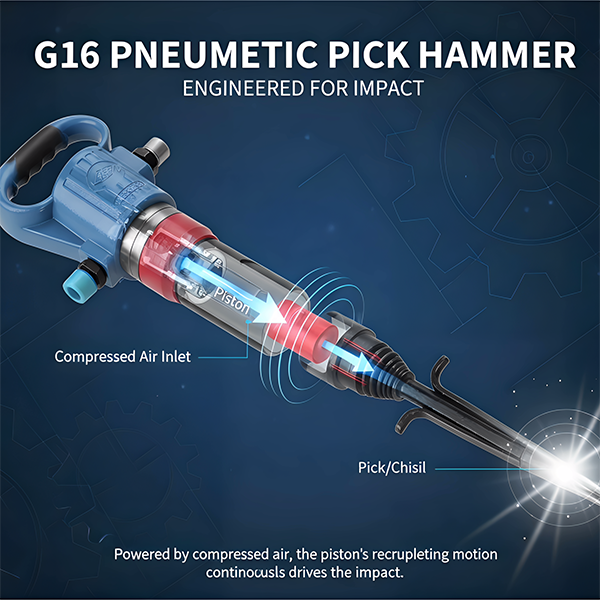
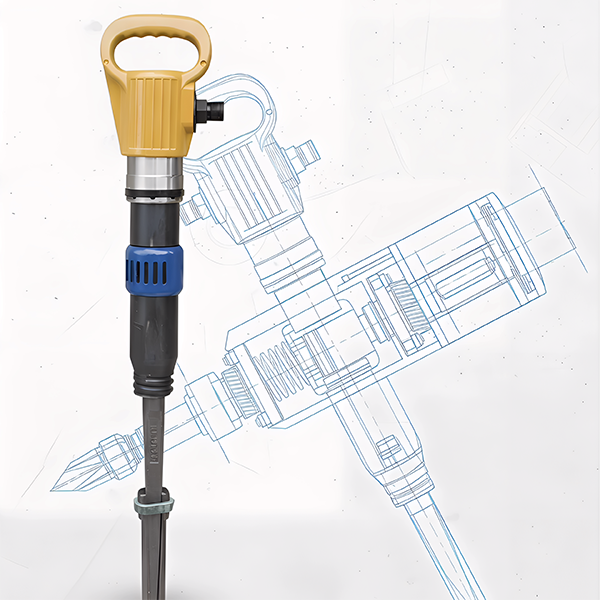
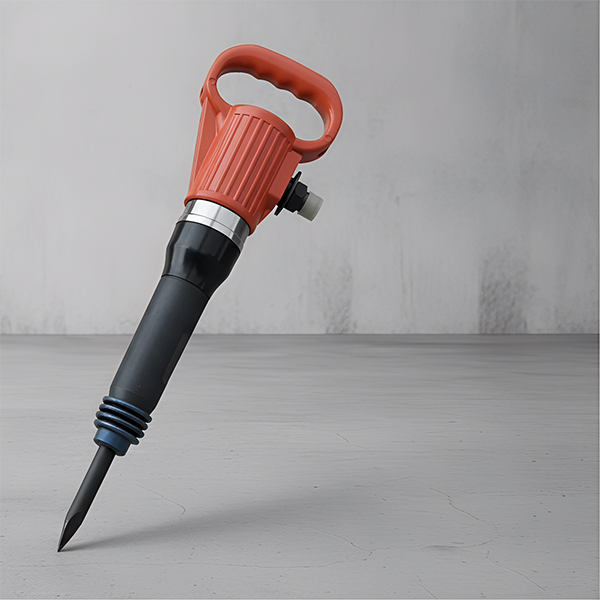
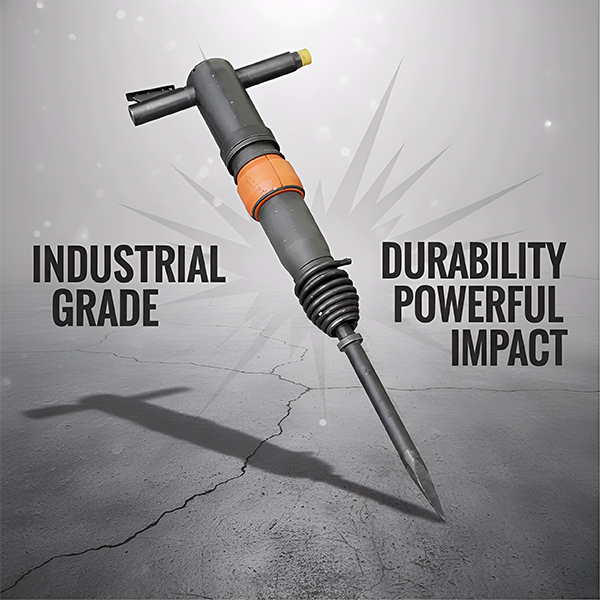
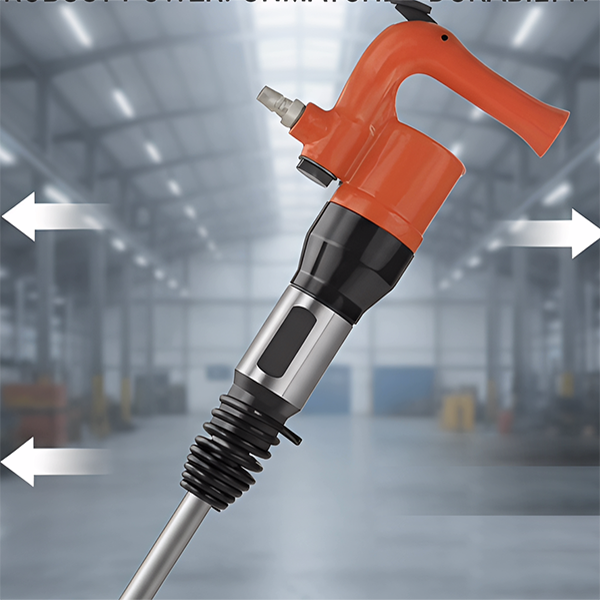
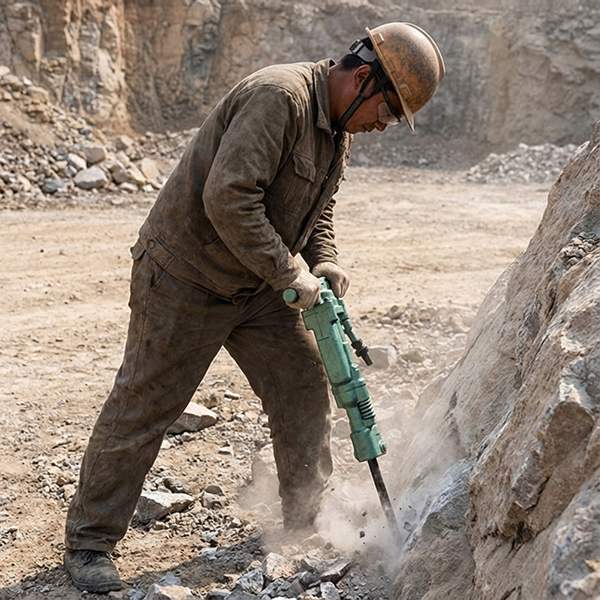
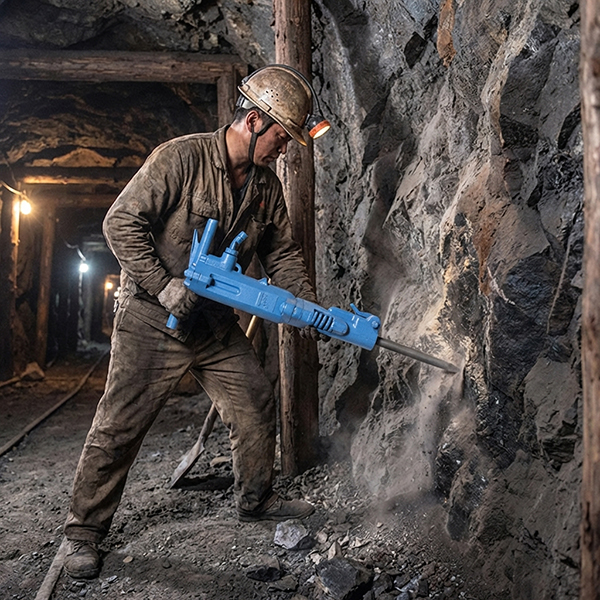
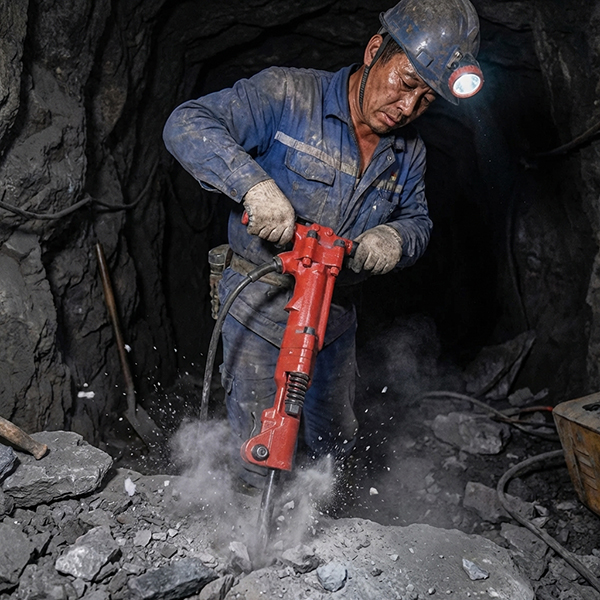
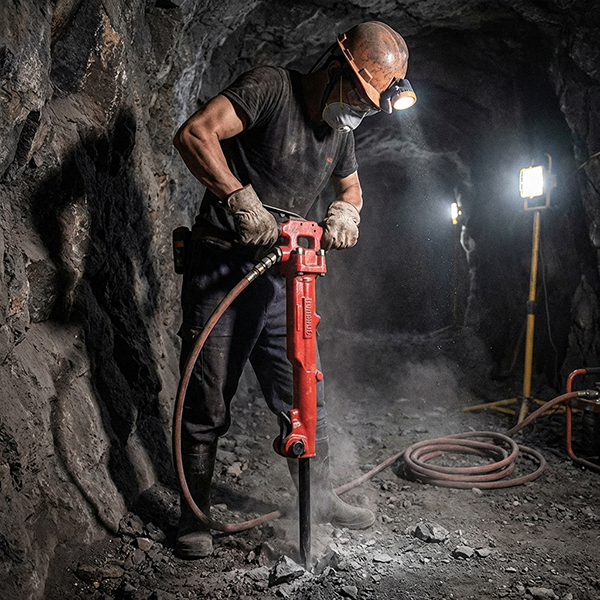
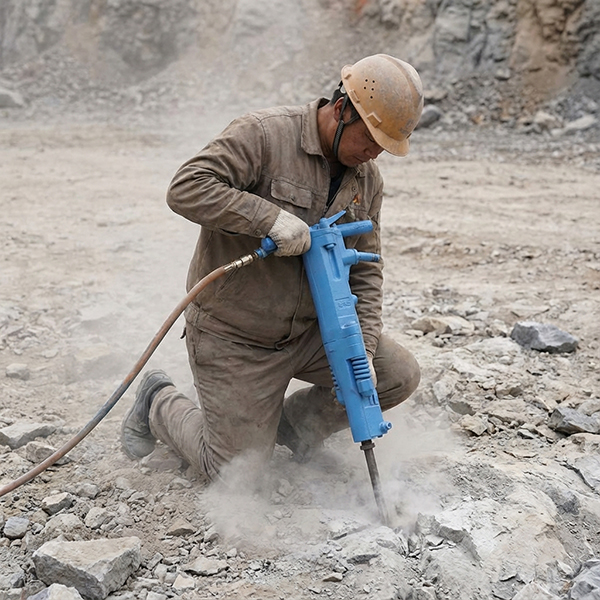
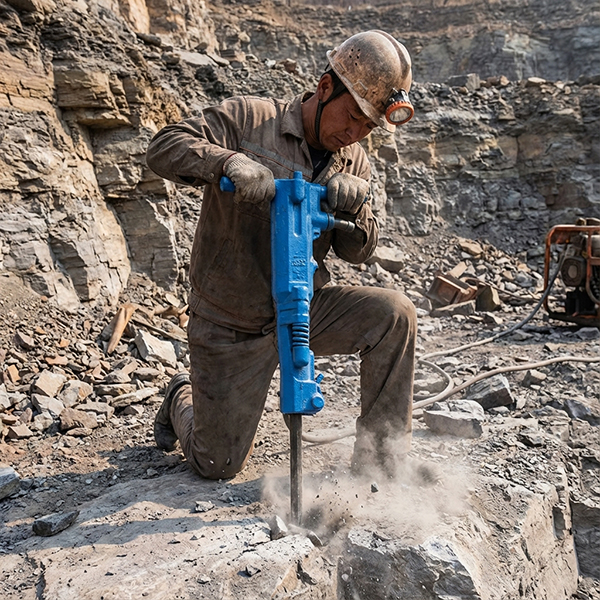
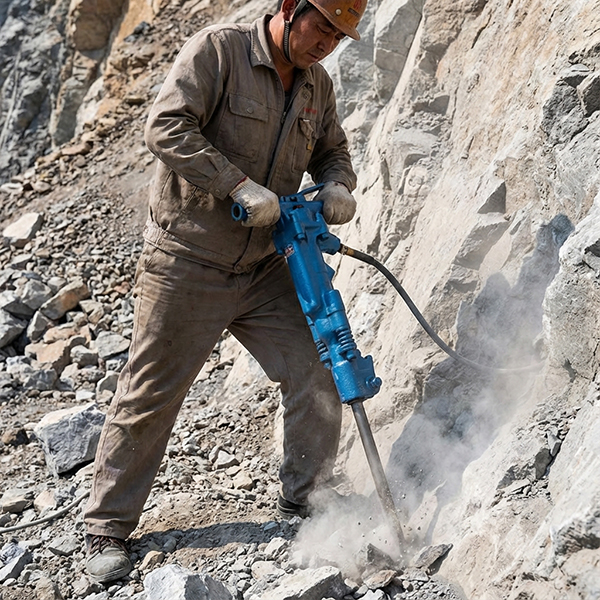
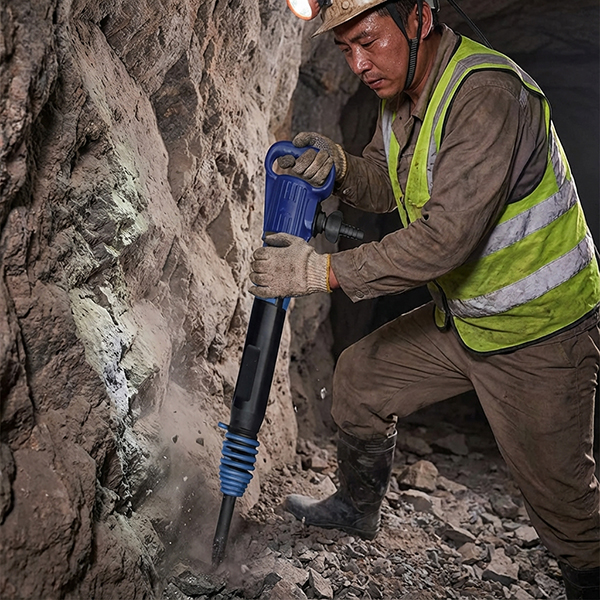
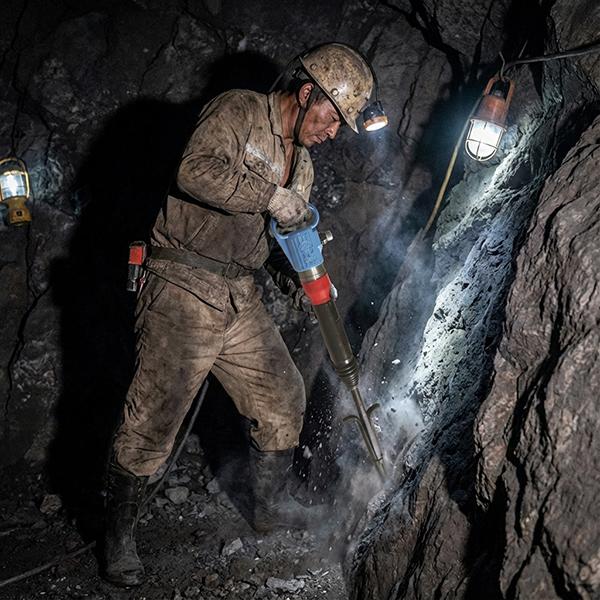
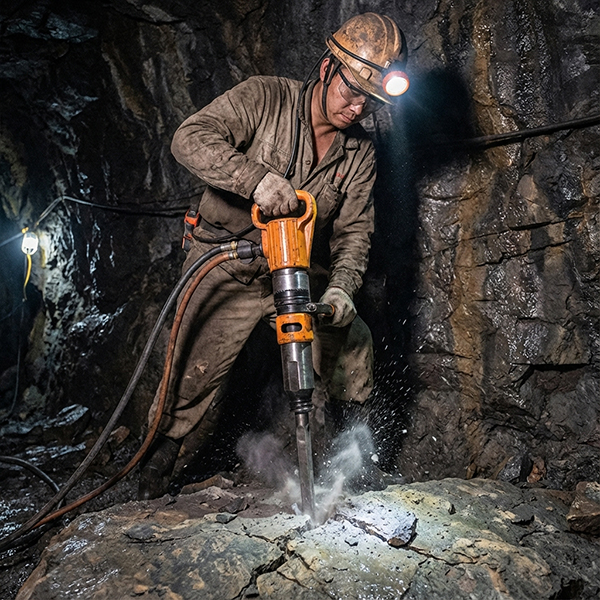
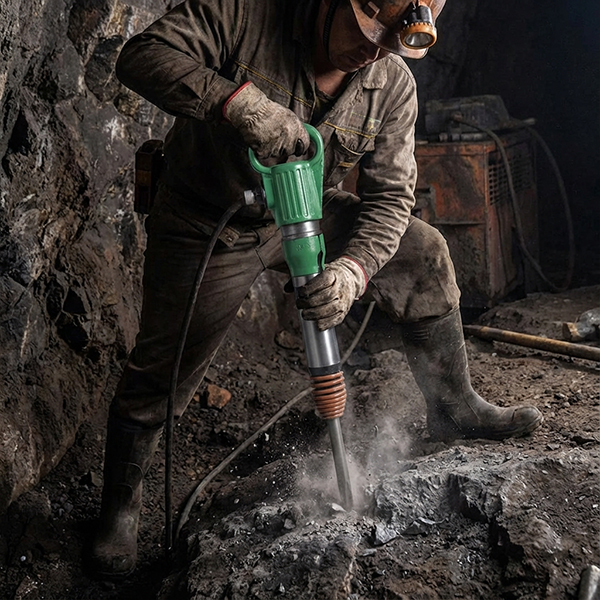
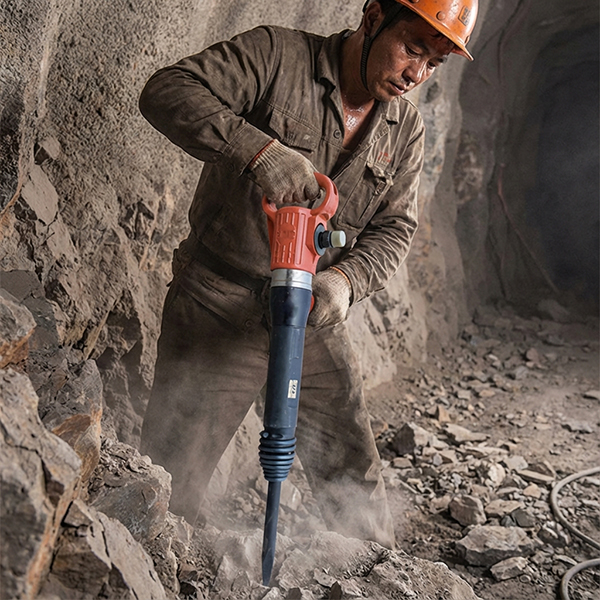
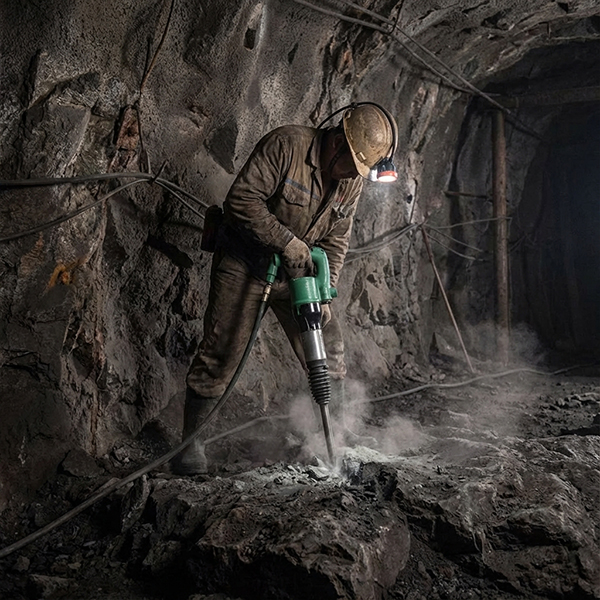
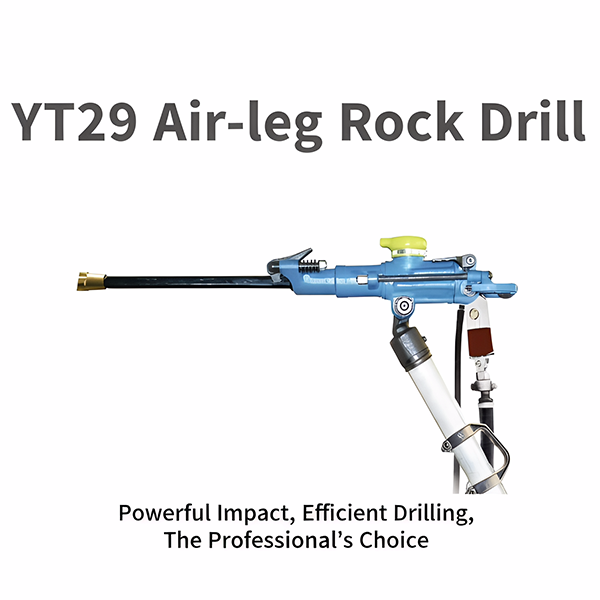
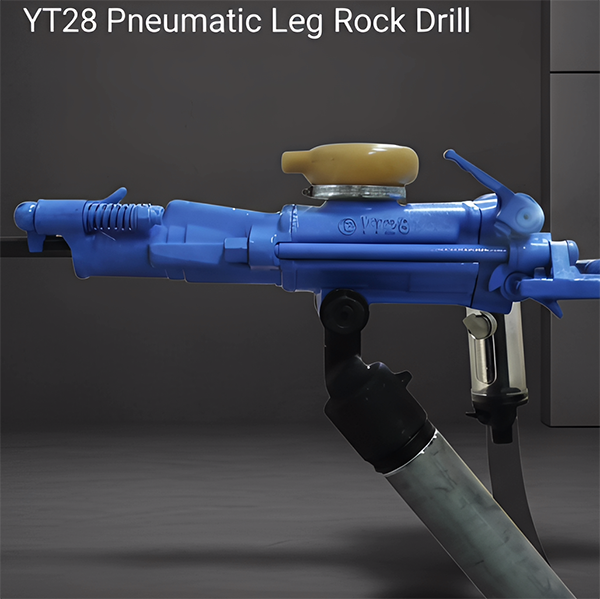
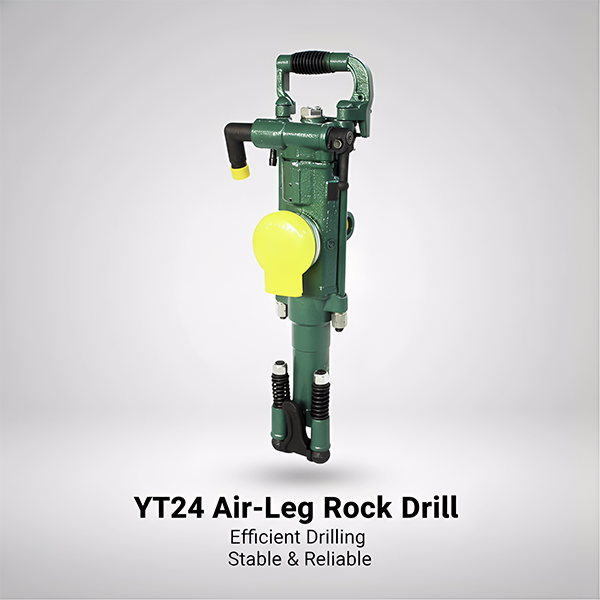
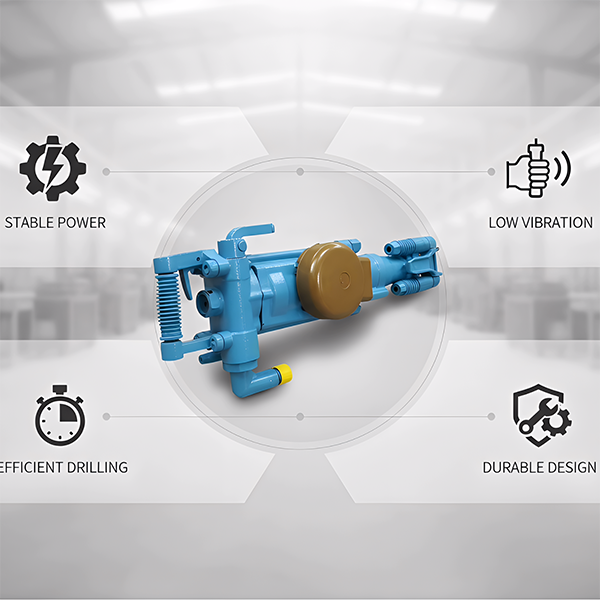
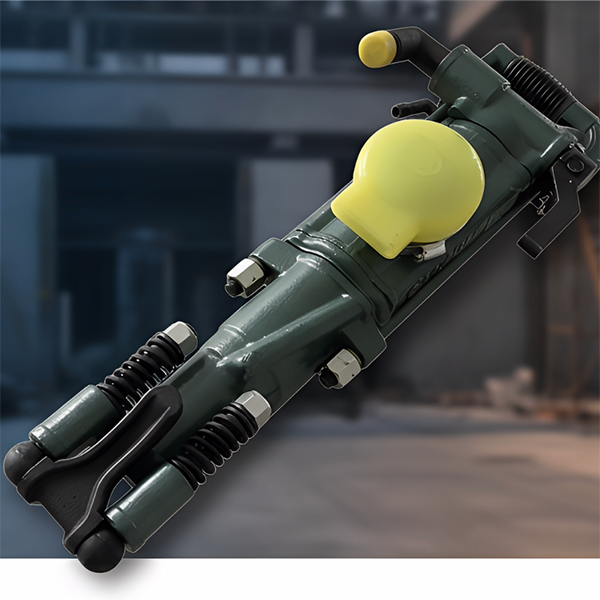
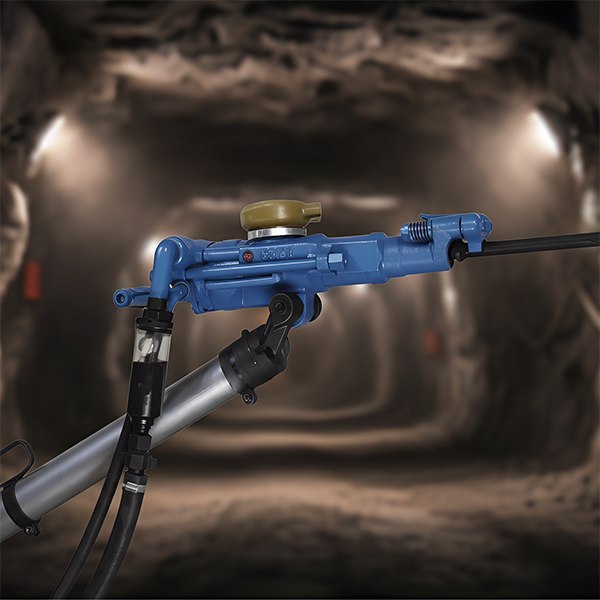
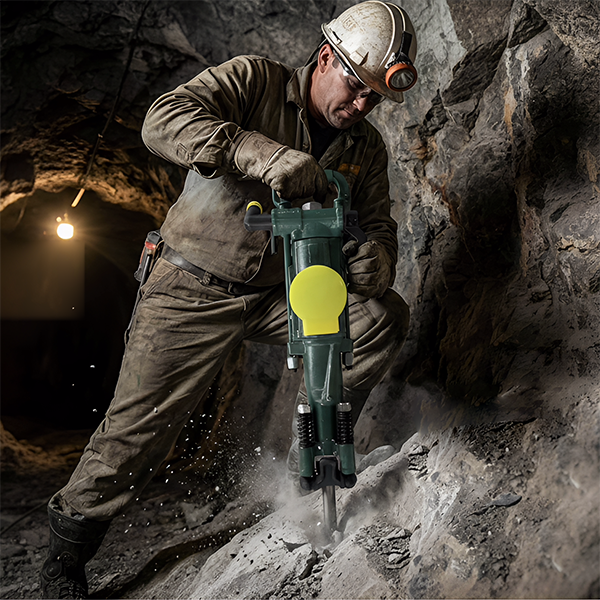
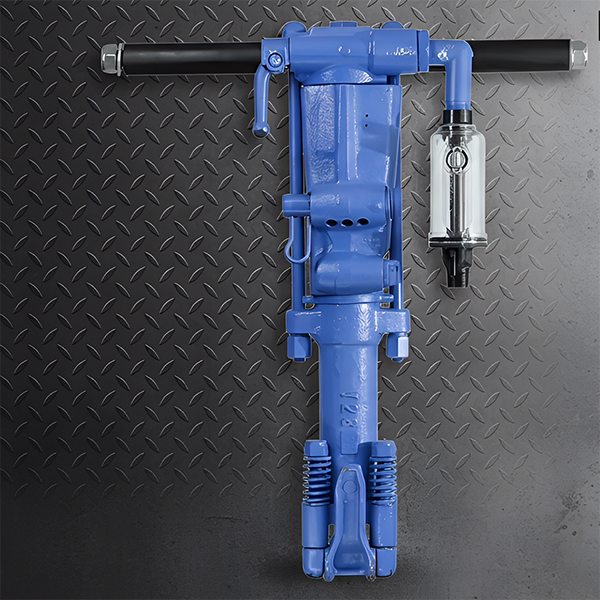
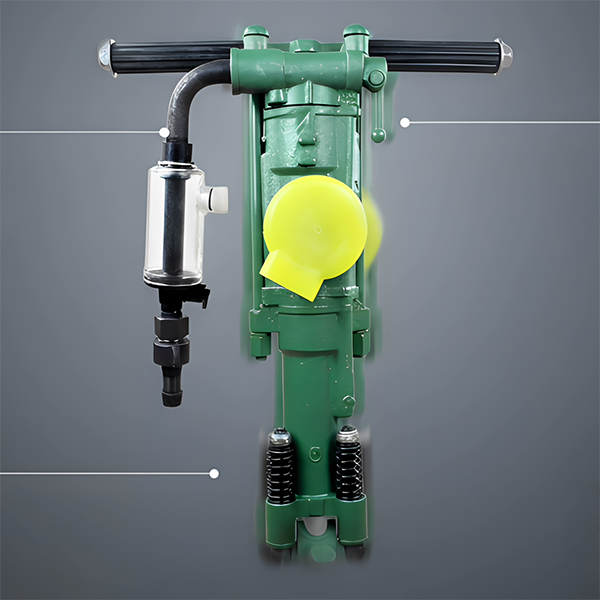
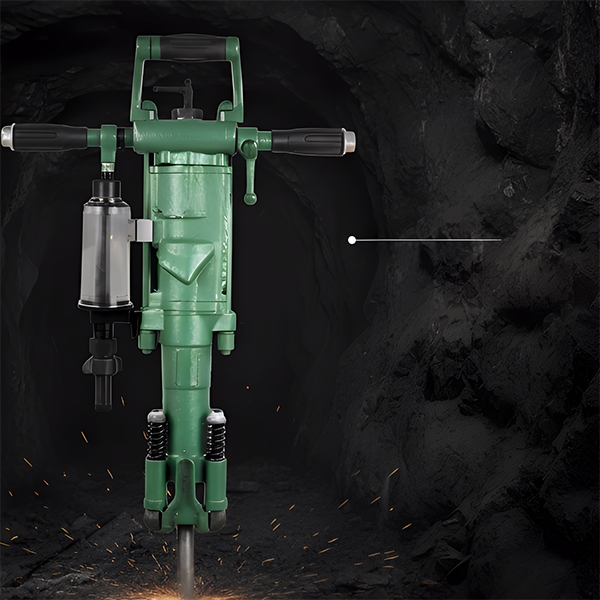
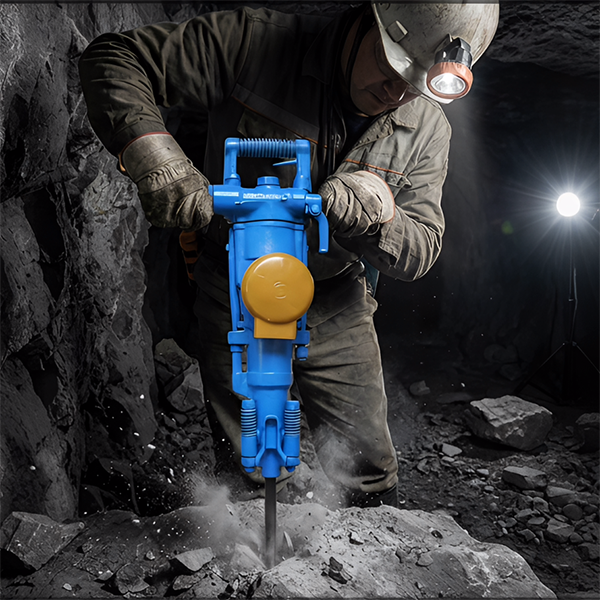
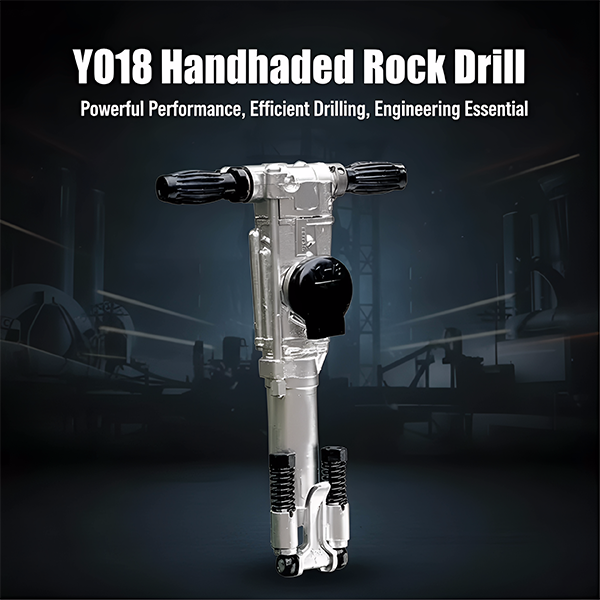
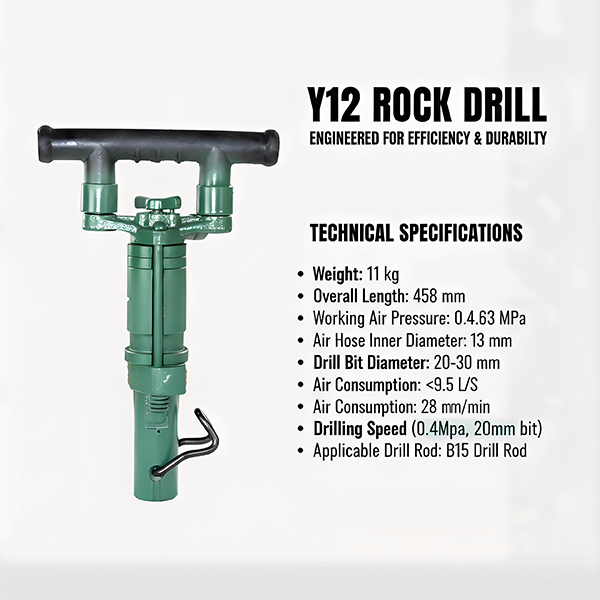
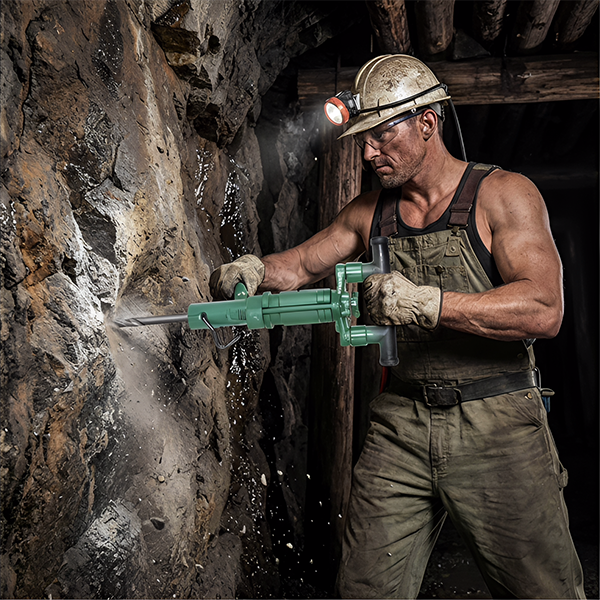
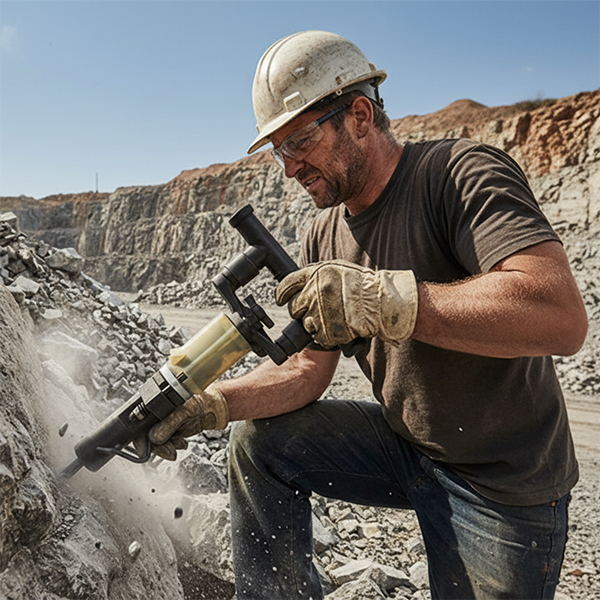
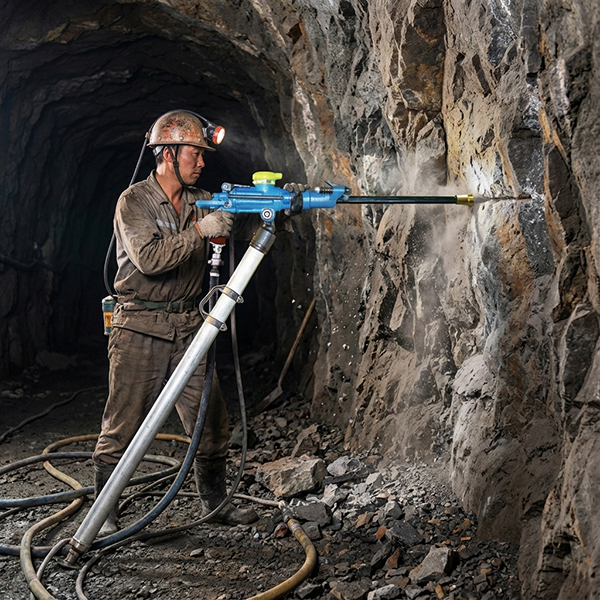
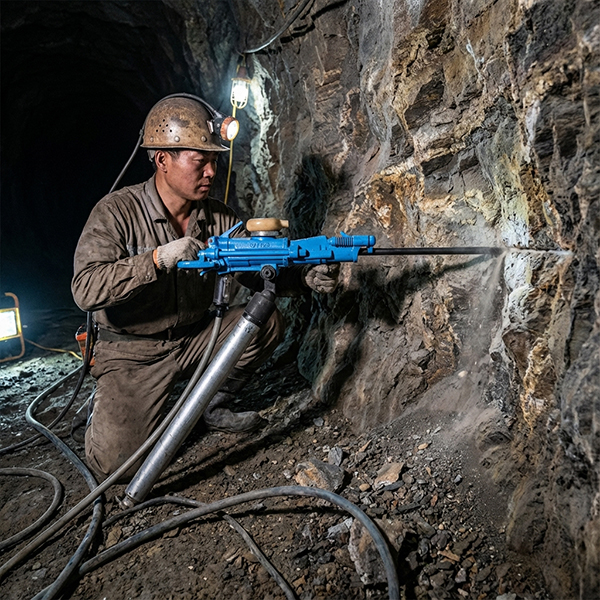
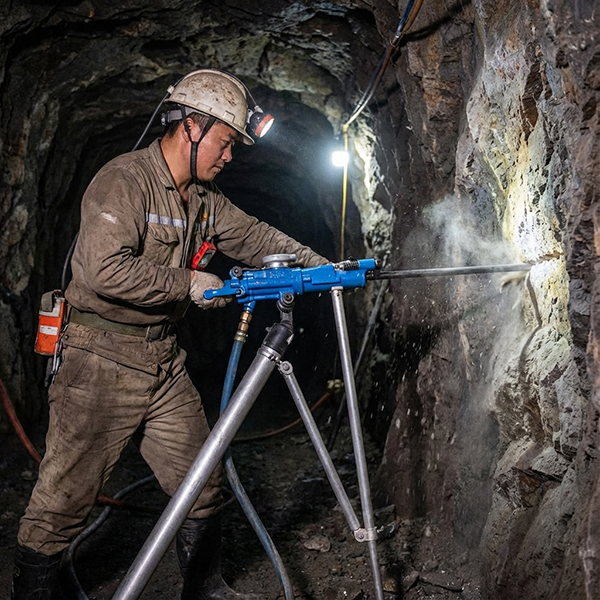
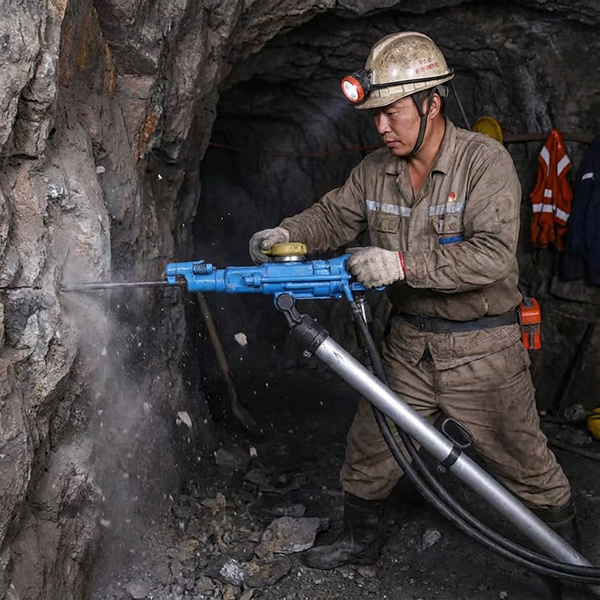
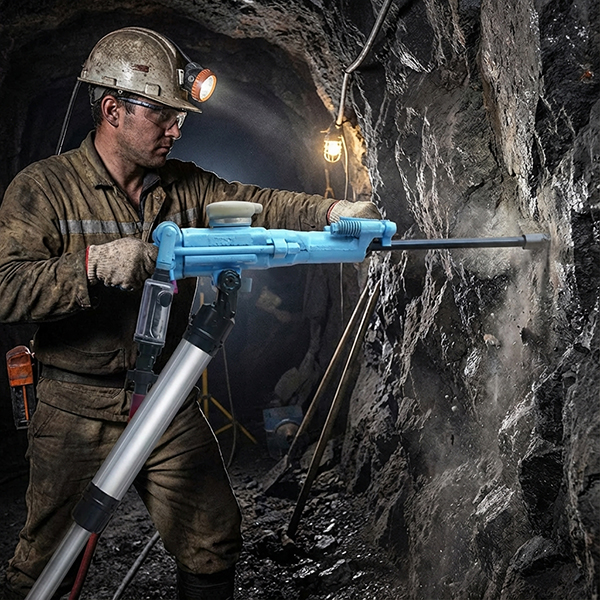
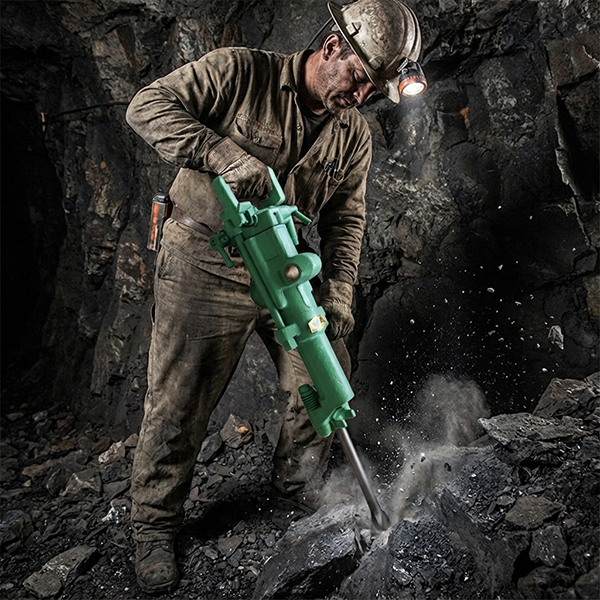
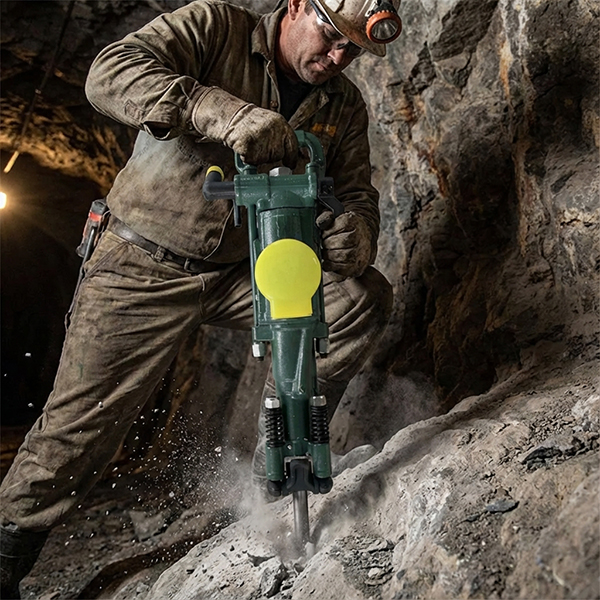
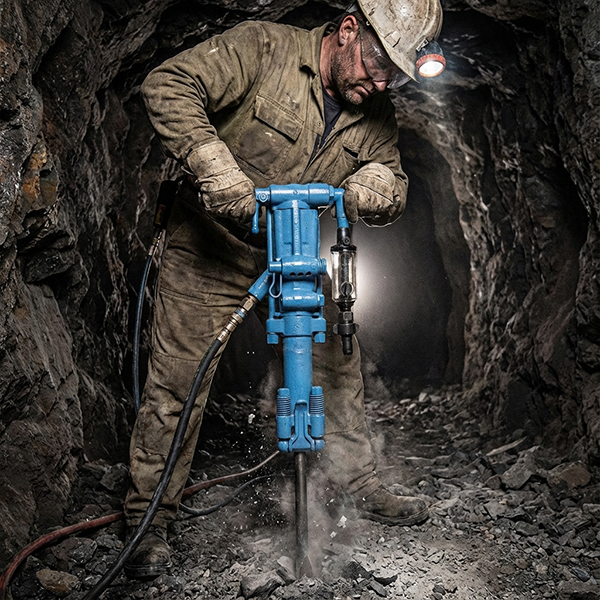
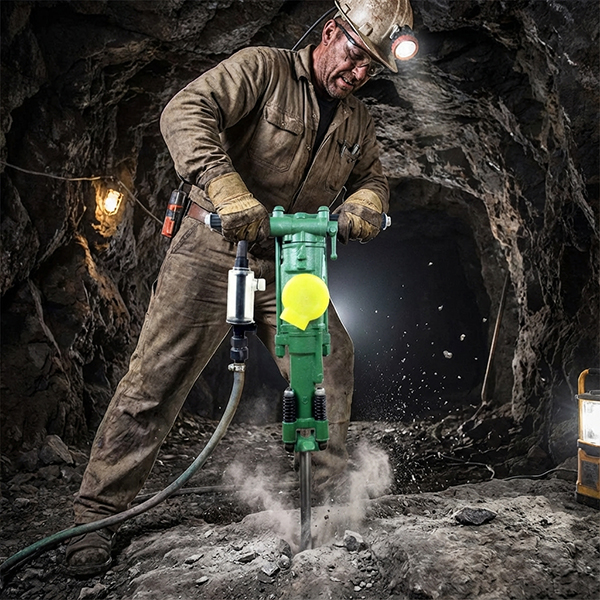
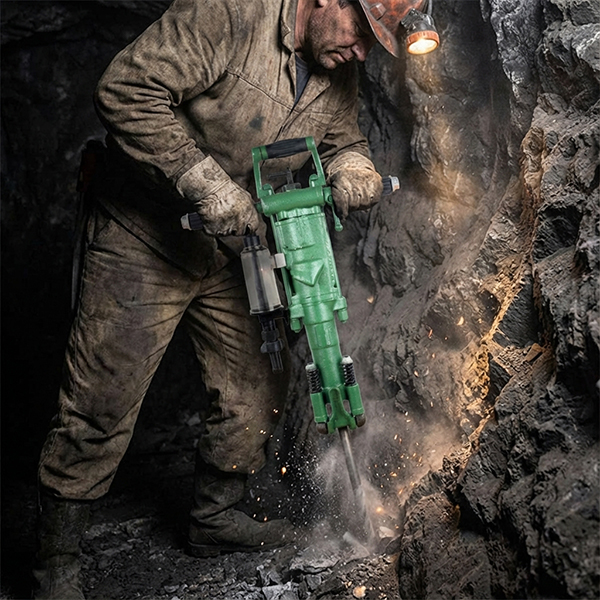
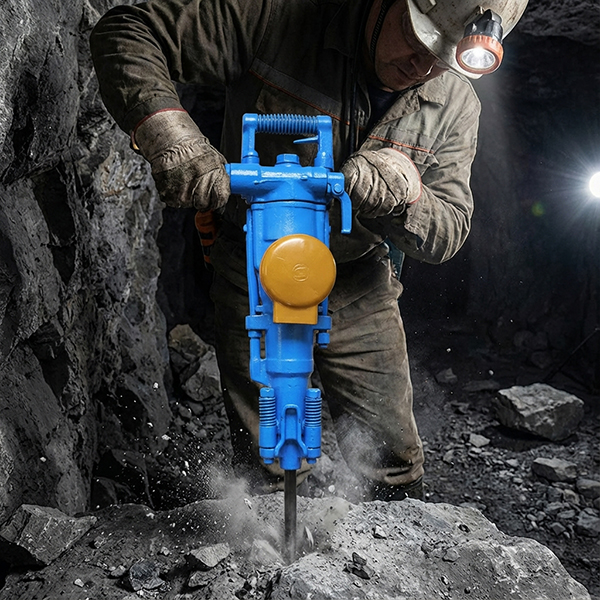
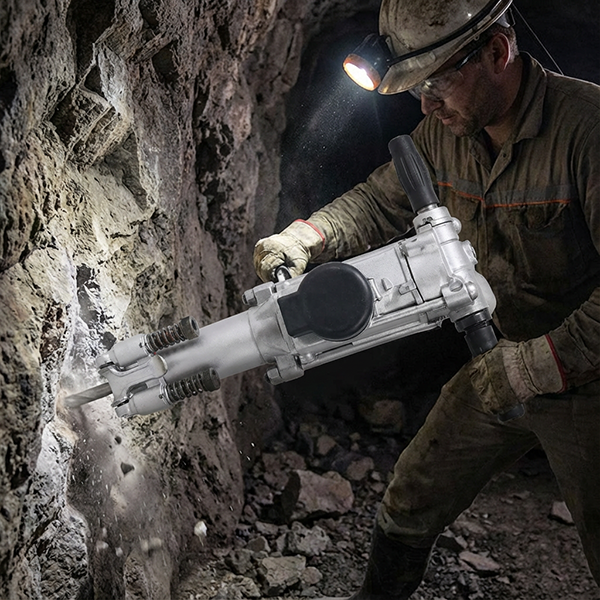
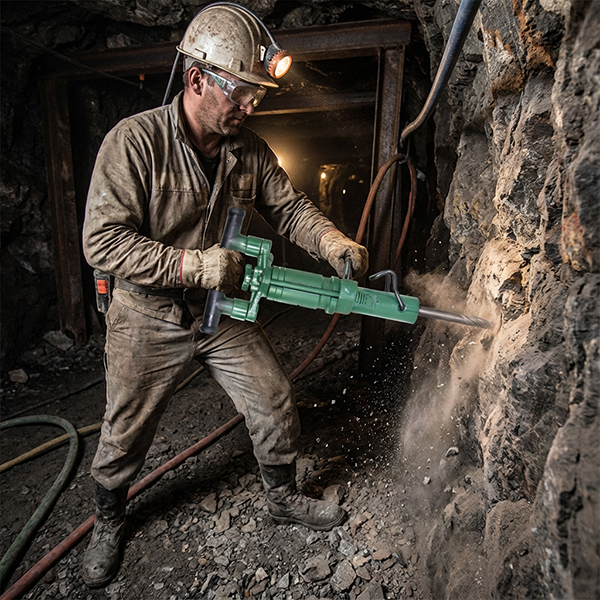
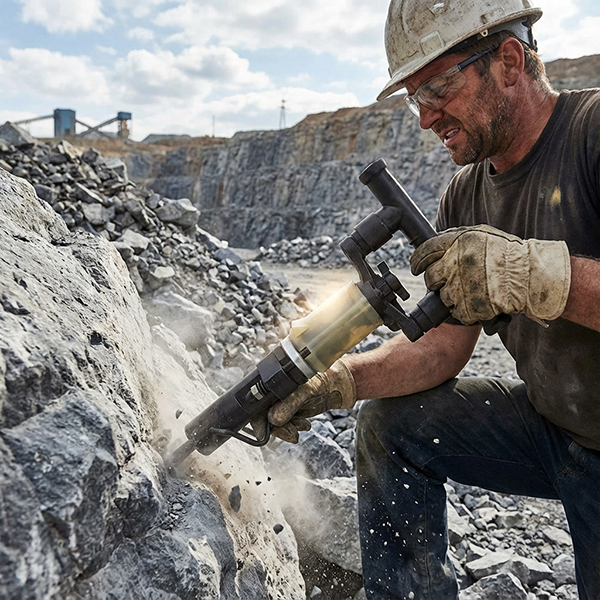
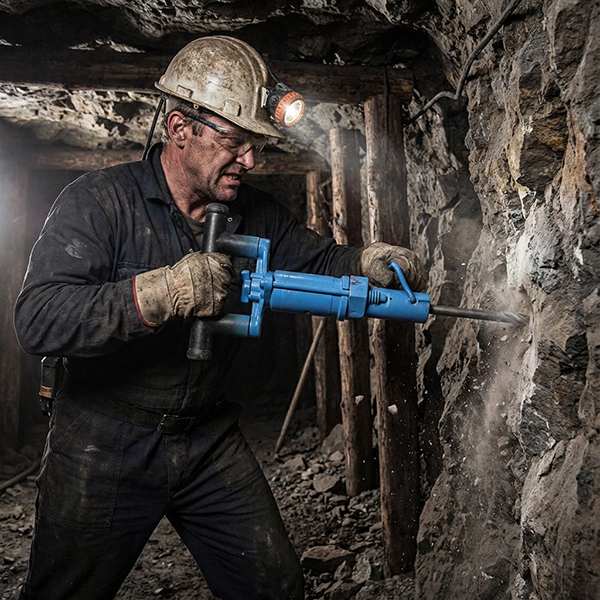
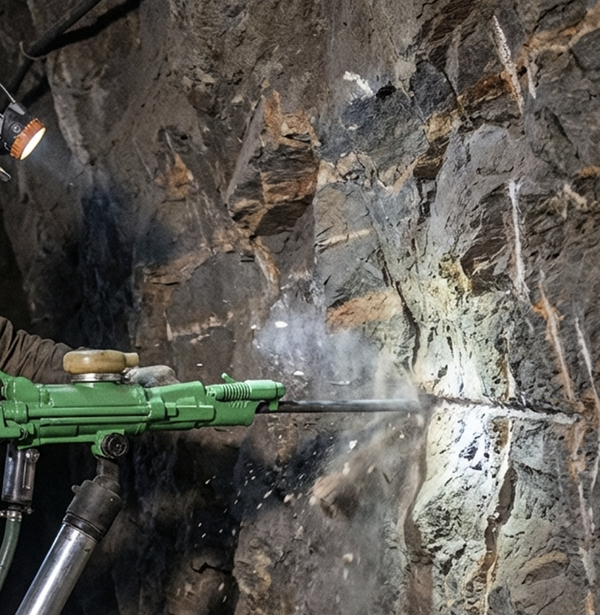
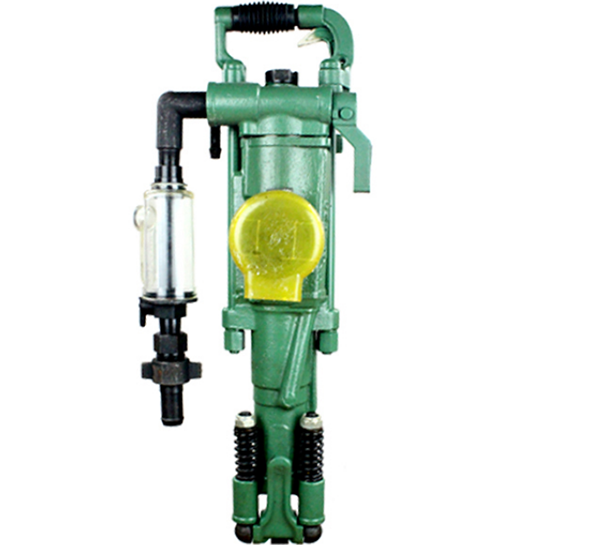
Looking for a jack hammer that hits hard, sets up fast, and doesn’t punish the operator? The YT28 air‑leg rock drill fits that bill. It’s a Pneumatic jack hammer you can run all shift: 26 kg in weight, 661 mm overall length, with an 80 mm cylinder and a 60 mm piston stroke. Work it inside the 0.4–0.63 MPa window. At 0.63 MPa it cycles at ≥37 Hz (about 2,220 blows per minute), while air consumption stays ≤81 L/s so your compressor plan stays honest. Plumb it the way it was designed—25 mm inner‑diameter air hose, 13 mm water line—and drop in standard 22×108 mm tapered‑hex steels. On the leg it’s a production drill; off the leg it doubles as a steady hand held jack hammer for collaring and tight corners.
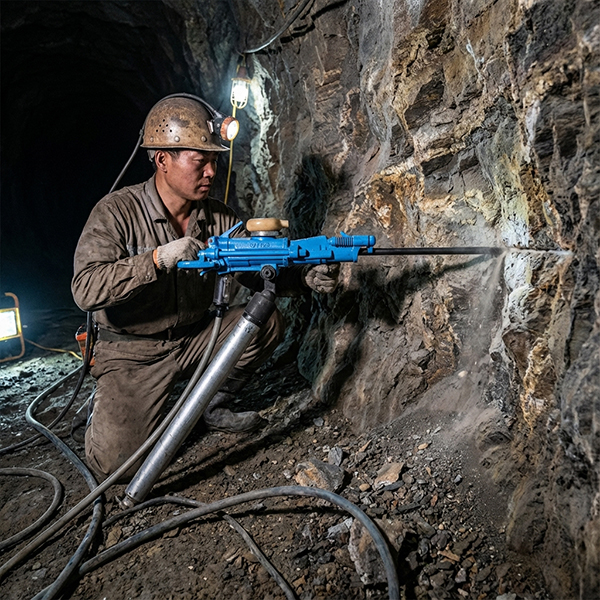
What the numbers mean on the face
26 kg and 661 mm: compact enough to place precisely, with the air‑leg carrying the push on longer holes. As a hand held jack hammer, it’s manageable for short corrections.
80 mm cylinder + 60 mm stroke: a proven combo that delivers a crisp, fast hit without bogging. The ≥37 Hz rate keeps the bit biting instead of glazing.
0.4–0.63 MPa operating window: real‑world flexibility. Many crews run ~0.5 MPa for a balance of speed and parts life; you still have top‑end pace when the ground turns unfriendly.
≤81 L/s air consumption: efficient for the class and easier on compressor sizing. Through a 25 mm air line, the tool breathes properly and keeps its tempo.
25 mm air / 13 mm water: full‑bore plumbing that preserves blow energy and flushing. Choked lines cost more penetration than any other simple mistake.
22×108 mm shank: common, reliable, easy to source. Your steels, couplings, and bits stay standard.
Real‑world behavior you can feel
Starts clean, runs steady: crack a little air, add water, bring it to working pressure, and the Pneumatic jack hammer settles into a smooth rhythm. You hear steady impacts, not ragged chatter.
Tracks straight with the leg: the mass and stroke pair well with air‑leg thrust, so it holds alignment and keeps rotation lively even as the hole gets longer.
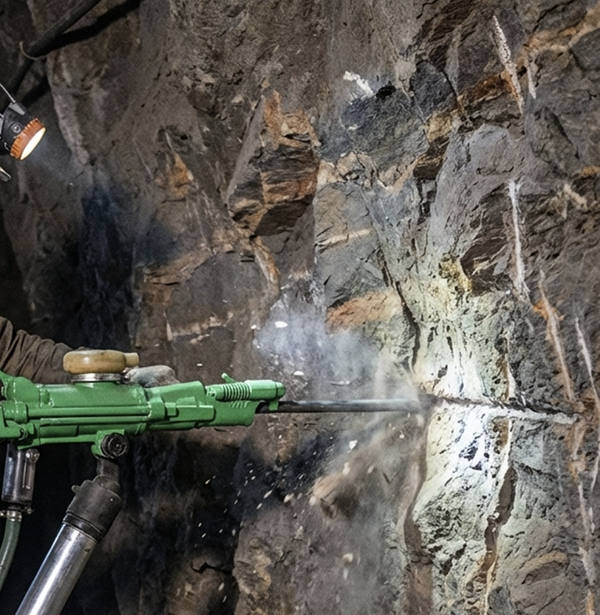
Forgiving in tight spots: pull the leg, choke the thrust by hand, and the tool still behaves. That’s where the hand held jack hammer versatility pays off.
Set‑up that saves minutes (and headaches)
Measure pressure at the tool, not just at the compressor. Hoses, couplings, and other air users can steal pressure. The YT28 needs 0.4–0.63 MPa at the drill to deliver its ≥37 Hz pace.
Keep the 25 mm air hose short, straight, and clean. Blow it out before hookup. Grit in the line scores valves; undersized hose strangles performance.
Use the full 13 mm water line and keep water pressure below air pressure. That maintains flushing without backflow that strips lubrication.
Light oil mist at exhaust is your friend. It tells you the inline lubricator is doing its job.
Specs at a glance
Weight: 26 kg
Overall length: 661 mm
Cylinder diameter: 80 mm
Piston stroke: 60 mm
Operating air pressure: 0.4–0.63 MPa
Impact frequency (0.63 MPa): ≥37 Hz (~2,220 blows/min)
Air consumption: ≤81 L/s
Inner diameter of air pipe: 25 mm
Inner diameter of water pipe: 13 mm
Bit shank: 22×108 mm (tapered hex)
Common buyer questions, answered plainly
Q1: Is the YT28 a hand held jack hammer or only an air‑leg drill?
It’s both. The YT28 is built for air‑leg production, but you can run it as a hand held jack hammer for collaring, squaring a hole, or working where the leg won’t fit. The 26 kg weight stays controllable for short tasks.
Q2: What compressor do I need for this Pneumatic jack hammer?
Size for ≤81 L/s while ensuring the drill still sees 0.4–0.63 MPa through a 25 mm hose. Leave headroom for line losses and other air tools. The key is pressure at the drill, not just at the compressor.
Q3: What does ≥37 Hz actually feel like?
It feels like steady bite. At roughly 2,220 blows/min, the bit keeps landing on fresh rock instead of polishing the face. You’ll see fewer stalls and more consistent chips.
Q4: Why the 80 mm cylinder and 60 mm stroke?
That geometry gives a strong, quick hit without making the tool jumpy. It’s a sweet spot many crews prefer: confident impact with controlled handling.
Q5: Which steels and bits fit the YT28?
Standard tapered‑hex 22×108 mm shanks. If your site stocks 22×108, you’re ready. No special adapters needed.
Q6: Can I run it at 0.63 MPa all day?
It’s inside spec. Many operators aim for ~0.5 MPa to balance penetration and wear, then bump up when the ground gets tough. Always verify pressure at the tool.
Q7: How do I keep rotation from slowing or the steel getting stuck?
Maintain strong flush through the 13 mm line, keep water pressure below air, and ease leg thrust if rotation dips. Don’t keep hammering on a stopped steel—back off, clear, and restart.
Q8: What daily maintenance really matters on this jack hammer?
Clean air and steady oiling. Blow out the 25 mm hose before hookup, check couplings, keep flushing ports clear, inspect the 22×108 shank tail, and snug long tie‑bolts periodically.
Q9: Is a Pneumatic jack hammer a good choice for wet headings?
Yes. Pneumatics are straightforward around water and easy to service. You trade some noise for simplicity and dependable uptime.
Q10: How does air consumption ≤81 L/s affect my setup?
It makes compressor math easier. Convert ≤81 L/s to roughly ≤172 cfm as a planning number, then add margin for other users. Good hose and fittings protect that margin.
Q11: How compact is it around corners and supports?
At 661 mm overall, the YT28 is tidy for its power class. With the leg, it stays planted; off the leg, it’s a manageable hand held jack hammer for quick repositioning.
Q12: Any plumbing rules I should never break?
Three of them: stick to 25 mm ID air, use the full 13 mm water line, and keep water pressure below air pressure. Those three keep the Pneumatic jack hammer lively and the hole clean.
Small operating habits that add up
Start sequence: small air, then water, then up to working pressure.
Stop sequence: close water, run on light air for a few seconds to dry internals.
Hose discipline: full‑bore couplings, no kinks, minimal adapters.
Spare steels: keep a sharp 22×108 mm steel handy; swapping a dull bit beats forcing the leg.
Where the YT28 earns its keep
Daily production on the air‑leg where pace and straight holes matter.
Short corrective work as a hand held jack hammer—collars, squaring, tight corners.
Crews that need standard 22×108 mm consumables and predictable compressor loads (≤81 L/s) without guessing.
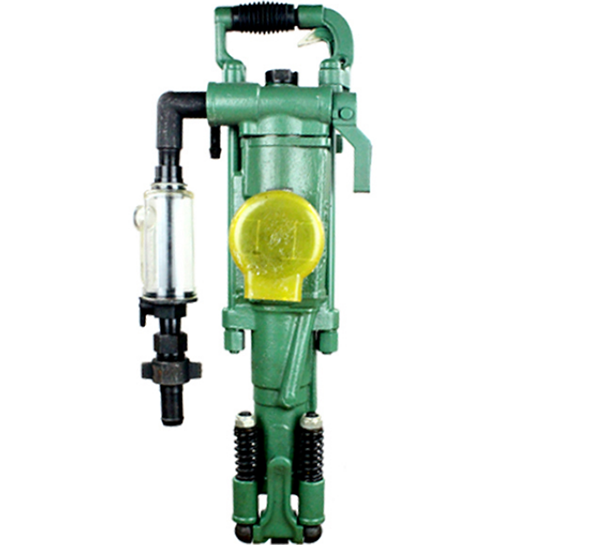
Bottom line The YT28 air‑leg rock drill is a no‑nonsense Pneumatic jack hammer that teams actually like to use: 26 kg, 661 mm long, 80 mm cylinder, 60 mm stroke, 0.4–0.63 MPa operating range, ≥37 Hz at the top end, ≤81 L/s air consumption, 25 mm air line, 13 mm water line, and 22×108 mm shanks. Set it up clean, oil it, and let it work. Whether you lean on it as a hand held jack hammer for quick tasks or as a full‑time Pneumatic jack hammer on the leg, the YT28 delivers steady, repeatable performance without fuss. That’s why it stays in the rack—and in the plan—week after week.