
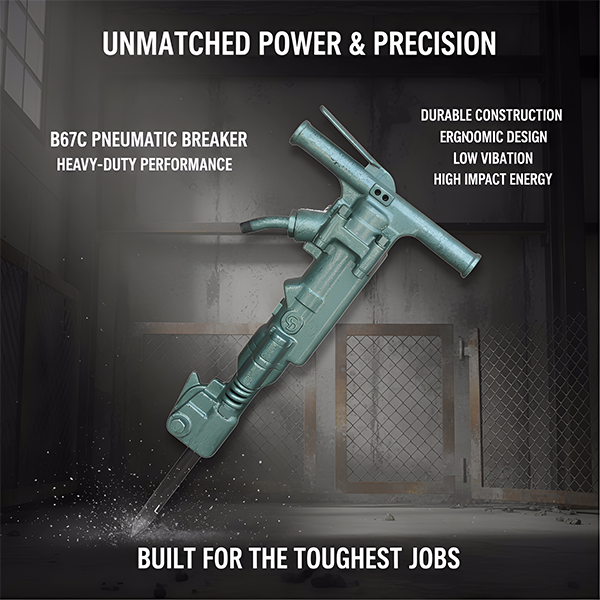
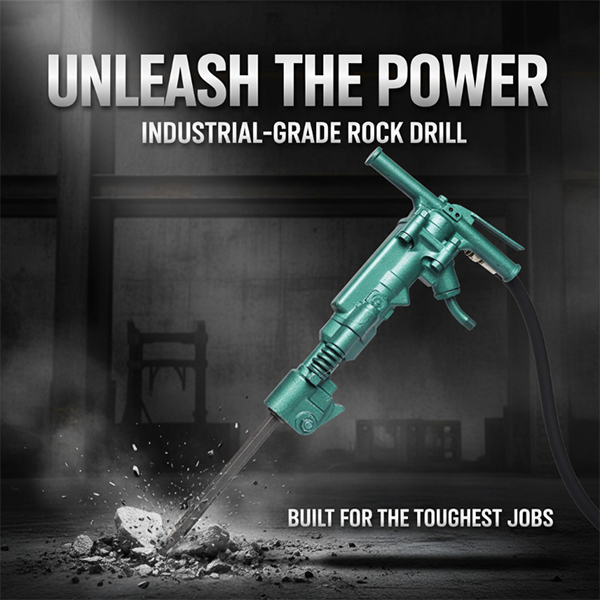
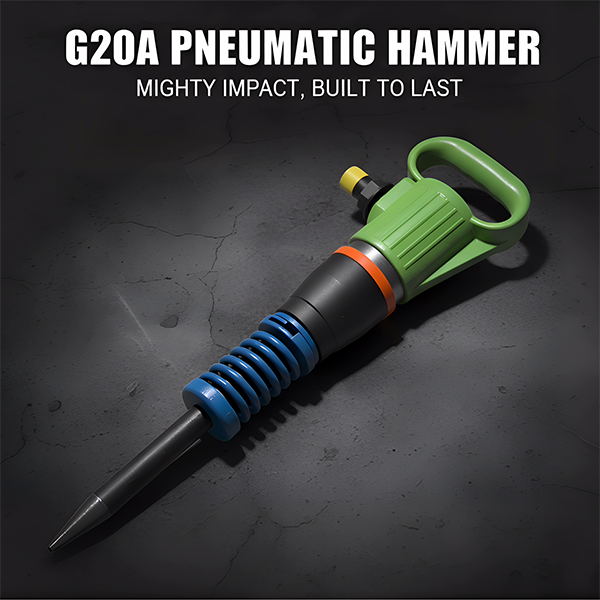
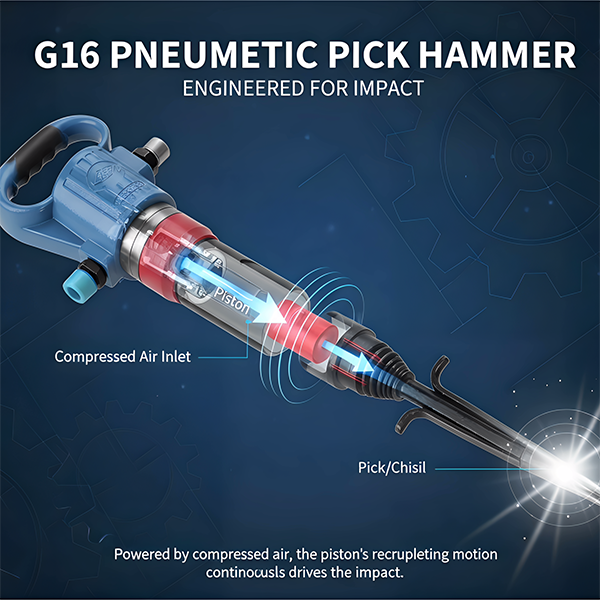
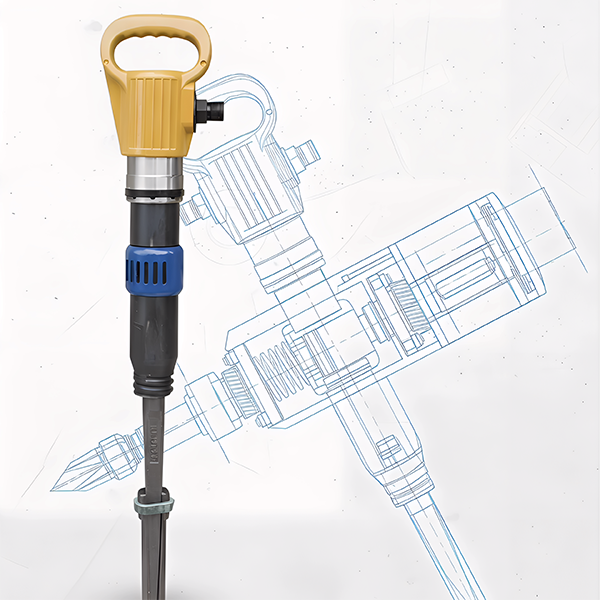
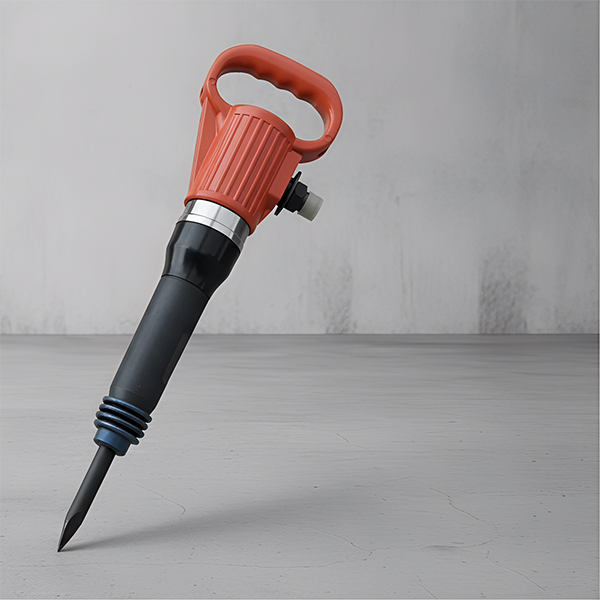
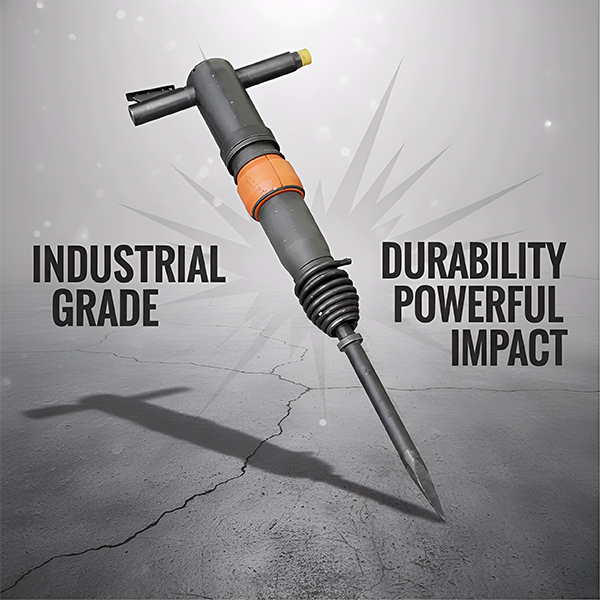
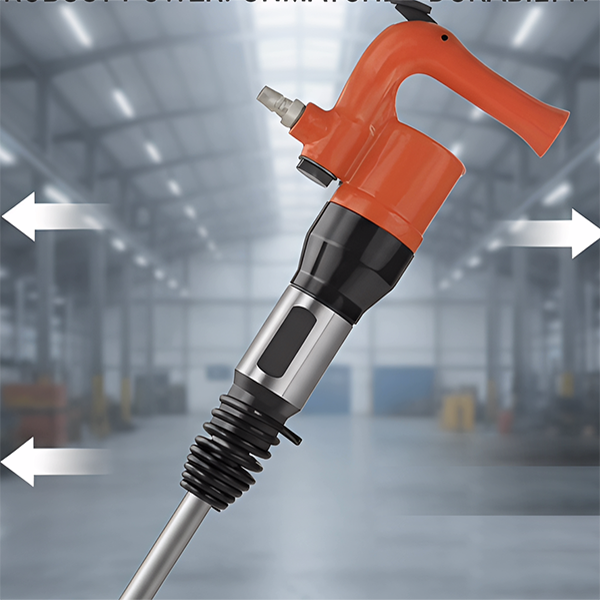
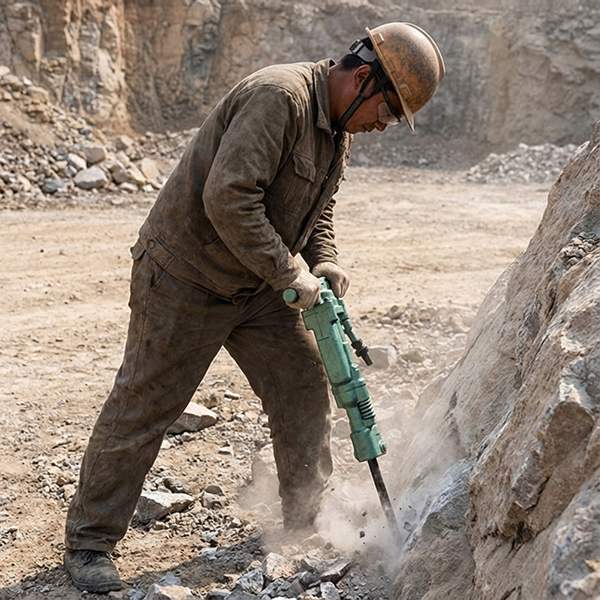
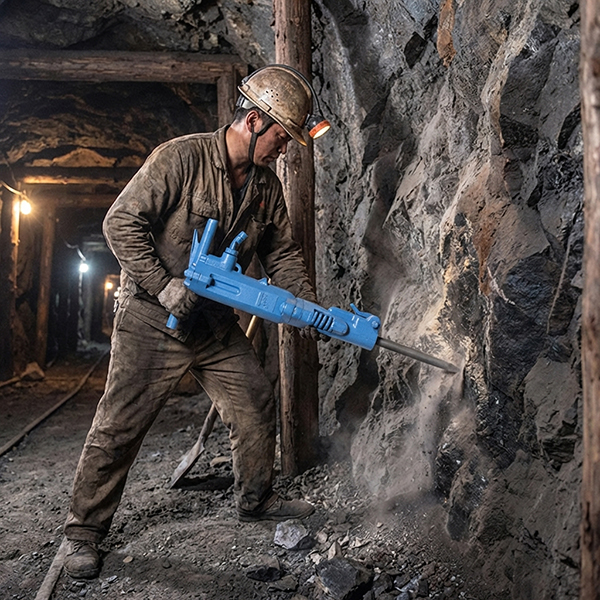
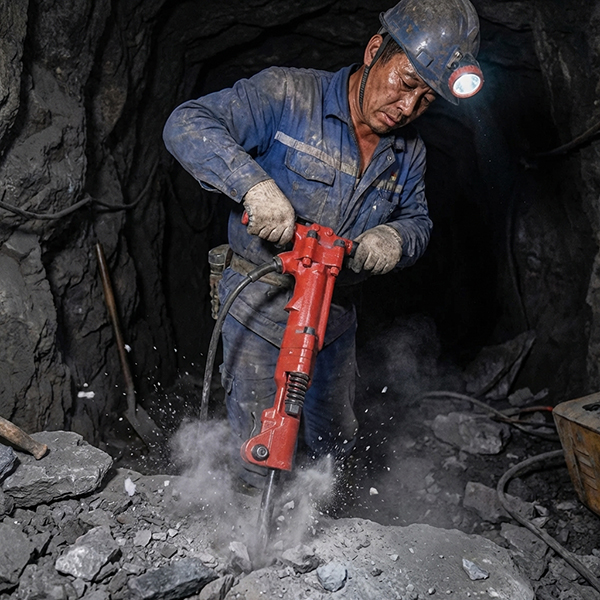
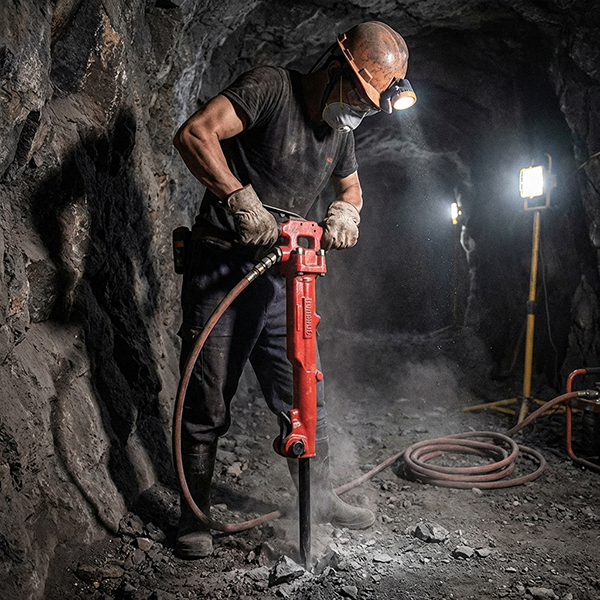
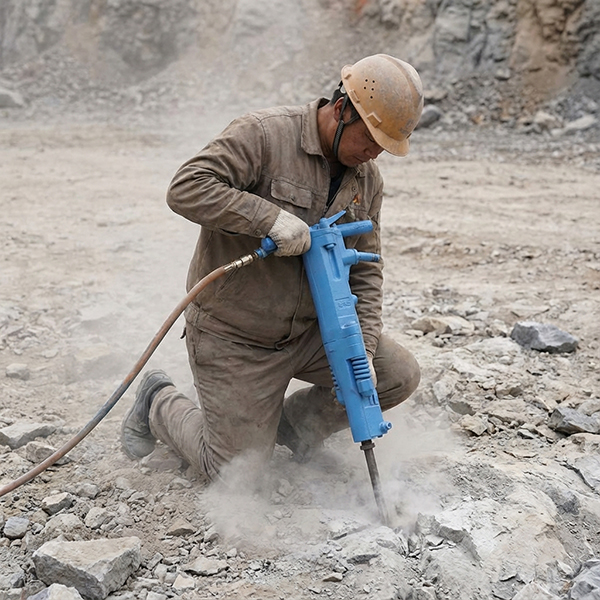
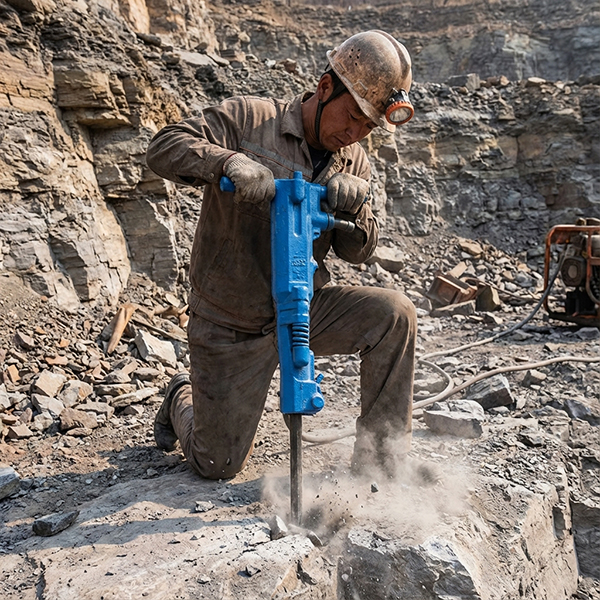
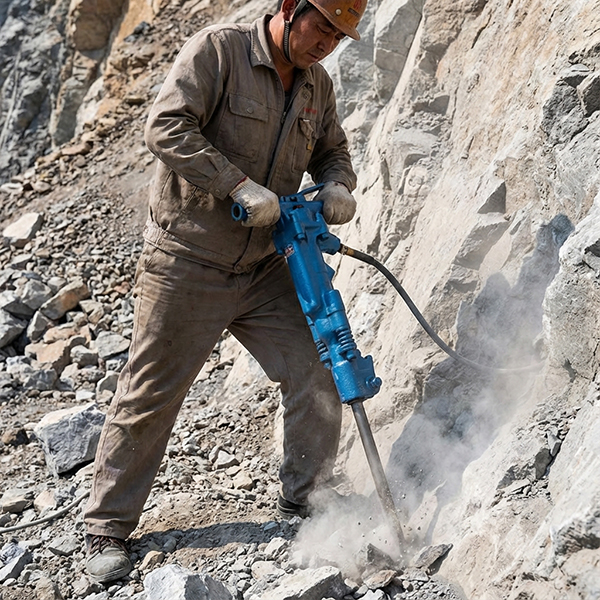
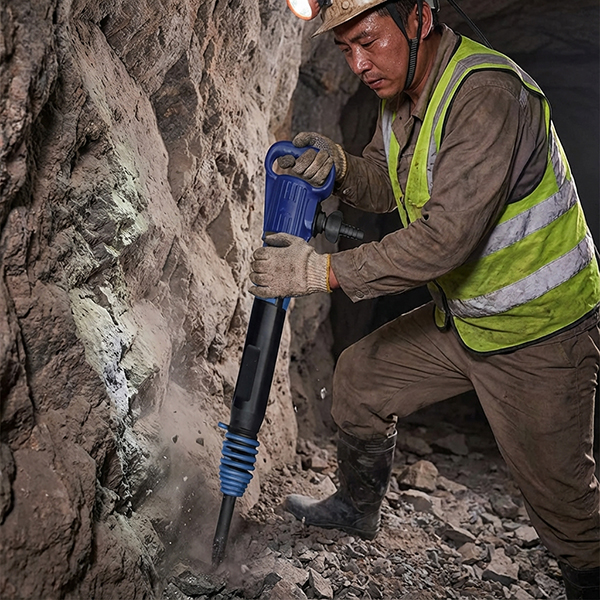
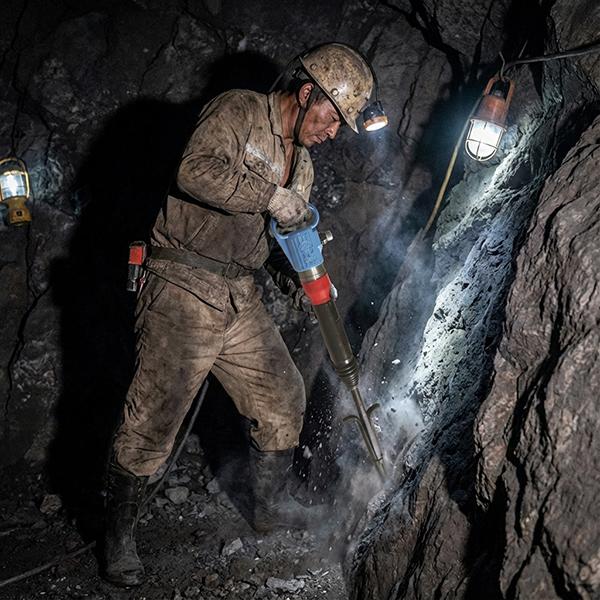
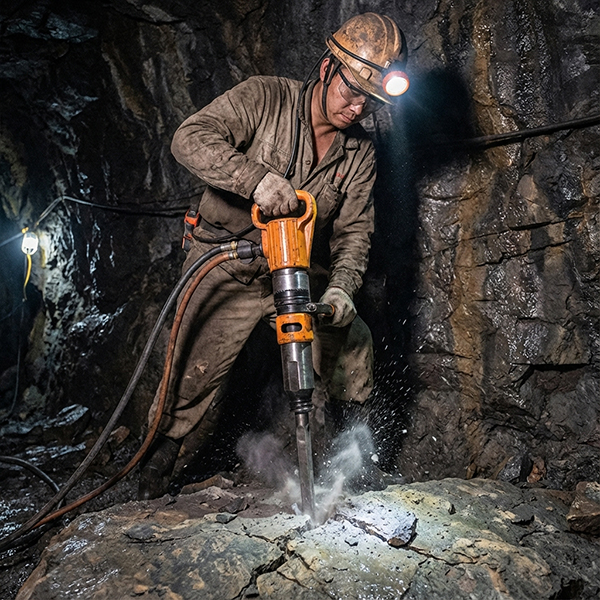
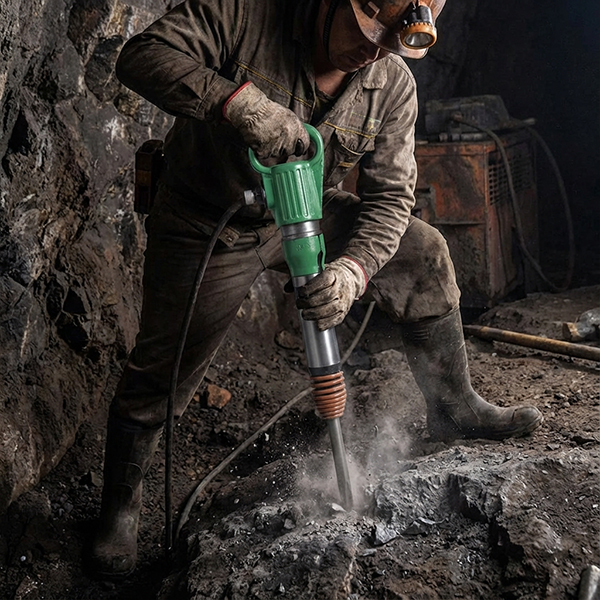
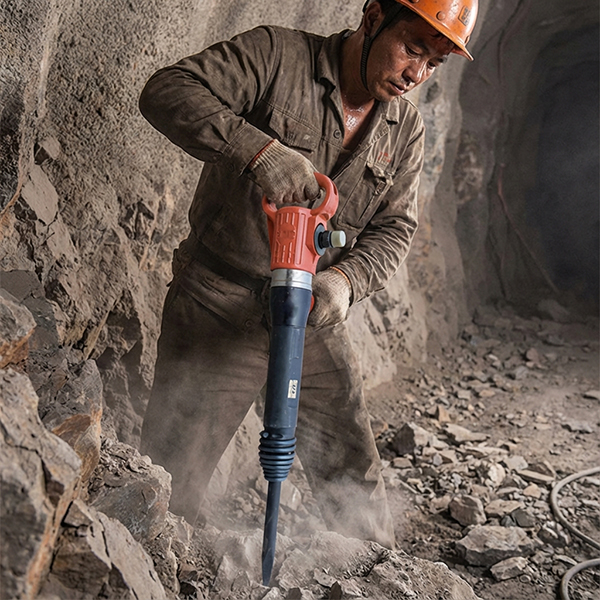
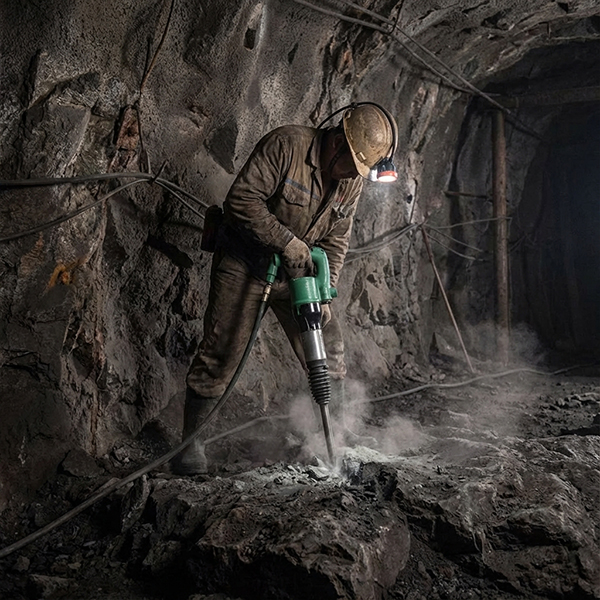
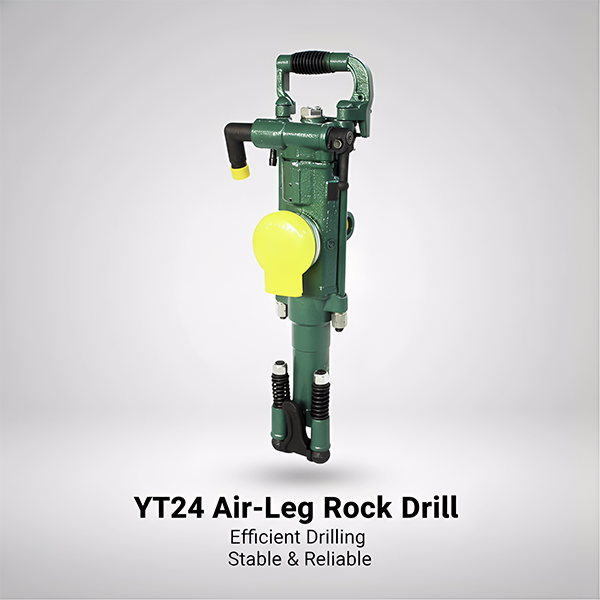
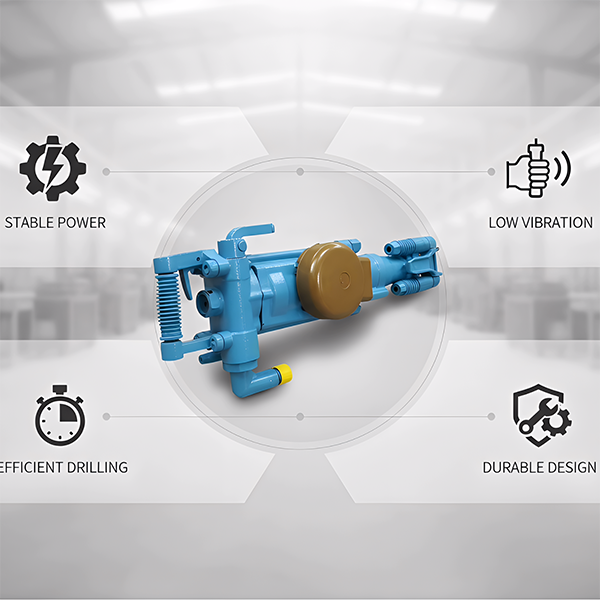
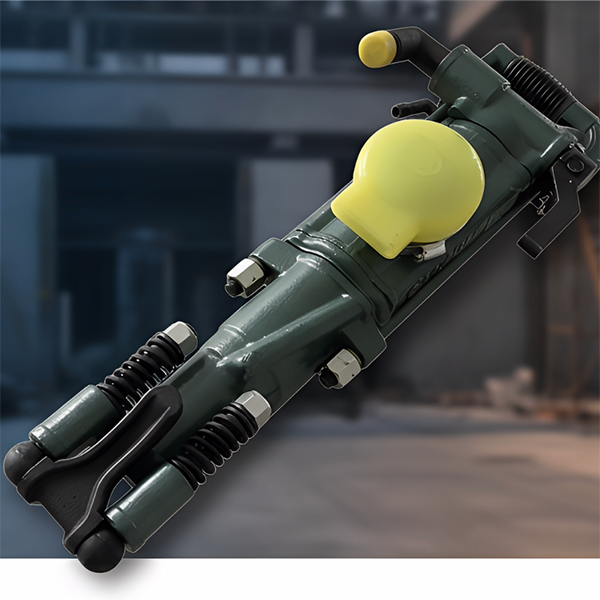
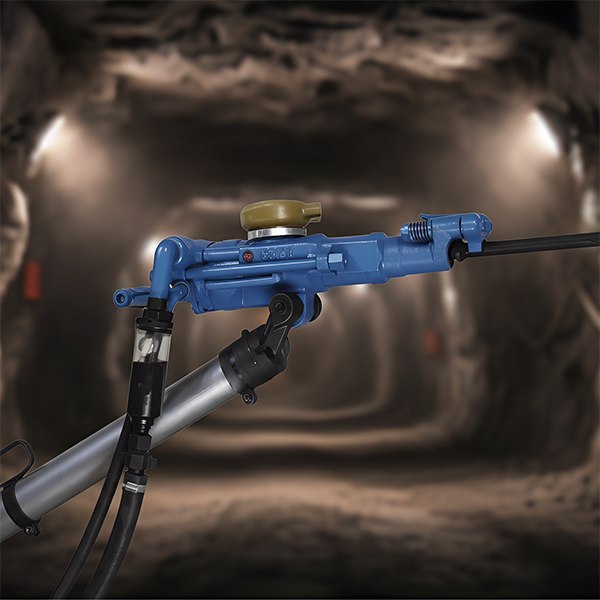
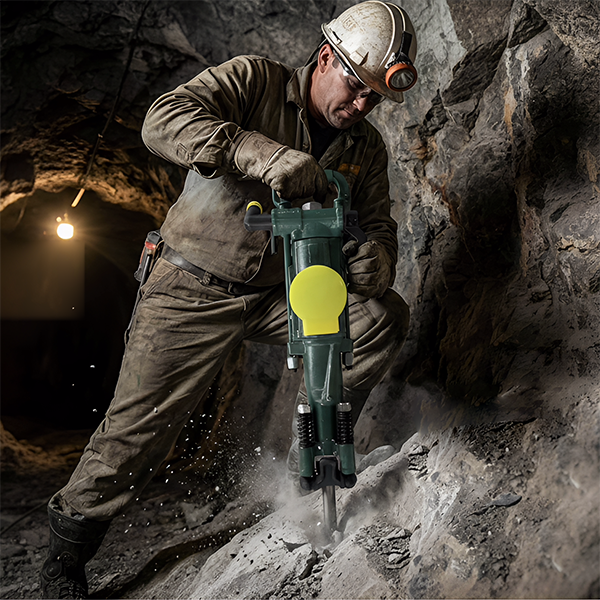
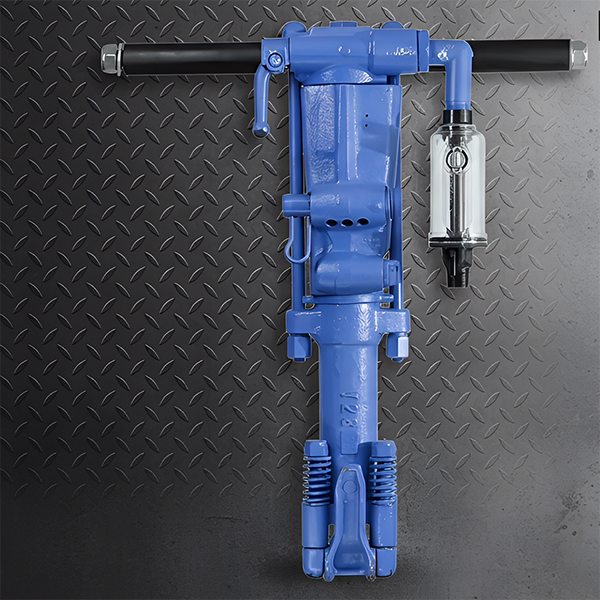
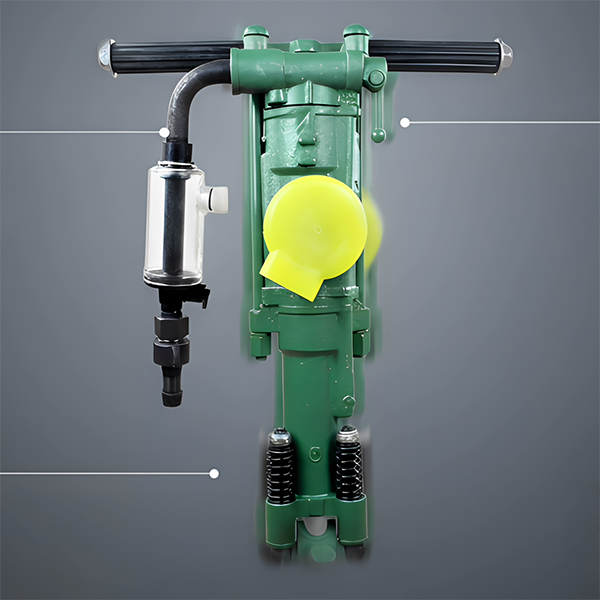
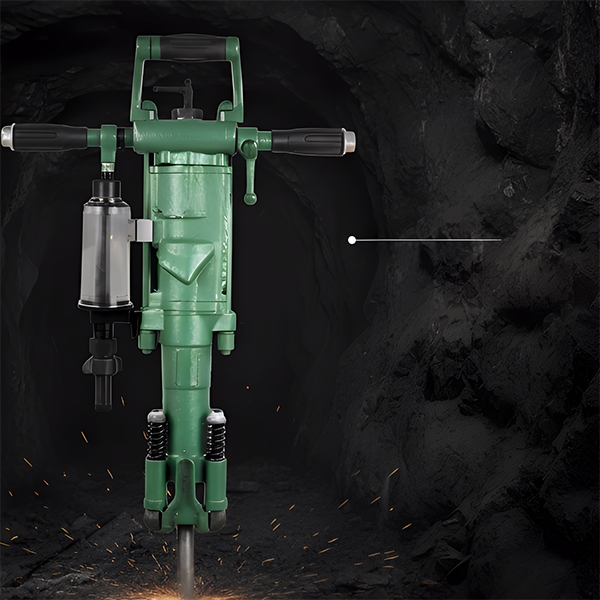
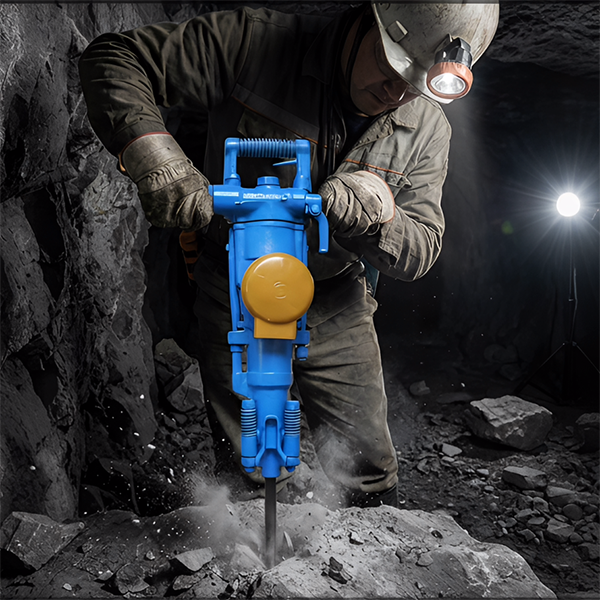
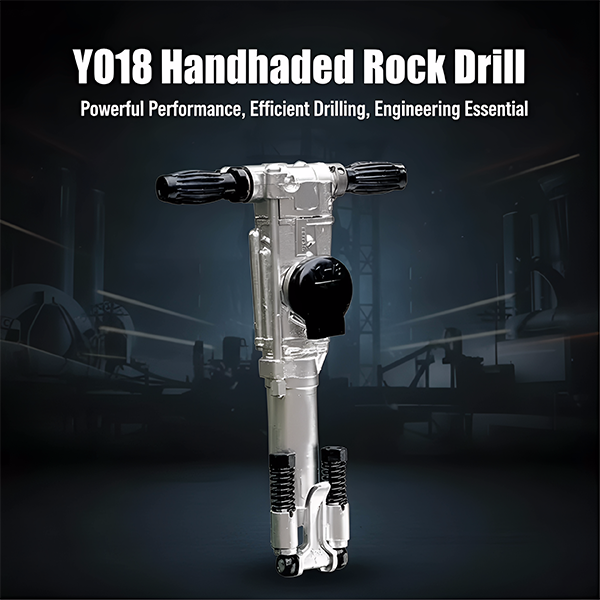
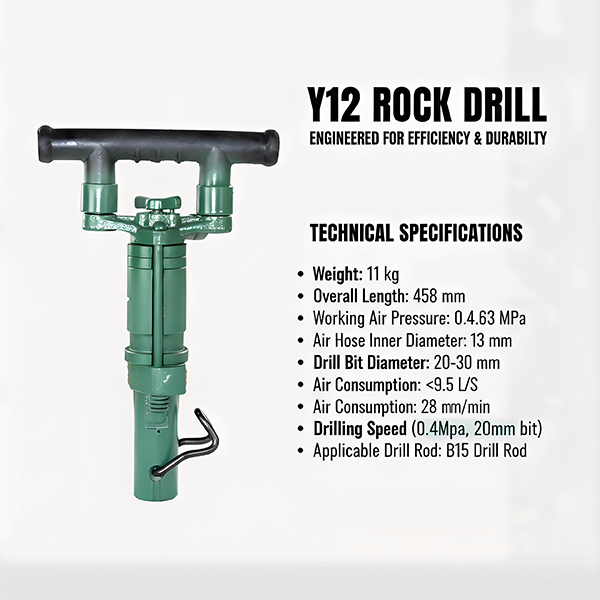
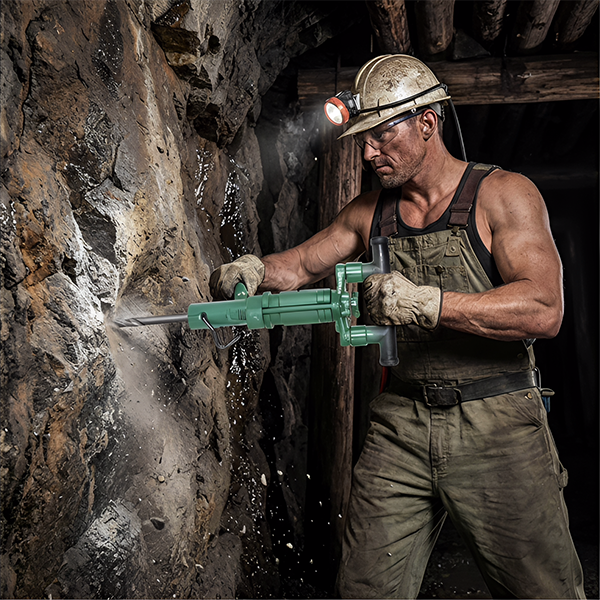
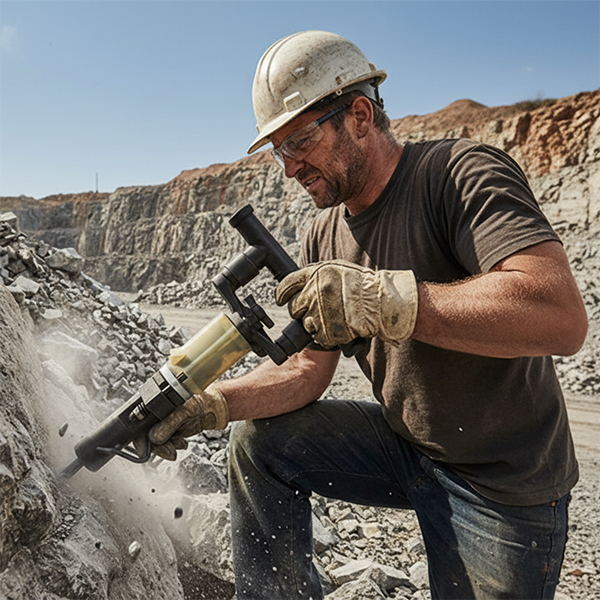
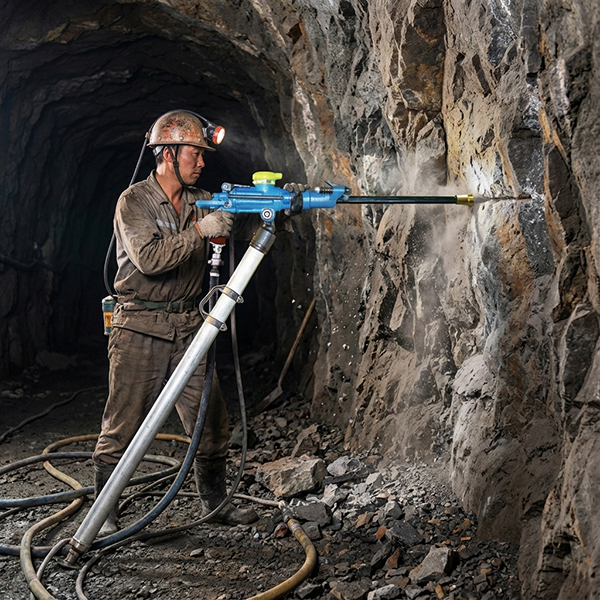
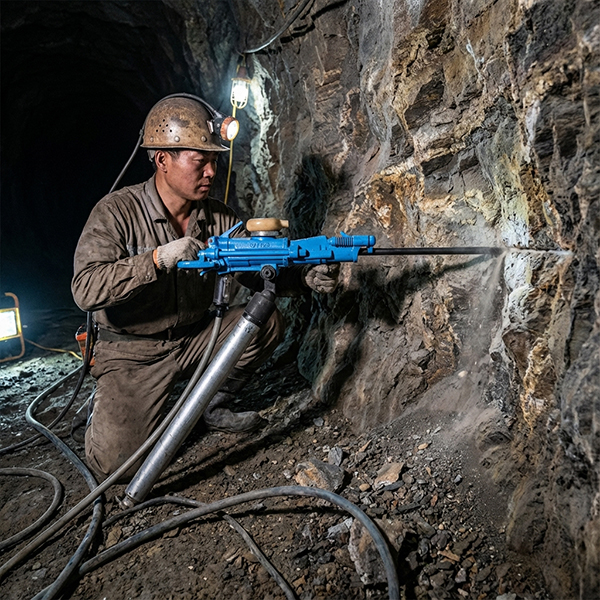
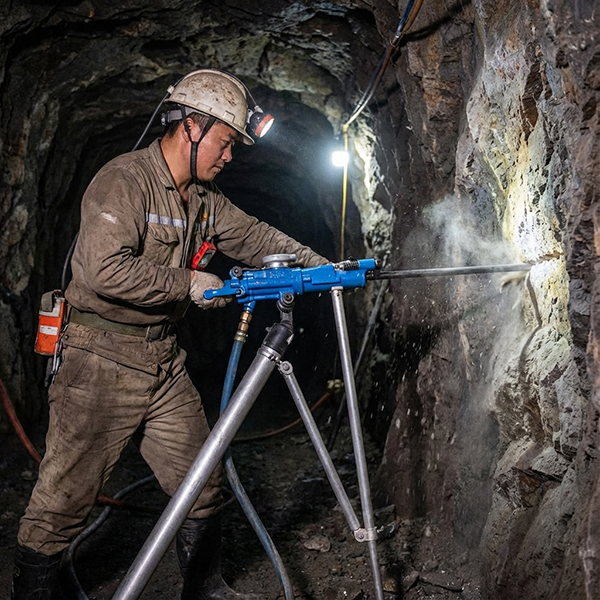
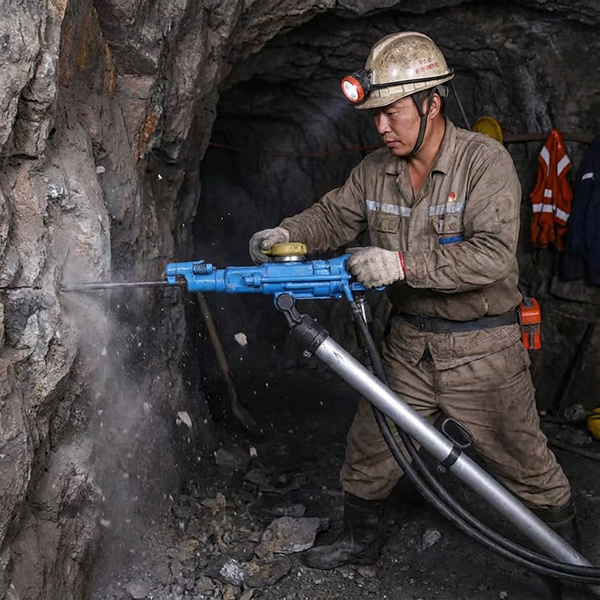
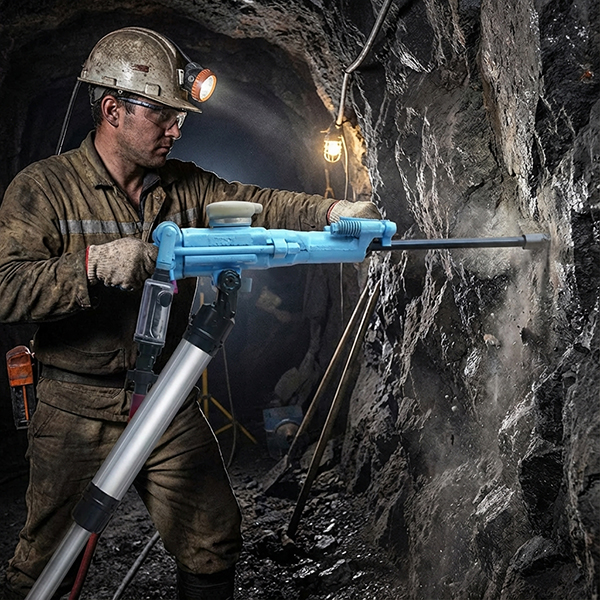
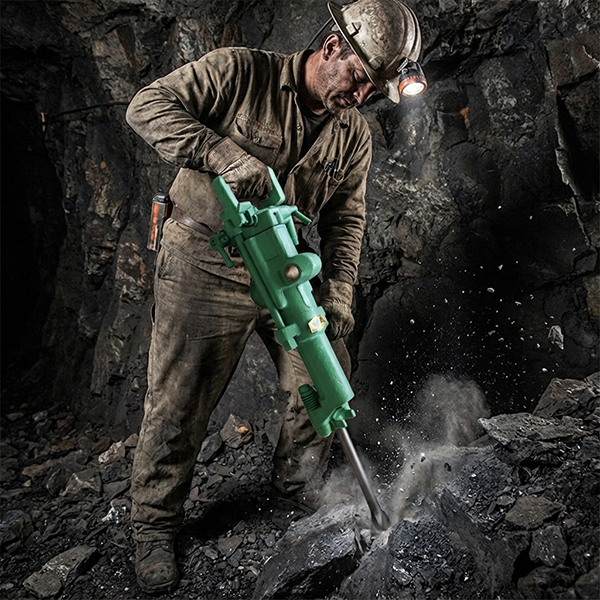
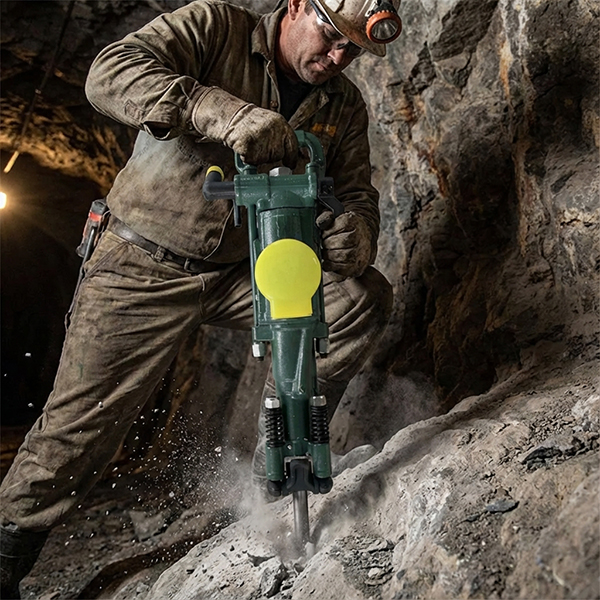
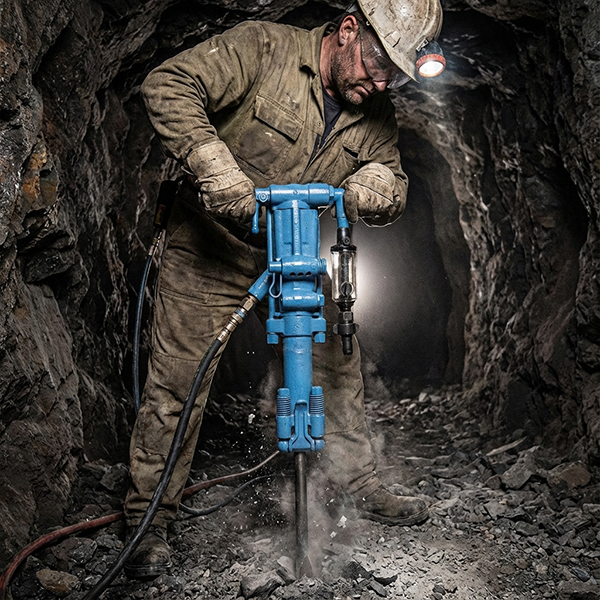
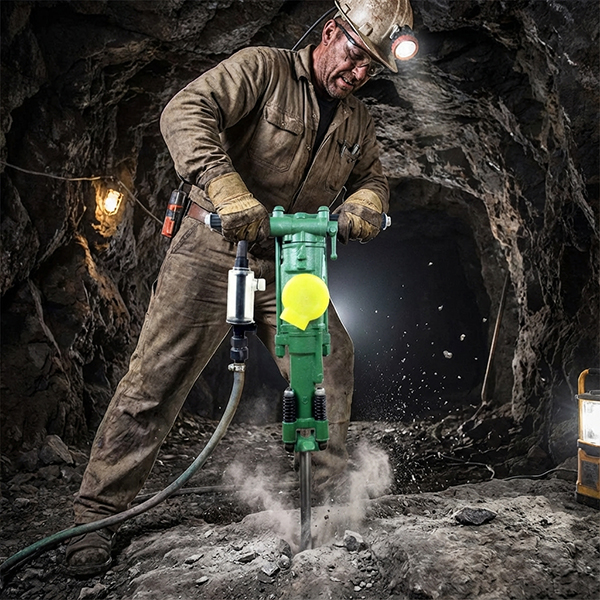
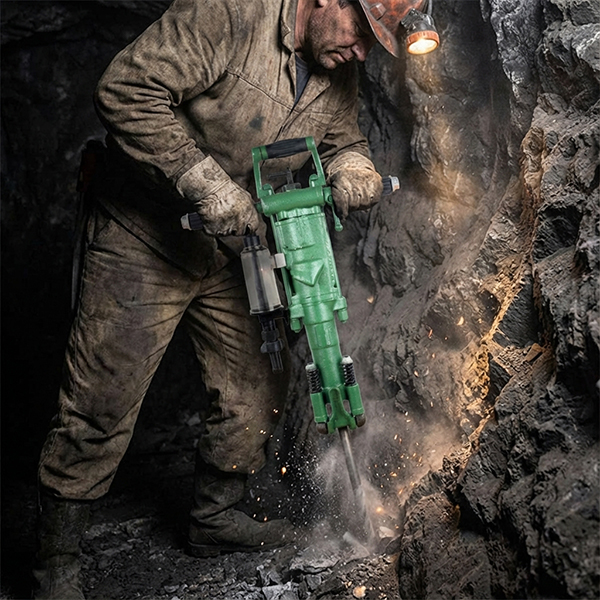
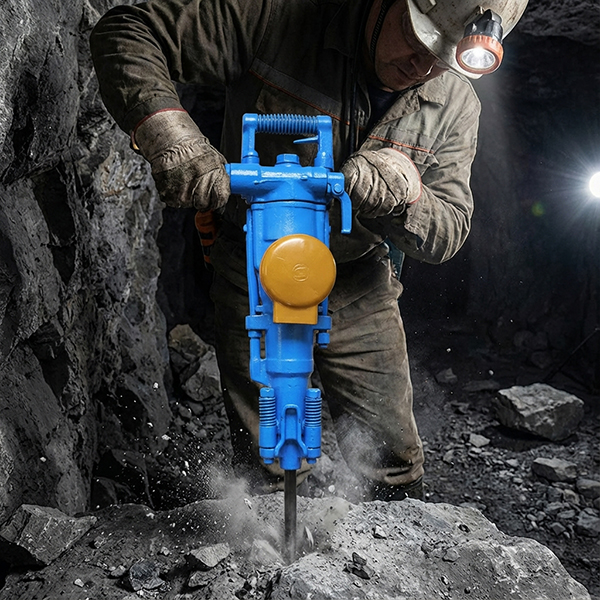
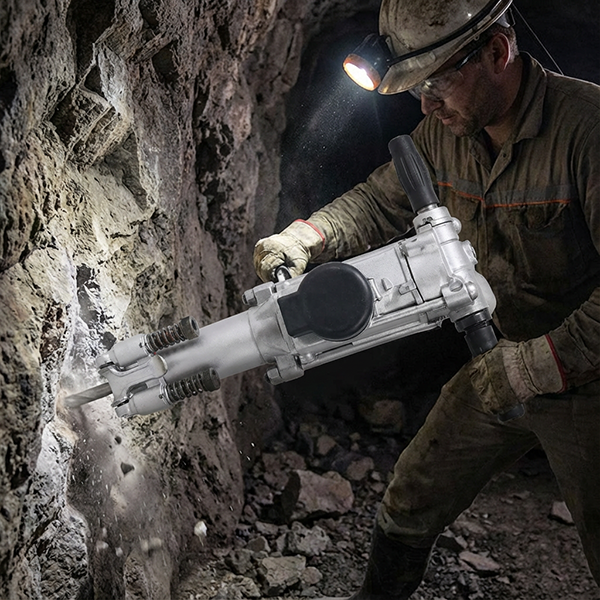
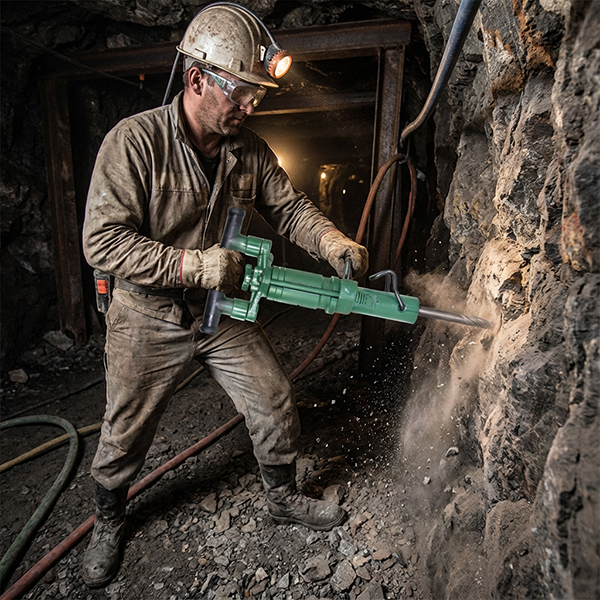
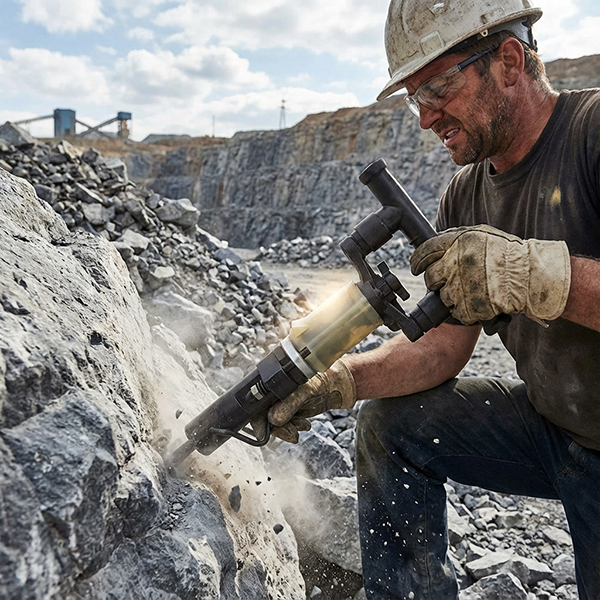
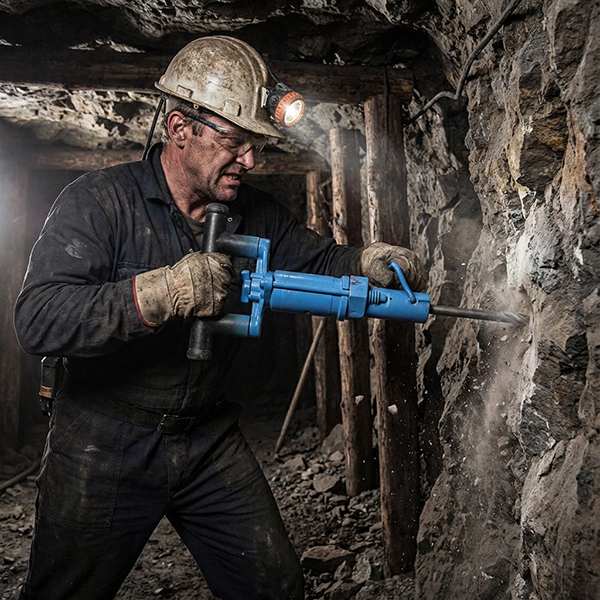
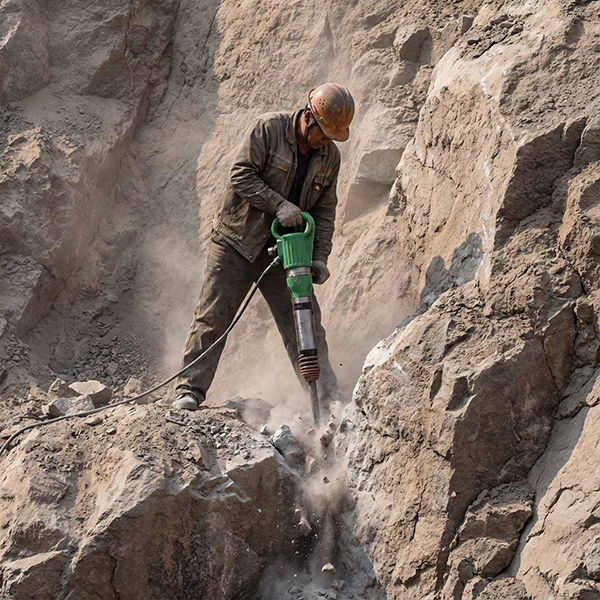
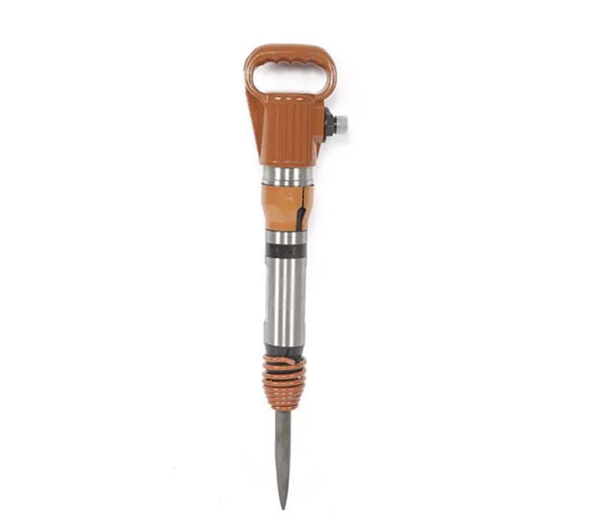
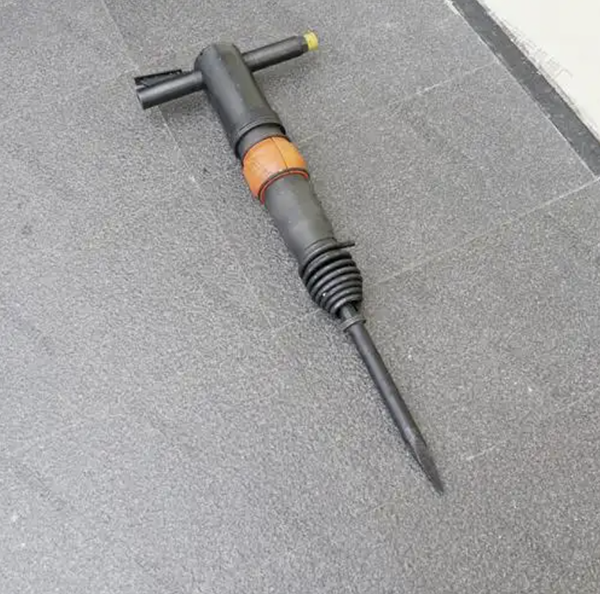
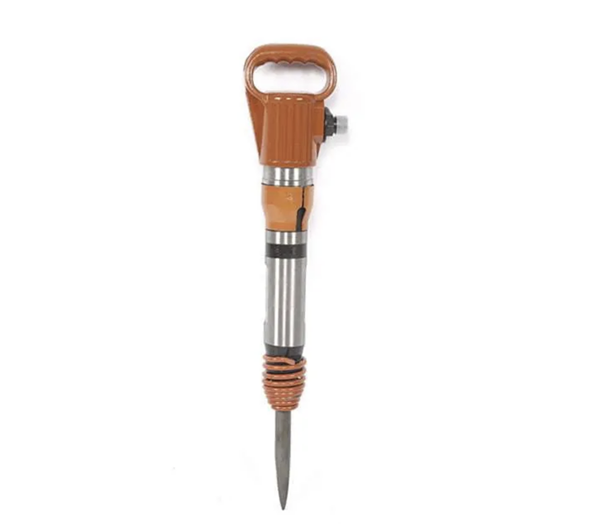
If you’ve ever tried to open a thick concrete slab or break a stubborn masonry corner with a light tool, you know the feeling: the bit chatters, the tool bounces, and progress is slow. That’s exactly where the G10 Pneumatic Air Pick Hammer earns its place. It’s a classic compressed-air jack hammer—a true hand held jack hammer—built around a simple, reliable idea: compressed air drives an internal piston/hammer to move back and forth and keep striking the chisel tail, so the chisel can chip, cut, and break material steadily.
This isn’t a “tiny chipper.” The G10 is the model you pick when you want fewer, heavier hits and faster break-through on tougher work.
Quick Look: G10 Specs (and what they mean on site)
Here are the parameters you provided, with some plain-language context:
Machine length: 570 mm
Longer body gives you leverage and stability, especially when you’re working on floors, road surfaces, or thick walls.Total weight: 11 kg
A heavier Pneumatic jack hammer can actually feel more controllable on hard material because it doesn’t bounce as much. You lean into it, let the mass help the bite.Impact energy: 43 J
This is the number people care about for serious breaking. 43J is a strong single-blow tool—good for thick concrete, dense masonry, and heavy maintenance tasks.Impact frequency: 16 Hz
Not “machine-gun fast,” but that’s the point: bigger hits instead of lots of light taps. For deep cracks and breaking through hard sections, 16Hz often feels more productive than high-frequency chipping.Piston diameter: 38 mm
Bigger piston usually means more air force behind each cycle—part of why the G10 can deliver 43J.Hammer stroke: 155 mm
That’s a long stroke. Long stroke + big piston is the classic recipe for a “serious hitter” jack hammer.Working pressure: 0.63 MPa
Keep your air supply stable at this pressure while the tool is running, not just when the trigger is off.Air consumption: 26 L/s
This tells you the G10 wants a capable compressor. If airflow can’t keep up, the tool starts to feel weak.Air hose inner diameter: 19 mm
Bigger line = better flow. It also matches the practical advice in your operating notes: choose the right hose diameter, keep it clean, and make sure connections are tight and reliable.Chisel shank size: 24 × 70 mm
Use the correct shank. A poor fit wastes energy and accelerates wear.
So, the “personality” of this hand held jack hammer is clear from the data: 570mm, 11kg, 43J, 155mm stroke, 19mm hose, 26L/s—it’s built to break, not just chip.
Where the G10 Pneumatic Jack Hammer Gets Used
Your product knowledge lists a wide working range for air picks, and the G10 sits on the heavier end of that range. Typical jobs include:
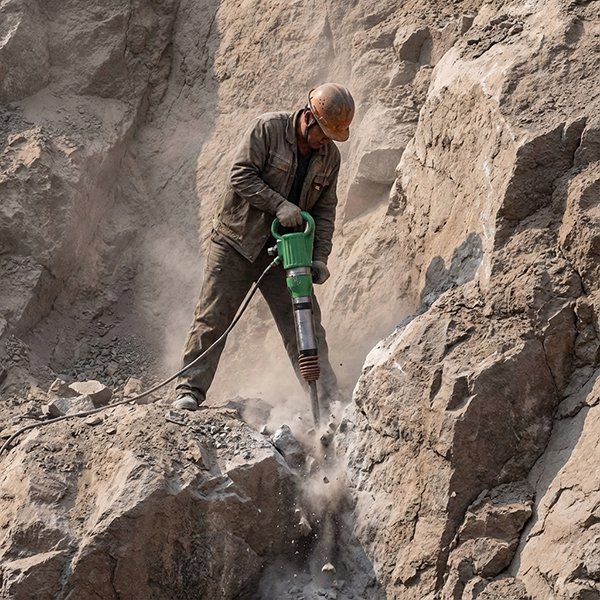
Construction demolition: breaking concrete, brick, stone; opening walls or slabs for piping/cable runs
Road / rail / municipal work: breaking pavement for repairs, trenches, and maintenance (the same “break + open” workflow you described for civil engineering, railway, highway, docks, power station projects)
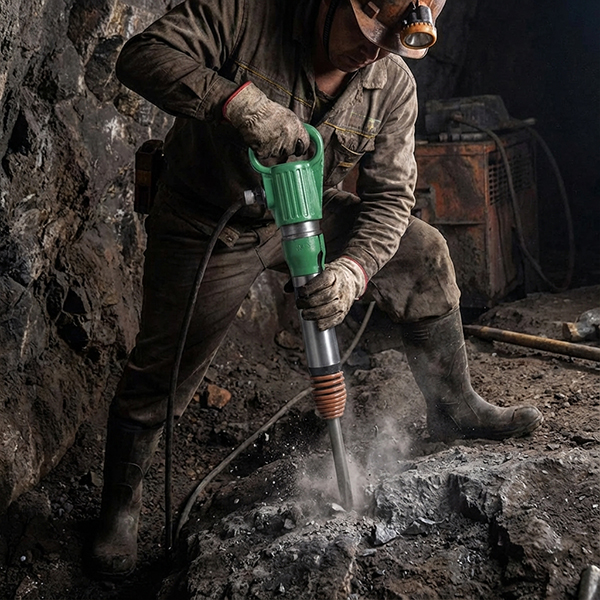
Mining-type work: air picks are commonly used to break coal seams or softer rock; the G10 also makes sense for tough compact layers where lighter tools bog down
Industrial maintenance: boiler/furnace area cleanup, heavy-duty scaling and removal tasks
Metalwork and fabrication cleanup: you mentioned tasks like weld seam work and irregular or tight surface chipping—this is where a pneumatic tool’s compact “point of attack” is handy, even when the tool itself is powerful
How it works (based on your technical description)
The G10 follows the same proven structure you outlined:
Air distribution (valve) system
Impact mechanism (a thick-wall cylinder with a hammer body moving back and forth)
Chisel / pick
Compressed air pushes the piston/hammer in a controlled cycle. The hammer strikes the chisel tail, transferring impact into the material. During the return motion, air can act like a buffer layer, which helps smooth the cycle and reduces harsh metal-to-metal stress before the next forward strike.
That “simple pneumatic loop” is why crews still trust a Pneumatic jack hammer on dirty, demanding jobs: fewer delicate parts, direct energy transfer, and predictable maintenance.
What customers usually ask (and the answers that matter)
1) “Is the G10 too heavy to use all day?”
At 11 kg, it’s not a featherweight. But heavy breaking is often easier with a heavier tool because it stays planted and doesn’t hop around. For floor work, road surfaces, and thick slabs, the weight helps.
If someone’s doing overhead chipping or tight-position finishing work, a lighter hand held jack hammer can make more sense—but for ground demolition, G10’s weight is part of its advantage.
2) “What compressor do I need so the tool doesn’t ‘go soft’?”
Match the two key numbers: 0.63 MPa and 26 L/s.
The compressor needs to hold 0.63 MPa while the hammer is working, and the air delivery has to keep up with 26 L/s.
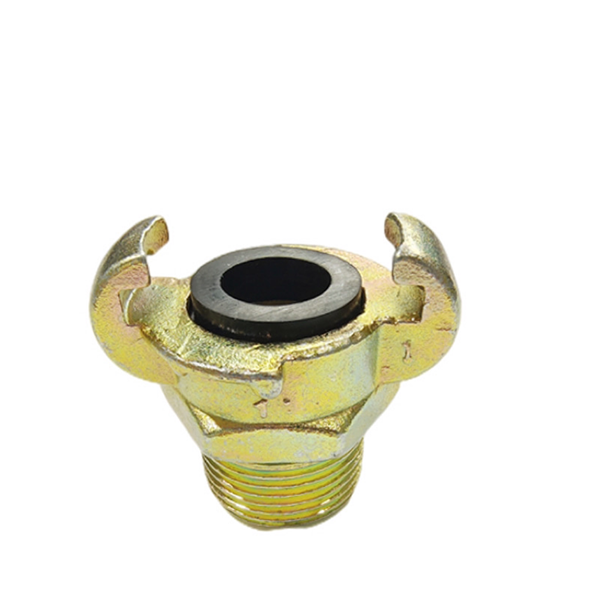
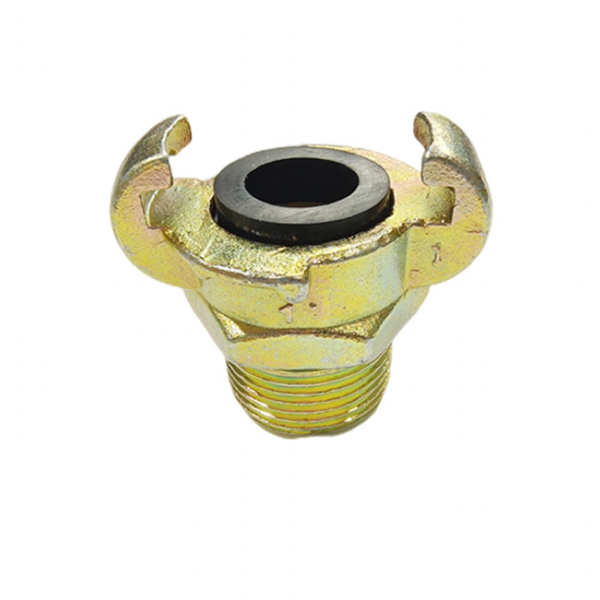
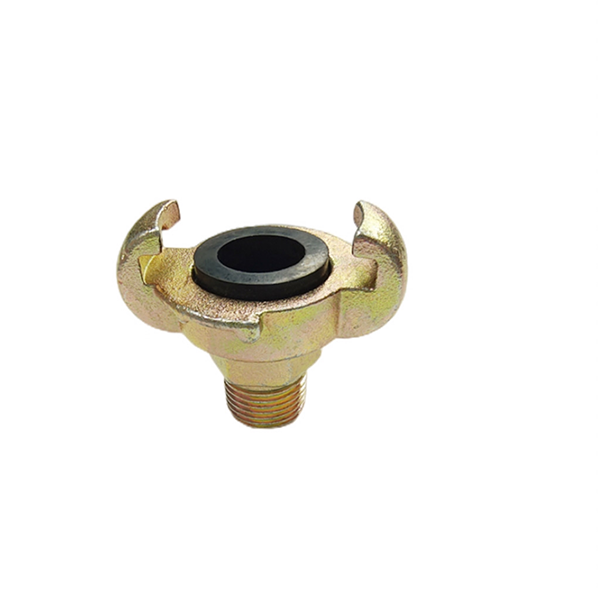
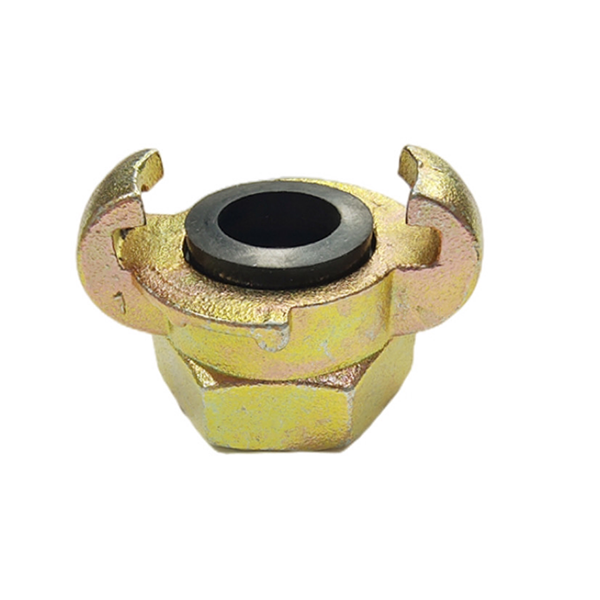
Also pay attention to the hose: the G10 spec calls for 19 mm inner diameter. That lines up with the practical guidance you gave: keep the hose clean, avoid leaks, and keep connectors firmly secured—because small airflow losses show up as weak impact fast.
3) “Why is the frequency only 16Hz—won’t that be slower?”
Not necessarily. 16Hz with 43J is a “heavy hitter” style. In real breaking work, one strong strike that drives a crack deeper can beat several lighter strikes that just chip the surface.
So the G10 is aimed at deep breaking, not delicate surface finishing.
4) “What are the biggest mistakes that shorten tool life?”
Your notes basically list the top three, and they’re worth saying plainly:
No empty striking : don’t run it without the chisel pressed into material.
Avoid jamming the chisel: don’t bury it so deep that it locks; if it sticks, don’t wrench the whole jack hammer violently.
Keep airflow healthy: correct hose size, clean line, tight couplings—loose fittings and dirty hoses are silent performance killers.
5) “How often should I oil it and clean it?”
Your maintenance schedule is very practical, and it’s what experienced crews follow:
Oil before use (pneumatic tools need lubrication from the start)
During work: add oil about every 2 hours (you also mentioned 2–3 hours; either way, keep it regular)
Weekly disassembly/cleaning, then dry, re-oil, and assemble
After long use (you mentioned 8 hours+ cumulative), do a proper cleaning cycle
If stored idle for a week, oil for storage before putting it away
This routine is especially important on a long-stroke tool like the G10 (155 mm stroke), because good lubrication keeps the internal motion smooth and reduces wear.
6) “What should I check before starting work?”
Your operation procedure reads like jobsite reality. A solid pre-check looks like:
Work area safety check
Blow debris out of the air hose, confirm good airflow
Check the tool head and connections for cleanliness
Confirm the chisel tail and sleeve fit correctly (no bad alignment, no excessive clearance)
Insert the chisel cleanly and secure it properly
During work, watch for loose connections and protect the hose from kinks or damage
Wrap-up: Who the G10 is for
The G10 Pneumatic Air Pick Hammer is a straightforward, heavy-duty Pneumatic jack hammer built for people who need real breaking force in a tool they can still carry and control. The specs tell the story:
43J impact energy for tough material
155mm stroke and 38mm piston to back that power up
16Hz heavy-blow rhythm suited for deep breaking
0.63MPa, 26L/s, and a 19mm air hose setup that needs proper airflow to perform
11kg weight and 570mm length for stability and leverage
If your customers are doing thick concrete, road repair, heavy masonry, or industrial maintenance—and they want a hand held jack hammer that feels like it’s actually making progress—the G10 fits that job description really well.