



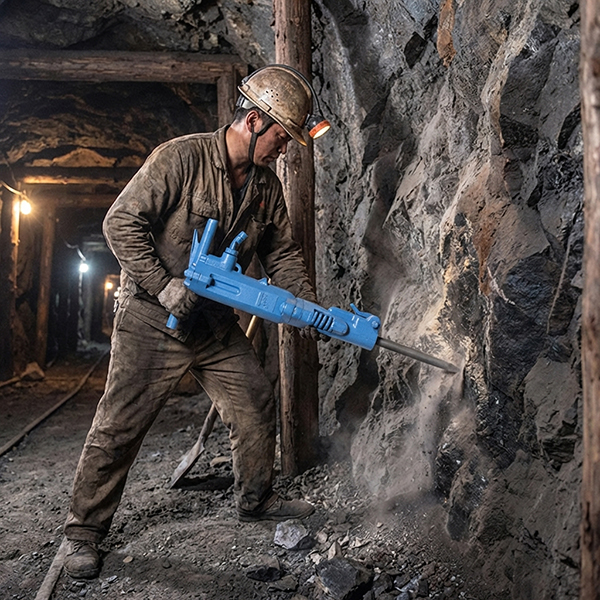
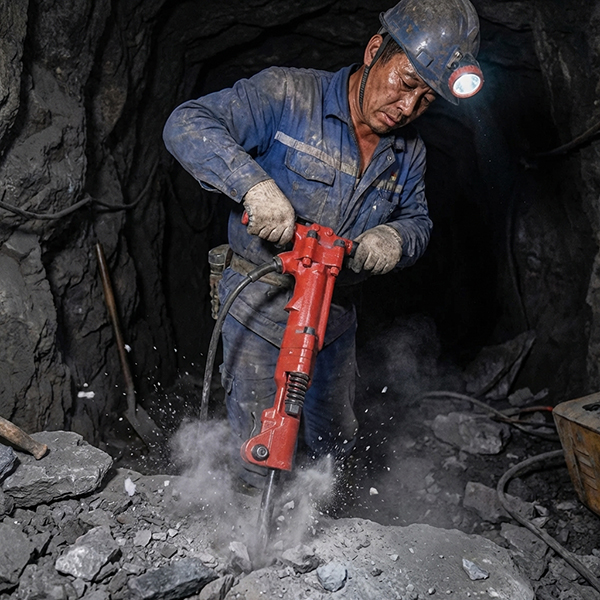
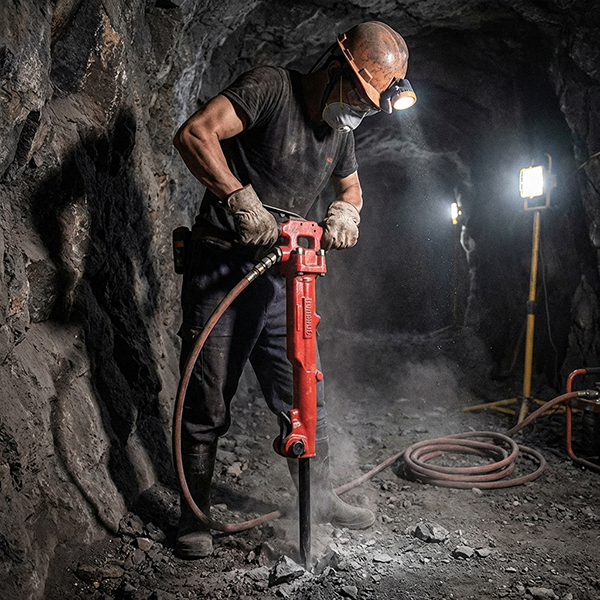
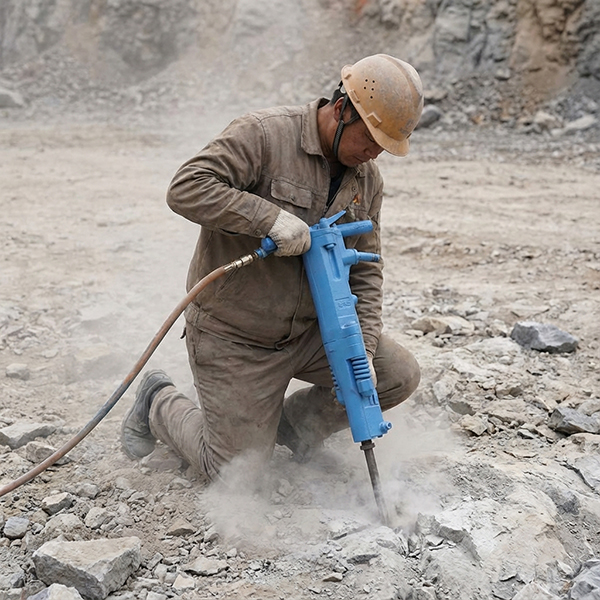
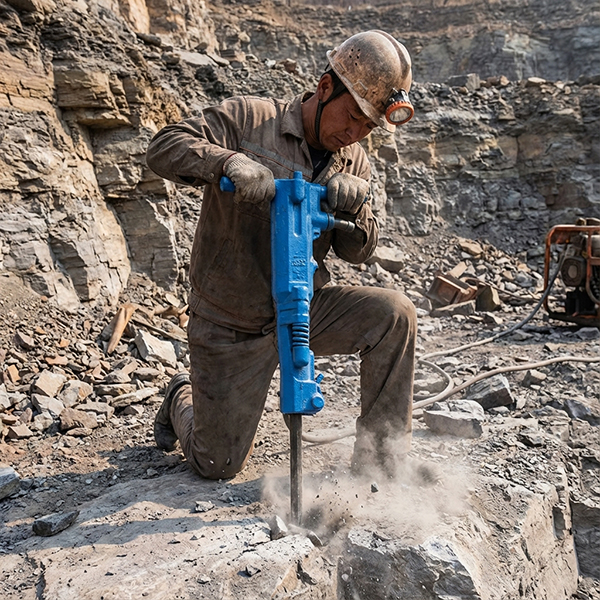
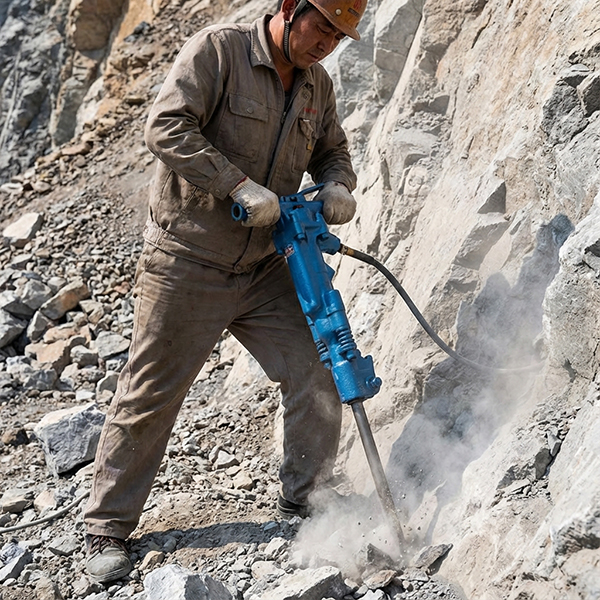
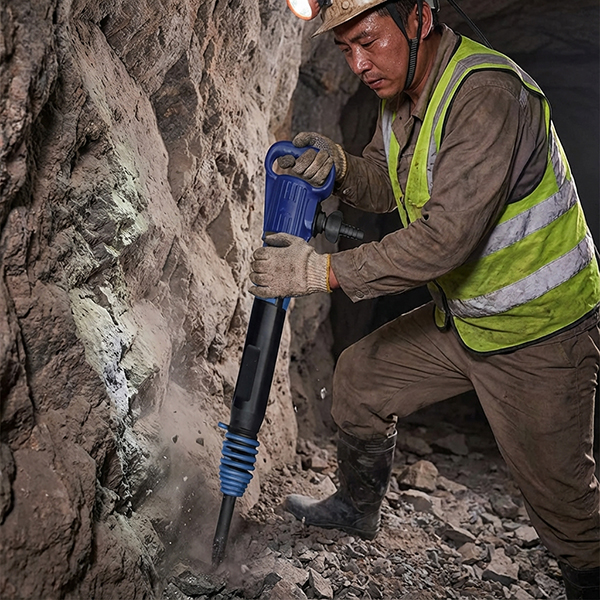


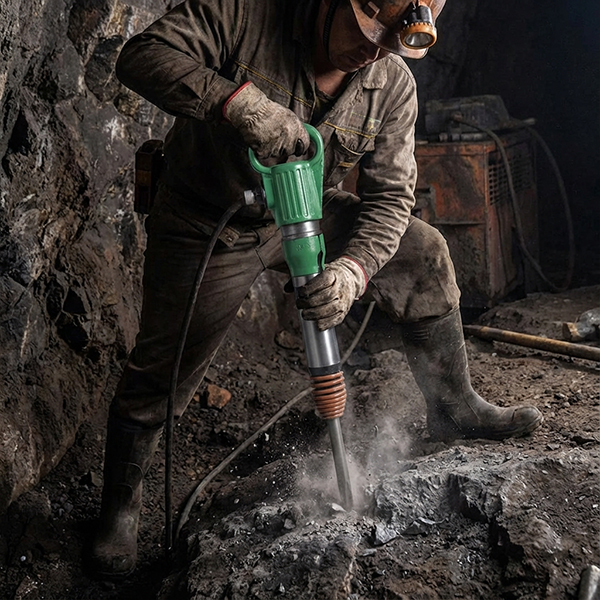
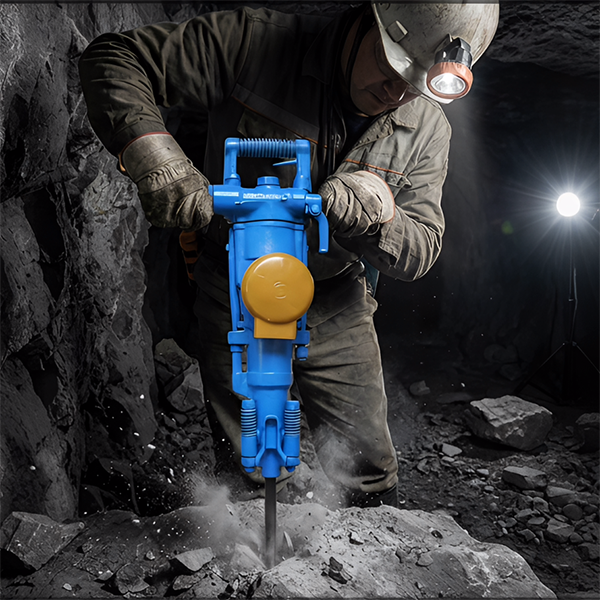

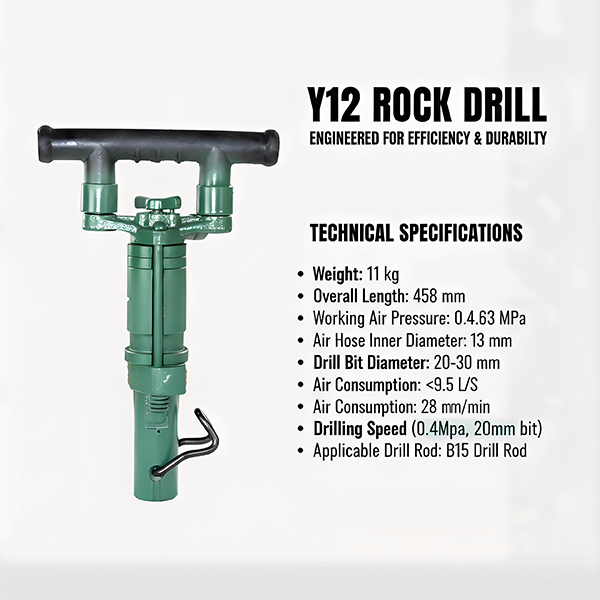
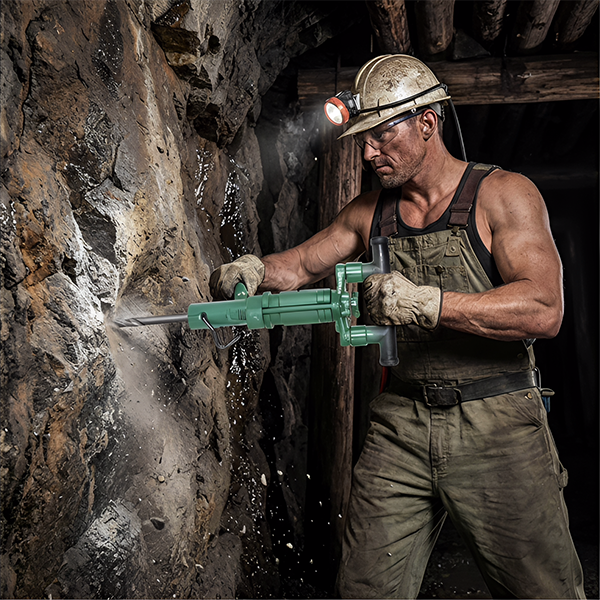
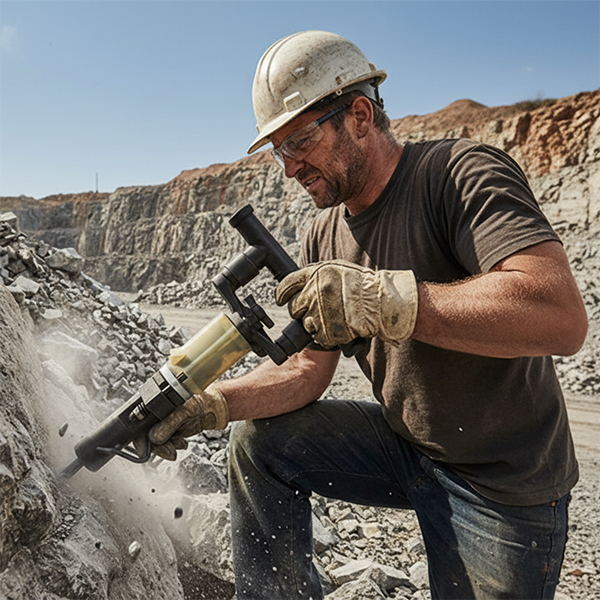
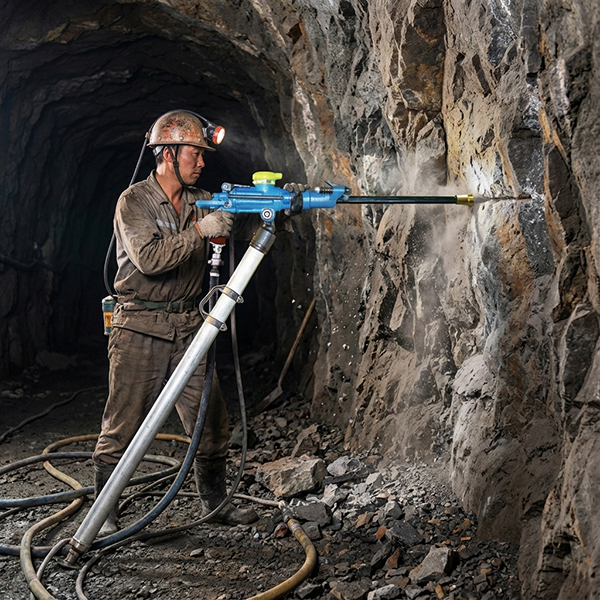

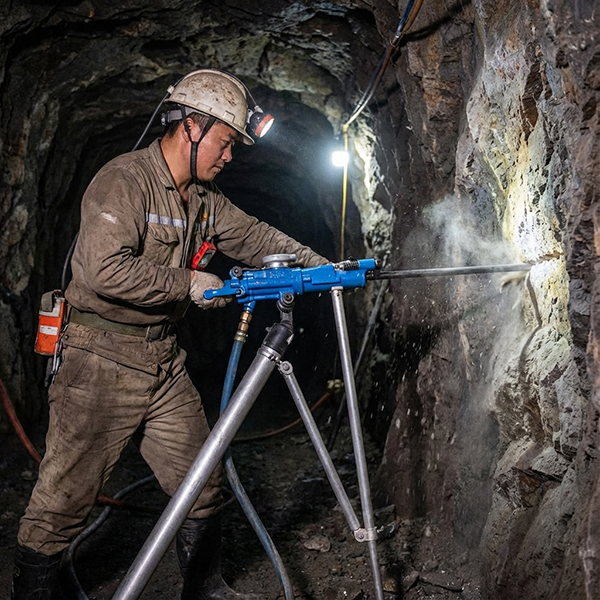
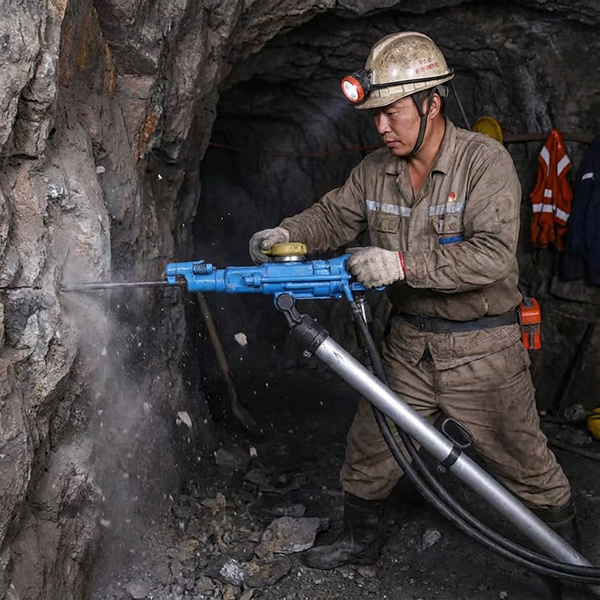

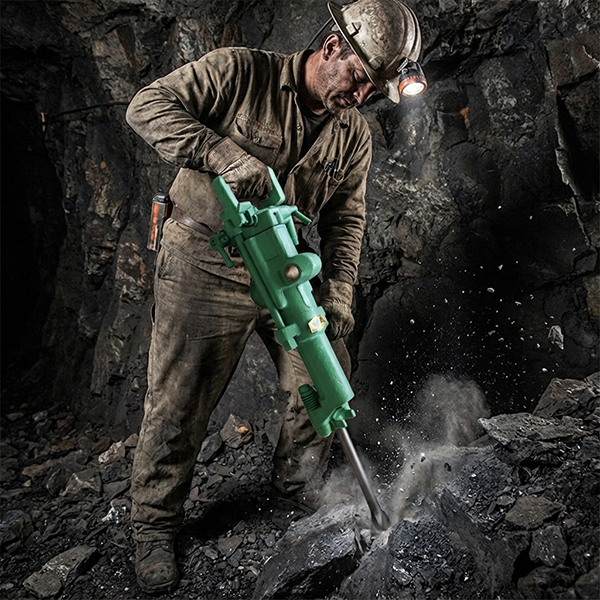
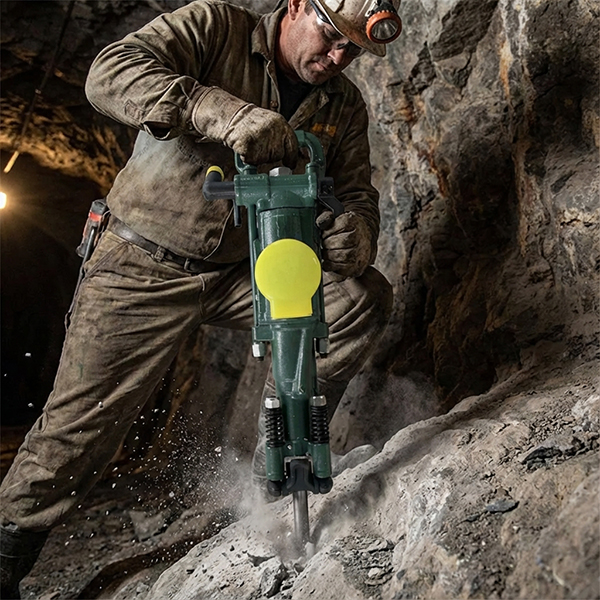
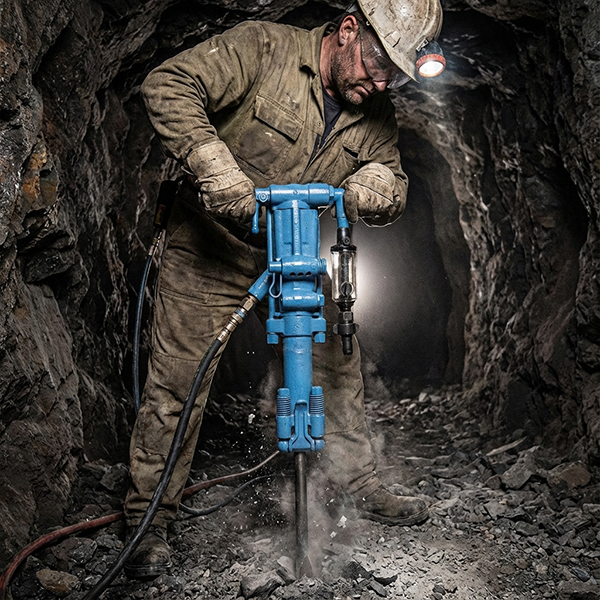
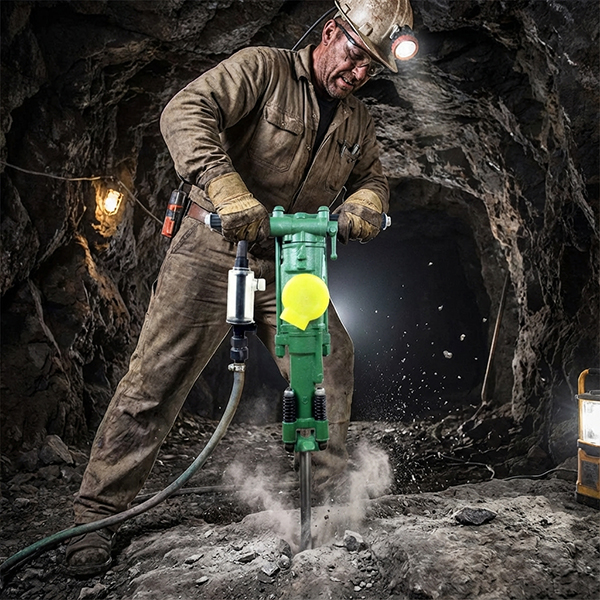
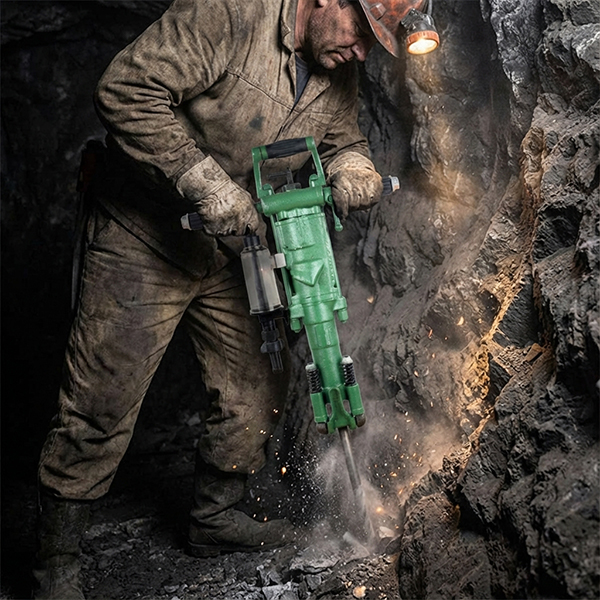
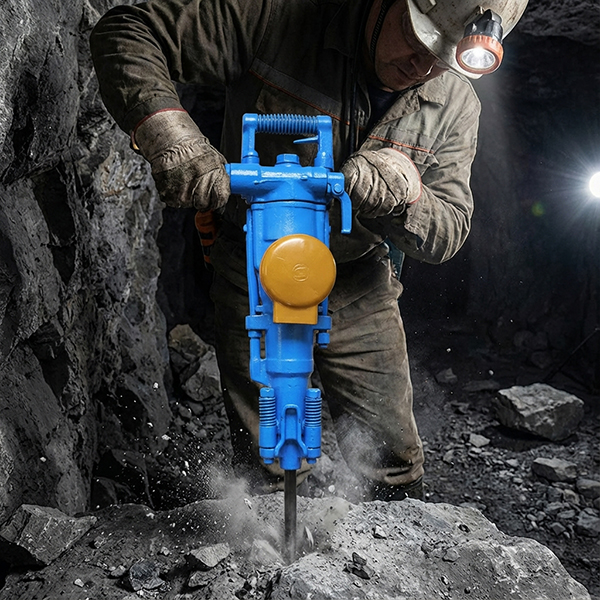
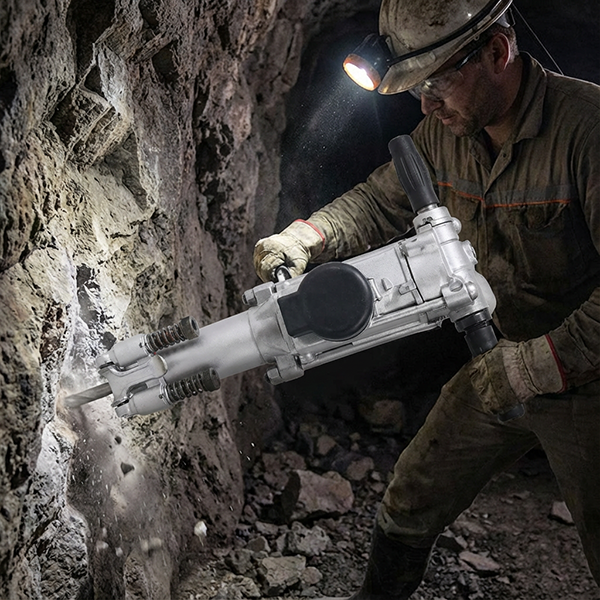
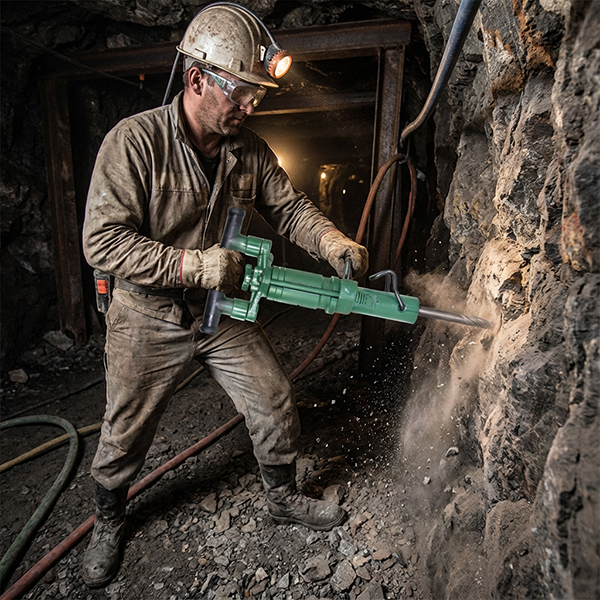
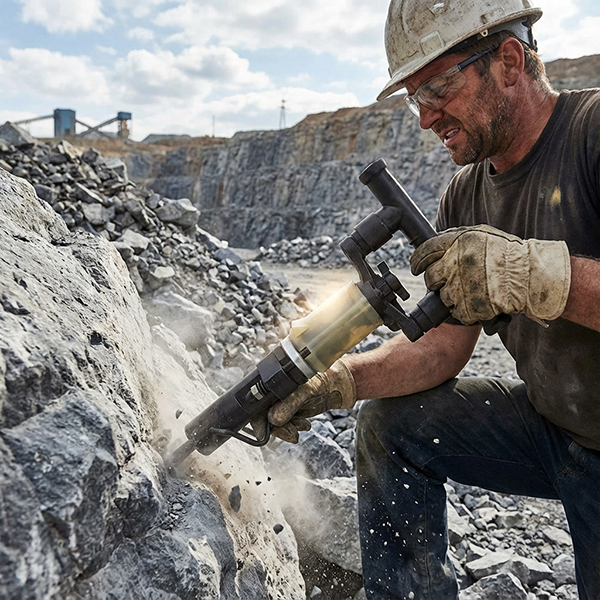
I. Pre-Work Precautions
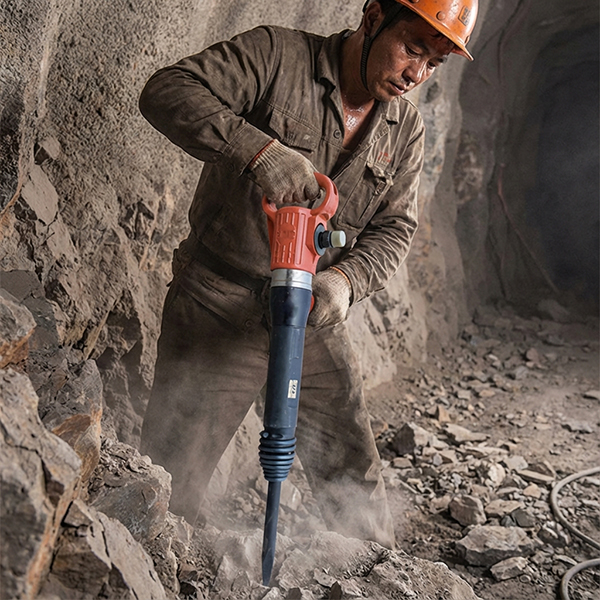
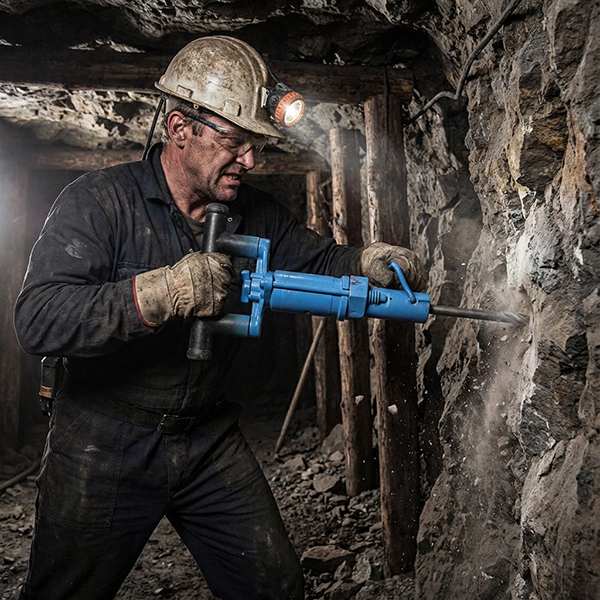
Inspect face safety conditions and carry out roof and sidewall sounding.
Check airflow volume and blow out debris from the hose.
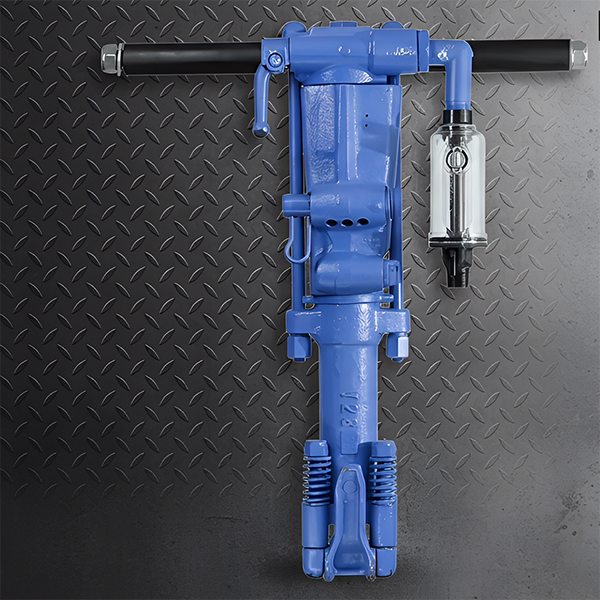
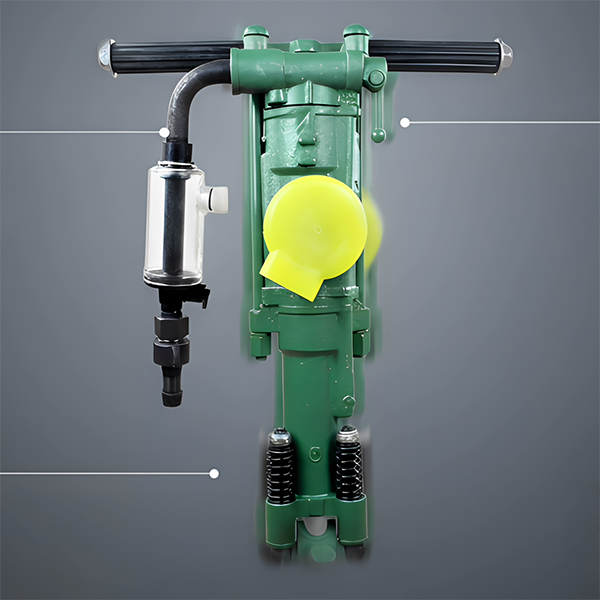
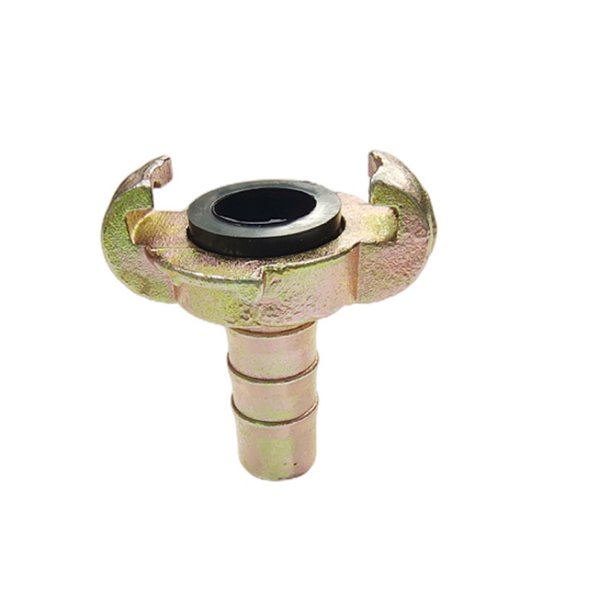
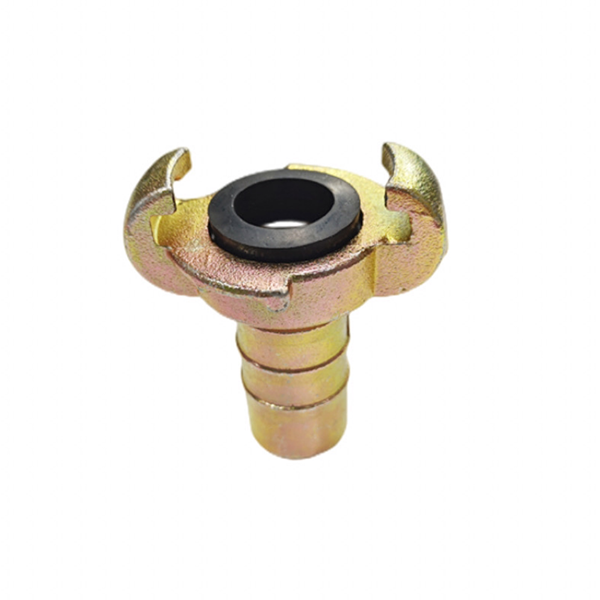
Check whether the filter screen at the hose coupling and the fixing steel sleeve in the air-pick head are clean.
Check whether the bit tail and steel sleeve are misaligned and whether the clearance is appropriate.
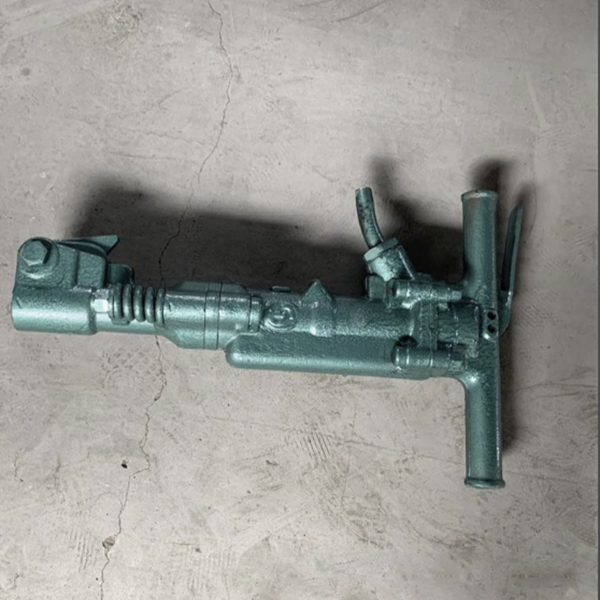
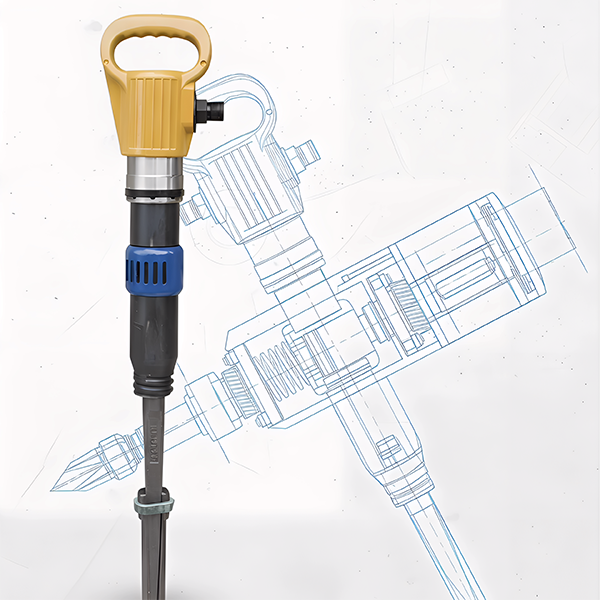
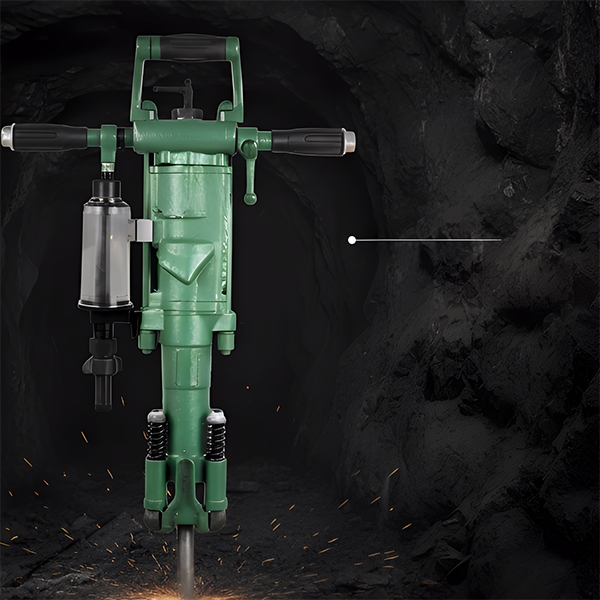
Clean the bit tail before insertion, then insert it into the air pick and secure it with the spring.
II. Precautions During Operation
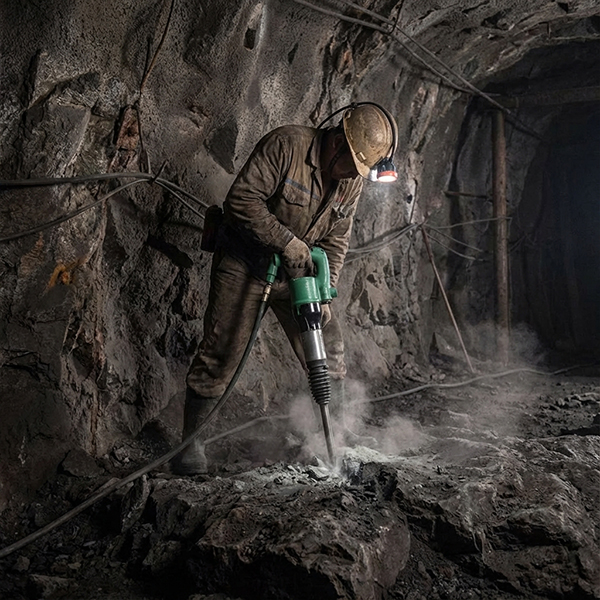
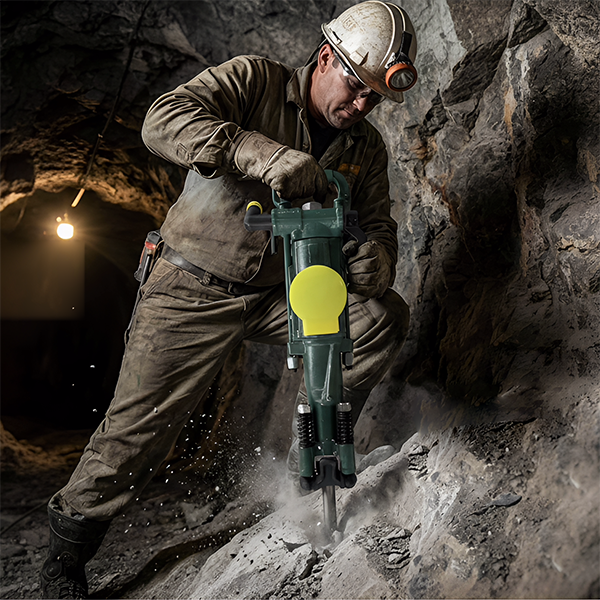
During continuous use, add lubricating oil as needed. While oiling, prevent the tool from tipping over or being forcefully compressed and rebounding, which may injure personnel.
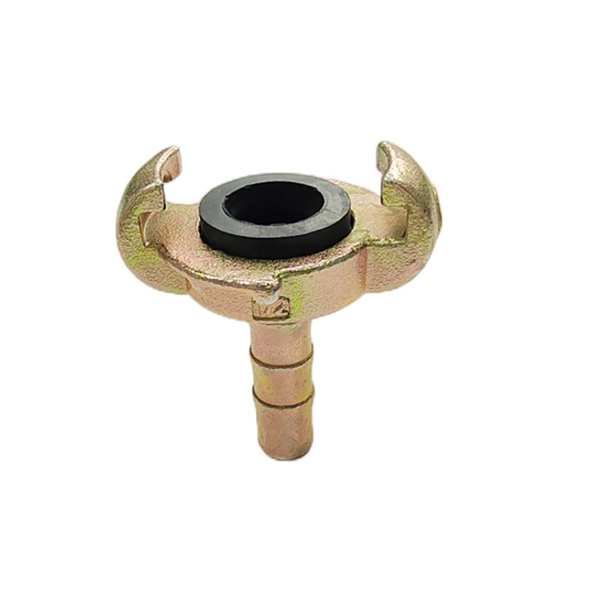
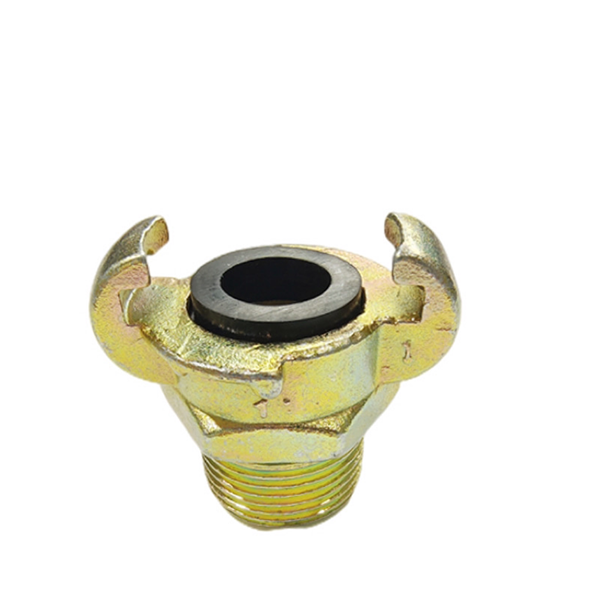
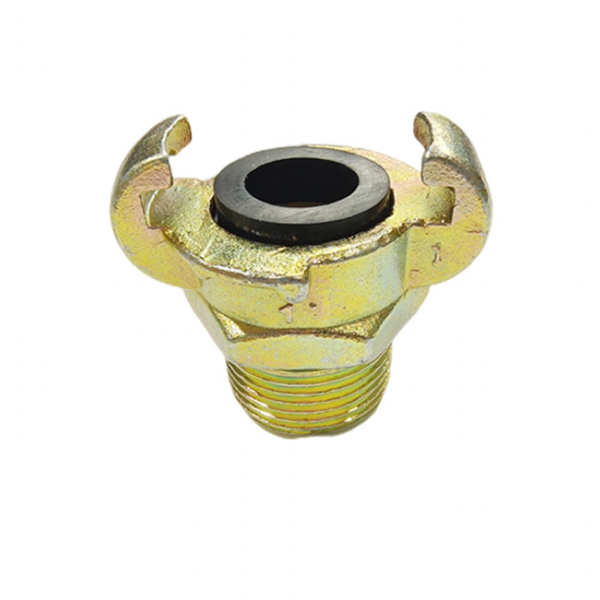
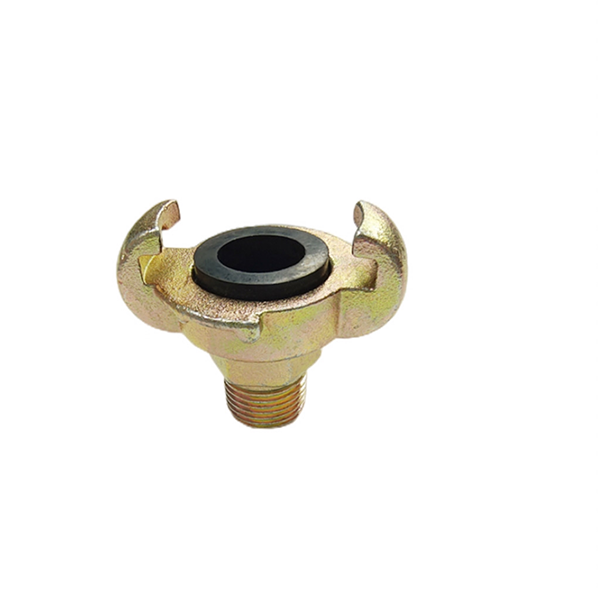
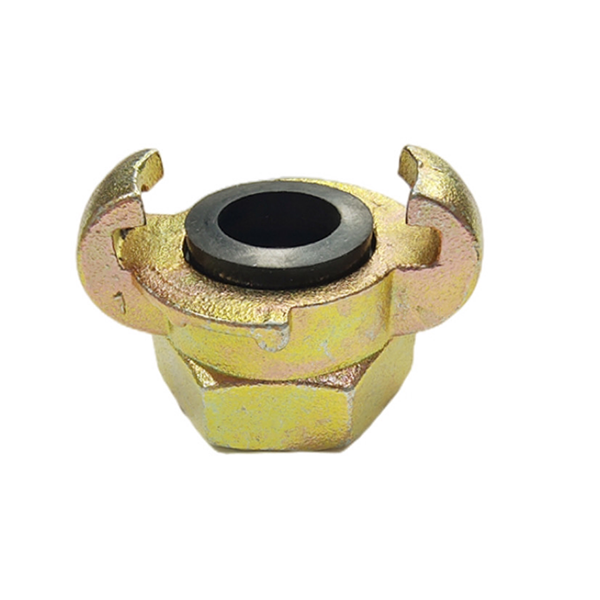
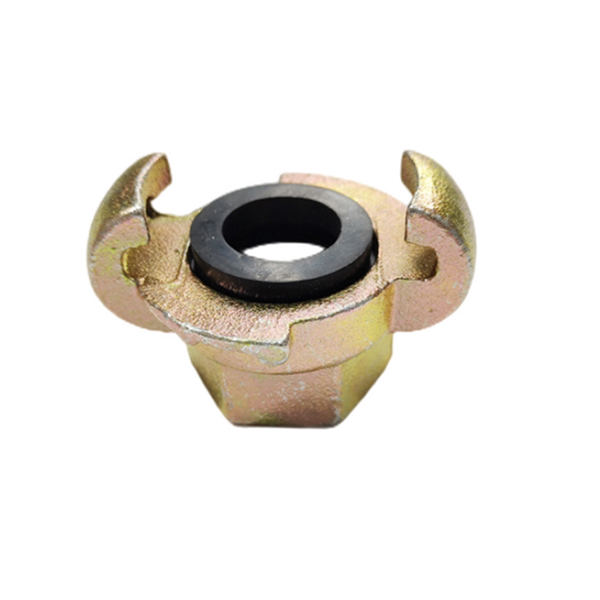
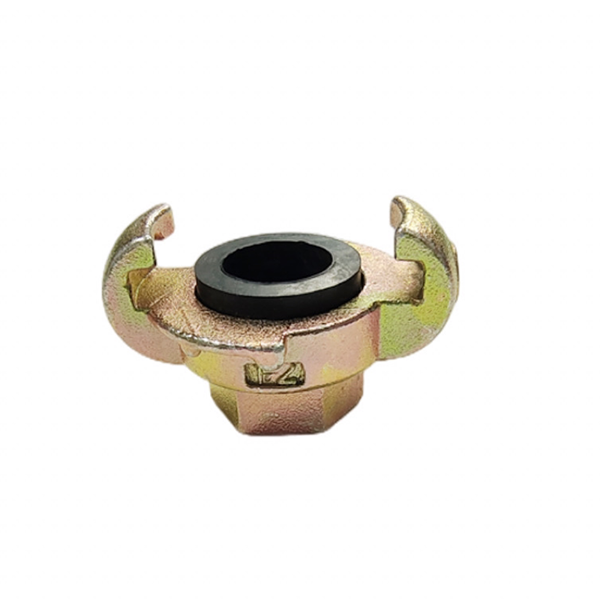
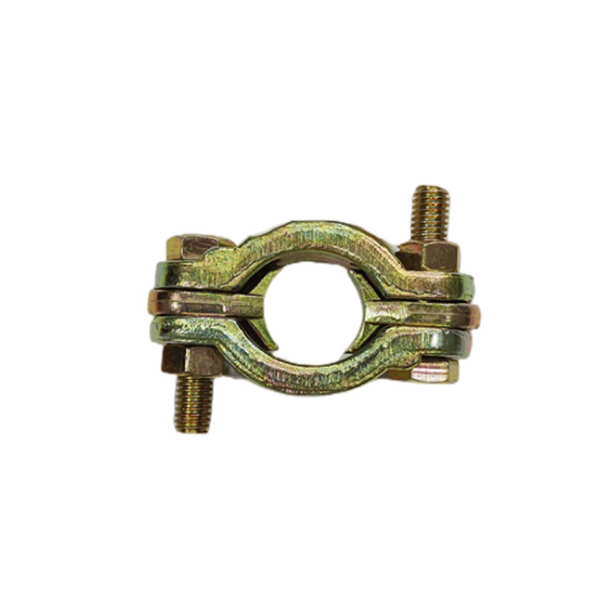
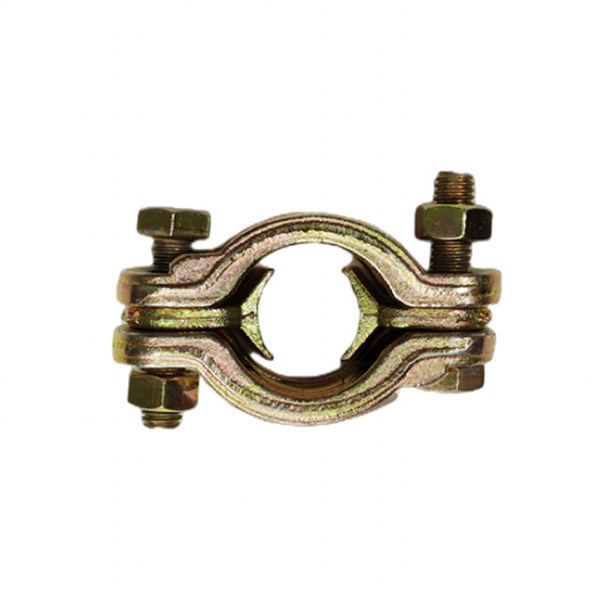
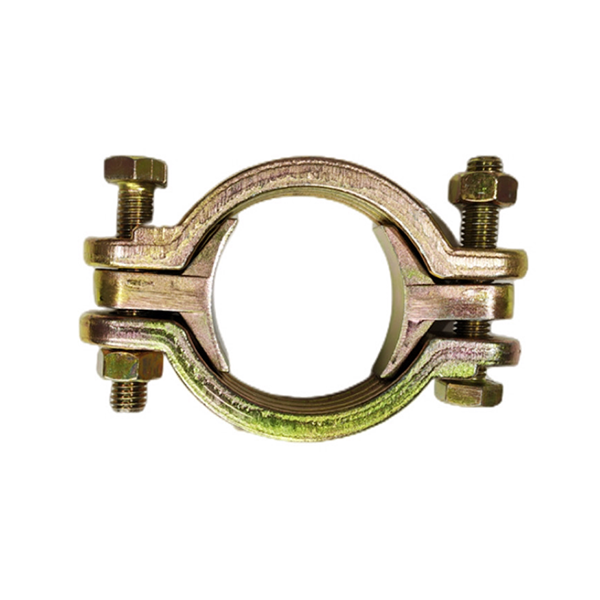
Continuously check whether hose joints and connecting pipes are loose or detached; tighten immediately when needed. High-pressure straight-through joints must be secured with U-clips, and wire must not be used as a substitute.
Keep hoses in good condition; avoid kinking, and prevent gangue or other objects from striking and damaging hoses, which may cause air leakage.
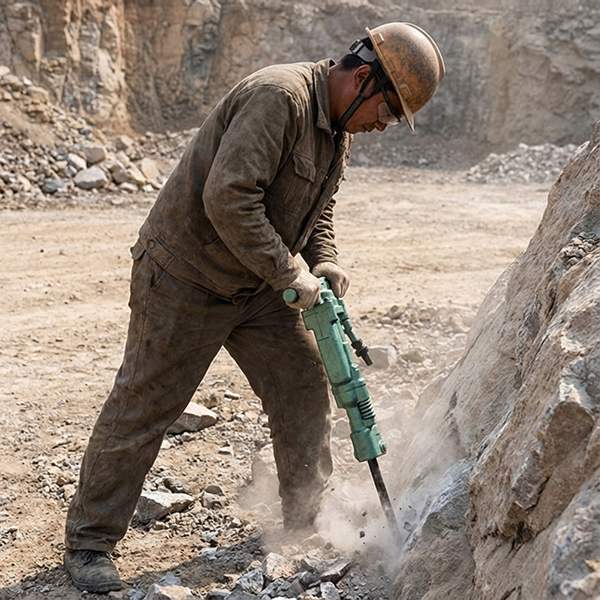
Prevent the bit from being jammed by rock. The insertion depth into rock must remain below the spring position of the air pick. Do not strike and pry rock simultaneously with the tool.
If the air pick malfunctions, send it promptly to the mechanical maintenance team for replacement or repair. Do not disassemble it arbitrarily at the work site.
III. Shutdown Requirements
Place the air pick in a safe location and prevent gangue or contaminants from entering the tool.
When removing the hose, wipe the exterior clean, add oil, and seal the air inlet with a wooden plug. Do not store the air pick in damp areas to avoid rust. When not in use, send it promptly to the mechanical maintenance team for cleaning and safekeeping.