
Underground metal mining is a systems engineering project that covers development, stope preparation, and ore extraction, and blasting is required at every stage. For this reason, safe and efficient blasting remains a core research topic for mining professionals.
Today, metal mines are in a critical transition phase: from shallow to deep deposits, from easy to difficult mining conditions, and from high-grade to low-grade ores. This shift brings entirely new challenges in theory, technology, and equipment. Against this backdrop, research on key underground mining technologies has become especially important. At present, major advances are concentrated in five areas: rock drilling and blasting, transportation and hoisting, rock mass reinforcement, paste backfilling, and remote control. This review outlines the development trajectory and latest progress in each area.
1. Rock Drilling and Blasting Technology
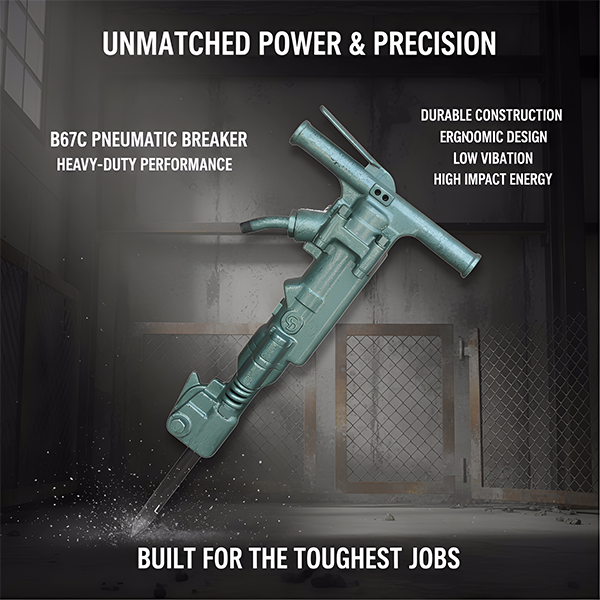
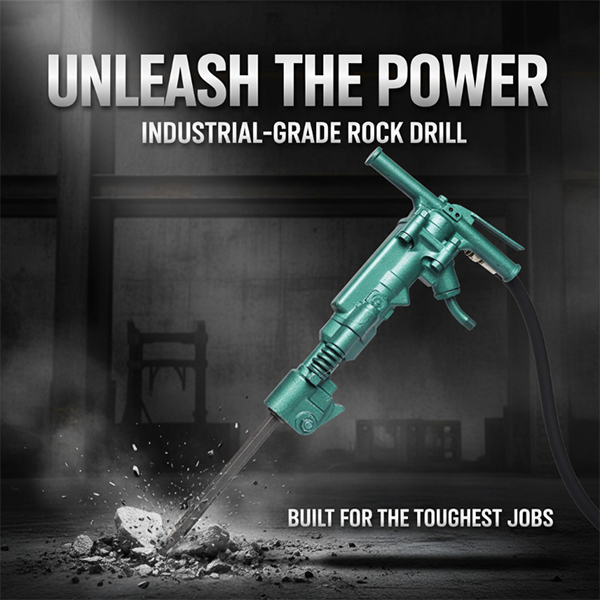
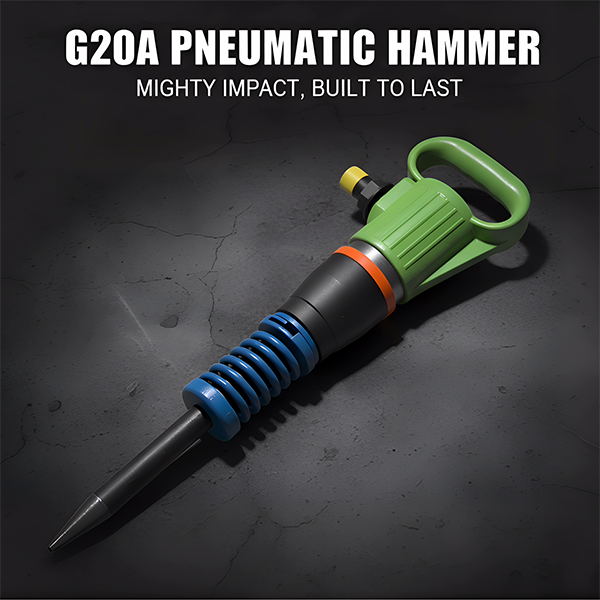
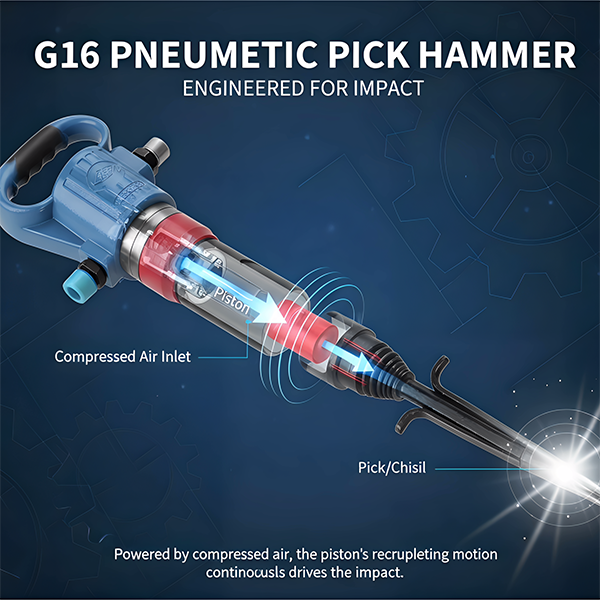
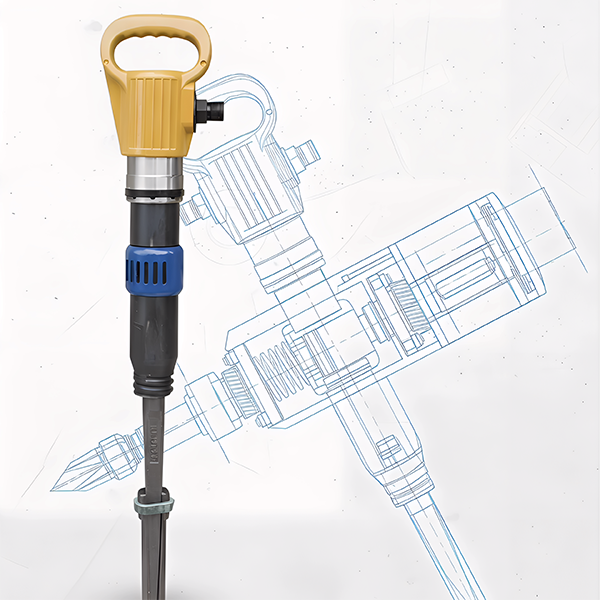
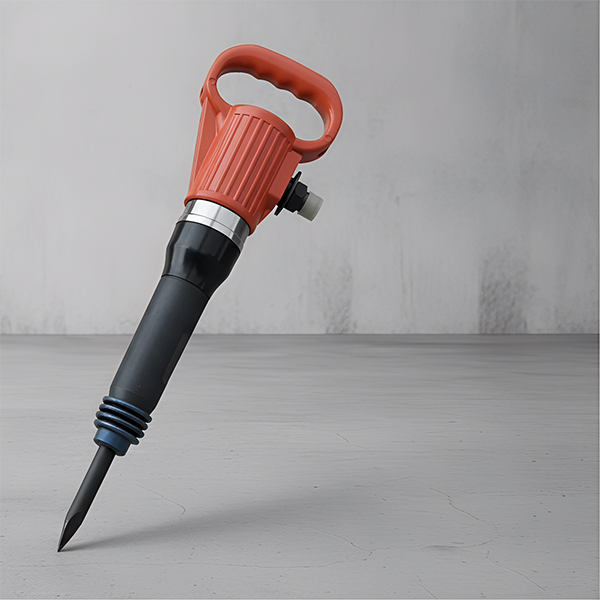
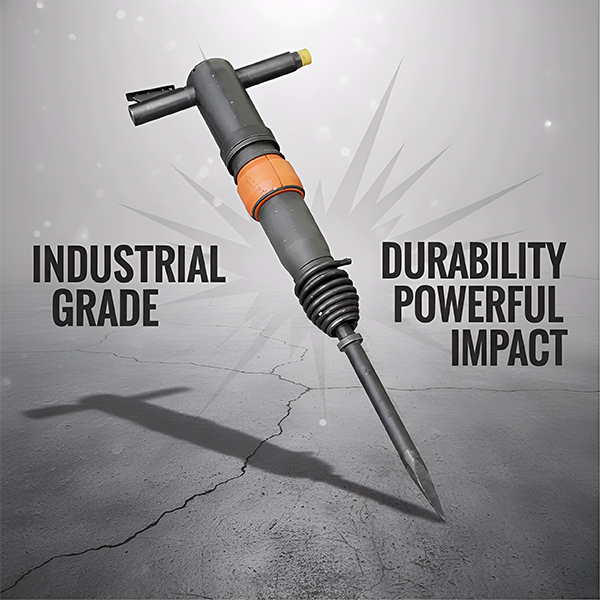
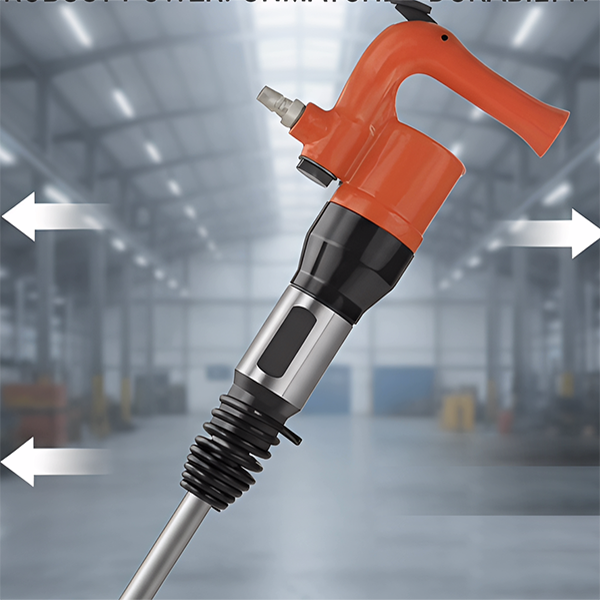
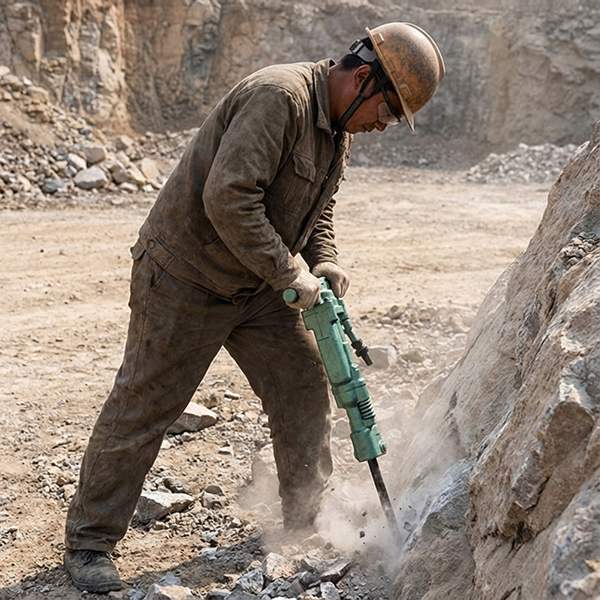
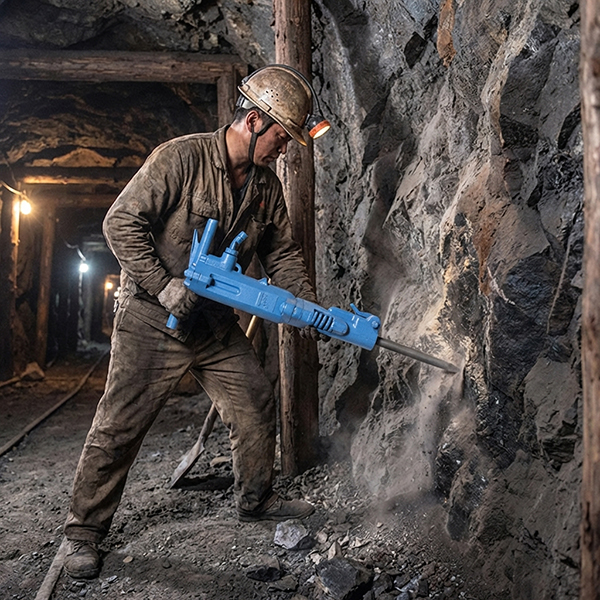
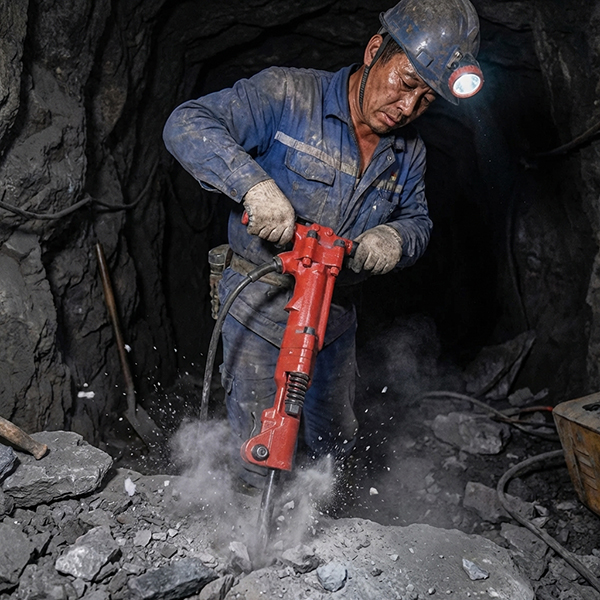
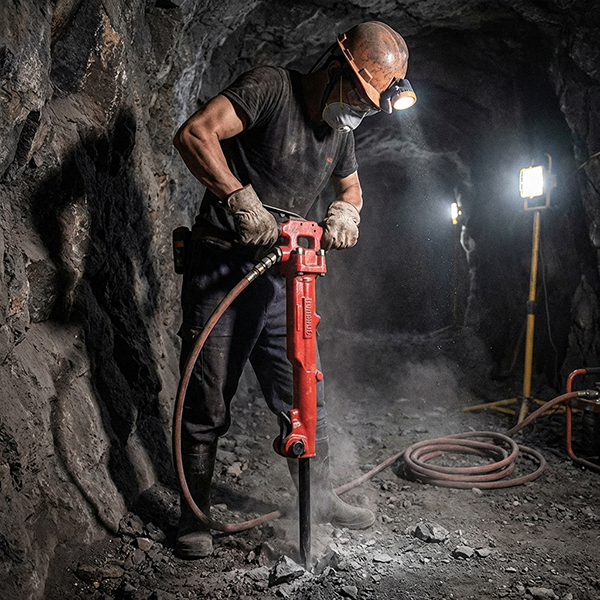
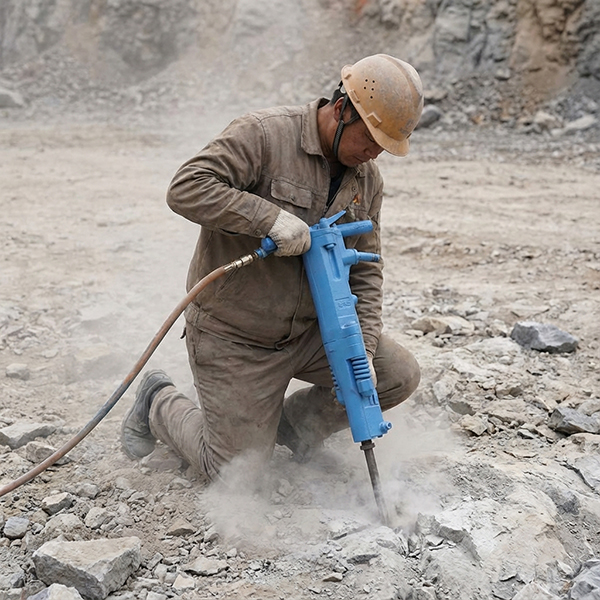
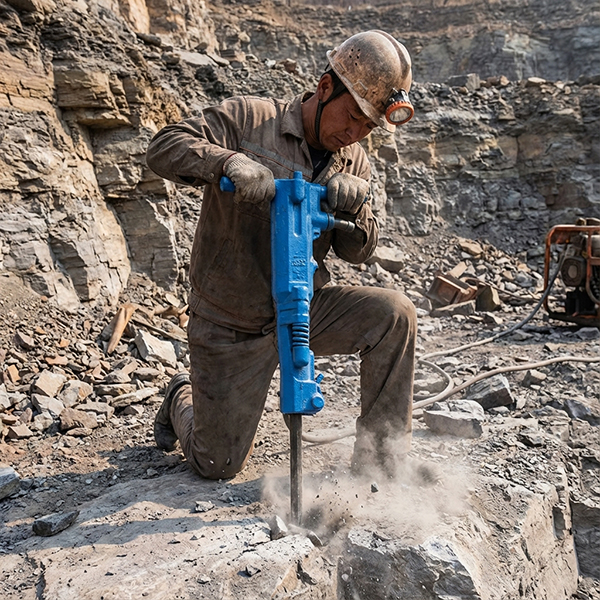
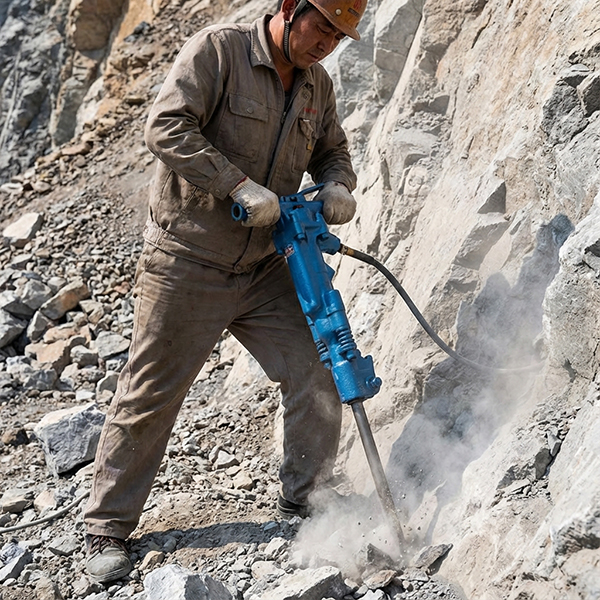
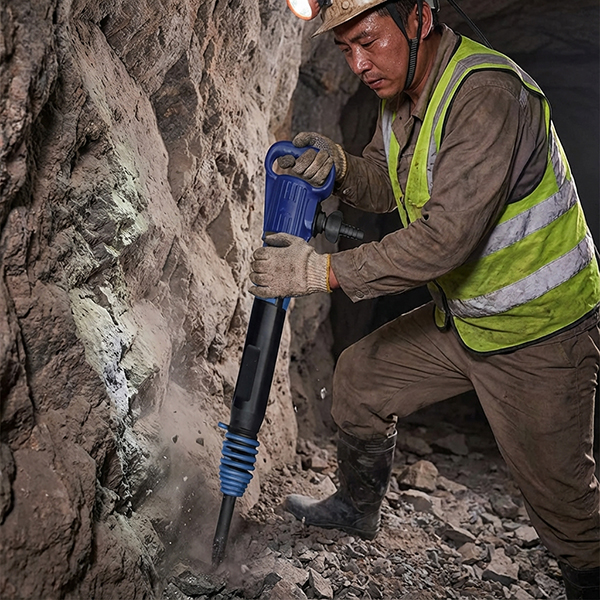
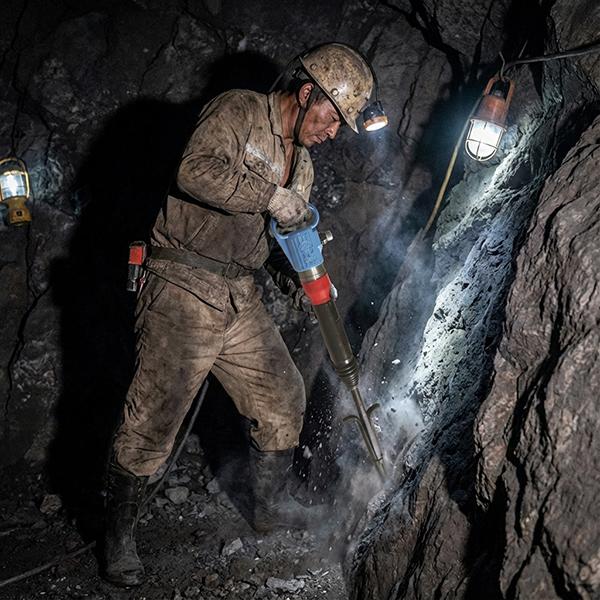
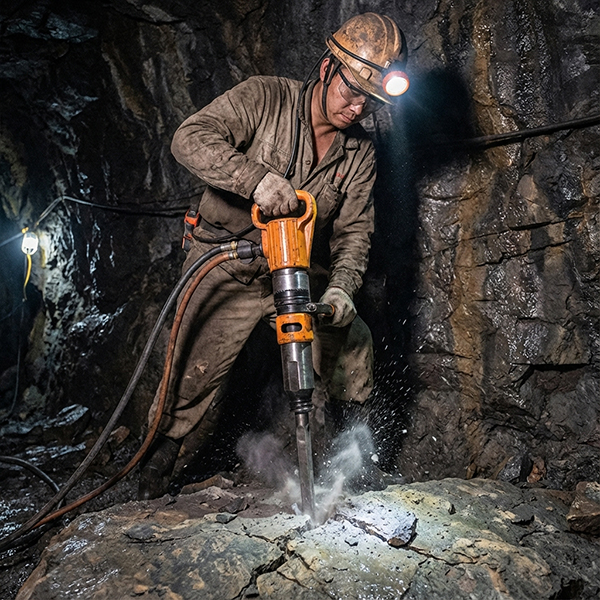
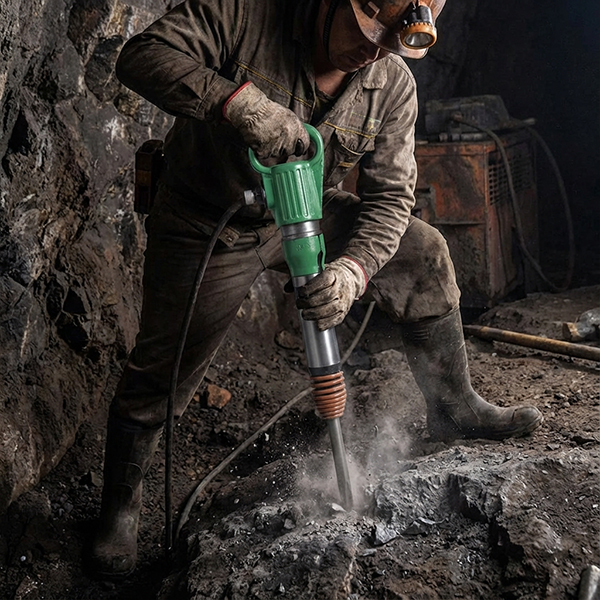
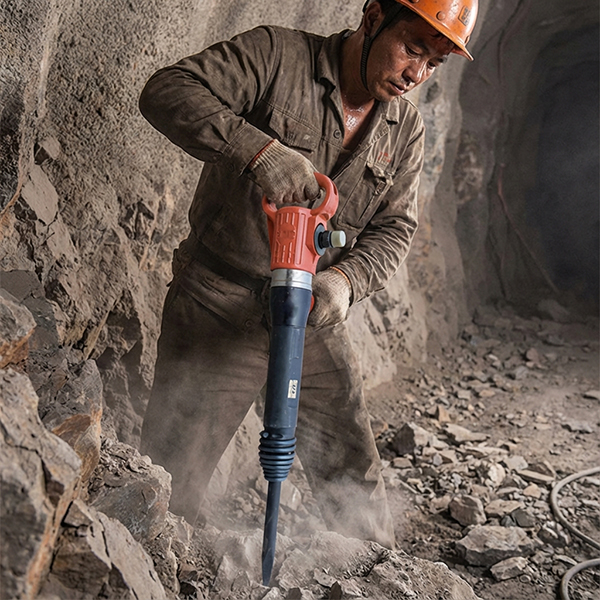
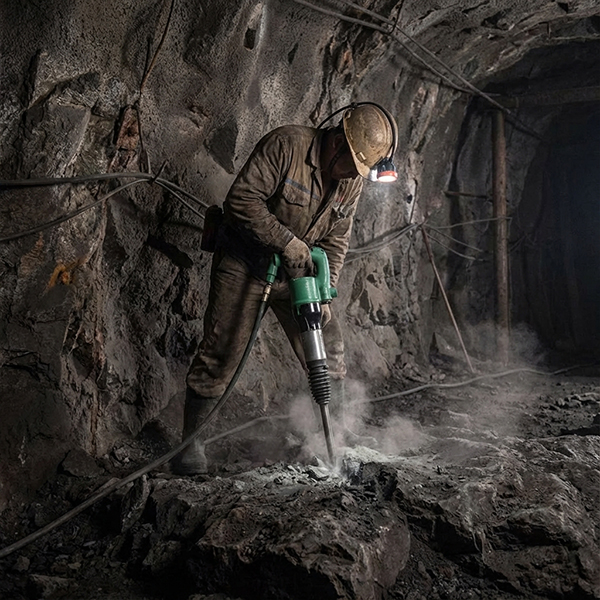
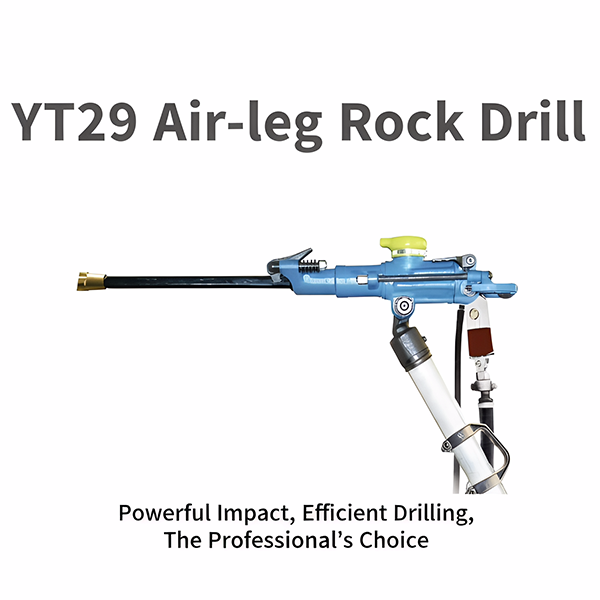
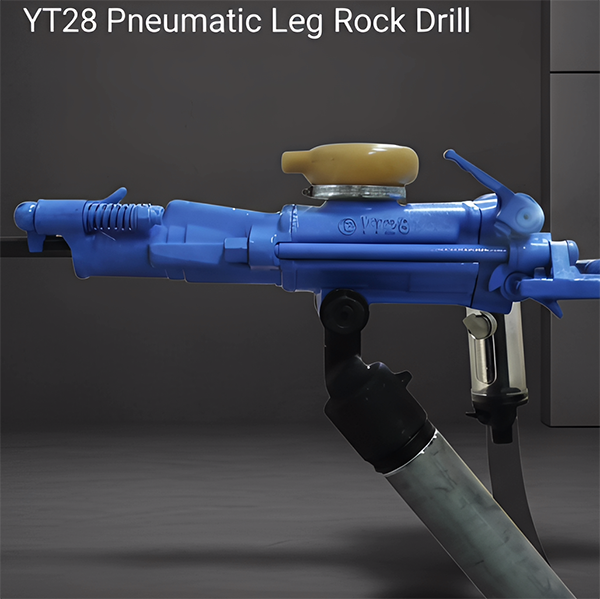
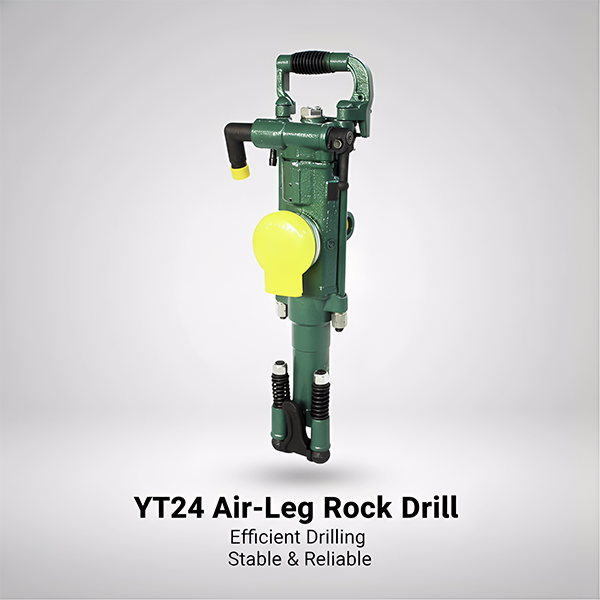
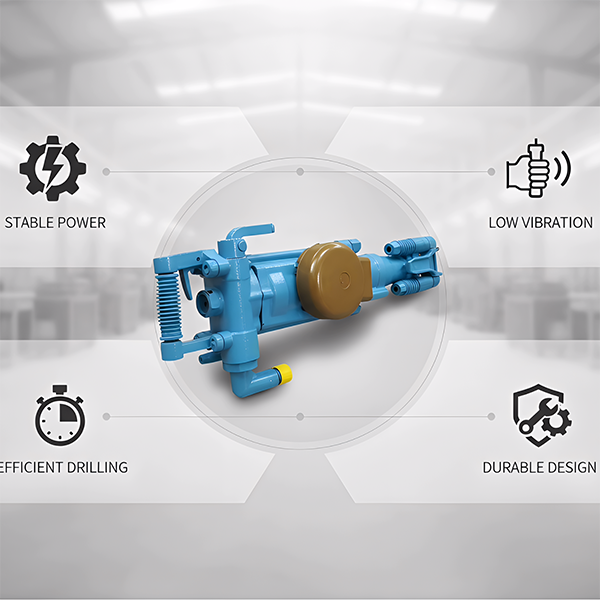
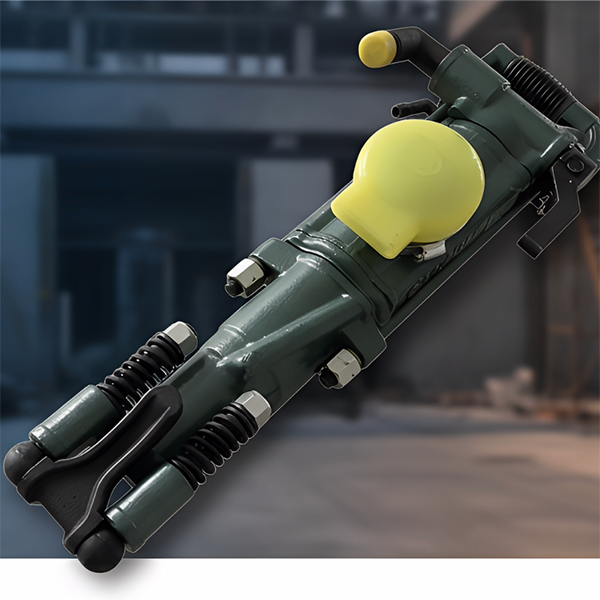
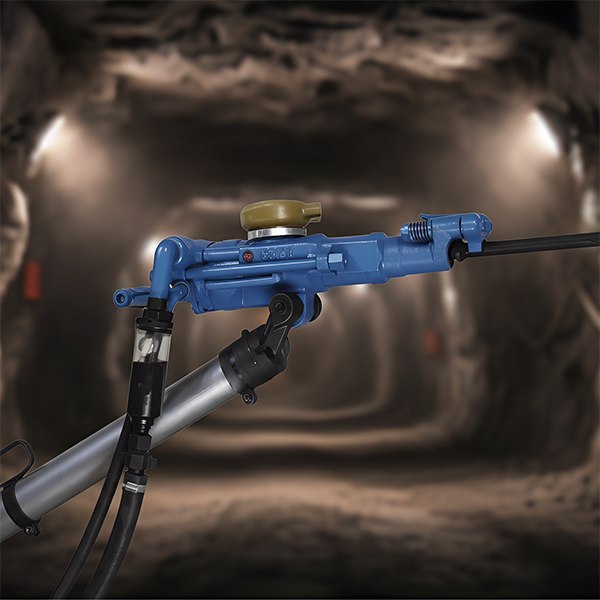
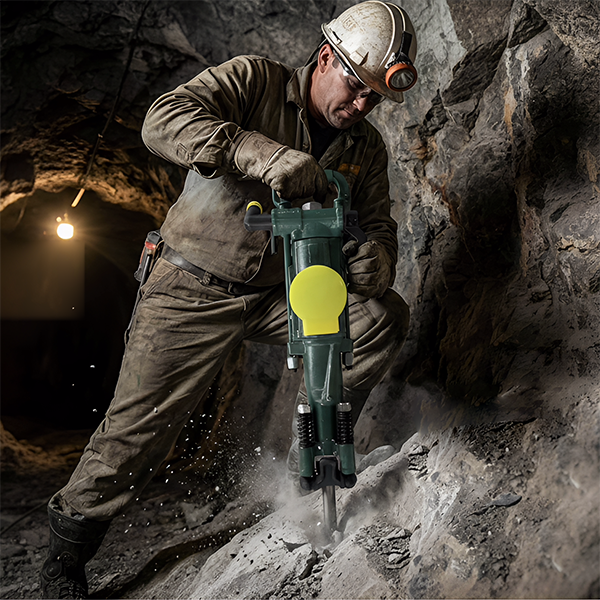
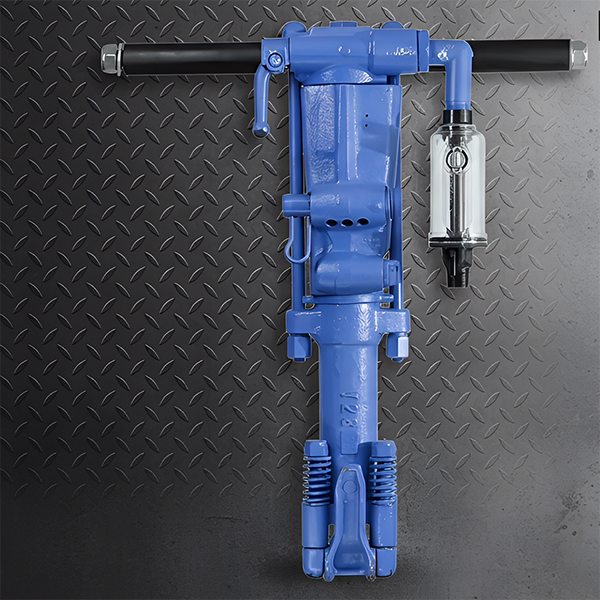
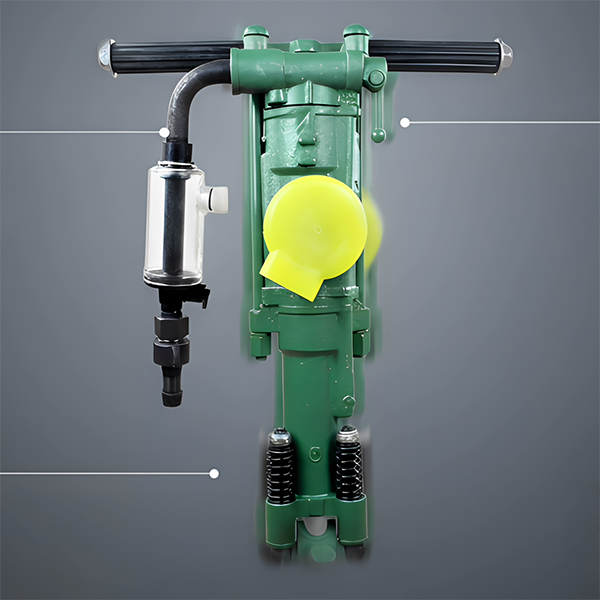
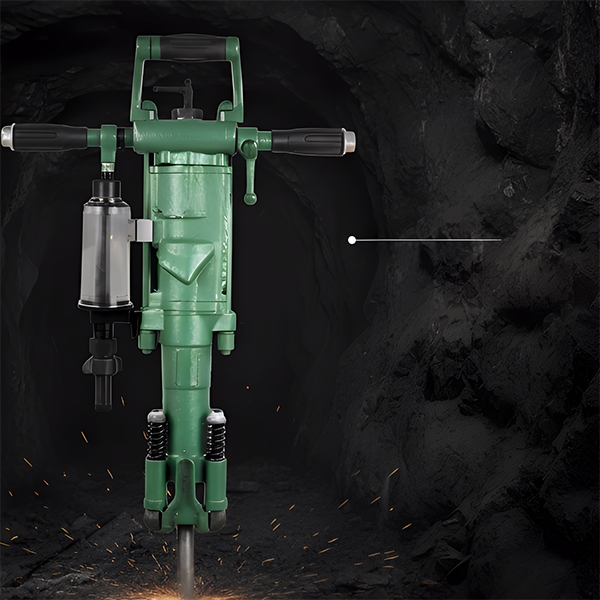
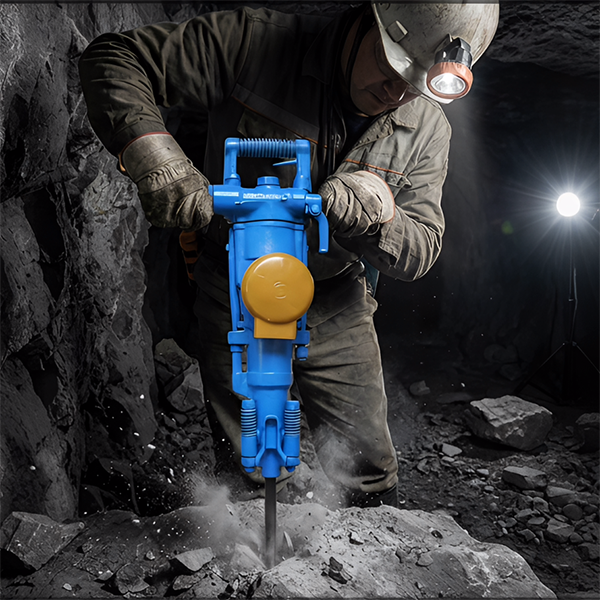
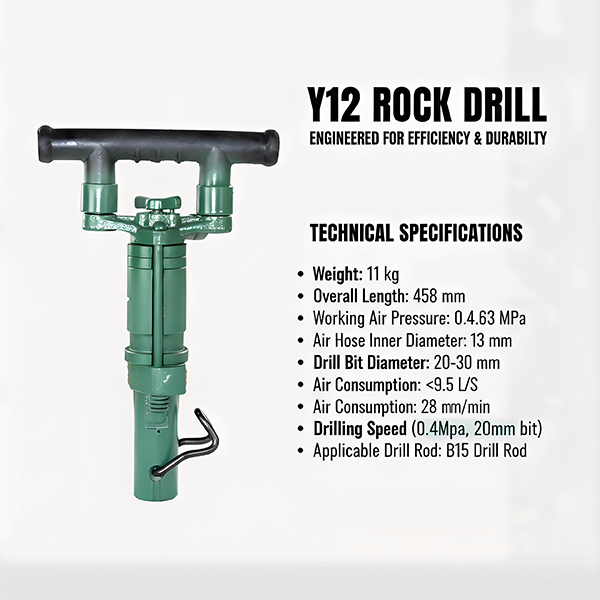
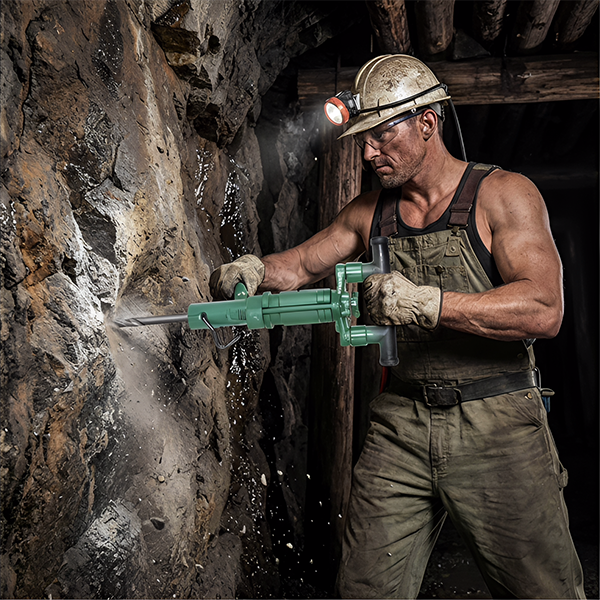
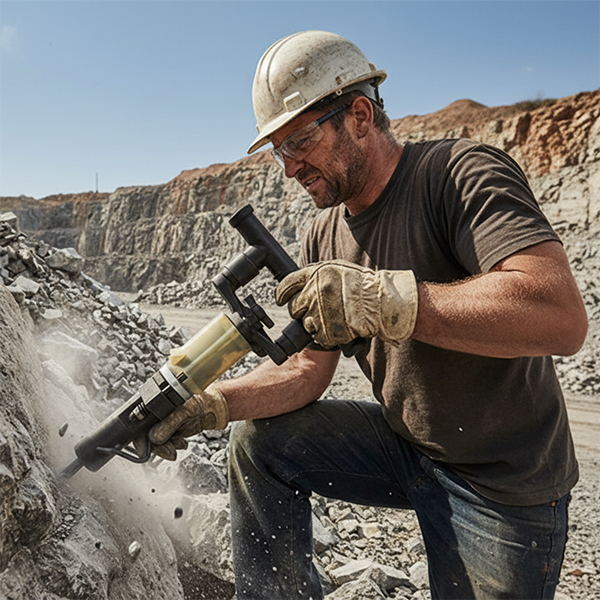
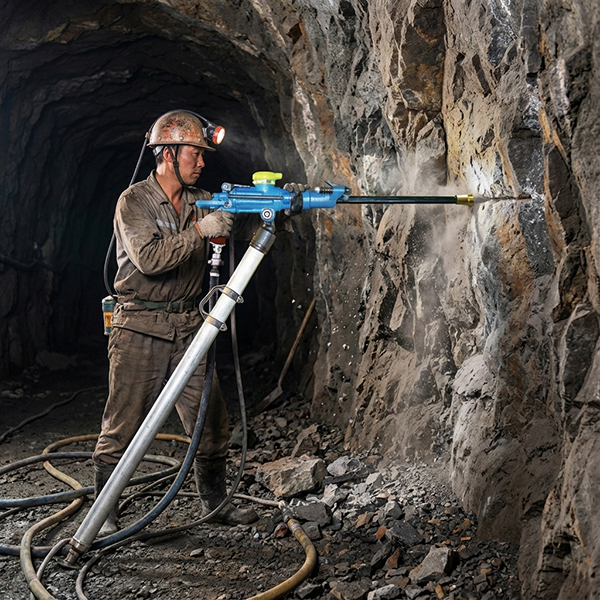
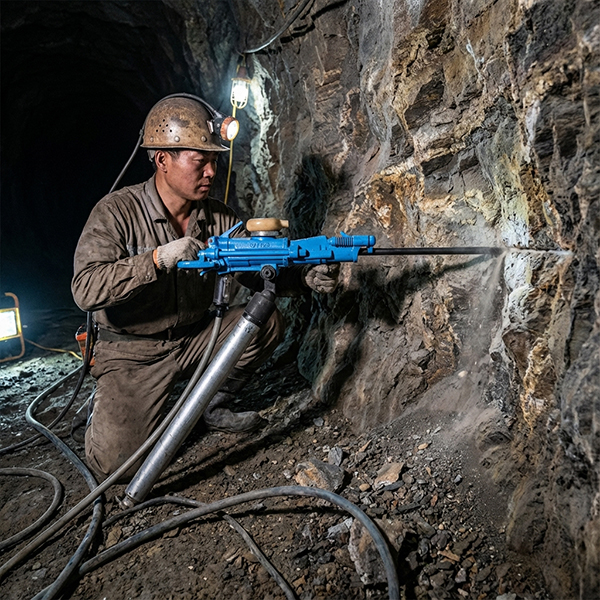
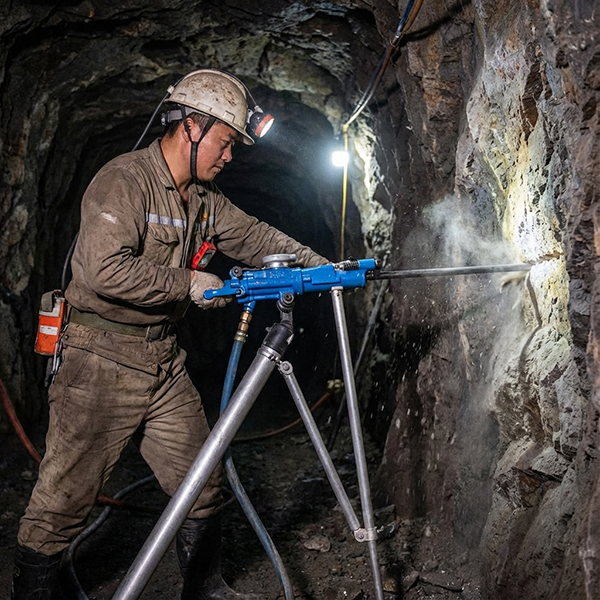
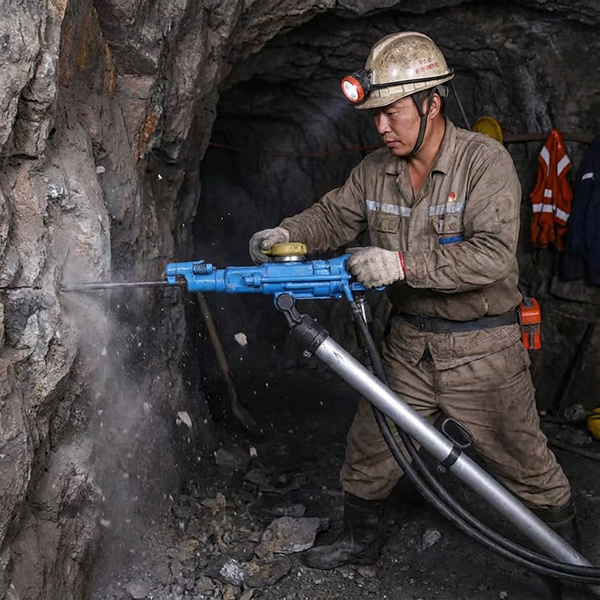
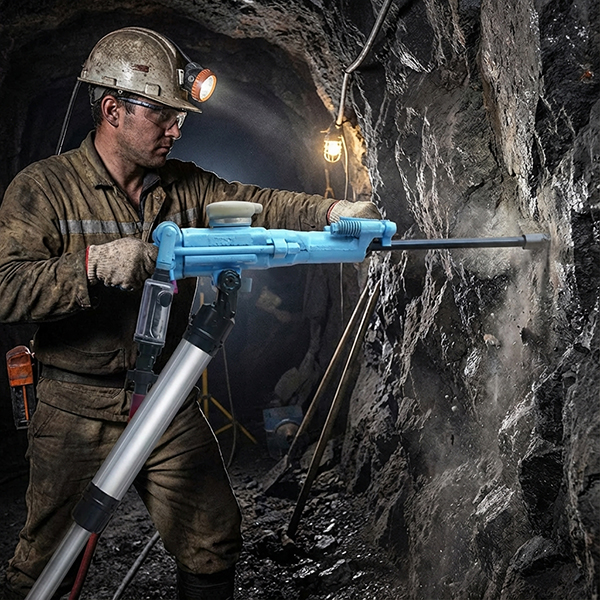
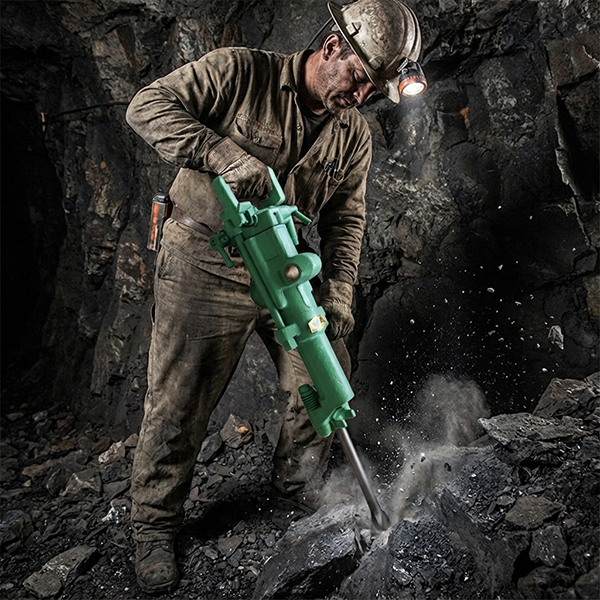
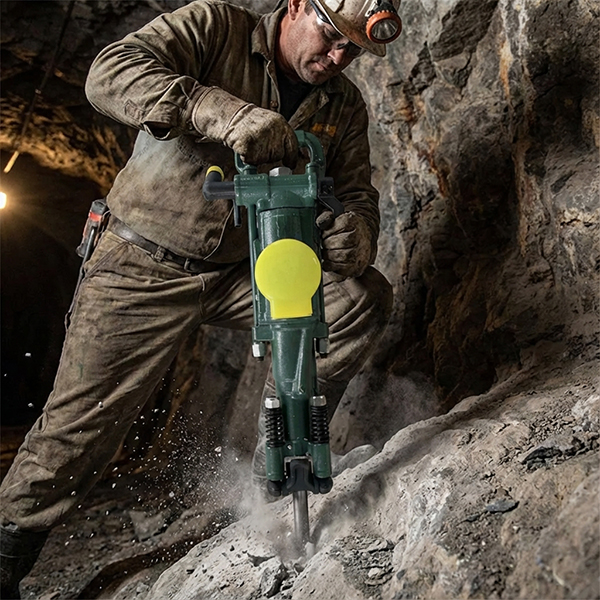
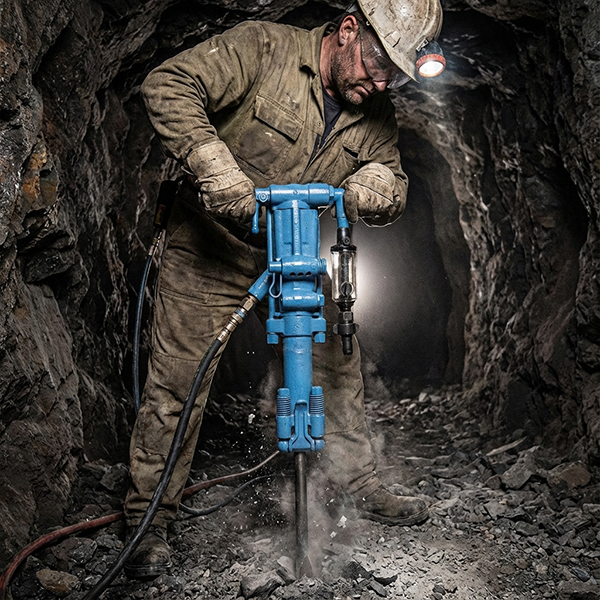
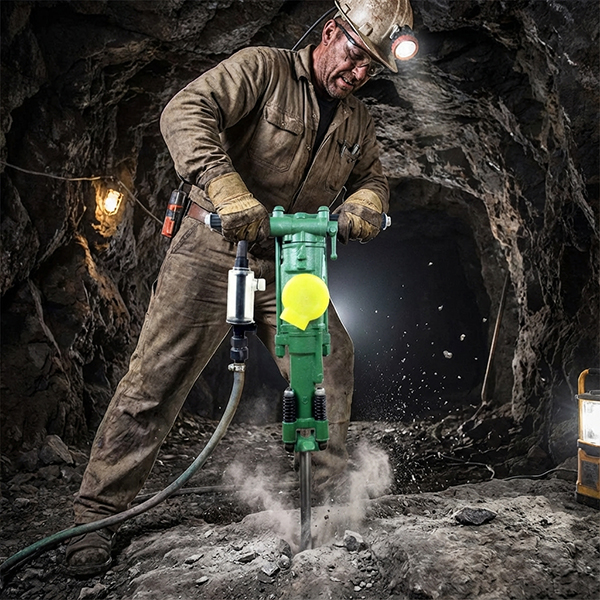
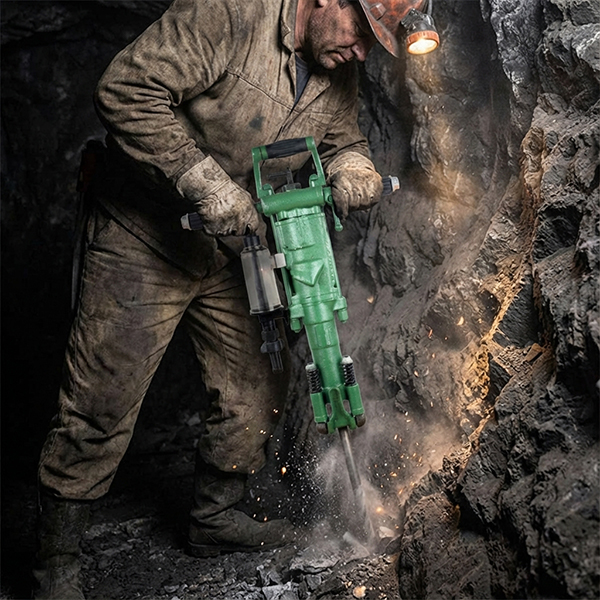
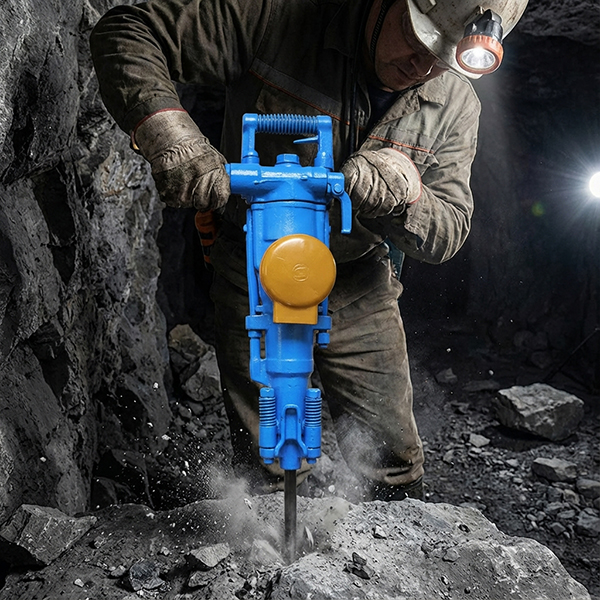
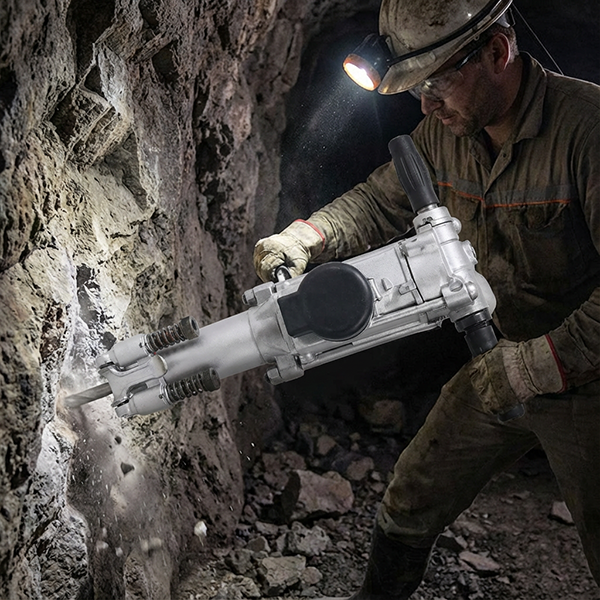
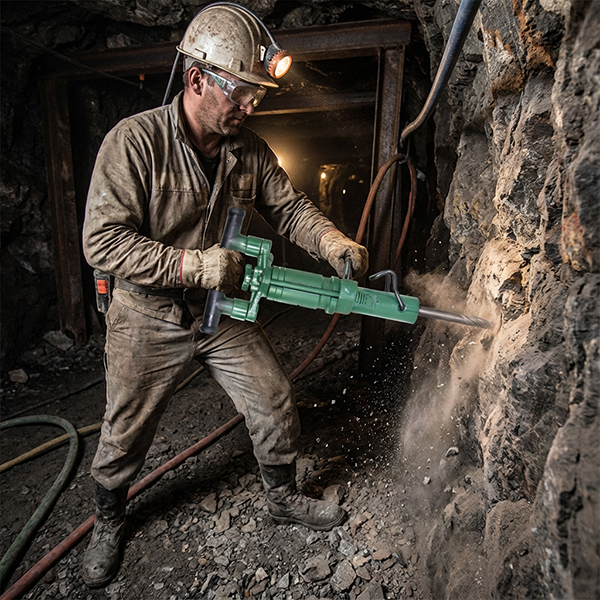
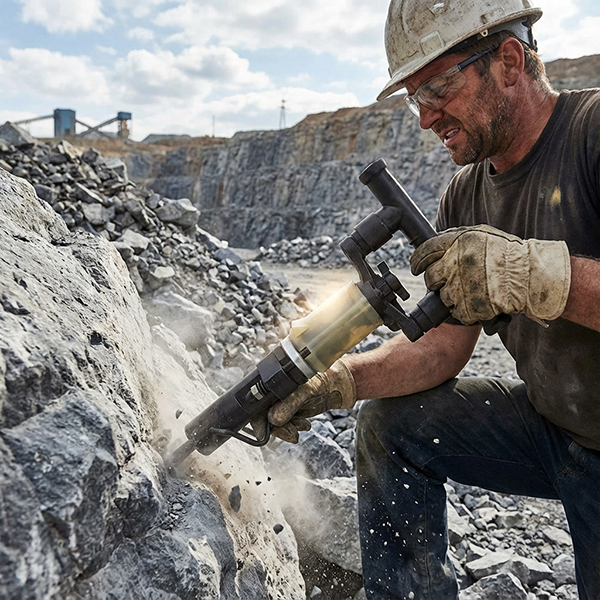
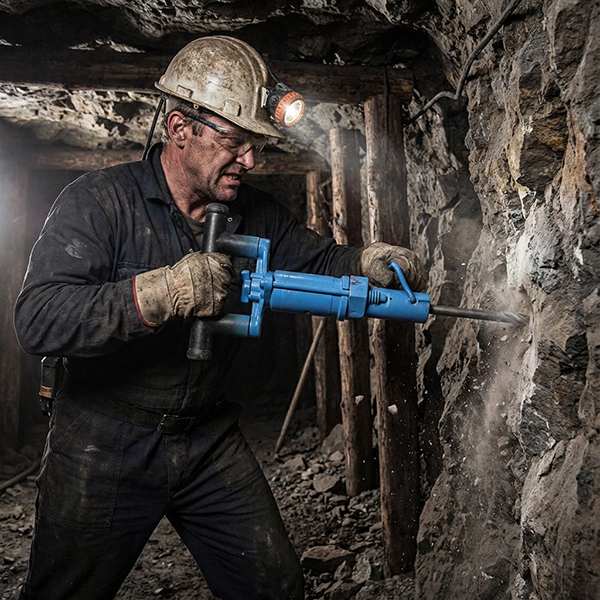
Rock drilling and blasting is a fundamental technology in metal mining, yet historically it has also been a weak link. Continuous improvement in drilling and blasting efficiency is therefore crucial for safe and high-efficiency mining. It remains the primary method for ore breakage underground. The technology has evolved from manual drilling to pneumatic drills, hydraulic drills, drilling jumbos (including roller-cone and down-the-hole drilling systems), and now drilling robots. Overall, the direction is clear: from mechanization to automation, intelligence, and cleaner operation.
After long-term research, many countries have developed drilling equipment suitable for a wide range of conditions. In recent years, as drilling equipment has improved, countries such as the United States and Canada have introduced open-pit-style drilling and blasting concepts into underground mining. Medium-length-hole sublevel drilling has increasingly been replaced by large-diameter deep-hole methods, with good practical results. For example, Sweden has developed a series of tunneling drilling jumbos featuring high efficiency, safe operation, and low pollution. In parallel, China has independently developed fully computerized three-boom drilling jumbos integrating mobility, drilling, and charging operations. These systems are easy to operate, safer, and lower in construction cost. Such equipment has improved drilling quality and efficiency, reduced labor intensity and operational risk, and raised levels of automation, intelligence, and environmental performance.
Because underground mining conditions vary widely, and because roadway development and stoping have different operating requirements, blasting methods in traditional underground mines have become increasingly diverse. Widely used techniques include millisecond-delay blasting, squeeze blasting, and smooth blasting, all of which improve blasting quality to varying degrees.
With ongoing technical progress, conventional blasting is moving toward precision blasting, green blasting, and intelligent blasting. Precision blasting relies on refined design of hole-pattern parameters, research on blasting energy consumption, and simulation-based blasting planning to build a precision blasting framework. Green blasting primarily uses new combustive agents instead of conventional explosives, producing no blast gases and significantly improving underground air quality. Intelligent blasting integrates intelligent blast design, smart equipment, intelligent prediction of blast vibration, and automatic recognition of remaining blast holes to form an intelligent blasting system.
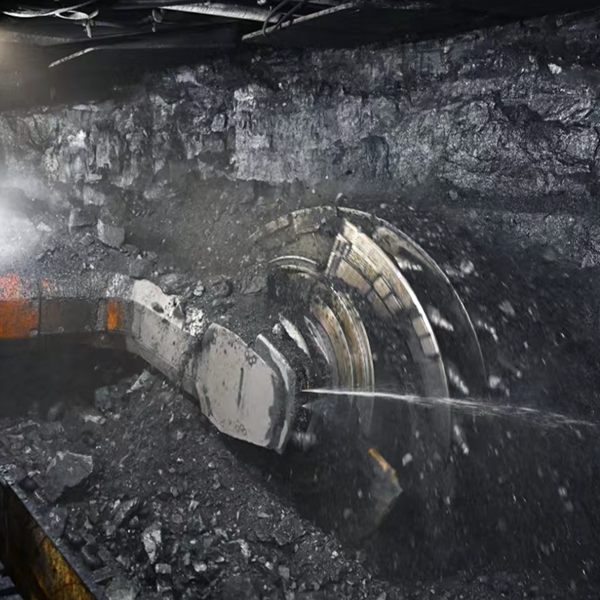
In this era of rapid innovation, rock breakage technologies are also expanding beyond conventional blasting into mechanical and physical non-explosive rock-breaking methods. For instance, continuous miners can mechanically break medium-hard or softer ore and rock with high efficiency and favorable working conditions, which helps ground-pressure control. High-pressure water-jet and thermal-fracture methods overcome limitations of purely mechanical rock breakage and avoid dust and sparks, significantly improving the work environment. However, due to high energy consumption, high cost, and severe tool wear, these methods have not yet been widely adopted in China. In addition, China started relatively late in information technology and artificial intelligence R&D for mining, and key intelligent mining technologies still depend heavily on foreign sources. As a result, truly continuous mining in hard-rock mines has not yet been fully realized.
2. Transportation and Hoisting Technology
Transportation and hoisting systems occupy an extremely important position in underground mine production. They connect all production links into an integrated whole and ensure stable mine operation. Ore haulage in stopes has evolved from manual handling to rail transport and then to trackless transport, shifting from a rail-dominant model with trackless supplementation toward a trackless-dominant model with rail supplementation. Underground use of trackless mobile equipment began in the 1960s. With ongoing improvements in trackless equipment, trackless mining has developed rapidly, driving process transformation in underground mining and becoming the current development trend.
For short-distance stope haulage, load-haul-dump machines are commonly used because they are easy to operate, reliable, efficient, and maneuverable. For long-distance underground haulage, underground trucks are widely used internationally but are still less common domestically. As mining depth increases, hoisting distances continue to grow, and hoisting technology faces ever greater challenges, along with rising material hoisting costs. Therefore, developing deep-shaft ore hoisting technology is especially important. The overall future trend is toward larger scale, heavier loads, and higher automation.
After long-term development, most deep mines now use multi-stage shaft hoisting assisted by rail transport, belt conveyors, or trackless equipment. At the TauTona gold mine in South Africa, for example, a three-stage shaft hoisting mode is used, with transfer between shafts by belt or trackless equipment. Traditional open belt conveyor systems are simple in structure but prone to dust emission and material spillage, which pollute underground environments; they also have limited climbing ability and lower safety. To address this, SiCON has developed enclosed belt conveyor systems that prevent spillage and dust generation. Transport speeds can exceed 3 m/s, and conveyor inclination can reach 36 degrees. With further optimization, this system is promising for deep-mine ore transportation and hoisting.
At present, hydraulic hoisting is mainly used in deep-sea mining. In recent years, some researchers have attempted to apply hydraulic hoisting to deep underground mines. This process can run continuously and is more compatible with automated and intelligent hoisting. However, it requires underground crushing and grinding systems in deep shafts, making practical deployment difficult at this stage. Meanwhile, innovative concepts such as maglev elevator hoisting have also emerged, but they still require thorough and detailed research. These new technologies, methods, and processes are injecting new momentum into mine transportation and hoisting and are strongly promoting innovation in this field.
3. Rock Mass Reinforcement Technology
In metal mines, rock reinforcement is mainly applied to weak, fractured, and high-stress rock masses. Reinforcement technologies can be divided into passive support and active support. Passive support cannot change internal rock structure and can only passively resist deformation of surrounding rock; examples include traditional timber support, masonry lining, and steel arch support. Active support can modify internal rock structure and proactively improve rock mass strength; examples include rock bolts and cable bolts, bolt-grouting, shotcrete-bolt support, and mesh-bolt-shotcrete support. Among these, bolt-grouting, shotcrete-bolt, and mesh-bolt-shotcrete are composite support methods, and shotcrete-bolt support has become a major reinforcement technology in metal mines.
Combining full-length bolts with bonded bolts into full-length bonded bolting has greatly improved anchorage strength and offers strong practical value and application potential. Shotcrete has also evolved from dry spraying to wet spraying, improving the work environment and reducing rock spalling. Effective integration of shotcrete and bolting can control free deformation of surrounding rock within a certain range, redistribute stress in the surrounding rock, and effectively prevent layer separation and falling rock.
With rapid technological progress, both domestic and international mining industries are increasing the use of advanced bolting and shotcrete equipment. Internationally, a series of bolt jumbos, wet-spray vehicles, and mesh-installation rigs has been developed. In China, independently developed equipment now includes tire-mounted and crawler-mounted bolt jumbos, mining wet-shotcrete machines, and two-boom wet-shotcrete units. These systems improve efficiency, reduce labor intensity, and enhance operational safety, while advancing mechanization and intelligence in rock reinforcement. After multiple waves of technical innovation, rock reinforcement has progressed from traditional passive single support to new active composite support, and future development will continue toward greater mechanization and intelligence to further improve safety and productivity.
4. Paste Backfilling Technology
Metal mining can cause severe environmental problems, including solid-waste pollution, water contamination, air pollution, and land occupation. With advances in backfill mining technology and equipment, paste backfilling has provided a new approach to both traditional mining challenges and mining-related environmental impacts. In this method, mine solid wastes such as whole tailings are prepared into a saturated, non-bleeding, toothpaste-like structural slurry and used for backfilling. This can simultaneously address two major hazards: tailings storage facilities and underground voids, thereby supporting sustainable mine development.
Compared with conventional hydraulic sand fill, paste backfill has three defining features: no segregation, no settling separation, and no dewatering. China has now established the world’s first industrial-scale paste backfill testing platform, covering about 2,000 square meters with more than 200 sets of equipment. It features high industrial-grade precision, full functional coverage, and intelligent operation. The platform can test the full process of paste backfilling, detect key parameters, and guide system design and engineering practice. In particular, its looped pipeline test system with multiple pipe diameters, directions, and flow rates produces results closer to real conditions than traditional methods.
The common theoretical foundation across all paste-backfill process stages is metal-mine paste rheology. Centered on constitutive equations for paste rheology, research combines theoretical calculation, rheological testing, and numerical simulation to meet engineering demands in four process stages: tailings thickening, paste mixing, paste transport, and fill hardening. Thickening technology aims to obtain stable and appropriate underflow concentration, laying the foundation for qualified paste preparation. Mixing technology ensures uniform material blending, which supports flowability in pipeline transport and homogenized mechanical properties. Transport technology targets low energy consumption and reduced wear. Filling technology seeks uniform strength distribution in the fill body and sufficient roof-contact rate. These four process stages correspond to the four core technologies of paste backfilling.
Paste backfilling embodies the principles of safety, economy, environmental protection, and efficiency. It is an important technical pillar of green mining systems for metal mines, has been listed as a demonstration technology by relevant national authorities in China, and remains a global research hotspot in mining.
5. Remote Control Technology
As technology advances, mining has progressed from manual operation to mechanized mining, and then to automated and intelligent mining. In both automated and intelligent systems, remote control is a core enabling technology. It will therefore play an irreplaceable role in modern mining and is a key technical means for future mining development.
Internationally, remote control is already a relatively mature control technology and a clear direction for underground mine development. Typical applications include remote drilling, remote charging, and remote ore-drawing operations. However, this technology is generally adopted when a country’s overall industrial base has reached a high level, and it has not yet been comprehensively deployed in China.
The key elements of remote control technology lie in three areas: remote perception of the mining environment, remote operation of mining processes, and remote supervision and control of mining systems. Together, these capabilities enable automatic sensing and analysis, unmanned operation, remote dispatch, automatic early warning, and remote decision-making.