

I. General Provisions
Article 1
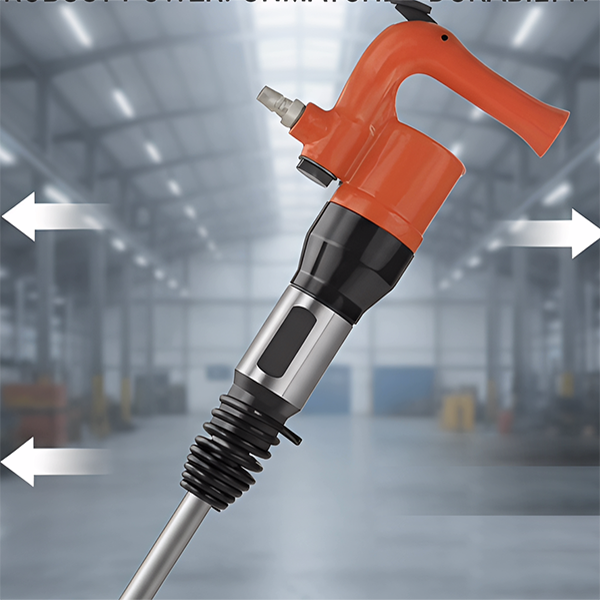
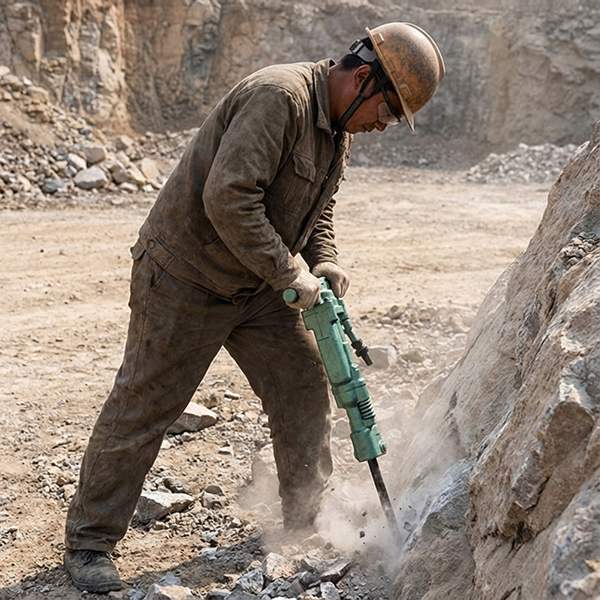
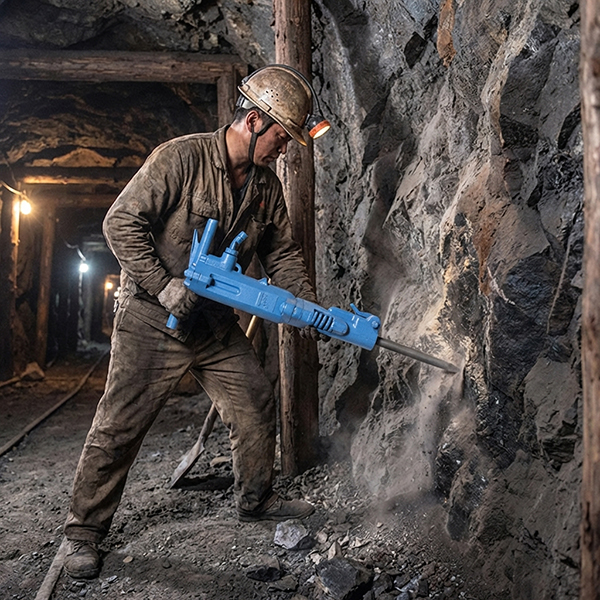
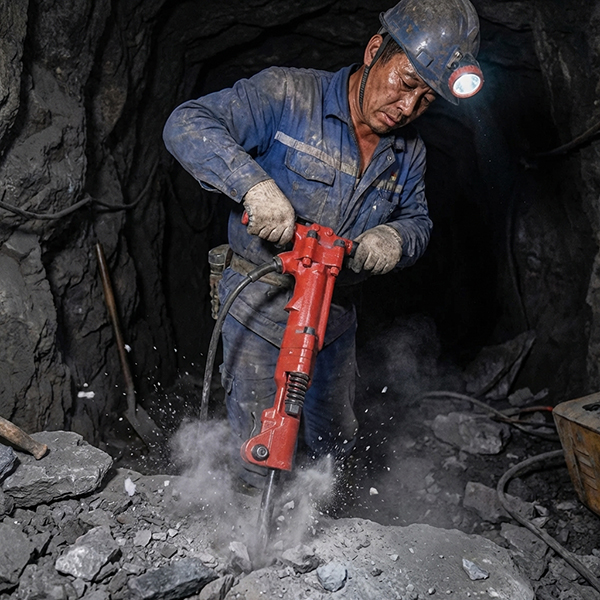
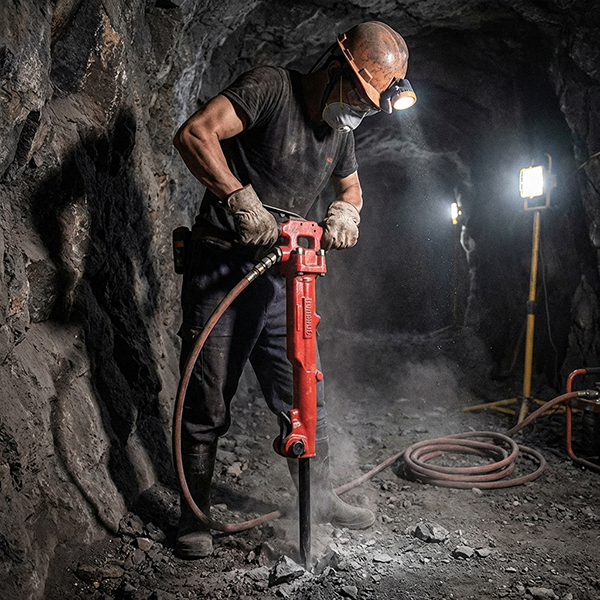
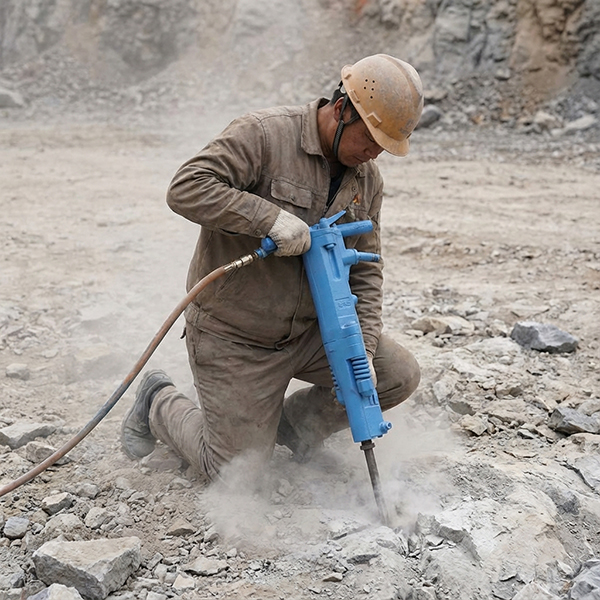
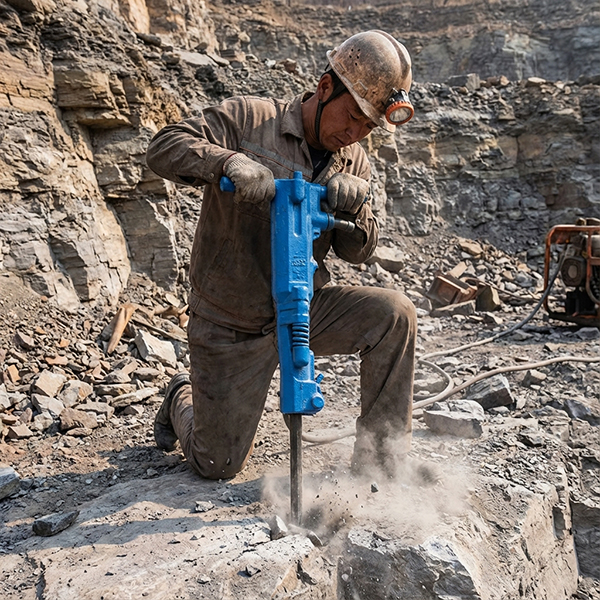
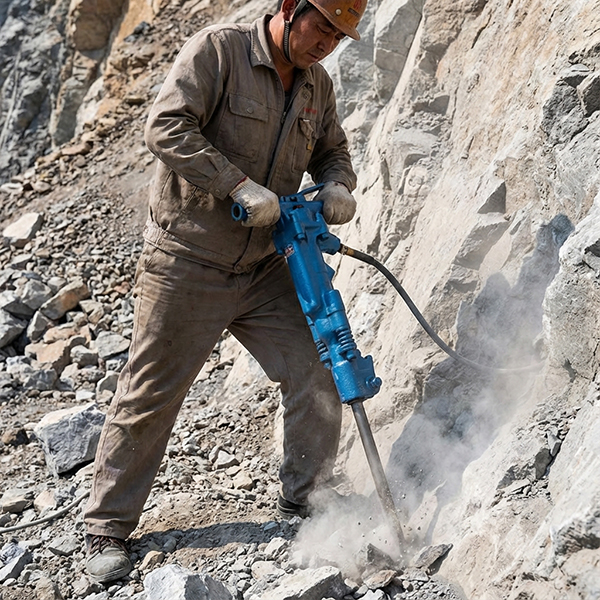
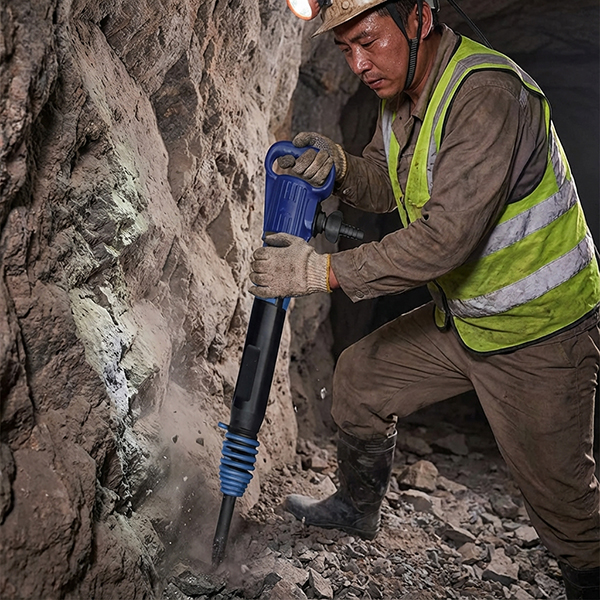
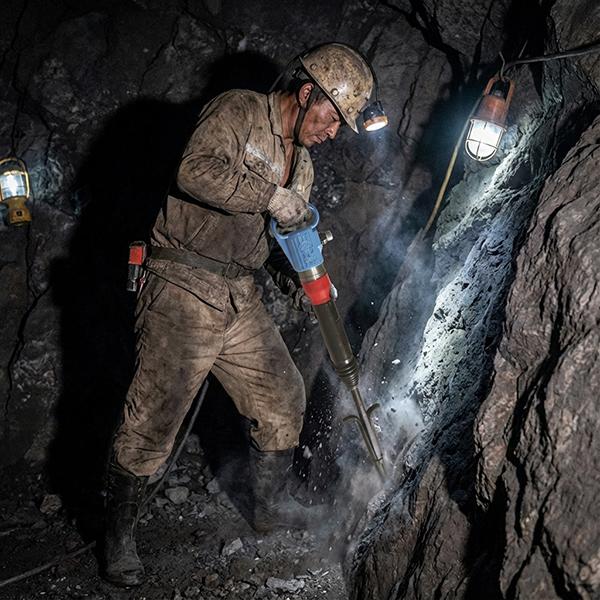
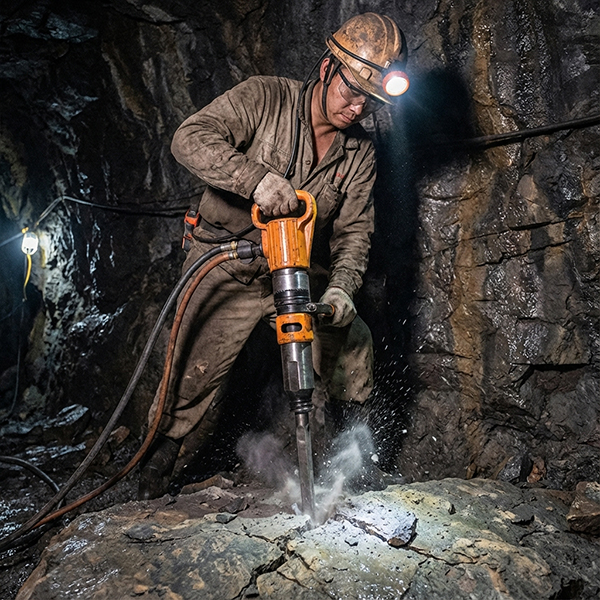
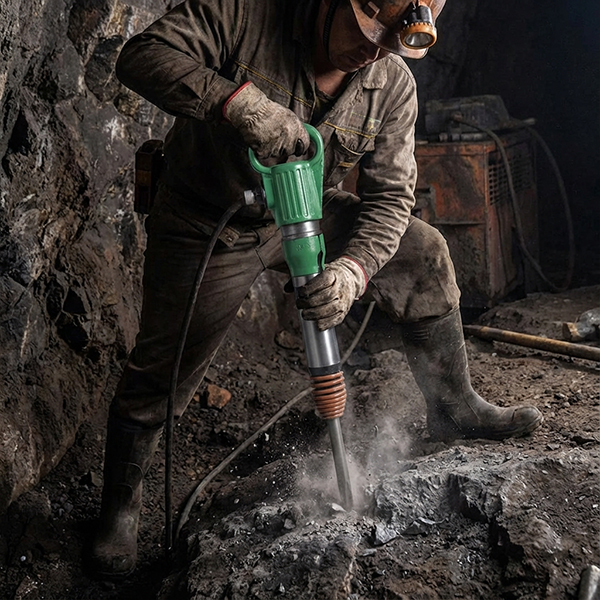
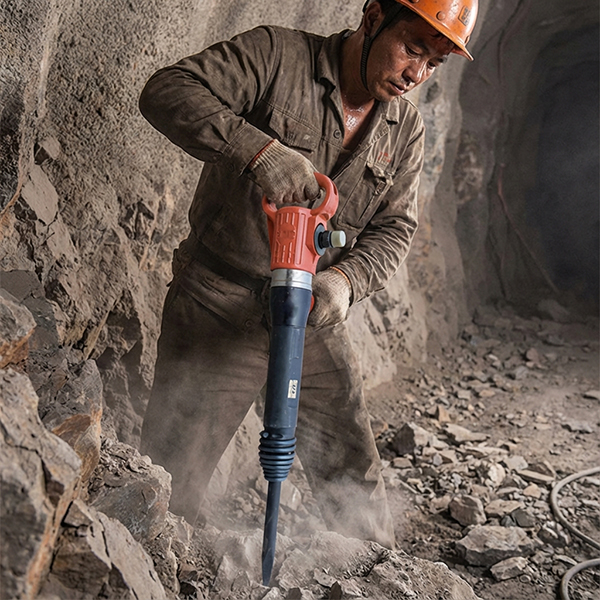
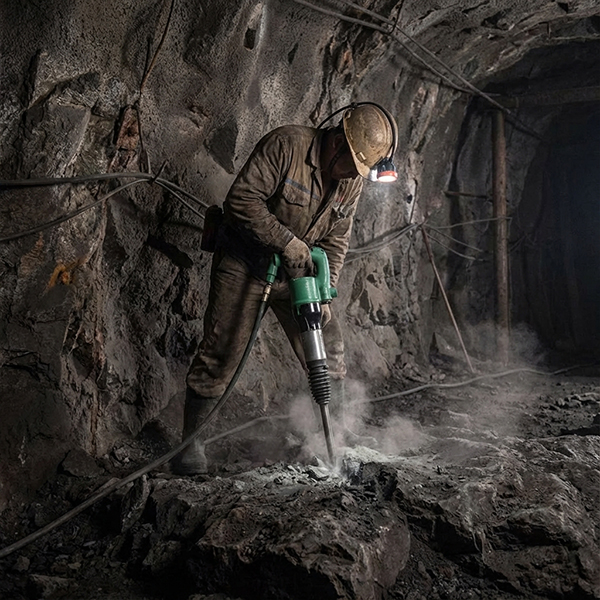
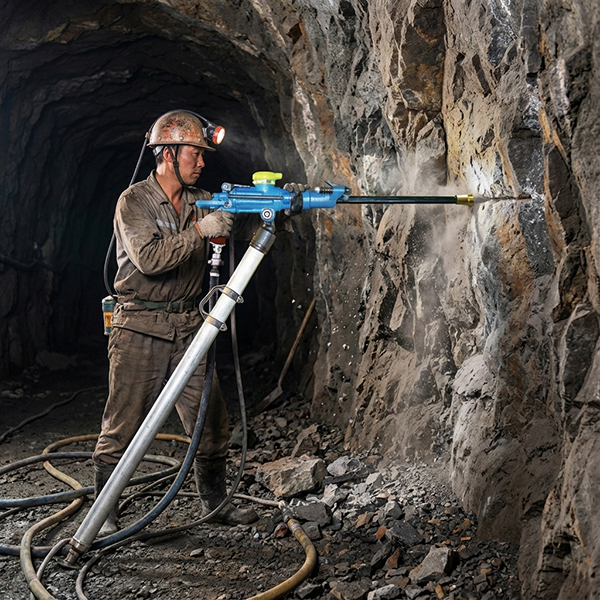
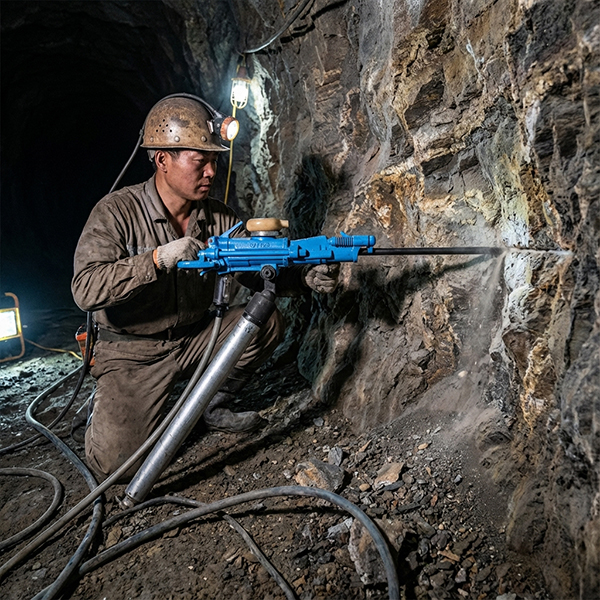
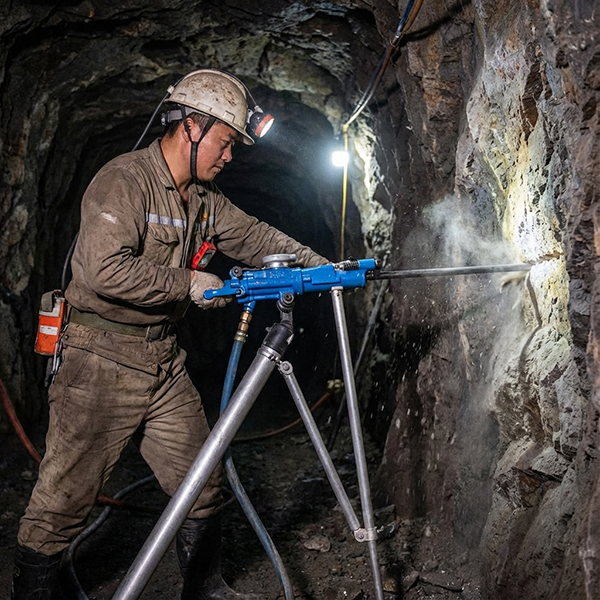
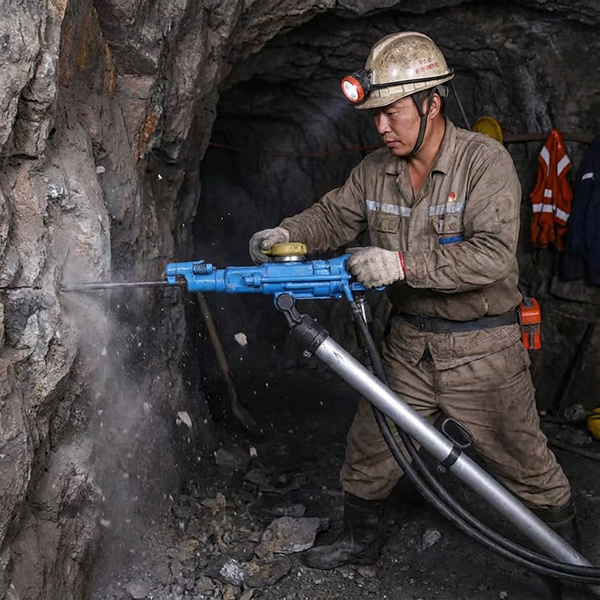
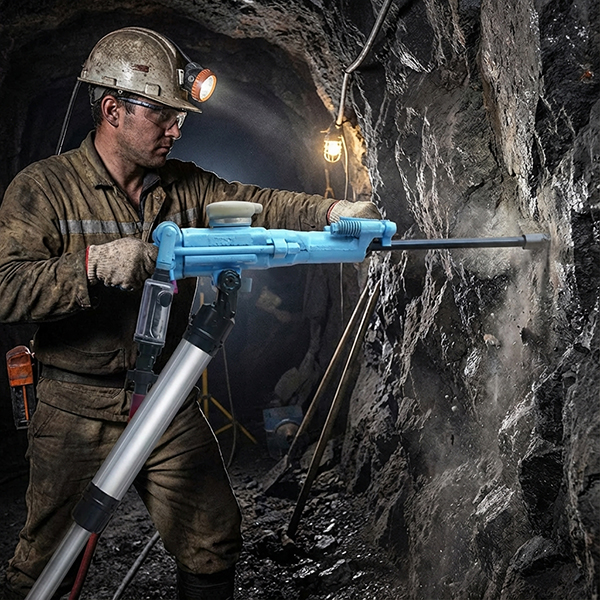
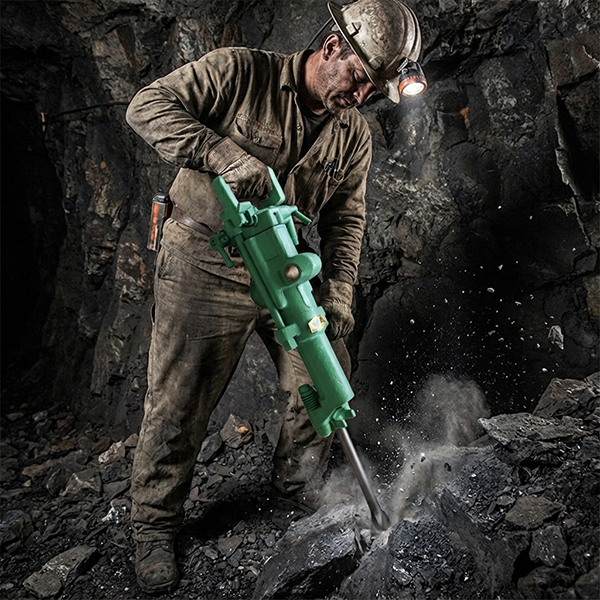
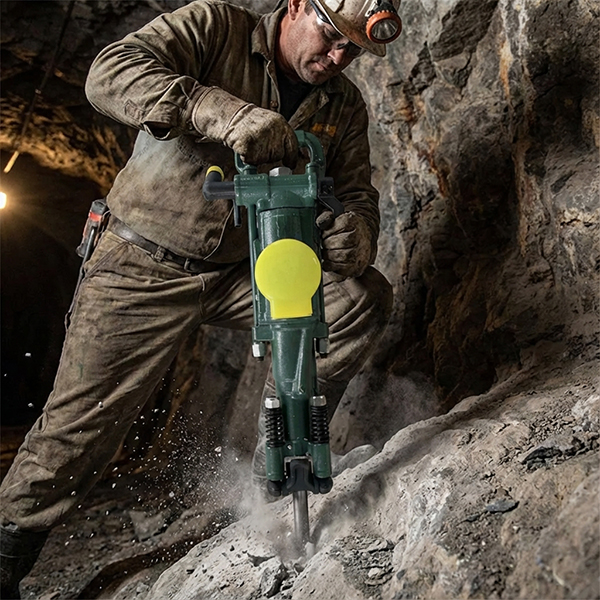
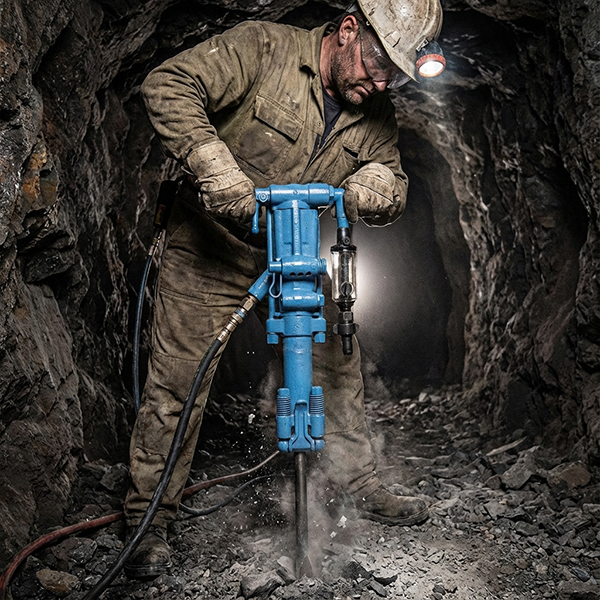
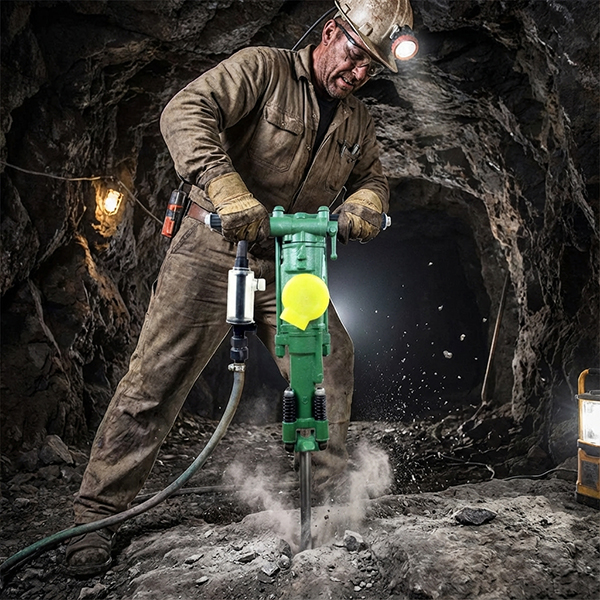
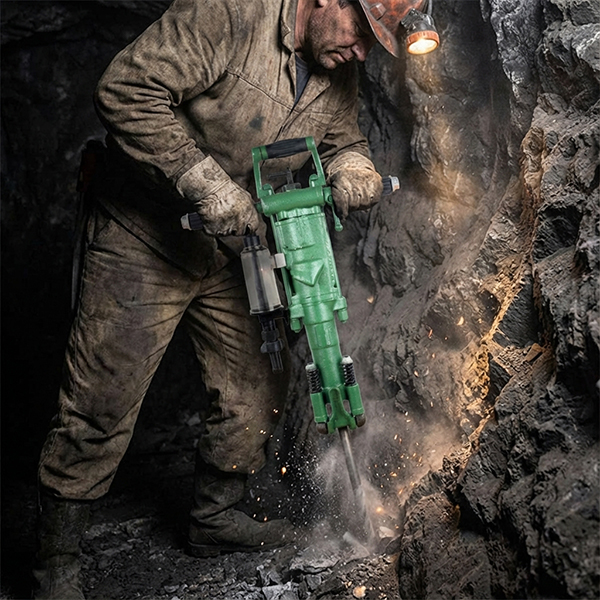
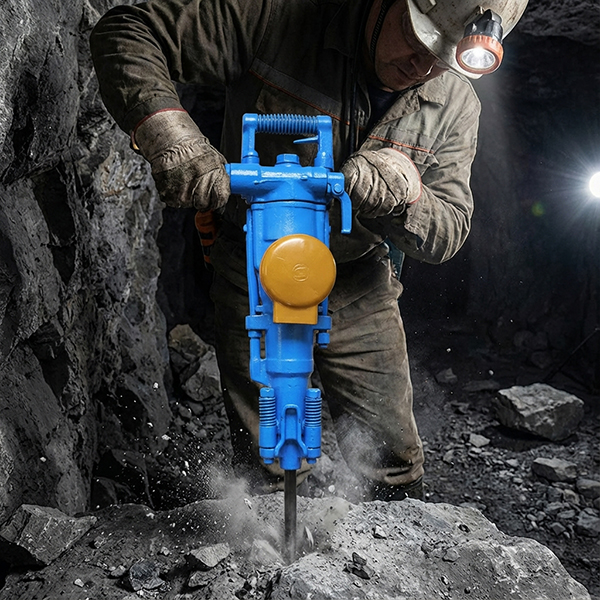
Pneumatic pick operators shall understand and master the tool’s structure, working principle, maintenance, and operating methods. They may operate only after receiving training, passing the examination, and obtaining the required qualification certificate.
Article 2
Pneumatic pick operators shall comply with the following requirements:
Work in coordination with support workers and coal-loading workers to ensure safe production and maintain required quality and dimensional standards at the working face.
If the unsupported roof area exceeds the limit specified in the operating regulations, work must stop immediately and may resume only after support meets requirements.
Mining height shall comply with operating regulations. No roof coal or floor coal shall be left behind. The coal wall shall be straight, with no overhanging lips and no obvious local protrusions.
Sidewall and roof support/bracing shall be installed as required.
It is strictly forbidden to disassemble or repair pneumatic picks at the working face. No liquid other than lubricating oil may be injected into the pneumatic pick.
Article 3
Work sequence for pneumatic pick operators:
Preparation (collect tools/materials → transport and store tools) → inspection → hazard handling → operation (connect air hose → trial run → remove side/roof bracing rods → push cut → breakthrough cut → check quality) → completion of shift.
II. Preparation, Inspection, and Handling
Article 4
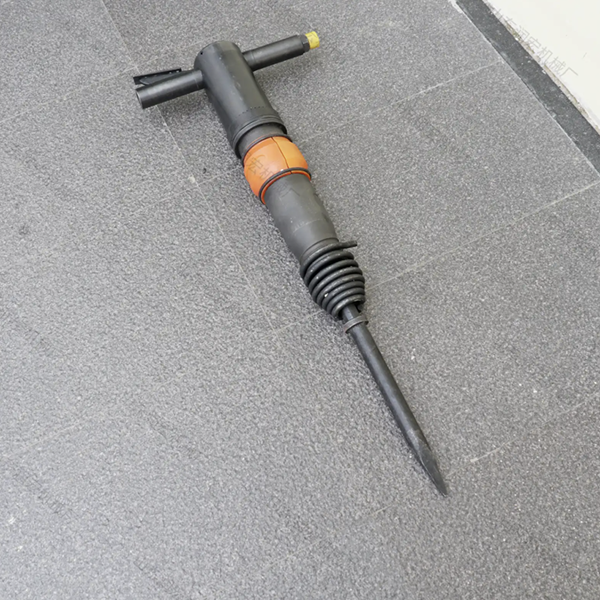
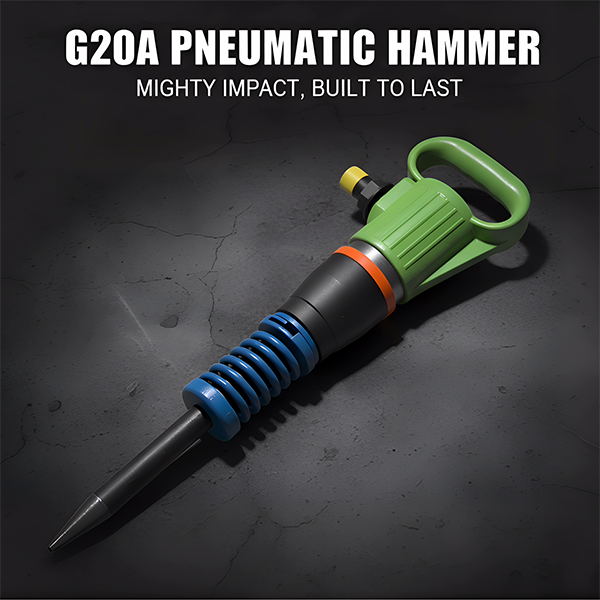
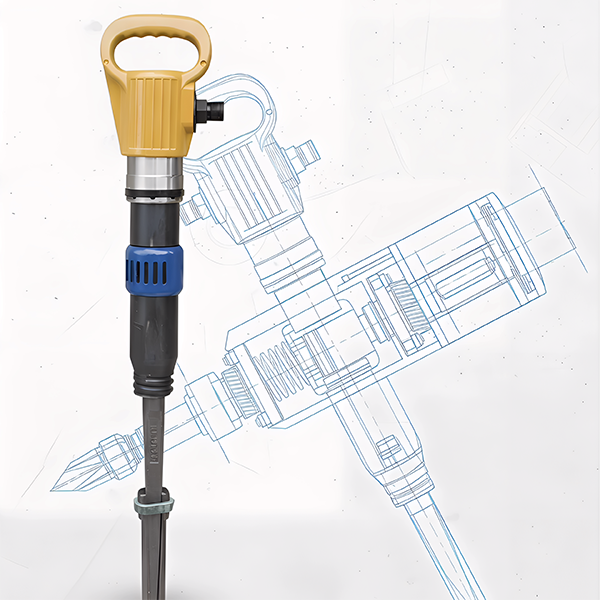
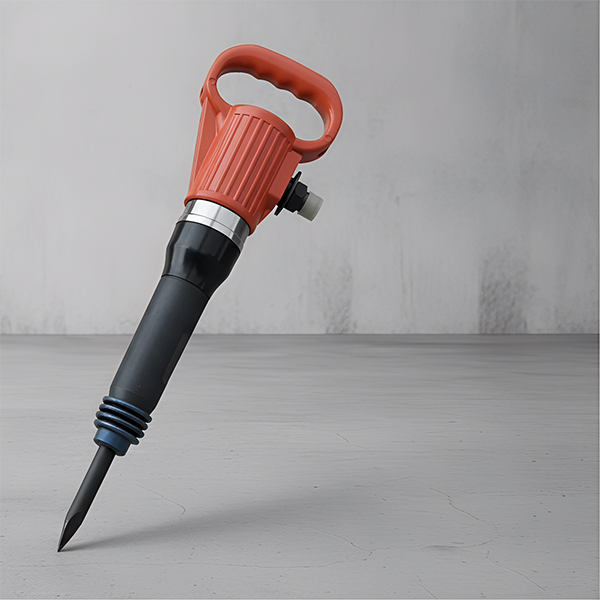
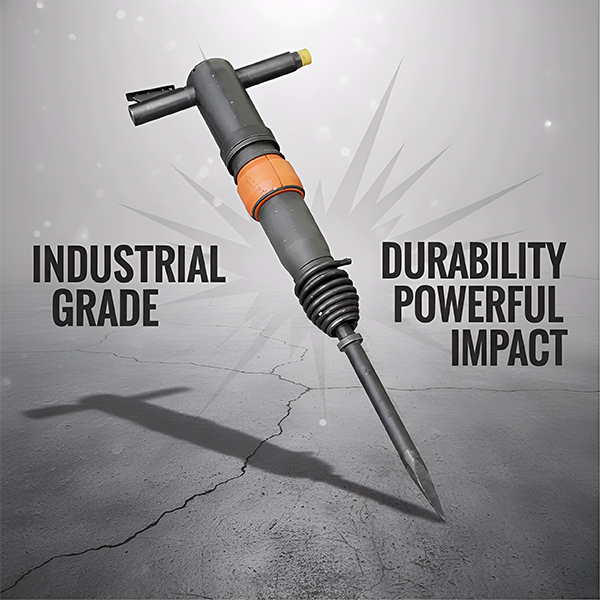
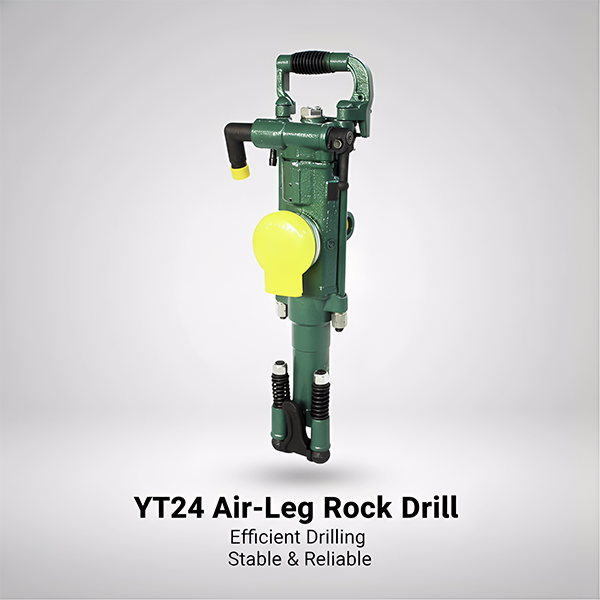
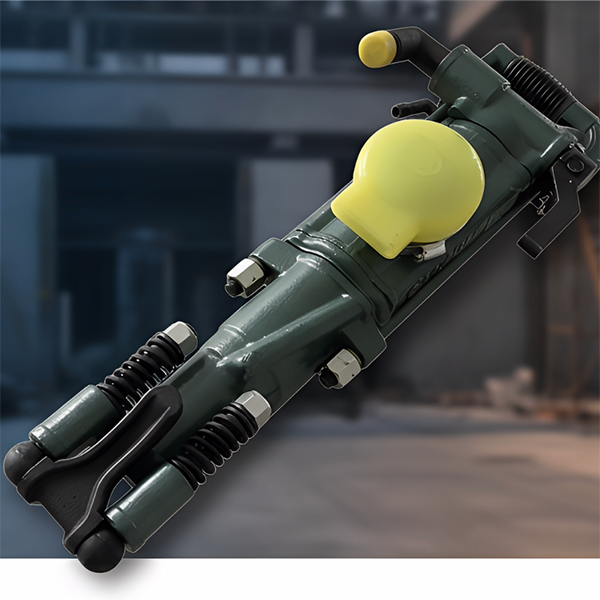
When collecting a pneumatic pick, check that:
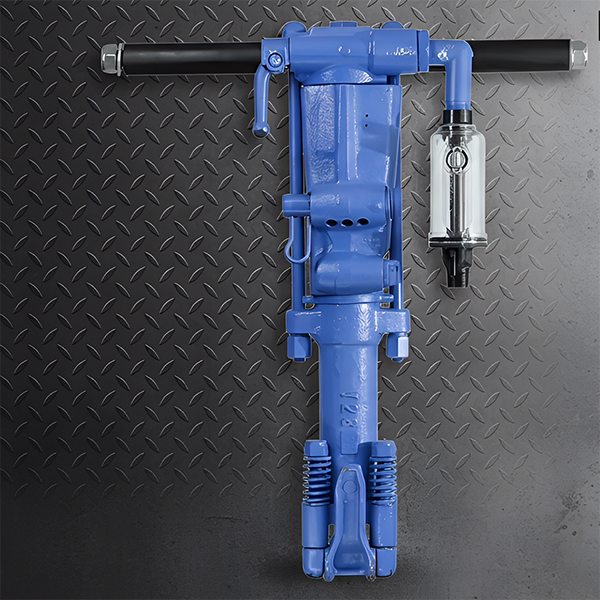
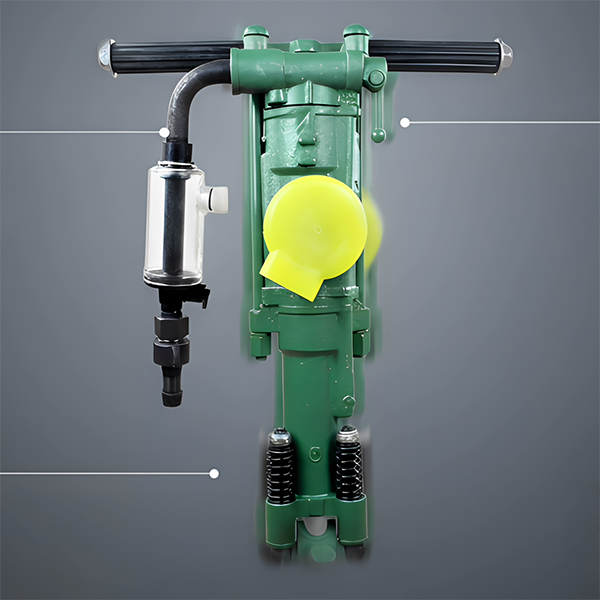
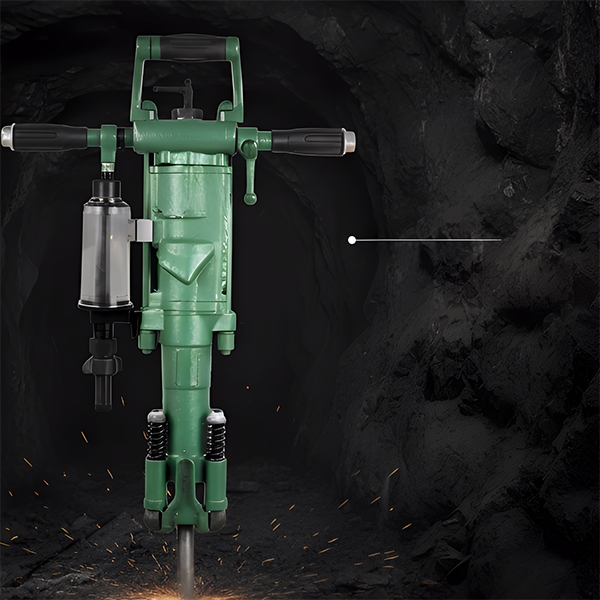
The body has no cracks or damage.
The collar, head, and handle spring are intact and flexible.
The air filter screen is not blocked, and screws and retaining pins are complete and undamaged.
Article 5
When collecting pick bits/chisels, check that:
The bit tip is sharp, and the bit tail is flat, notch-free, and perpendicular to the bit’s center axis.
The bit tail fits the pneumatic pick socket correctly and securely.
Sufficient working bits and spare bits are available.
Article 6
When collecting rubber air hoses, connect the hose to the pneumatic pick and bit in the tool room for a trial run. Any issue found shall be repaired or replaced immediately.
Article 7
Collect sufficient lubricating oil.
Article 8
Carry pneumatic picks, bits, and air hoses separately. Air hoses shall be coiled into loops and carried by hand or on the shoulder to avoid impact. Transport by scraper conveyor is prohibited.
Article 9
Spare pneumatic picks, bits, oil cans, and other items shall be placed in safe and stable locations. At inclined or steeply inclined coal faces, they must be securely tied to prevent falling and injury.
Article 10
Inspection and hazard handling:
Basic and special support systems shall be complete, qualified, and undamaged.
There shall be no roof-fall or sidewall-spalling risk in roof, floor, or coal ribs; otherwise operation is prohibited.
If the controlled roof distance is exceeded, handling shall be carried out in accordance with operating regulations.
Main air lines at the working face shall be properly installed, leak-free, and equipped with flexible nozzles that meet requirements.
Article 11
Preparation before operation:
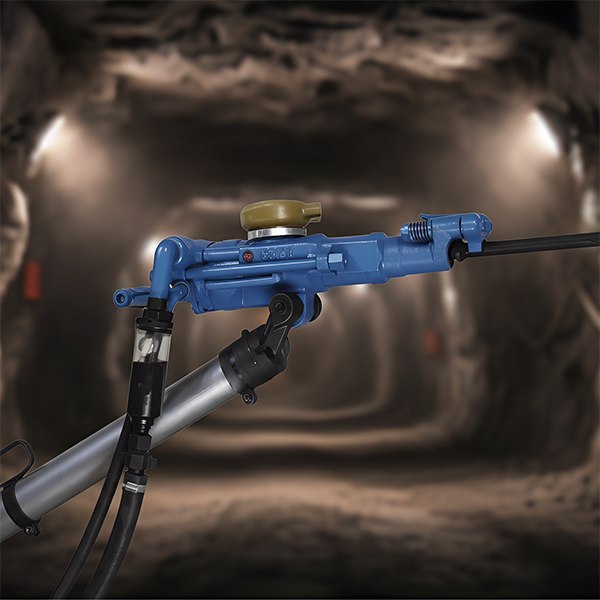
After connecting the air rope (rubber hose) to the main air line, slowly open the valve and blow air toward an unoccupied area to clear debris from the hose. Then connect the pneumatic pick and tighten the joint. During operation, check joints at all times to prevent disconnection injuries. Oil must be added before and during use.
Prepare support and roof/sidewall bracing materials in advance, and place them neatly along the chute edge or walkway in the roadway. Random stacking that obstructs passage is prohibited.
Check the center marking line or guide line of the face to determine rib widths on both sides.
III. Operation and Precautions
Article 12
Before cutting coal with a pneumatic pick, first identify a safe retreat route to prevent injury from sidewall spalling or falling coal/rock.
Article 13
For opening cuts, rib pushing, and breakthrough cutting, first dig a coal groove in weaker seams or where bedding/joints are well developed; then cut top coal, followed by bottom coal.
Article 14
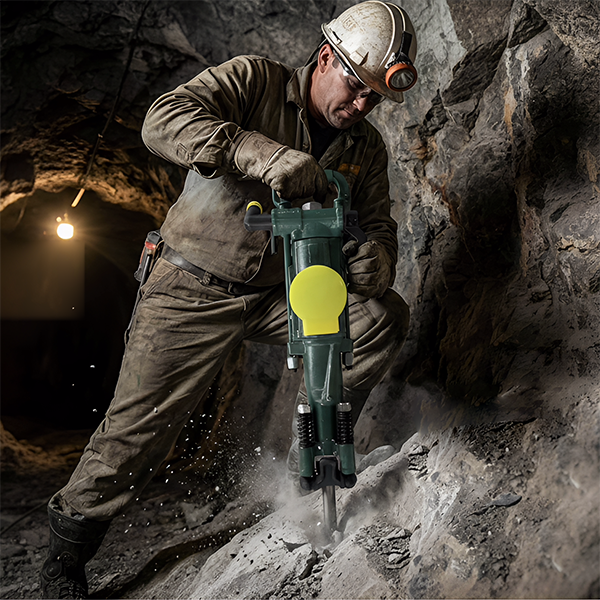
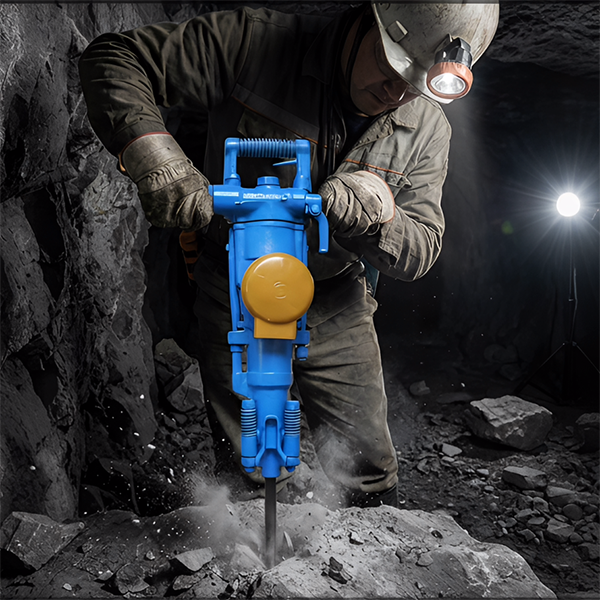
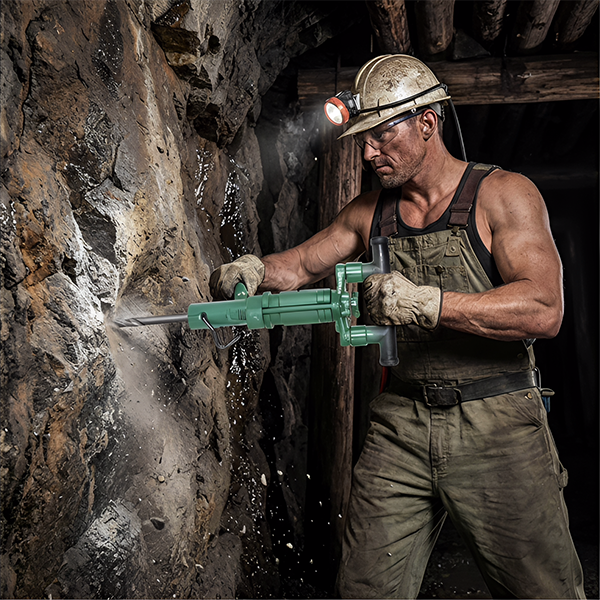
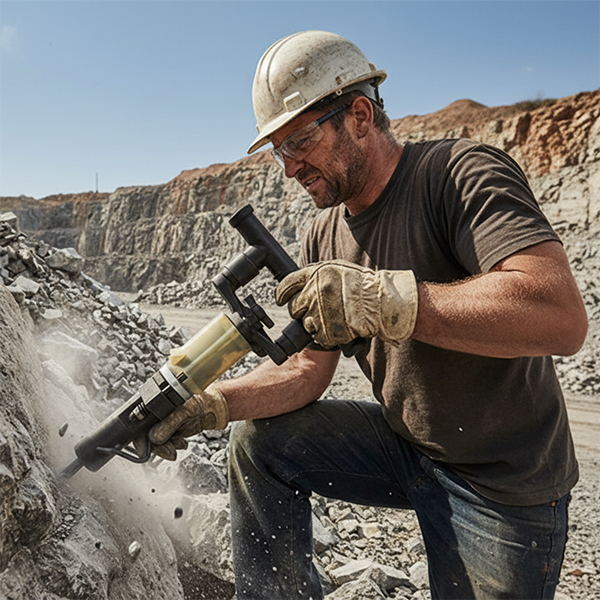
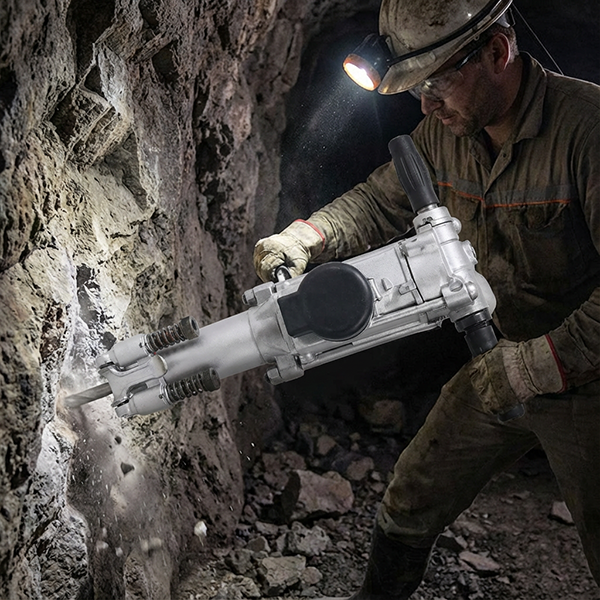
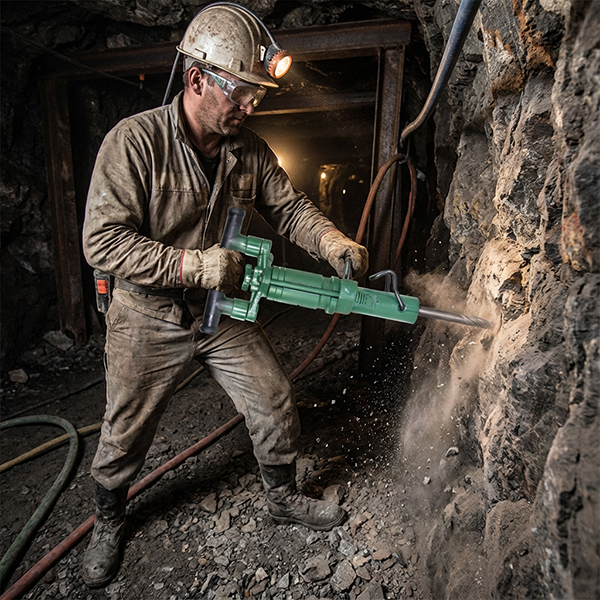
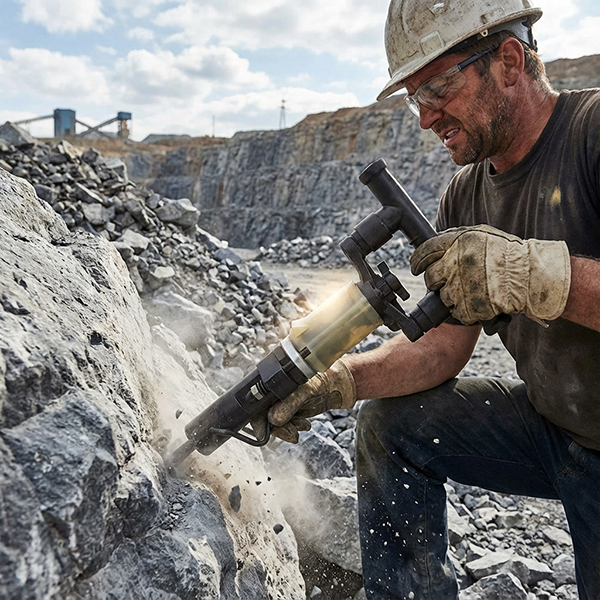
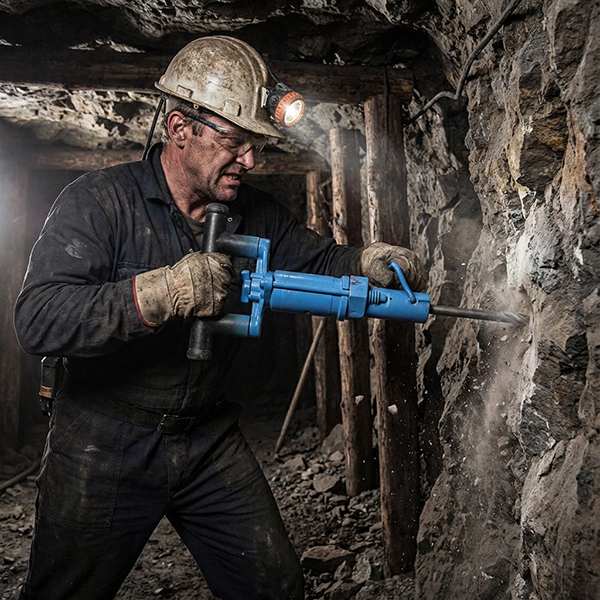
When cutting coal, hold the handle with one hand and support the body with the other, pushing firmly against the coal wall. Do not force with hard impact, and do not push at a 90-degree angle to the coal wall, so as to reduce arm vibration and avoid damaging the bit tip.
Article 15
During horizontal or upward operation, keep the arm holding the pick body close to the torso to increase force. Monitor the conveyor and overhead area at all times to prevent injuries from moving coal blocks or debris when the conveyor starts.
Article 16
At faces in composite seams, when gangue interlayers reach the specified thickness threshold for separate extraction, layered operation is mandatory. Coal and gangue shall not be discharged together; interlayer gangue must be mined separately and thrown into the goaf.
Article 17
Precautions:
Check tightness of the top spring, air filter screen, cross pin, and joints to prevent detachment.
If the bit gets stuck, rock the pneumatic pick back and forth or remove surrounding coal/rock around the bit; pull it out after loosening.
Replace blunted bits promptly.
During work breaks, place the pneumatic pick in a safe, dry location.
Hoses shall not be bent into sharp angles or kinked; they must be laid straight or in gentle curves during use.
Article 18
Pneumatic pick operation at medium-thick seam faces with metal supports:
At faces with sound roof, hard coal, and no sidewall spalling, one beam may be hung every other beam position, then floor pulling, post setting, and beam installation proceed from bottom to top.
When roof and coal wall conditions are relatively normal, up to eight beams may be hung continuously at one time; posts are set from bottom to top, upper end blocking is secured, roof beams must be installed in time, and roof bracing must be completed promptly.
At faces with fractured roof and soft, spalling coal, use the beam-pocket method, installing beams and setting roof support simultaneously. If a six-beam gate-opening method is used, first set the third and fourth center posts, then the second and first upper posts, and finally the fifth and sixth posts; brace sidewalls while setting posts and secure upper blocking. Then operate with a one-beam rib-pushing and one-beam breakthrough method. In high-pressure zones during breakthrough, temporary posts must be installed. No posts may be missing at completion.
Article 19
Pneumatic pick operation at steeply inclined faces:
Install firm footboards, coal-retaining boards, and scaffolds, and inspect them regularly to prevent loosening or falling.
Keep adequate spare pneumatic picks, bits, turbine oil, wire, and other small tools, and store them in safe locations.
Select small sublayers with well-developed bedding/joints and softer coal; cut grooves from top to bottom, then mine top coal first and bottom coal next. In thin seams, groove at mid-seam or near the floor; in medium-thick seams, groove as close to the roof as possible. If the seam is too thick and two pneumatic picks are used on one bench, the roof-side pick works first and the floor-side pick works second; along the dip, the two picks must be staggered by 1.5–2.0 m.
Stand firmly and keep support while operating. When cutting through top and bottom coal, grip the support post with one hand while cutting with the other, keep both feet stable, secure the hose, and continuously check the pick body, head spring, and swivel joint to prevent injury.
Large fallen coal blocks must be broken up to prevent knocking down posts or causing injury.
When walking at the face, move only after securing hand support; release hand support only after stable footing is achieved.
Do not cut coal with a pneumatic pick in unsupported areas.
Workers above and below must look out for each other and maintain clear call-and-response communication.
IV. End-of-Shift Procedures
Article 20
Check rib-cutting progress against the face centerline and straighten the coal wall. Work may end only after inspection and acceptance by the team leader.
Article 21
Close the valve on the main air line, remove the flexible air supply hose, detach the pneumatic pick and bit, plug the air inlet and socket hole, coil the flexible hose, and return all tools to the tool room.
Article 22
Hand over to the next-shift pneumatic pick operator, clearly explaining current shift conditions and key precautions.